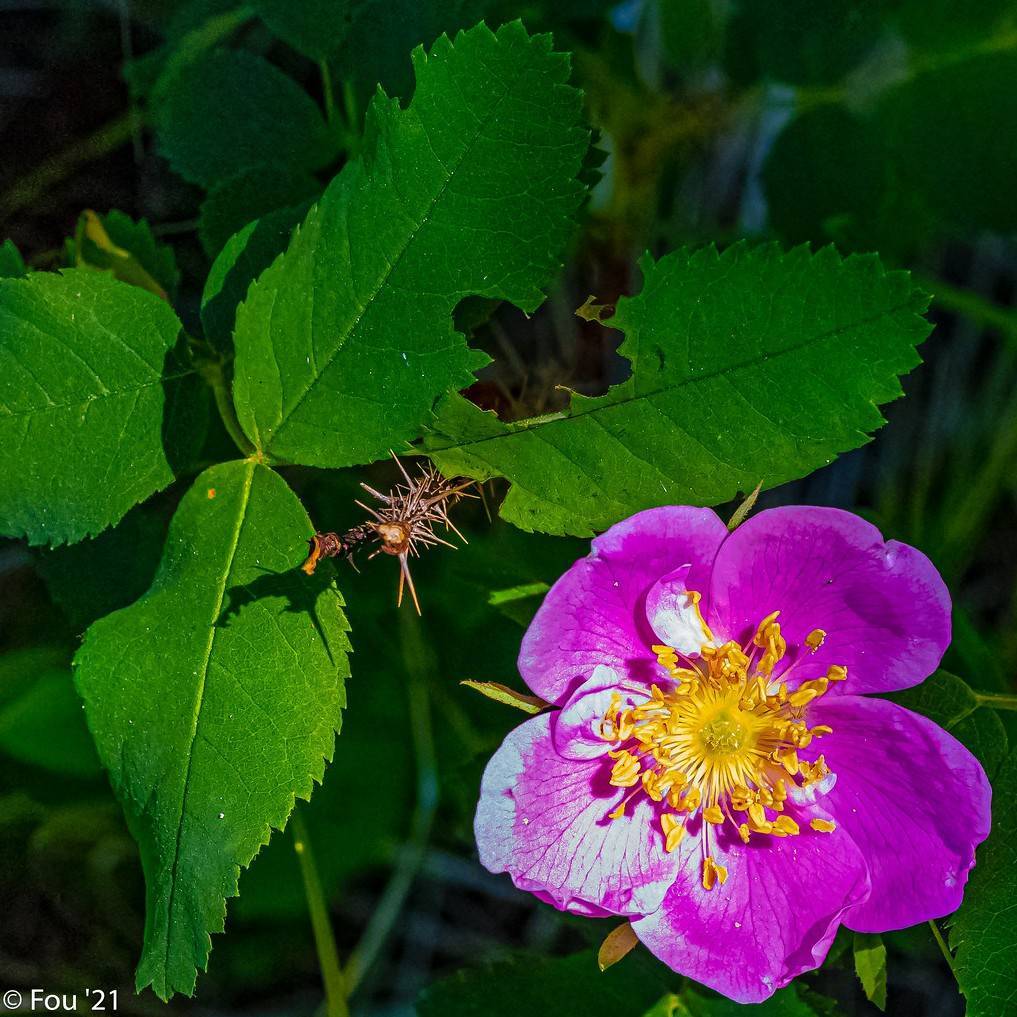
Baldhip Rose
Rosa gymnocarpa
Overview
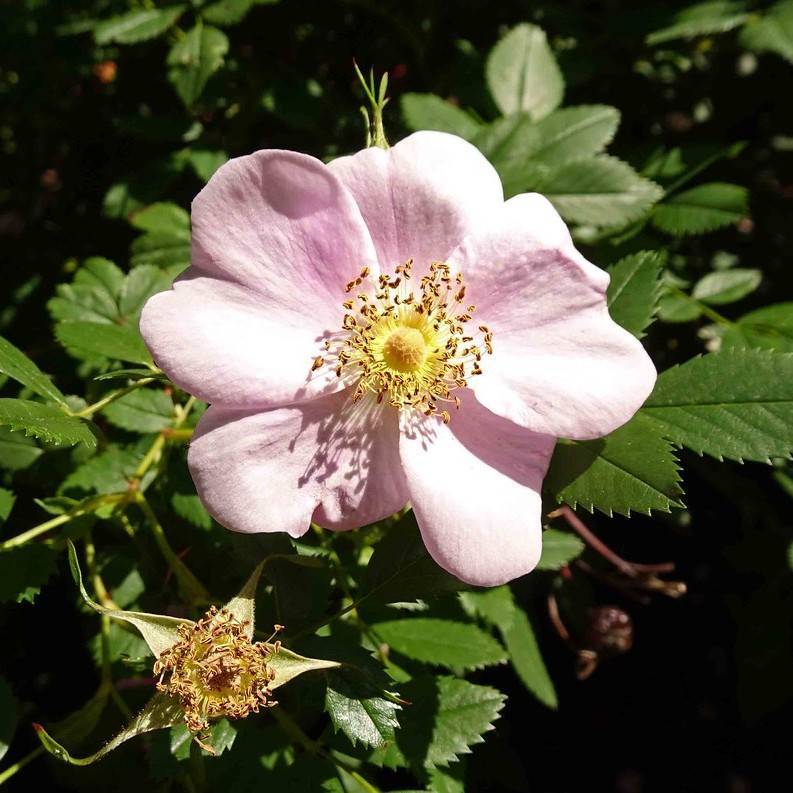
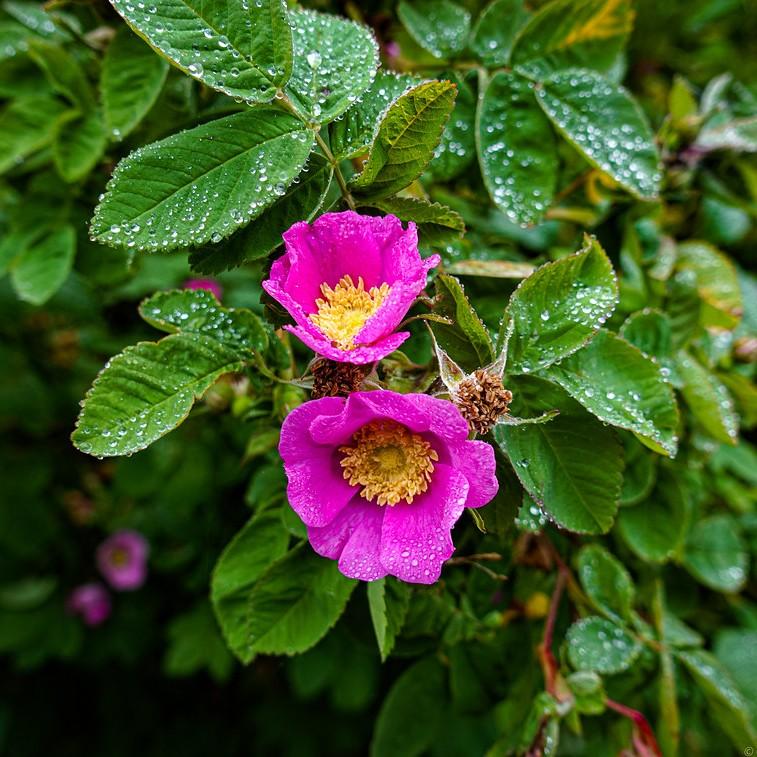
Baldhip rose is a deciduous, low-growing shrub named for its distinct smooth, hairless rose hips that lack the bristles common on most other wild rose species. It features thin, arching stems with small, straight prickles and compound, serrated leaves that turn soft yellow in autumn. Pale to bright pink five-petaled flowers bloom in late spring, emitting a mild, sweet fragrance that attracts native pollinators, including bees and butterflies. The small, bright red hips that develop after flowering remain on the plant through much of winter, providing a critical food source for birds and small mammals.
Care Guide
Watering
Baldhip rose prefers consistently moist, well-drained soil, especially during its first growing season as it establishes a deep root system. Once established, it is moderately drought tolerant, requiring supplemental watering only during extended periods of hot, dry weather. Avoid overwatering or allowing the plant to sit in saturated soil, as this can lead to root rot.
Light
This species thrives in partial shade, making it well suited for woodland edges or understory plantings where it receives dappled sunlight for 3-6 hours per day. It can tolerate full sun in cooler, coastal climates, but may suffer from leaf scorch if exposed to intense, afternoon sun in hotter inland regions. Too much deep shade will reduce flowering and lead to sparse, leggy growth.
Soil
Baldhip rose grows best in loamy, slightly acidic to neutral soil with a pH between 5.5 and 7.0, though it can adapt to a range of soil types including sandy or clay soils as long as drainage is adequate. It benefits from soil amended with organic matter such as compost or leaf mold, which mimics its natural woodland habitat. Avoid heavy, poorly draining soils that hold excess moisture around the root zone.
Fertilizer
Apply a balanced, slow-release fertilizer formulated for flowering shrubs in early spring, just as new growth begins to emerge. Over-fertilization can promote excessive leaf growth at the expense of flowers and hip production, so avoid applying more than the recommended rate. An annual topdressing of well-rotted compost around the base of the plant is often sufficient to provide necessary nutrients without additional synthetic fertilizers.
Temperature
Baldhip rose is cold hardy to USDA zones 5 through 9, tolerating winter temperatures as low as -20°F (-29°C). It prefers cool, temperate climates and does not perform well in regions with prolonged, extreme summer heat above 95°F (35°C) without adequate shade and moisture. Late spring frosts can damage emerging flower buds, so site plants in areas protected from harsh, cold winds if grown at the upper edge of its hardiness range.
Pruning
Prune baldhip rose in late winter or early spring before new growth appears, removing any dead, damaged, or diseased stems first. Thin out crowded older stems to improve air circulation and light penetration, which reduces the risk of fungal diseases. The plant can be cut back to within 6-12 inches of the ground every 3-4 years to rejuvenate growth and encourage a more compact, vigorous form.
Propagation
Baldhip rose is most easily propagated from stem cuttings taken in late summer, using semi-hardwood growth from the current season that has just begun to lignify. Cuttings should be dipped in rooting hormone and planted in a moist, well-draining propagation medium, kept under high humidity until roots develop, typically within 2-3 months. It can also be grown from seed, which requires cold stratification for 90-120 days to break dormancy, though seedlings may take 2-3 years to reach flowering maturity.
Humidity
This species prefers moderate humidity levels between 40% and 60%, typical of its native woodland and mountain habitats. It can tolerate lower humidity levels in cooler climates, but may experience leaf drop or reduced flowering in excessively dry, arid conditions without supplemental moisture. Good air circulation around the foliage helps prevent fungal issues even in higher humidity environments.
Repotting
Baldhip rose is rarely grown as a container plant, as it develops a deep, spreading root system that thrives in open ground. If grown in a pot, use a large, deep container with drainage holes, and repot every 2-3 years in early spring before new growth begins, upgrading the pot size by 2-3 inches each time to accommodate root growth. When repotting, gently loosen bound roots and refresh the potting mix with added organic matter to support healthy growth.
Uses & Symbolism
Baldhip rose is widely used in native plant gardens, woodland restoration projects, and wildlife habitat plantings, as its flowers support pollinators and its hips provide winter food for birds. The vitamin C-rich hips are edible, often used to make jams, jellies, teas, and syrups, with a milder, less tart flavor than many other wild rose species. It also makes an attractive, low-maintenance informal hedge or border plant, with its delicate foliage, spring blooms, and colorful winter hips providing year-round interest.
Diseases & Pests
Baldhip rose is relatively resistant to common rose diseases, but can occasionally develop powdery mildew, black spot, or rust in humid, poorly ventilated conditions. Common pests include aphids, spider mites, and rose slugs, which can be controlled with insecticidal soap, neem oil, or by introducing natural predators such as ladybugs. Root rot can occur in poorly draining, waterlogged soil, so proper site selection and soil preparation are critical to prevent this issue.
Related plants
Other plants you might like if you grow Baldhip Rose.