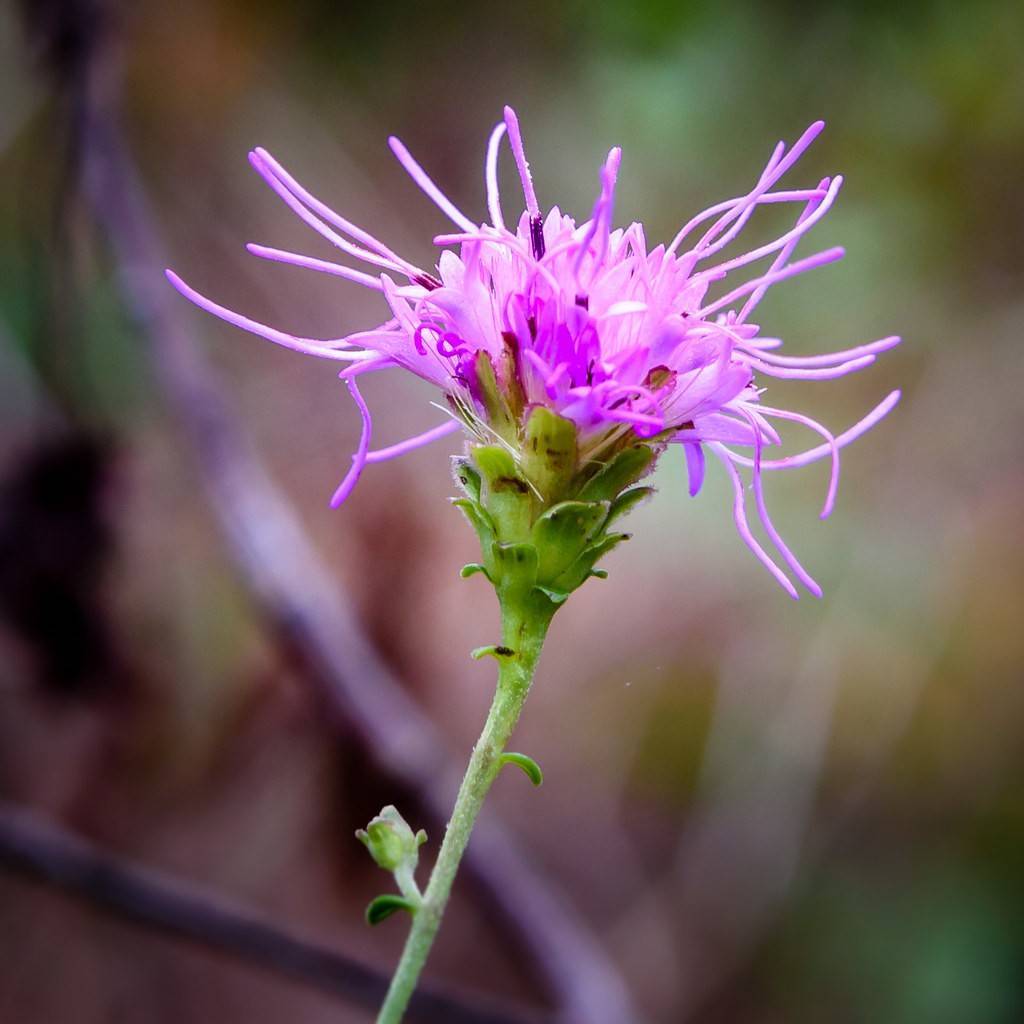
Ironweed
Vernonia fasciculata
Overview
Ironweed earns its common name from its rigid, rust-colored stems and exceptional tolerance to harsh growing conditions, including periodic flooding and poor soil. It produces dense, fluffy clusters of deep magenta or purple flowers from late summer to early fall, standing out in meadows, rain gardens, and roadside plantings. The plant is a keystone species for native pollinators, supporting bees, butterflies, and specialized moth larvae, while its seed heads provide food for songbirds through the winter.
Care Guide
Watering
Ironweed prefers consistently moist, well-drained soil and tolerates occasional flooding, making it ideal for rain gardens or low-lying areas. Water newly planted specimens weekly for the first growing season to establish deep root systems; mature plants are drought-tolerant and only require supplemental water during extended periods of extreme heat and dryness. Avoid overwatering in heavy, poorly draining soil, as this can cause root rot.
Light
Ironweed thrives in full sun, requiring a minimum of 6 hours of direct, unfiltered sunlight daily to produce abundant blooms and maintain a sturdy, upright growth habit. It can tolerate partial shade, but plants grown in shadier conditions may become leggy, flop over, and produce fewer flower clusters. Site it in an open, unobstructed location to maximize sun exposure and airflow around the foliage.
Soil
This adaptable perennial grows well in a wide range of soil types, including clay, loam, and sandy soil, as long as drainage is adequate. It prefers slightly acidic to neutral soil pH between 5.5 and 7.0, and tolerates poorly drained, wet soils that many other ornamental plants cannot survive in. Amending heavy clay soil with organic matter such as compost can improve drainage and support healthier root growth, though it is not required for survival.
Fertilizer
Ironweed is a low-feeding plant that rarely requires supplemental fertilization, especially when grown in native or organically rich soil. If growth is stunted or foliage is pale, apply a balanced, slow-release 10-10-10 fertilizer once in early spring before new growth emerges, taking care not to overapply, as excess nitrogen can cause excessive stem growth and flopping. Avoid fertilizing after mid-summer, as this can encourage tender new growth that will be damaged by early fall frosts.
Temperature
Ironweed is extremely cold-hardy, thriving in USDA hardiness zones 3 through 9, and tolerates winter temperatures as low as -40°F (-40°C). It tolerates high summer temperatures and humidity common in its native range, though extreme, sustained heat above 100°F (38°C) may cause temporary leaf wilt if soil moisture is low. It dies back completely to the ground in winter, with new growth emerging in mid-spring once soil temperatures consistently rise above 50°F (10°C).
Pruning
Prune ironweed back to 4-6 inches above the soil line in late winter or early spring before new growth emerges to remove dead, woody stems from the previous season. To encourage bushier growth and reduce the need for staking, pinch back the top 2-3 inches of new growth in late spring when plants are 12-18 inches tall. Deadheading spent flower clusters is optional; leaving seed heads intact provides food for songbirds and adds winter interest to the landscape.
Propagation
Ironweed is most easily propagated by seed, which can be sown directly outdoors in fall to allow natural cold stratification over winter, or started indoors 8-10 weeks before the last spring frost after 30-60 days of cold stratification in a refrigerator. Mature clumps can also be divided in early spring every 3-4 years to control spread and produce new plants, carefully digging up the root mass and separating it into sections with at least 2-3 growing points each. Softwood stem cuttings taken in late spring or early summer can also root successfully in moist, well-draining potting mix under indirect light.
Humidity
Ironweed adapts well to a wide range of humidity levels, thriving in the moderate to high humidity of its native North American range without extra care. It tolerates dry air in more arid growing zones as long as soil moisture levels are maintained, as its deep root system can access water from lower soil layers. Good airflow around the foliage helps prevent foliar fungal diseases in areas with prolonged high humidity and frequent rainfall.
Repotting
Ironweed is rarely grown in containers, as its deep taproot and large mature size make it better suited for in-ground landscape plantings. If grown in a large pot, use a container at least 18 inches deep and wide with drainage holes, and repot every 2-3 years in early spring before new growth emerges, refreshing the potting mix and trimming back any circling roots. Use a loamy, well-draining potting mix with added compost to provide nutrients and support healthy root growth.
Uses & Symbolism
Ironweed is a popular choice for native pollinator gardens, rain gardens, meadow plantings, and naturalized areas, where its vibrant purple blooms add late-season color and support a wide range of beneficial insects. Some Indigenous North American tribes historically used parts of the plant to treat fevers, stomach ailments, and minor skin irritations, though it is not widely used in modern herbal medicine. Its durable, long-lasting stems and flowers also make it a unique addition to cut flower arrangements, and its seed heads provide winter forage for songbirds including goldfinches and sparrows.
Diseases & Pests
Ironweed is generally pest and disease resistant, though it can be susceptible to powdery mildew and leaf spot in areas with poor airflow, prolonged high humidity, and frequent overhead watering. Aphids and spider mites may occasionally infest new growth, especially on plants stressed by drought, and can be controlled with a strong spray of water or insecticidal soap. Root rot may occur in plants grown in constantly waterlogged, poorly draining soil, so proper site selection with adequate drainage is critical to prevent this issue.
Related plants
Other plants you might like if you grow Ironweed.
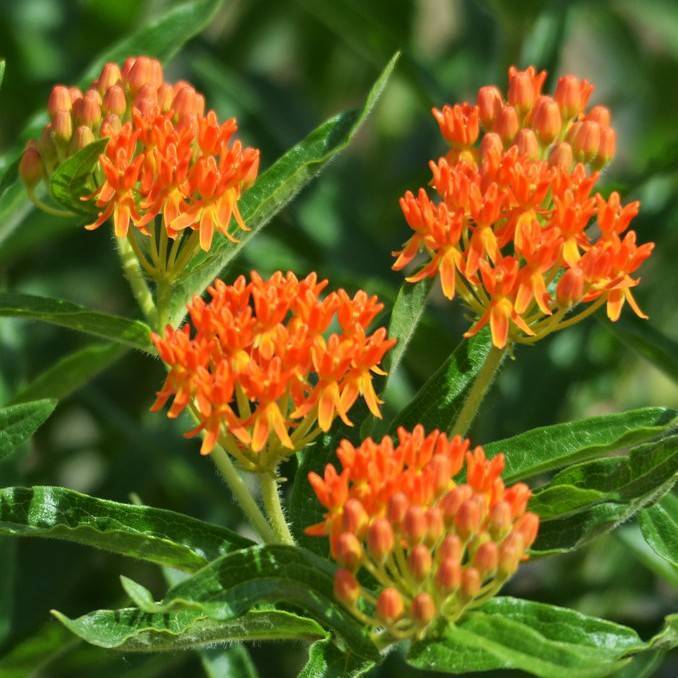
Butterfly Milkweed
Asclepias tuberosa
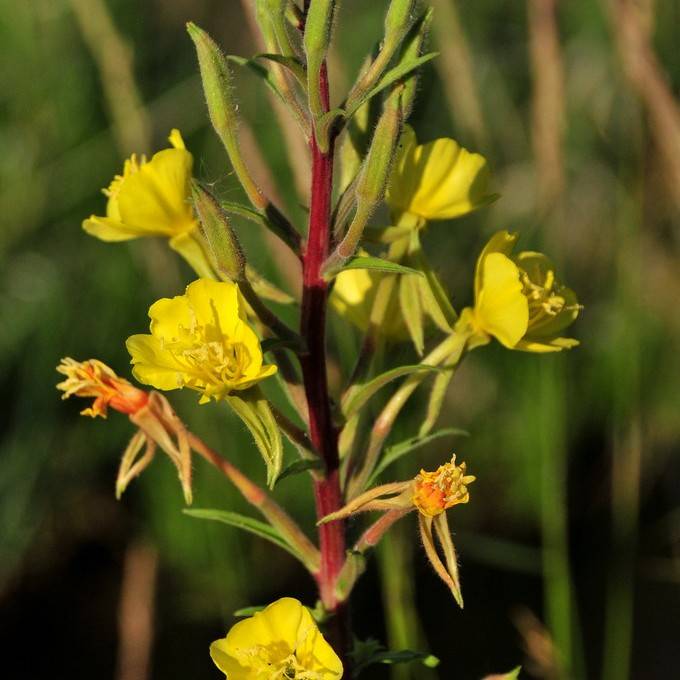
Dwarf Evening Primrose
Oenothera macrocarpa subsp. incana
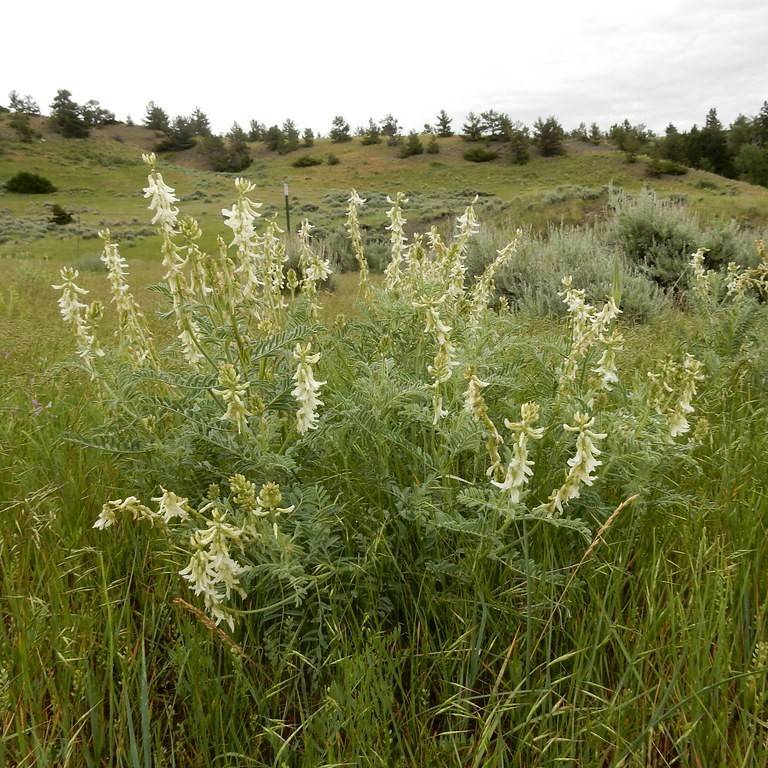
Drummond's Milk Vetch
Astragalus drummondii
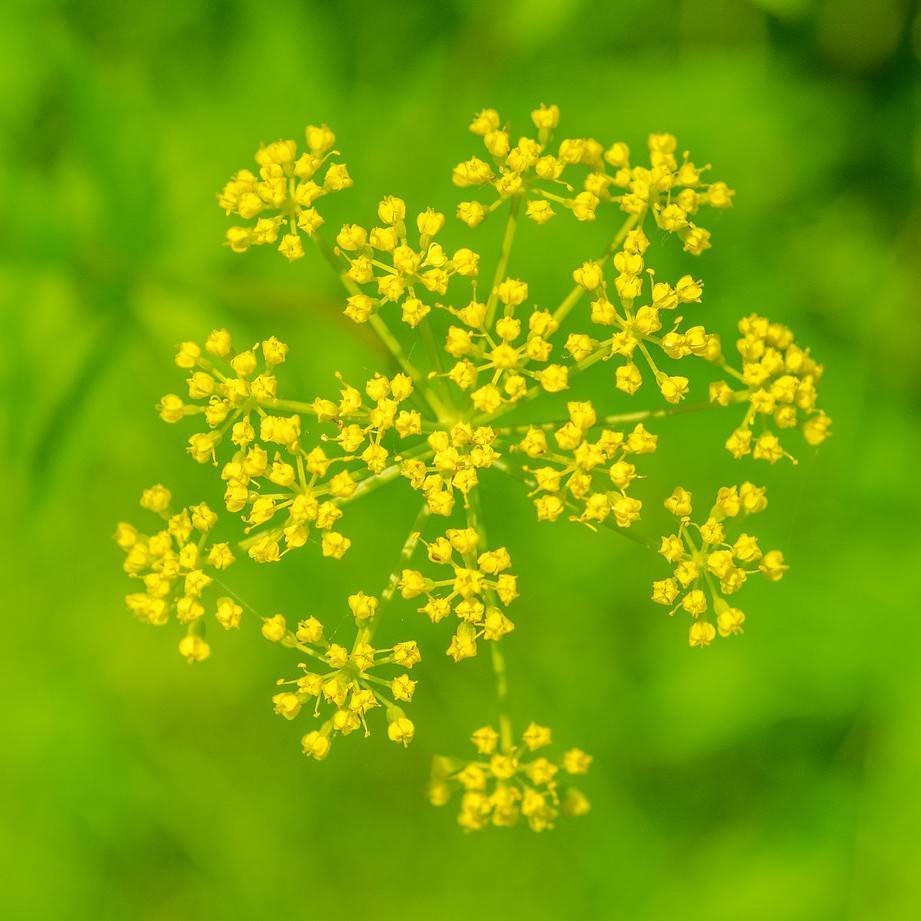
Golden Alexander
Zizia aurea
%22%2F%3E%0A%20%20%20%20%20%20%3Ccircle%20cx%3D%22920%22%20cy%3D%22180%22%20r%3D%2290%22%20fill%3D%22%23cfe8d5%22%2F%3E%0A%20%20%20%20%20%20%3Cpath%20d%3D%22M600%20590c-90-180-215-255-310-280%200%20165%20118%20296%20270%20296h40z%22%20fill%3D%22%2379b88e%22%2F%3E%0A%20%20%20%20%20%20%3Cpath%20d%3D%22M600%20590c80-150%20198-212%20302-228-8%20142-123%20255-270%20255h-32z%22%20fill%3D%22%235c9f73%22%2F%3E%0A%20%20%20%20%20%20%3Cpath%20d%3D%22M600%20610V360%22%20stroke%3D%22%234f8c64%22%20stroke-width%3D%2218%22%20stroke-linecap%3D%22round%22%2F%3E%0A%20%20%20%20%20%20%3Ctext%20x%3D%22600%22%20y%3D%22700%22%20text-anchor%3D%22middle%22%20font-family%3D%22Arial%2C%20sans-serif%22%20font-size%3D%2244%22%20fill%3D%22%23365c45%22%3E%0A%20%20%20%20%20%20%20%20Plant%20image%20coming%20soon%0A%20%20%20%20%20%20%3C%2Ftext%3E%0A%20%20%20%20%3C%2Fsvg%3E%0A%20%20)
Bent Flowered Milk Vetch
Astragalus flexuosus
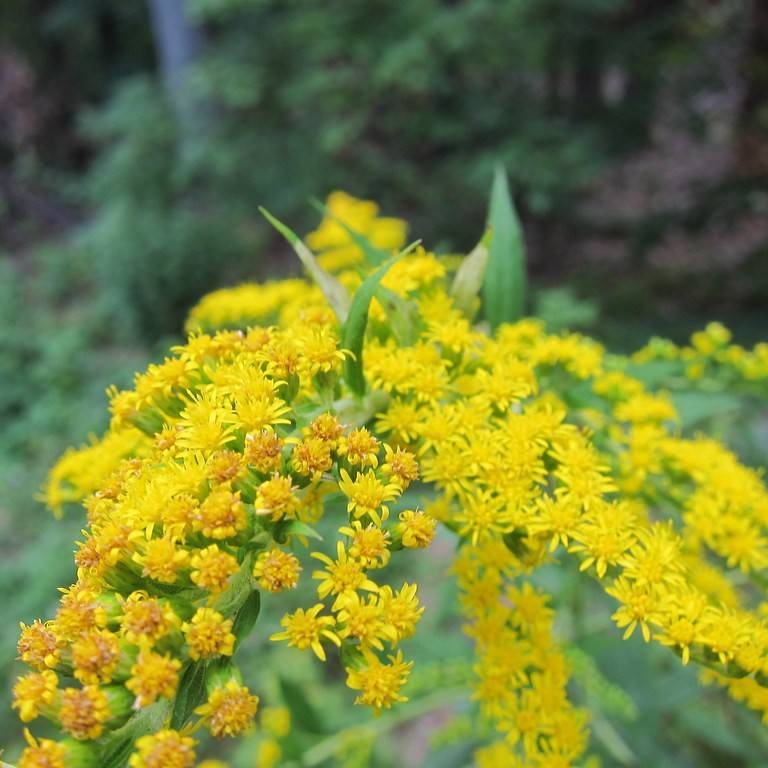
Early Goldenrod
Solidago juncea
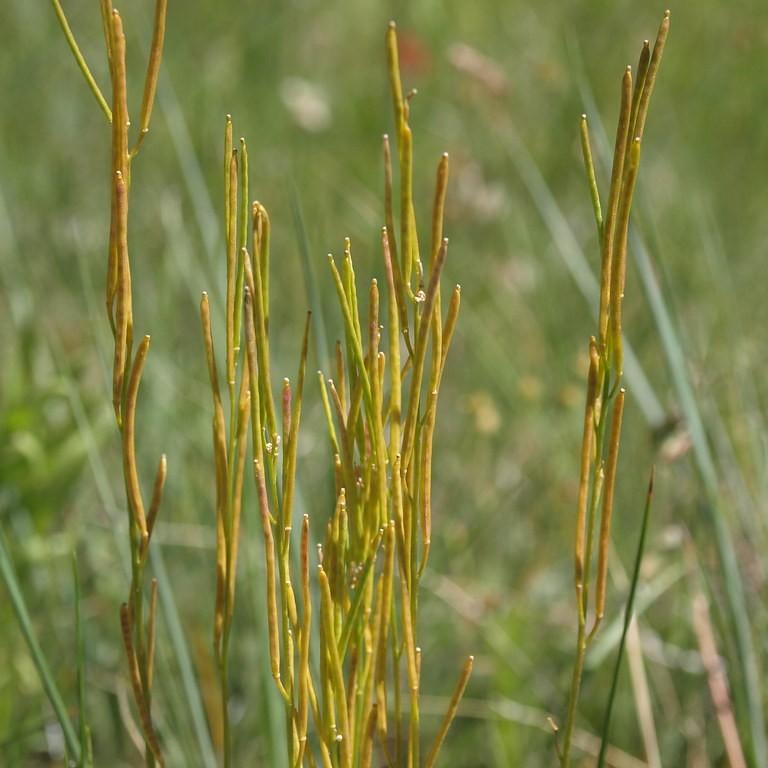
Eschscholtz's Rockcress
Boechera eschscholtziana
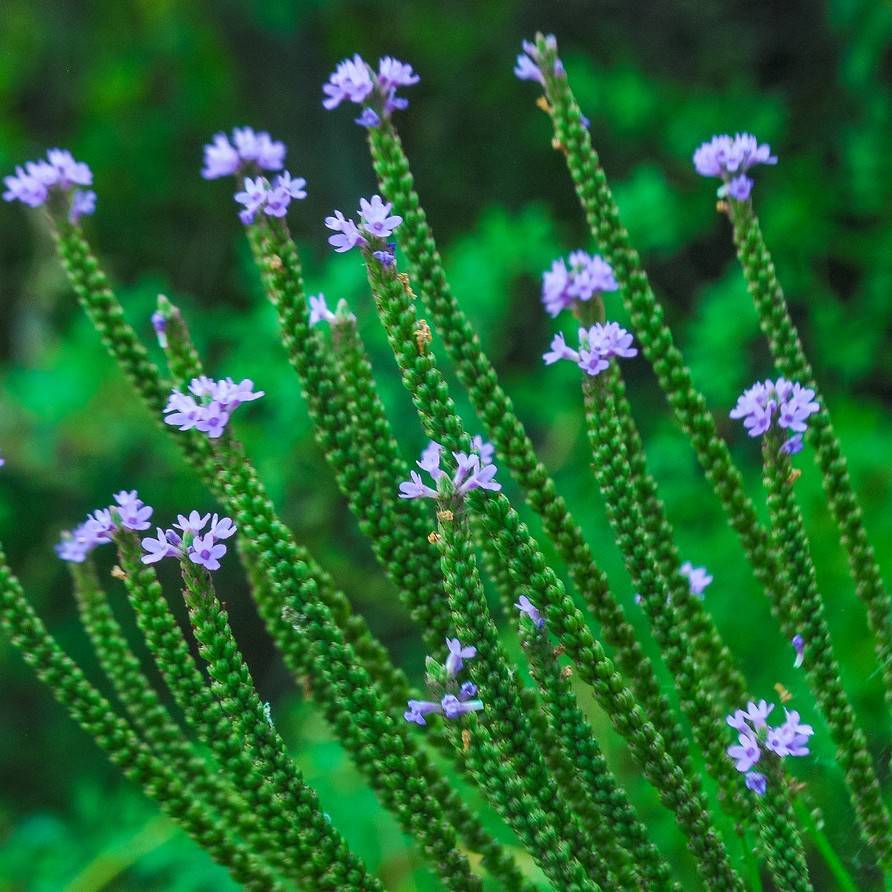
Hoary Vervain
Verbena stricta