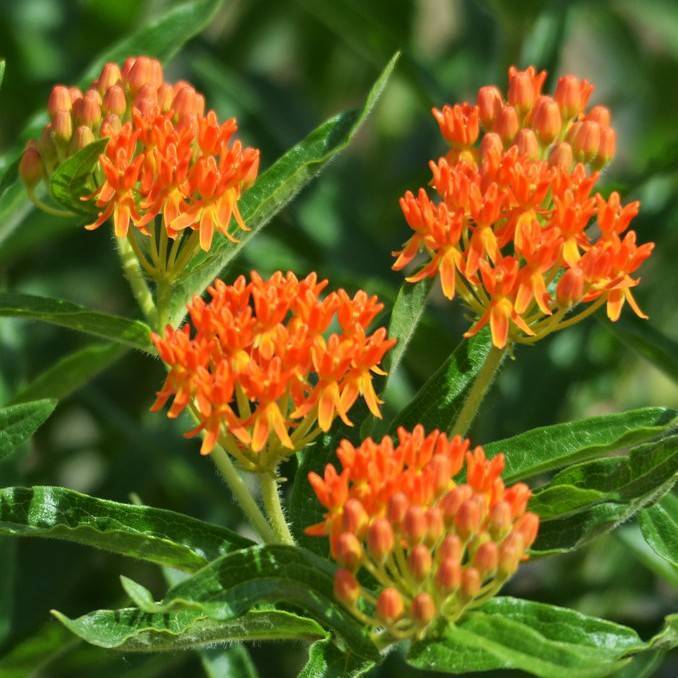
Butterfly Milkweed
Asclepias tuberosa
Overview
Butterfly milkweed is a drought-tolerant, clump-forming perennial known for its vivid clusters of orange, nectar-rich blooms that appear from early to mid-summer. Unlike many other milkweed species, it does not produce milky sap, though its foliage still contains defense compounds that make it the perfect host for monarch butterfly caterpillars, which feed exclusively on milkweed leaves. It is adapted to prairies, meadows, and open woodland edges, making it a popular choice for native pollinator gardens and xeriscaping projects.
Care Guide
Watering
Butterfly milkweed is highly drought-tolerant once established, requiring only occasional deep watering during extended periods of no rainfall; overwatering can lead to root rot, especially in heavy, poorly draining soils. Newly planted specimens should be watered regularly for the first growing season to help them develop a deep, extensive root system, after which they can thrive on natural precipitation in most regions.
Light
This species requires full sun, meaning a minimum of 6 to 8 hours of direct, unfiltered sunlight per day to produce abundant blooms and maintain a compact, healthy growth habit. It will not thrive in partial or full shade, where it will become leggy, produce few flowers, and be more susceptible to pest and disease issues.
Soil
Butterfly milkweed prefers well-draining, sandy, loamy, or gravelly soils with a neutral to slightly acidic pH, and it is tolerant of poor, low-nutrient soils that many other plants cannot grow in. It cannot tolerate heavy, clay soils that retain excess moisture, so amending planting sites with sand or gravel to improve drainage is recommended if native soil is dense.
Fertilizer
Fertilizer is generally not required for butterfly milkweed, as it is adapted to low-nutrient soils; excess nitrogen can lead to lush foliage growth at the expense of flower production and may reduce the concentration of defensive compounds that benefit monarch caterpillars. If grown in extremely poor, sandy soil, a single application of a balanced, slow-release, low-nitrogen fertilizer in early spring can be applied sparingly.
Temperature
Butterfly milkweed is hardy in USDA zones 3 through 9, tolerating winter temperatures as low as -40°F (-40°C) and summer highs up to 100°F (38°C) without damage. It requires a period of cold stratification over the winter to germinate and break dormancy in spring, making it unsuitable for tropical climates without artificial cold treatment.
Pruning
Pruning is minimal for butterfly milkweed; spent flower clusters can be deadheaded in mid-summer to encourage a second flush of blooms later in the growing season. In late fall or early spring, cut back dead, dried stems to ground level to make space for new growth, and leave any remaining seed pods if you wish for the plant to self-sow in the garden.
Propagation
Butterfly milkweed is most commonly propagated from seed, which requires 30 to 60 days of cold stratification in a moist, refrigerated environment before sowing to break dormancy. It can also be propagated via root cuttings taken in late winter or early spring, as the plant has a long taproot that does not respond well to division.
Humidity
This species tolerates a wide range of humidity levels, from dry prairie conditions to moderately humid eastern North American summers, with no special humidity requirements. High humidity combined with poor air circulation and wet soil can increase the risk of fungal diseases, so ensuring proper spacing between plants is recommended in more humid regions.
Repotting
Butterfly milkweed has a long, fragile taproot that makes it poorly suited to container growth long-term, so repotting is generally not recommended for established specimens. If growing in a container temporarily, use a deep pot of at least 12 inches to accommodate the taproot, and avoid disturbing the root ball when moving or repotting to prevent transplant shock.
Uses & Symbolism
Butterfly milkweed is a staple of native pollinator gardens, supporting monarch butterflies as a host plant for their caterpillars and providing nectar for a wide range of bees, hummingbirds, and other beneficial insects. It is also used in xeriscaping and roadside restoration projects due to its extreme drought tolerance and ability to thrive in poor soils, and it has a history of use in traditional Indigenous medicine for treating respiratory and digestive ailments, though its toxic compounds make consumption unsafe without proper preparation.
Diseases & Pests
Butterfly milkweed is relatively pest and disease resistant, but it can be susceptible to aphids, particularly oleander aphids, which cluster on new growth and can be removed with a strong spray of water or insecticidal soap if populations become excessive. Root rot is the most common disease issue, caused by overwatering or poorly draining soils, and fungal leaf spots may occur in prolonged wet, humid conditions, which can be mitigated by ensuring proper air circulation around plants and avoiding overhead watering.
Guides that mention Butterfly Milkweed
Related plants
Other plants you might like if you grow Butterfly Milkweed.
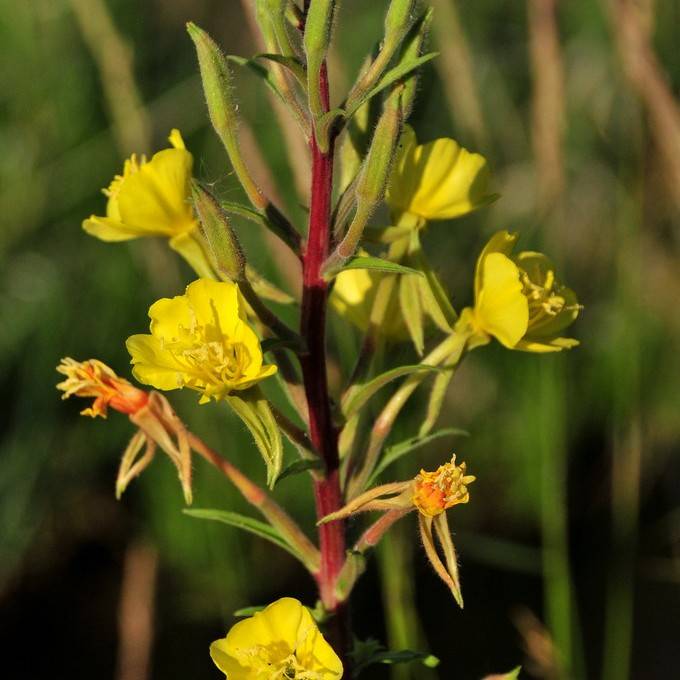
Dwarf Evening Primrose
Oenothera macrocarpa subsp. incana
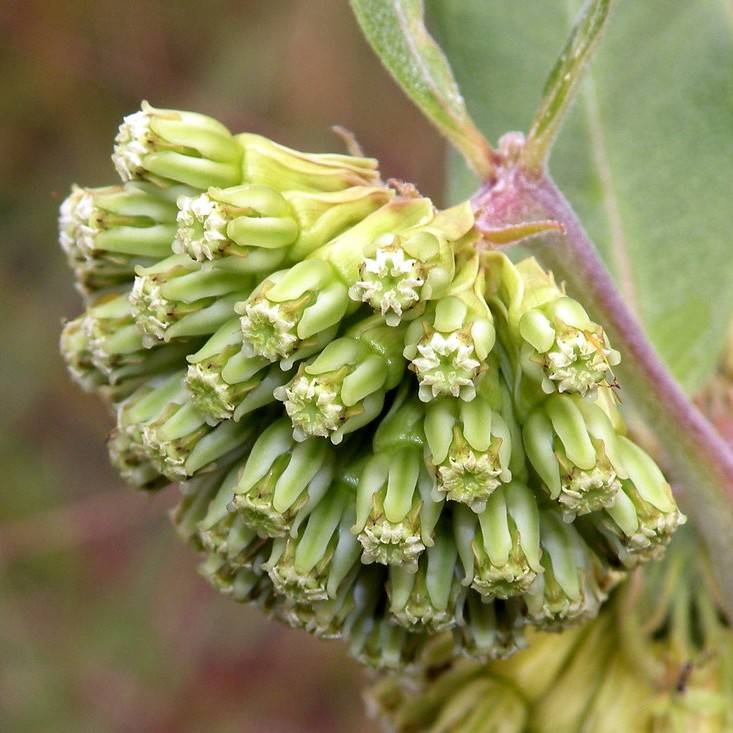
Green Comet Milkweed
Asclepias viridiflora
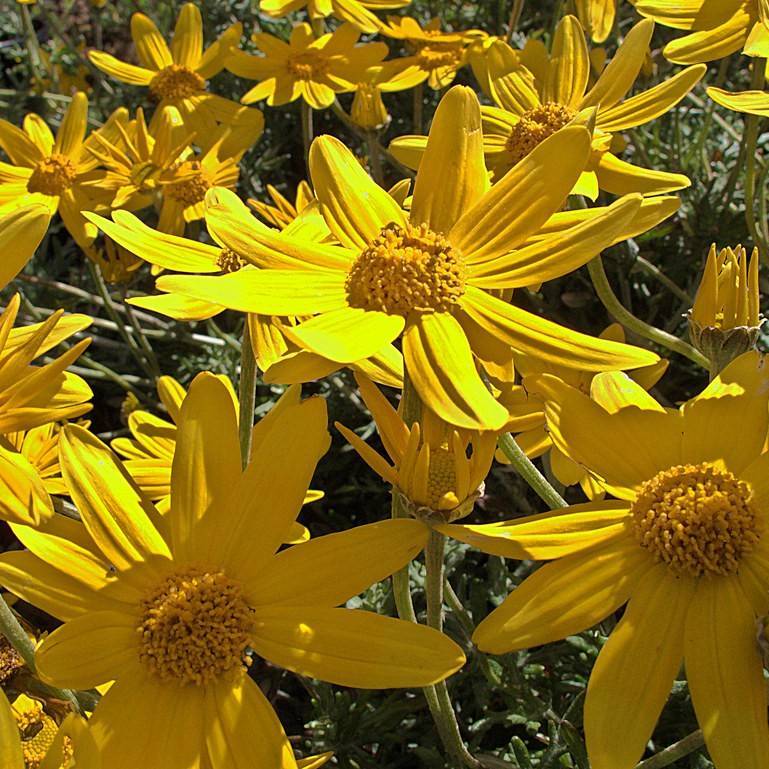
Common Woolly Sunflower
Eriophyllum lanatum
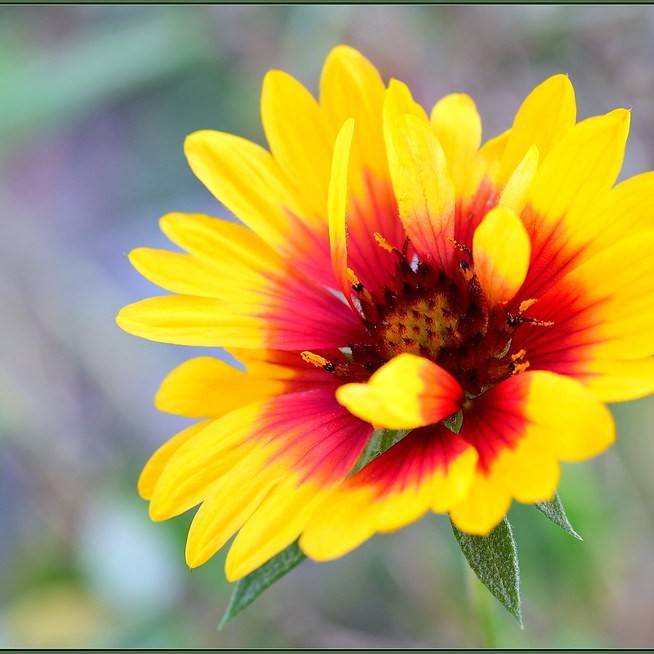
Blanket Flower
Gaillardia aristata
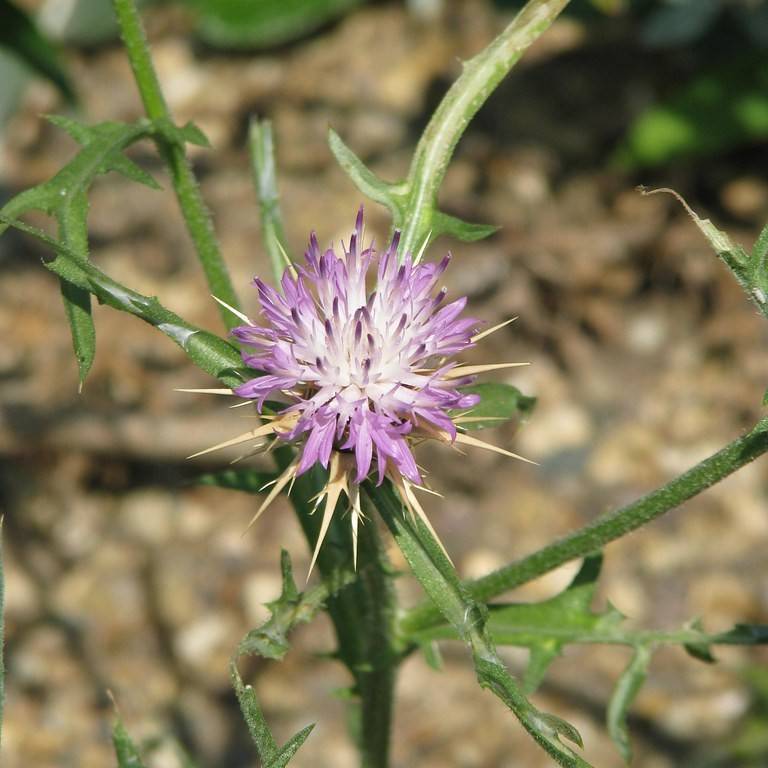
Big Head Purple Star Thistle
Centaurea macrocephala
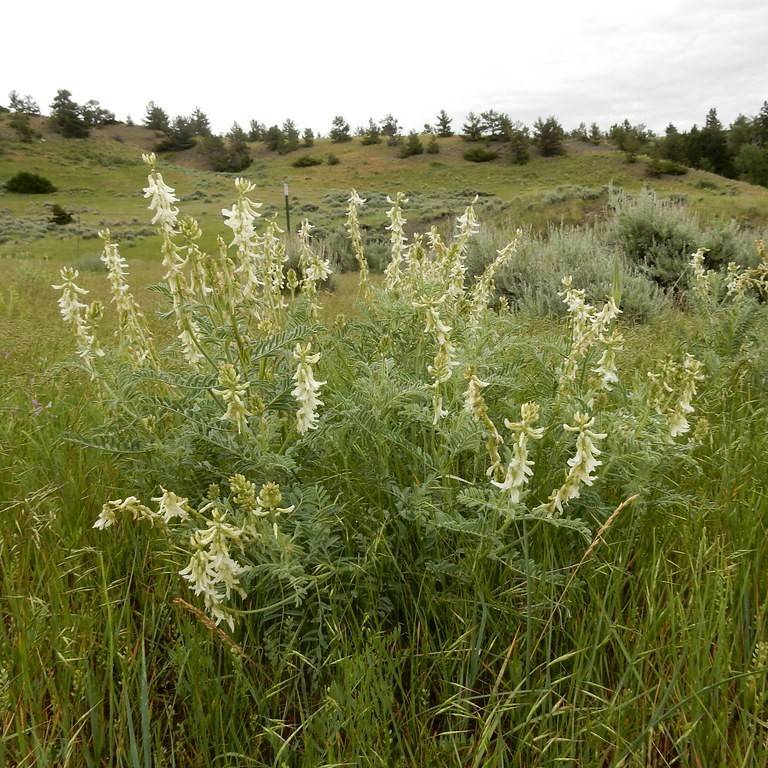
Drummond's Milk Vetch
Astragalus drummondii
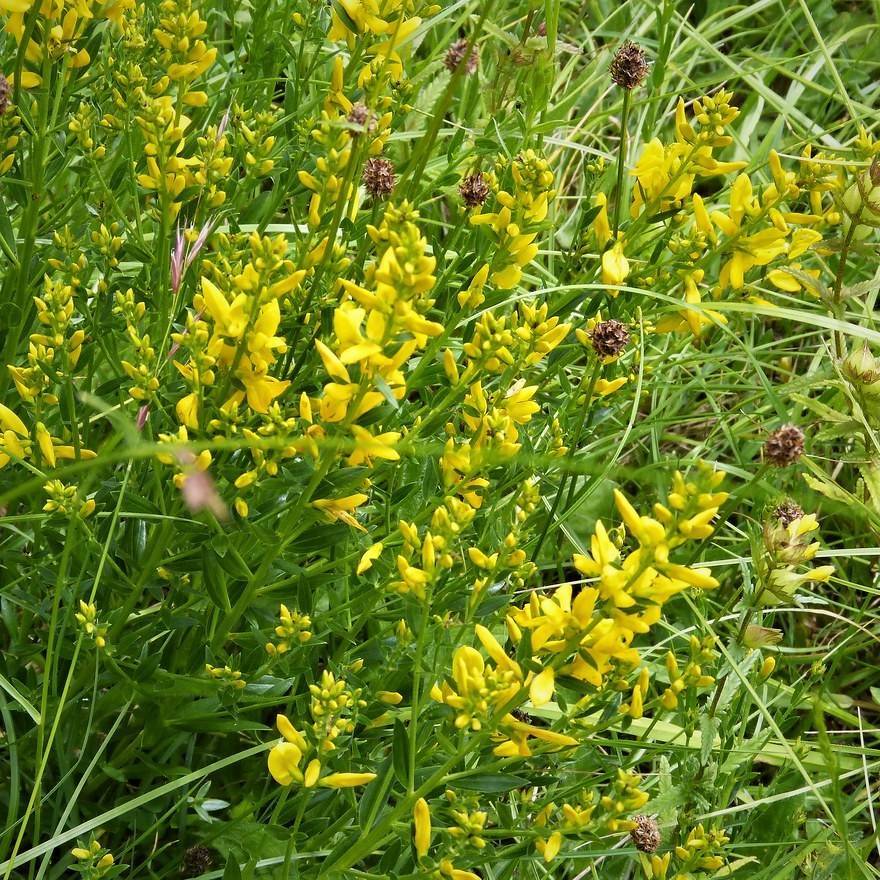
Dyer's Broom
Genista tinctoria
%22%2F%3E%0A%20%20%20%20%20%20%3Ccircle%20cx%3D%22920%22%20cy%3D%22180%22%20r%3D%2290%22%20fill%3D%22%23cfe8d5%22%2F%3E%0A%20%20%20%20%20%20%3Cpath%20d%3D%22M600%20590c-90-180-215-255-310-280%200%20165%20118%20296%20270%20296h40z%22%20fill%3D%22%2379b88e%22%2F%3E%0A%20%20%20%20%20%20%3Cpath%20d%3D%22M600%20590c80-150%20198-212%20302-228-8%20142-123%20255-270%20255h-32z%22%20fill%3D%22%235c9f73%22%2F%3E%0A%20%20%20%20%20%20%3Cpath%20d%3D%22M600%20610V360%22%20stroke%3D%22%234f8c64%22%20stroke-width%3D%2218%22%20stroke-linecap%3D%22round%22%2F%3E%0A%20%20%20%20%20%20%3Ctext%20x%3D%22600%22%20y%3D%22700%22%20text-anchor%3D%22middle%22%20font-family%3D%22Arial%2C%20sans-serif%22%20font-size%3D%2244%22%20fill%3D%22%23365c45%22%3E%0A%20%20%20%20%20%20%20%20Plant%20image%20coming%20soon%0A%20%20%20%20%20%20%3C%2Ftext%3E%0A%20%20%20%20%3C%2Fsvg%3E%0A%20%20)
Bent Flowered Milk Vetch
Astragalus flexuosus