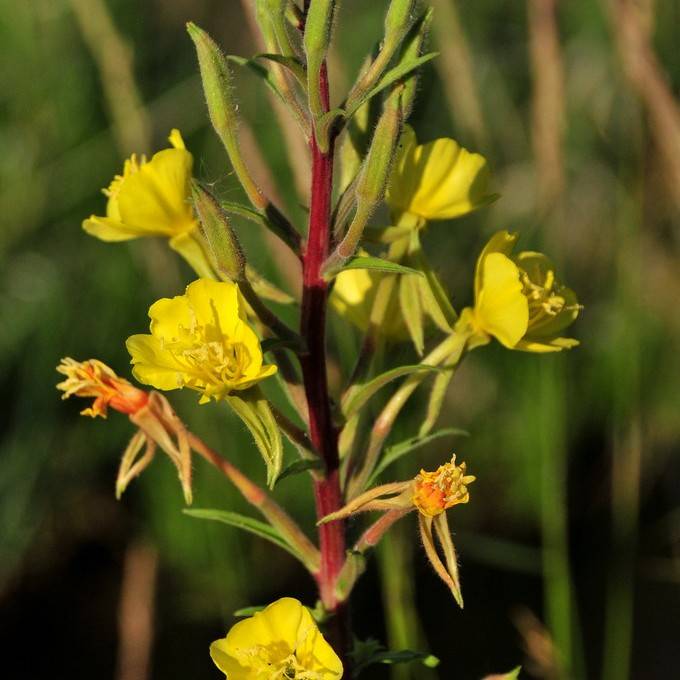
Dwarf Evening Primrose
Oenothera macrocarpa subsp. incana
Overview
Dwarf Evening Primrose is a compact, mat-forming subspecies of Missouri evening primrose valued for its neat habit and showy, cup-shaped yellow flowers that open at dusk, releasing a mild, sweet fragrance to attract nocturnal pollinators such as moths. Its soft, silvery-gray, fuzzy foliage forms a dense groundcover that stays attractive throughout the growing season, even when plants are not in bloom. Native to dry prairies and rocky slopes, it is exceptionally adapted to hot, arid conditions, making it a popular choice for xeriscaping and low-maintenance gardens.
Care Guide
Watering
Dwarf Evening Primrose is highly drought-tolerant once established, requiring only occasional deep watering during extended periods of extreme heat or no rainfall. Overwatering, especially in poorly drained soil, is the most common cause of plant decline, so allow the top several inches of soil to dry out completely between waterings. Reduce watering significantly in fall and winter to prevent root rot as the plant enters dormancy.
Light
This species thrives in full, direct sunlight, requiring a minimum of 6 hours of unobstructed sun per day to produce abundant blooms and maintain a compact, healthy growth habit. It can tolerate very light partial shade, but plants grown in shadier conditions will become leggy, produce fewer flowers, and be more prone to foliar diseases. For indoor cultivation, place it in a south-facing window or under grow lights that provide bright, full-spectrum light for 8+ hours daily.
Soil
Dwarf Evening Primrose requires sharply drained, low-fertility soil to thrive, with a preference for sandy, gravelly, or loamy substrates with a neutral to slightly alkaline pH. Heavy, clay-rich soils that hold moisture will quickly lead to root rot, so amend planting sites with coarse sand, perlite, or gravel to improve drainage if needed. It tolerates poor, rocky soils and nutrient-deficient conditions far better than rich, moisture-retentive garden soil.
Fertilizer
This plant is adapted to low-nutrient environments and rarely requires fertilizer, as excess nutrients will promote leggy growth and reduce flowering. If grown in extremely poor soil, apply a light dusting of balanced, slow-release fertilizer in early spring at half the recommended rate to support healthy growth. Avoid fertilizing after mid-summer, as this can stimulate tender new growth that is vulnerable to damage from early fall frosts.
Temperature
Dwarf Evening Primrose is extremely cold-hardy, tolerating winter temperatures down to -30°F (-34°C) in USDA hardiness zones 3 through 9. It thrives in hot, dry summer conditions, withstanding temperatures above 100°F (38°C) without stress as long as it is planted in well-drained soil. Mild, cool spring temperatures trigger new growth and the start of the blooming period, and the plant will die back to the ground after the first hard frost in fall.
Pruning
Pruning requirements are minimal for this low-maintenance plant; spent flowers can be deadheaded throughout the blooming season to encourage continuous flower production and prevent unwanted self-seeding if desired. In late fall or early spring, cut back any dead, brown foliage to the ground to make room for new, healthy growth emerging from the root crown. If plants become overly spread out or leggy, they can be trimmed back by up to one-third in early summer to maintain a compact, dense habit.
Propagation
Dwarf Evening Primrose is most easily propagated from seed, which can be sown directly outdoors in fall or stratified for 30 days and sown in spring after the last frost date. It can also be propagated by root cuttings taken in late winter while the plant is dormant, or by division of mature clumps in early spring before new growth begins. Plants often self-seed readily in ideal growing conditions, producing volunteer seedlings that can be transplanted to new locations in early spring.
Humidity
This species prefers low to moderate humidity levels, thriving in the dry air of its native prairie habitat. High humidity, especially when combined with wet soil or poor air circulation, can increase the risk of fungal foliar diseases such as powdery mildew or rust. For indoor cultivation, avoid placing plants near humidifiers or in steamy rooms such as bathrooms, and provide gentle air circulation to prevent excess moisture buildup on foliage.
Repotting
When grown in containers, Dwarf Evening Primrose only needs repotting every 2 to 3 years, or when roots begin to grow out of the drainage holes and the plant becomes root-bound. Repot in early spring before new growth emerges, using a cactus or succulent potting mix amended with extra perlite or coarse sand to ensure excellent drainage. Choose a pot with multiple drainage holes that is only 1 to 2 inches larger in diameter than the current container to avoid excess soil moisture buildup.
Uses & Symbolism
Dwarf Evening Primrose is widely used in xeriscaping, rock gardens, border edges, and as a drought-tolerant groundcover for dry, sunny areas where other plants struggle to thrive. Its fragrant evening blooms make it a popular addition to moon gardens and pollinator gardens, attracting nocturnal moths, native bees, and hummingbirds that feed on its nectar. Historically, various Indigenous peoples of the Great Plains used parts of the plant for medicinal purposes to treat minor ailments such as sore throats and skin irritations.
Diseases & Pests
Dwarf Evening Primrose is relatively pest and disease resistant when grown in ideal conditions, but overwatering and poor drainage frequently lead to root rot, the most common issue affecting this species. In high humidity or crowded growing conditions, it may develop fungal diseases such as powdery mildew, leaf spot, or rust, which can be managed by improving air circulation and avoiding overhead watering. Occasional pests include aphids, spider mites, and flea beetles, which can be controlled with insecticidal soap or neem oil applications if infestations become severe.
Related plants
Other plants you might like if you grow Dwarf Evening Primrose.
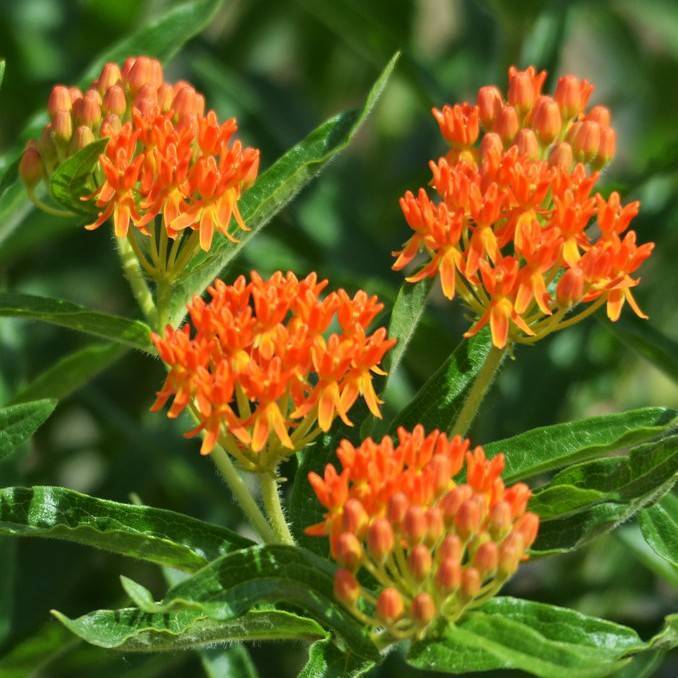
Butterfly Milkweed
Asclepias tuberosa
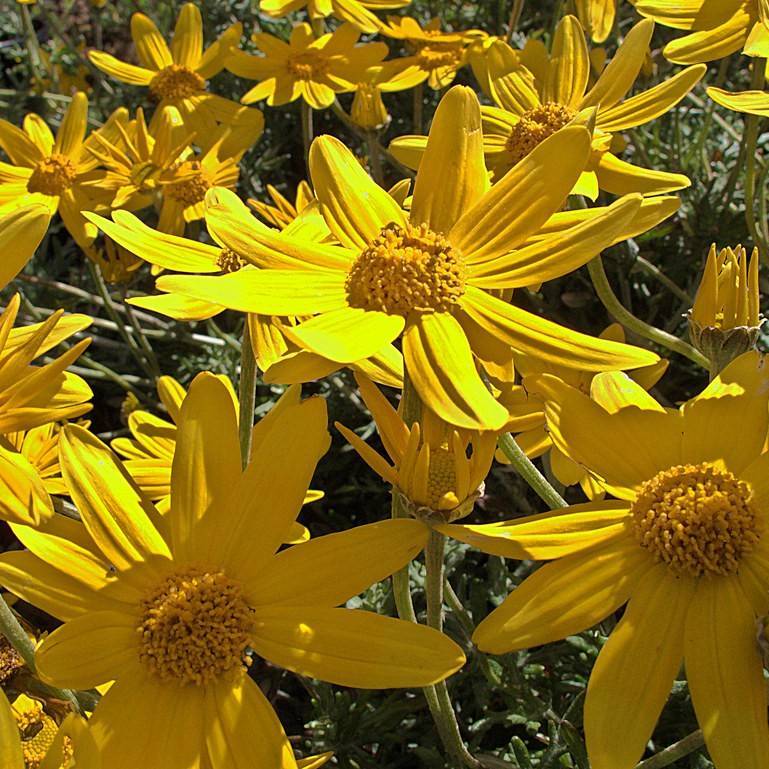
Common Woolly Sunflower
Eriophyllum lanatum
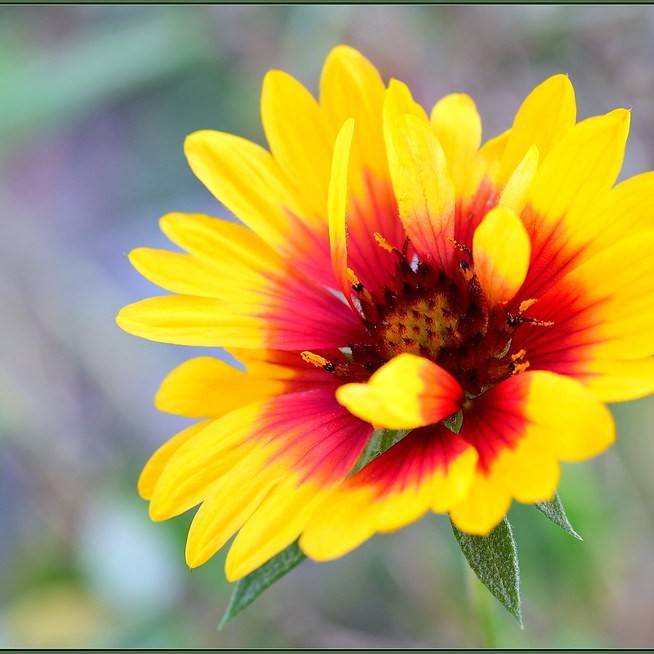
Blanket Flower
Gaillardia aristata
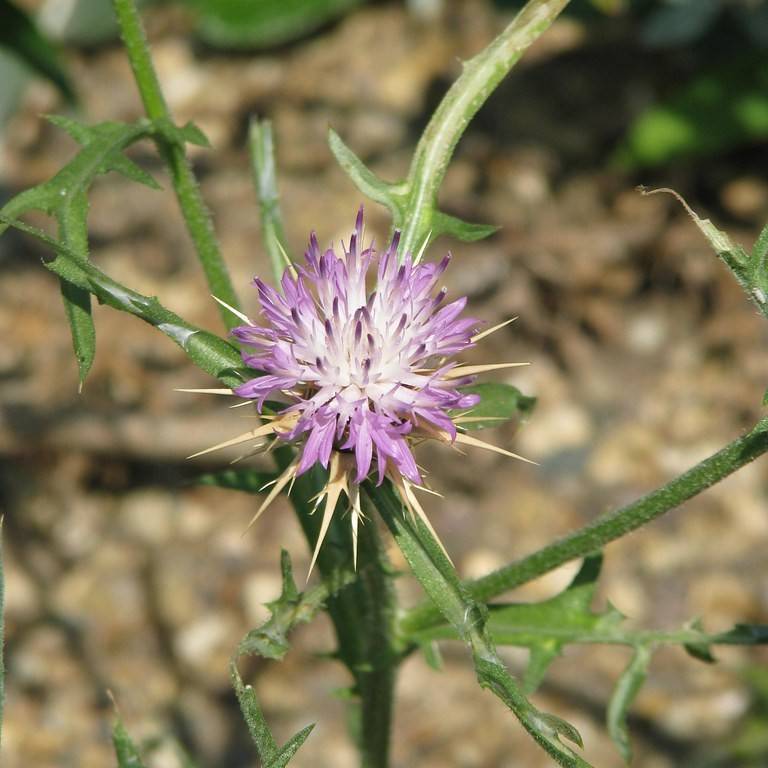
Big Head Purple Star Thistle
Centaurea macrocephala
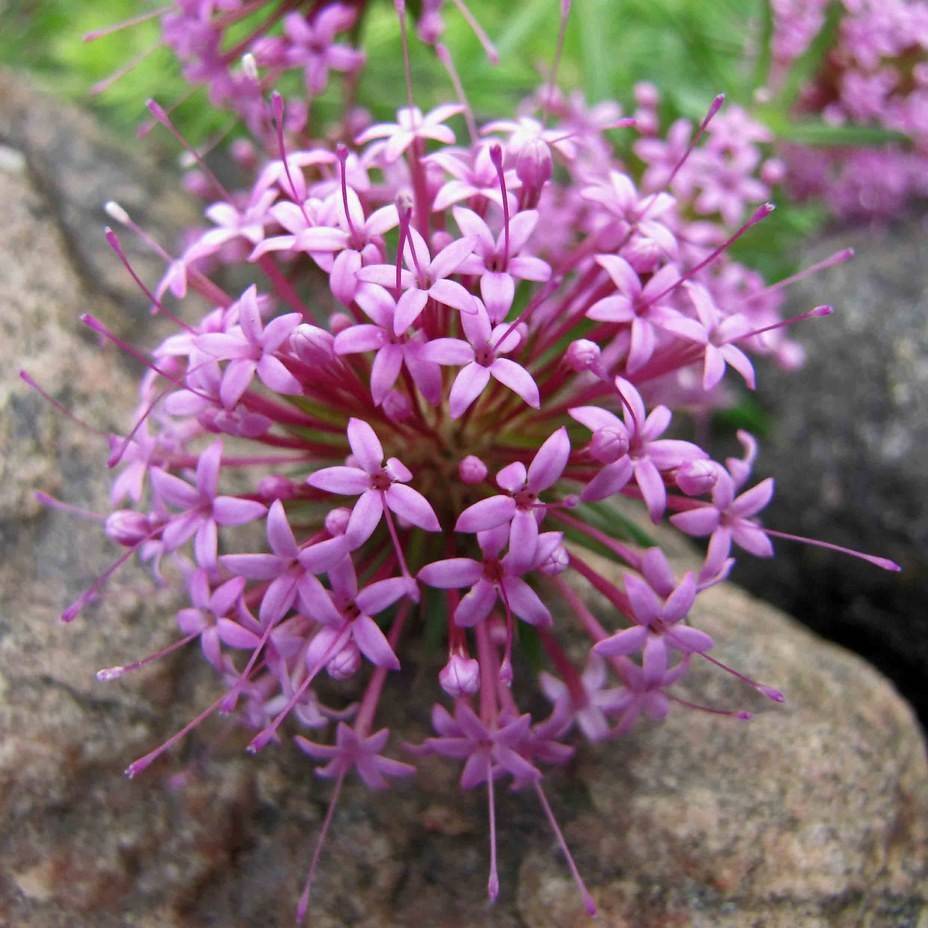
Caucasian Crosswort
Phuopsis stylosa
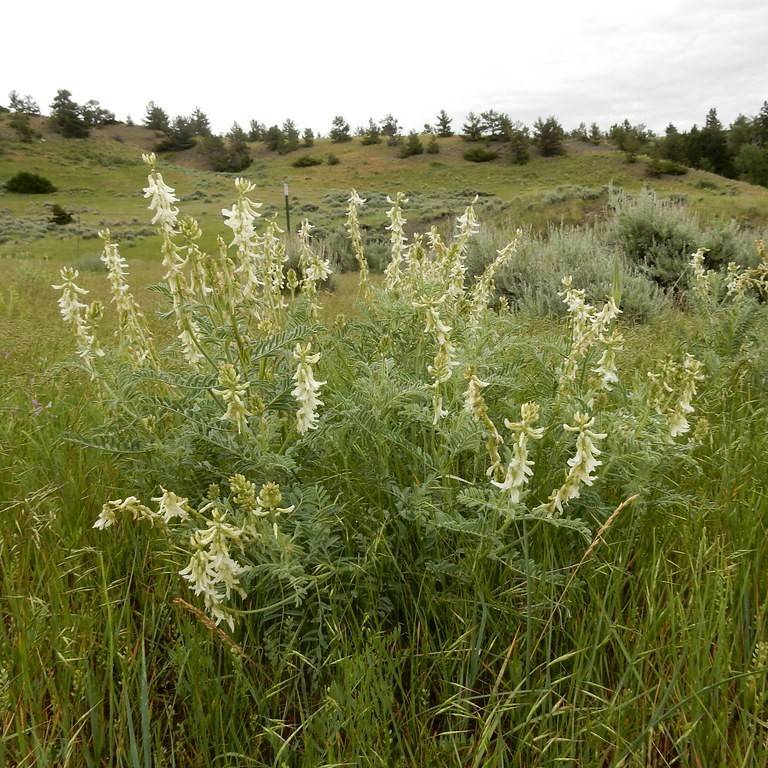
Drummond's Milk Vetch
Astragalus drummondii
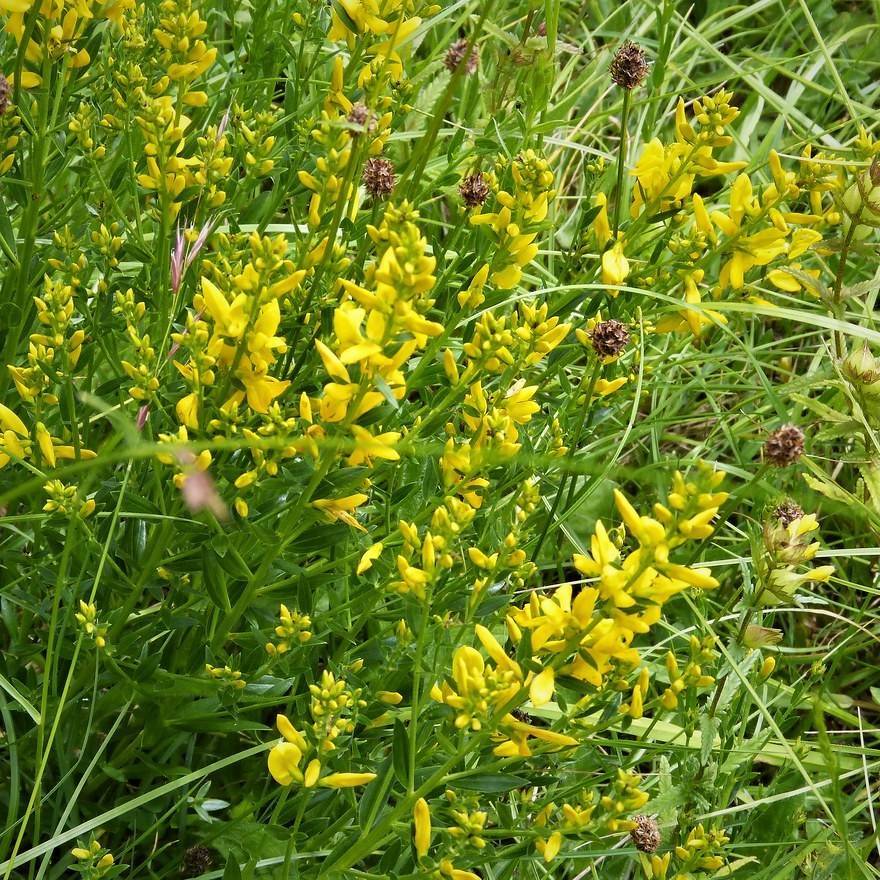
Dyer's Broom
Genista tinctoria
%22%2F%3E%0A%20%20%20%20%20%20%3Ccircle%20cx%3D%22920%22%20cy%3D%22180%22%20r%3D%2290%22%20fill%3D%22%23cfe8d5%22%2F%3E%0A%20%20%20%20%20%20%3Cpath%20d%3D%22M600%20590c-90-180-215-255-310-280%200%20165%20118%20296%20270%20296h40z%22%20fill%3D%22%2379b88e%22%2F%3E%0A%20%20%20%20%20%20%3Cpath%20d%3D%22M600%20590c80-150%20198-212%20302-228-8%20142-123%20255-270%20255h-32z%22%20fill%3D%22%235c9f73%22%2F%3E%0A%20%20%20%20%20%20%3Cpath%20d%3D%22M600%20610V360%22%20stroke%3D%22%234f8c64%22%20stroke-width%3D%2218%22%20stroke-linecap%3D%22round%22%2F%3E%0A%20%20%20%20%20%20%3Ctext%20x%3D%22600%22%20y%3D%22700%22%20text-anchor%3D%22middle%22%20font-family%3D%22Arial%2C%20sans-serif%22%20font-size%3D%2244%22%20fill%3D%22%23365c45%22%3E%0A%20%20%20%20%20%20%20%20Plant%20image%20coming%20soon%0A%20%20%20%20%20%20%3C%2Ftext%3E%0A%20%20%20%20%3C%2Fsvg%3E%0A%20%20)
Bent Flowered Milk Vetch
Astragalus flexuosus