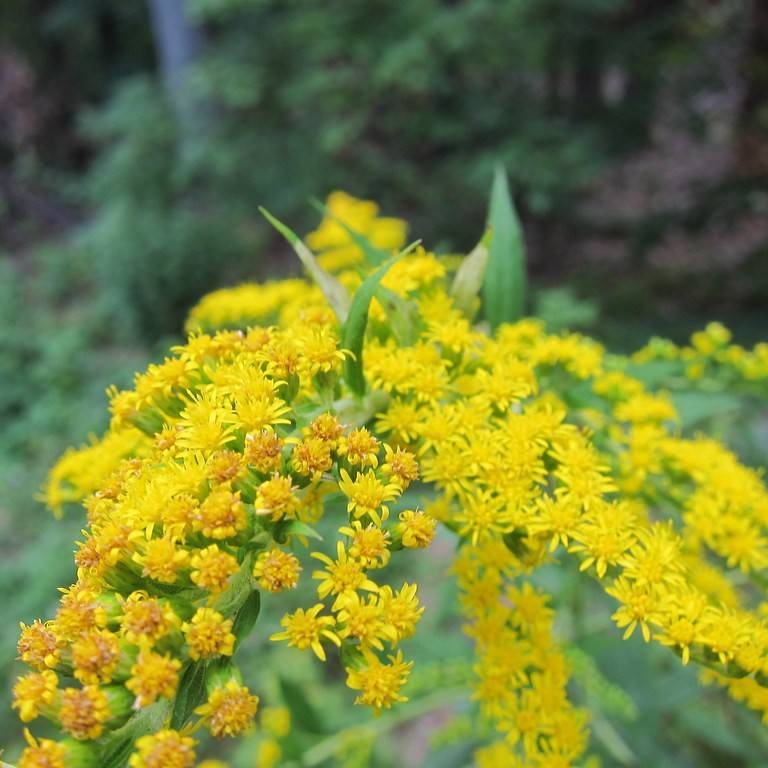
Early Goldenrod
Solidago juncea
Overview
Early goldenrod is a drought-tolerant native wildflower distinguished by its arching, feathery plumes of tiny, bright yellow composite flowers that emerge 2-3 weeks before most other goldenrod species, typically from July to August. It forms dense, upright clumps from creeping rhizomes, with narrow, toothed basal leaves that taper as they ascend the smooth, reddish stems. Adapted to a wide range of open habitats, it supports a diversity of native pollinators, including bees, butterflies, and beneficial predatory insects.
Care Guide
Watering
Water newly planted early goldenrod regularly to keep soil evenly moist for the first growing season until roots are established. Once mature, it is highly drought-tolerant, requiring only occasional supplemental water during extended periods of extreme heat or drought, as overwatering can lead to root rot. Avoid overhead watering to reduce the risk of foliar diseases.
Light
Early goldenrod thrives in full sun, requiring a minimum of 6 hours of direct, unfiltered sunlight daily to produce the most abundant flower displays and maintain sturdy, upright stems. It can tolerate partial shade, but plants grown in shadier conditions will become leggy, produce fewer flowers, and may require staking to prevent flopping.
Soil
This adaptable species grows well in a wide range of soil types, including poor, dry, sandy, or rocky soils, as long as the site has excellent drainage. It prefers a neutral to slightly acidic soil pH between 6.0 and 7.5, but can tolerate mildly alkaline conditions. Heavy, waterlogged soils will cause root rot, so amend compacted sites with sand or compost to improve drainage before planting.
Fertilizer
Early goldenrod rarely requires fertilizer, as it is adapted to low-nutrient soils and excessive feeding will cause overly lush, leggy growth that is prone to flopping. If grown in extremely poor, nutrient-depleted soil, apply a balanced, slow-release 10-10-10 fertilizer at half the recommended rate once in early spring as new growth emerges. Avoid high-nitrogen fertilizers entirely, as they will prioritize foliage growth over flower production.
Temperature
It is extremely cold-hardy, thriving in USDA hardiness zones 3 through 8, tolerating winter temperatures as low as -40°F (-40°C) without protection. It adapts well to summer heat up to 95°F (35°C) as long as it has sufficient root drainage, though extended periods of high heat combined with drought may cause leaf scorch at the edges. Winter dormancy is triggered by consistently cold temperatures, with top growth dying back completely to the ground in late fall.
Pruning
Prune back dead, dormant stems to 2-3 inches above the soil line in late winter or early spring before new growth emerges to improve air circulation and reduce overwintering pest and disease spores. Pinch back the top 1-2 inches of stem tips in late spring when plants are 12-18 inches tall to encourage bushier growth, more flower stems, and reduce the need for staking. Deadhead spent flower plumes after blooming if you wish to prevent self-seeding, though leaving seed heads intact provides food for songbirds through the fall and winter.
Propagation
Early goldenrod is most easily propagated by division of mature clumps in early spring just as new growth emerges, or in late fall after flowering has finished, digging up the rhizomatous root mass and splitting it into sections with at least 2-3 growing points each. It can also be grown from seed, sown directly outdoors in late fall to allow natural cold stratification over winter, or started indoors 6-8 weeks before the last frost after 4 weeks of cold stratification in a refrigerator. Root cuttings taken in late winter from dormant rhizomes will also root reliably when planted in moist, well-draining potting mix kept in bright indirect light.
Humidity
This species tolerates a wide range of humidity levels, from dry continental climates to moderately humid eastern North American conditions, with no specific humidity requirements. Average ambient humidity between 30% and 60% is ideal, though it can handle higher humidity as long as there is good air circulation around the foliage to prevent fungal diseases. Avoid planting in enclosed, stagnant, high-humidity sites where leaves will stay wet for extended periods.
Repotting
When grown in containers, repot early goldenrod every 2-3 years in early spring before new growth begins, selecting a pot that is 2-3 inches wider than the previous container to accommodate rhizome spread. Use a well-draining, sandy potting mix amended with perlite or coarse sand to prevent waterlogging, and ensure the container has adequate drainage holes. Divide overgrown clumps at repotting time to keep plants vigorous and prevent them from becoming root-bound.
Uses & Symbolism
Early goldenrod is widely planted in native pollinator gardens, meadow restorations, and rain gardens to support bees, butterflies, and beneficial insects, while its deep rhizomatous root system helps control soil erosion on slopes and disturbed sites. Its long-lasting, bright yellow flower plumes are popular in cut flower arrangements, both fresh and dried, and the dried seed heads provide winter forage for native songbirds including finches and sparrows. Historically, Indigenous communities used various parts of the plant for medicinal purposes to treat sore throats, fevers, and urinary tract ailments.
Diseases & Pests
Early goldenrod is relatively pest and disease resistant, though it can occasionally be affected by foliar fungal diseases including powdery mildew, leaf spot, and rust, which are most common in shadier, poorly ventilated sites with high humidity or extended leaf wetness. Common pests include aphids, leaf miners, and goldenrod gall flies, which form distinctive round galls on stems; galls rarely cause serious harm to the plant and can be removed and discarded if desired for aesthetic purposes. Overwatering or planting in poorly drained soils will lead to root rot, which is the most common cause of plant death in cultivated specimens.
Related plants
Other plants you might like if you grow Early Goldenrod.
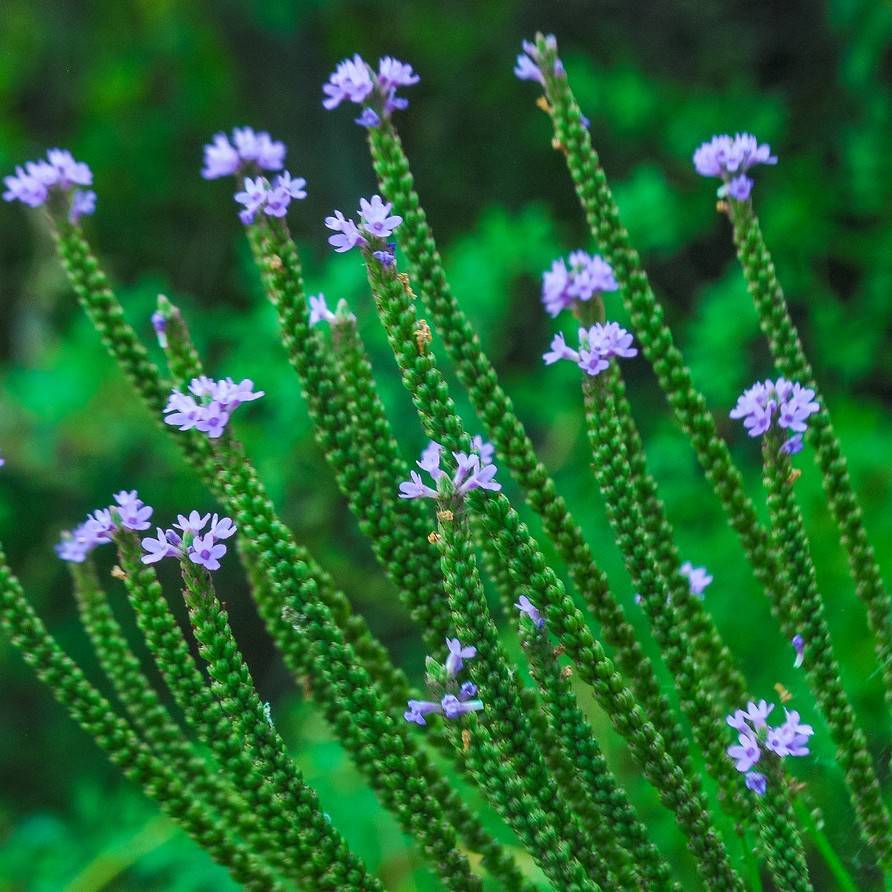
Hoary Vervain
Verbena stricta
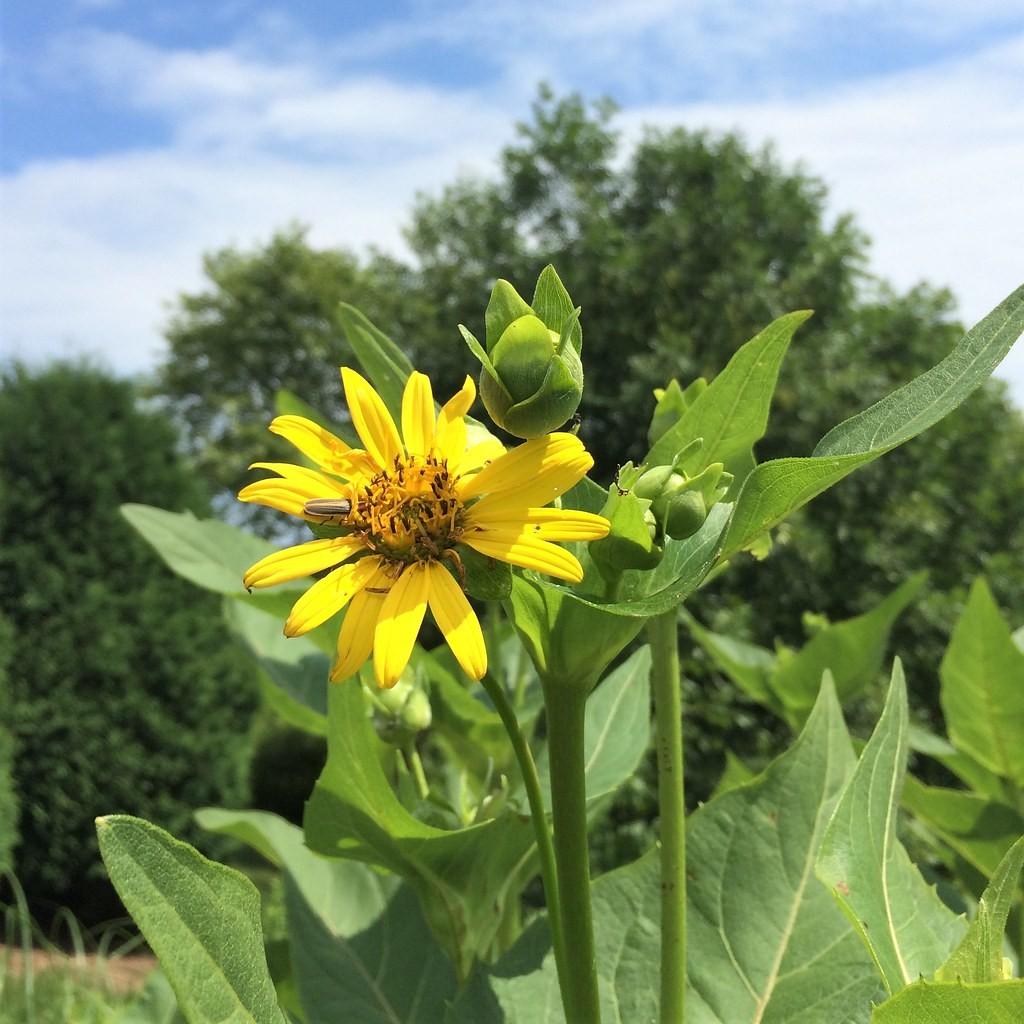
Compass Plant
Silphium laciniatum
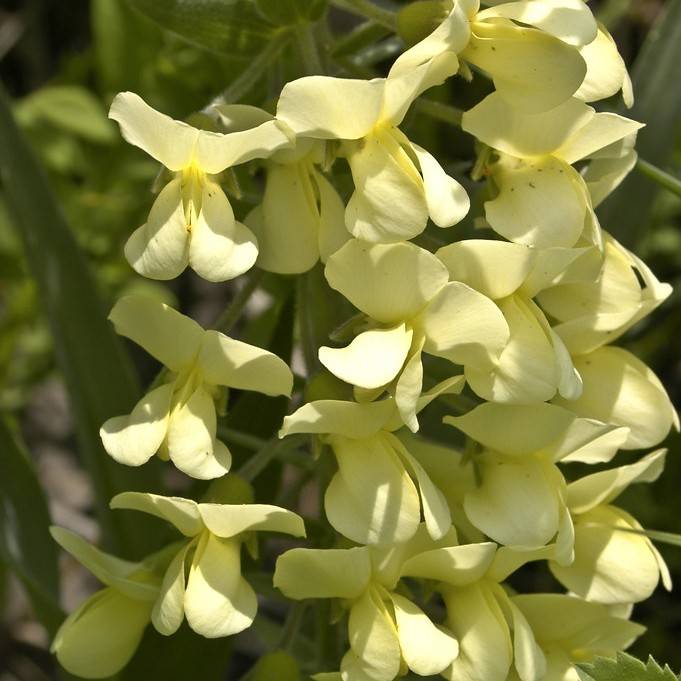
Cream Wild Indigo
Baptisia bracteata
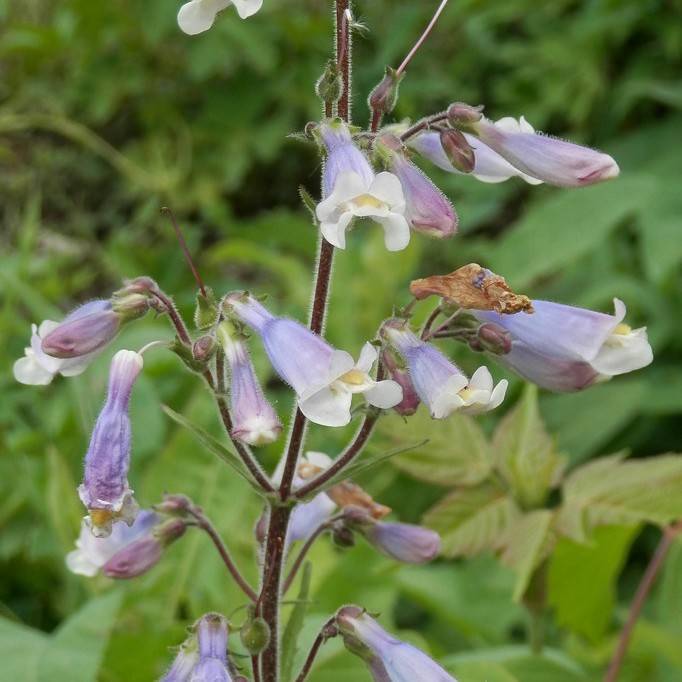
Hairy Beardtongue
Penstemon hirsutus
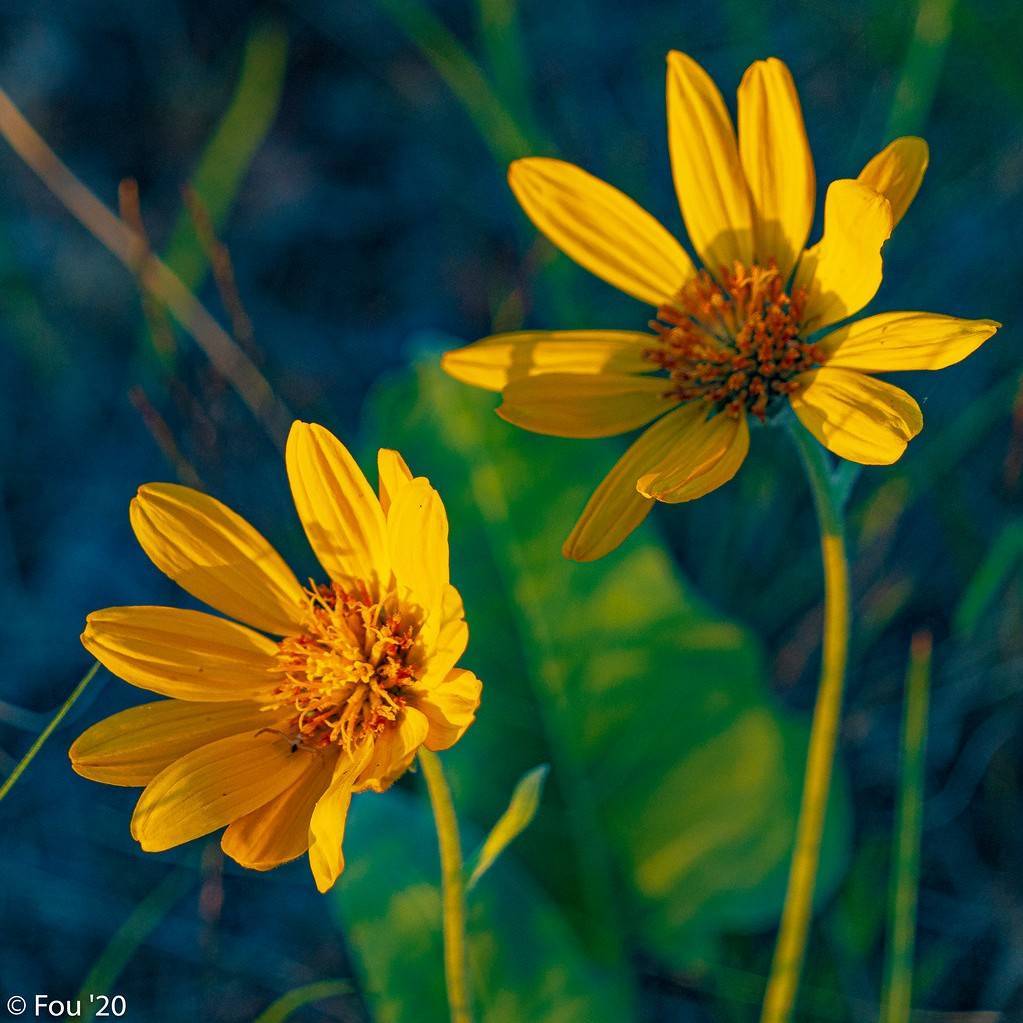
Hooker's Balsamroot
Balsamorhiza hookeri
%22%2F%3E%0A%20%20%20%20%20%20%3Ccircle%20cx%3D%22920%22%20cy%3D%22180%22%20r%3D%2290%22%20fill%3D%22%23cfe8d5%22%2F%3E%0A%20%20%20%20%20%20%3Cpath%20d%3D%22M600%20590c-90-180-215-255-310-280%200%20165%20118%20296%20270%20296h40z%22%20fill%3D%22%2379b88e%22%2F%3E%0A%20%20%20%20%20%20%3Cpath%20d%3D%22M600%20590c80-150%20198-212%20302-228-8%20142-123%20255-270%20255h-32z%22%20fill%3D%22%235c9f73%22%2F%3E%0A%20%20%20%20%20%20%3Cpath%20d%3D%22M600%20610V360%22%20stroke%3D%22%234f8c64%22%20stroke-width%3D%2218%22%20stroke-linecap%3D%22round%22%2F%3E%0A%20%20%20%20%20%20%3Ctext%20x%3D%22600%22%20y%3D%22700%22%20text-anchor%3D%22middle%22%20font-family%3D%22Arial%2C%20sans-serif%22%20font-size%3D%2244%22%20fill%3D%22%23365c45%22%3E%0A%20%20%20%20%20%20%20%20Plant%20image%20coming%20soon%0A%20%20%20%20%20%20%3C%2Ftext%3E%0A%20%20%20%20%3C%2Fsvg%3E%0A%20%20)
Least Bladdery Milk Vetch
Astragalus leptocarpus
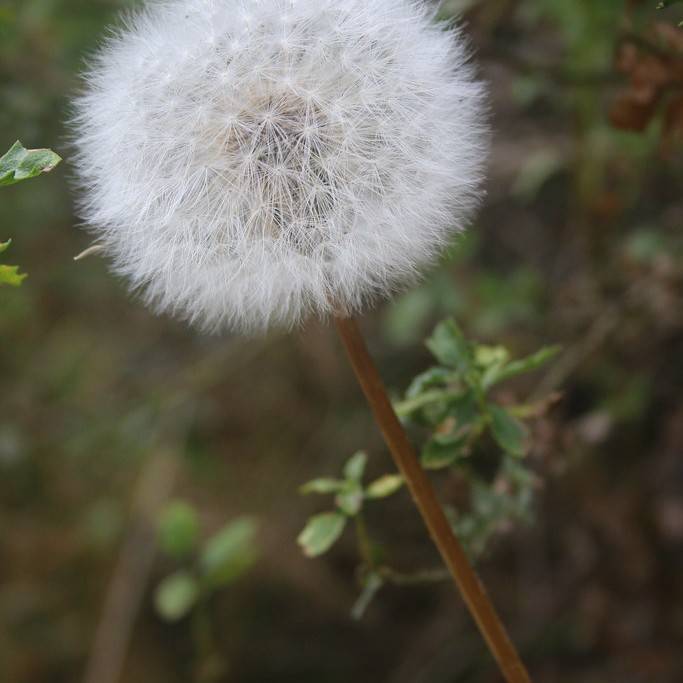
Large Flowered Agoseris
Agoseris grandiflora
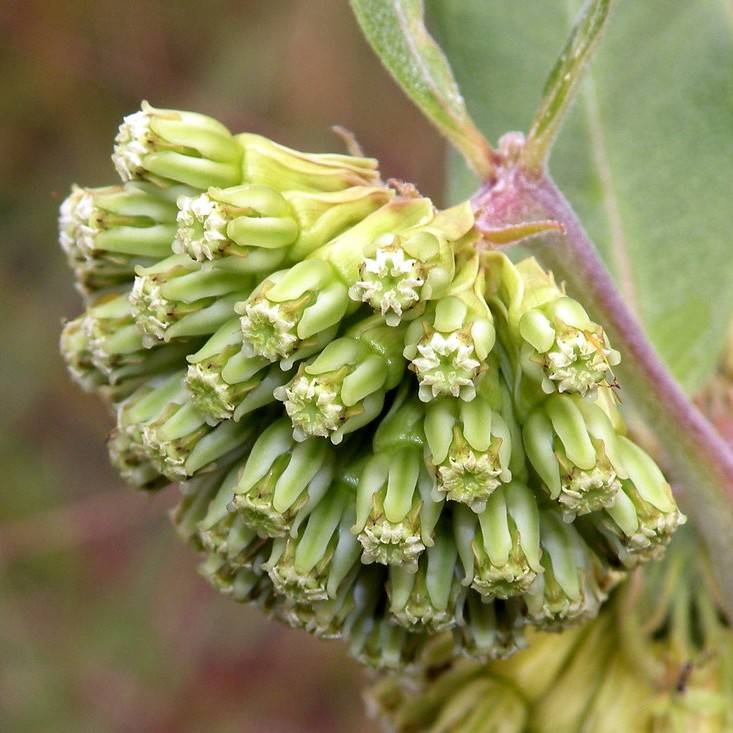
Green Comet Milkweed
Asclepias viridiflora