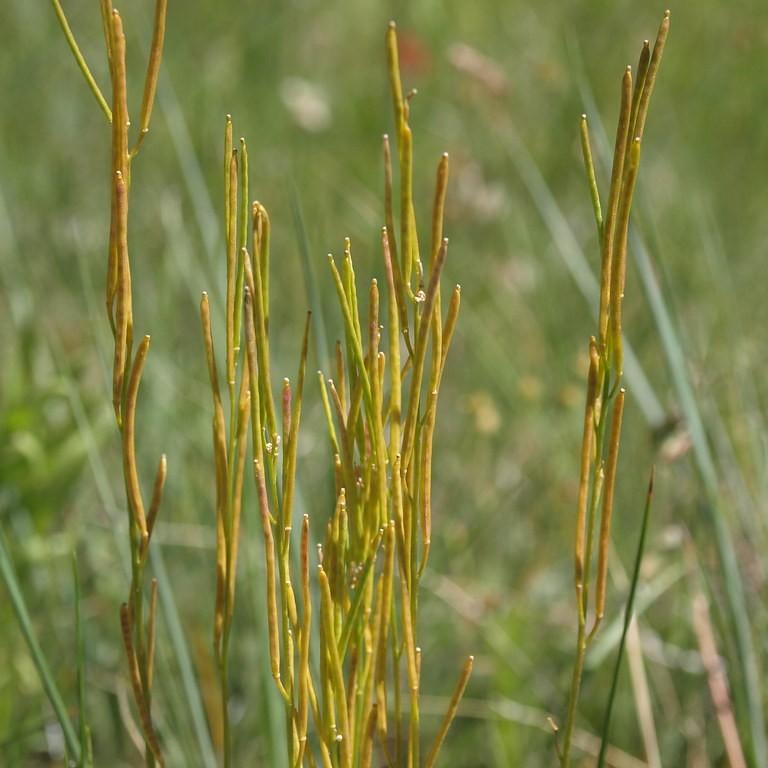
Eschscholtz's Rockcress
Boechera eschscholtziana
Overview
Eschscholtz's Rockcress is a hardy herbaceous perennial native to open rocky slopes, coastal bluffs, and dry montane habitats across the Pacific Northwest. It forms a low rosette of fuzzy, gray-green basal leaves, sending up slender, upright flowering stalks in early to mid-spring. Adapted to harsh, well-drained conditions, it is a popular choice for xeriscaping, rock gardens, and native plant landscaping, supporting local pollinators including native bees and butterflies.
Care Guide
Watering
Eschscholtz's Rockcress is highly drought-tolerant once established, requiring only occasional deep watering during prolonged dry spells. Overwatering, especially in heavy or poorly draining soil, will quickly lead to root rot, so allow the soil to dry out completely between waterings. Young plants need slightly more frequent, light watering to encourage root development for the first 1-2 growing seasons.
Light
This species thrives in full sun, requiring a minimum of 6 hours of direct sunlight daily to produce abundant flowers and maintain a compact growth habit. It can tolerate light partial shade, particularly in hotter southern portions of its range, but too much shade will cause leggy growth and reduced flowering. Indoor cultivation is not recommended unless a very bright, south-facing window or supplemental grow light is provided.
Soil
Eschscholtz's Rockcress requires sharply drained, low-fertility soil with a neutral to slightly alkaline pH to thrive. It is well-adapted to rocky, sandy, or gravelly soils, and will not survive in heavy clay or consistently moist, humus-rich substrates. Amend garden soil with coarse sand or crushed gravel before planting to improve drainage if necessary.
Fertilizer
This low-maintenance plant does not require regular fertilization, as it is adapted to nutrient-poor rocky soils. Excess nitrogen from fertilizer will encourage soft, leggy foliage growth at the expense of flowers and may reduce its drought tolerance. A very light application of balanced, slow-release fertilizer in early spring is only needed for plants grown in extremely poor, sandy soils.
Temperature
Eschscholtz's Rockcress is cold-hardy to USDA zones 4 through 8, tolerating winter temperatures as low as -30°F (-34°C) when established. It prefers cool spring and fall growing conditions, and may go dormant in the hottest, driest weeks of mid-summer in regions with intense heat. Prolonged temperatures above 90°F (32°C) combined with high humidity can cause stress and increase disease risk.
Pruning
Prune back spent flowering stalks to the base of the rosette after blooming finishes to encourage neat, compact growth and prevent unwanted self-seeding if desired. Remove any yellowed or damaged basal leaves in late winter to make room for new spring growth and improve air circulation around the plant. Severe pruning is not required, as the plant naturally maintains a low, mounding form.
Propagation
Eschscholtz's Rockcress is most easily propagated from seed, which can be sown directly outdoors in fall or cold-stratified for 30 days and sown in early spring. It can also be propagated from basal stem cuttings taken in late spring after flowering has finished, rooted in well-drained sandy medium under bright, indirect light. The plant self-seeds readily in ideal growing conditions, with volunteer seedlings easily transplanted when small.
Humidity
This species prefers low to moderate humidity levels, typical of its native dry rocky and coastal habitats. High humidity, especially combined with warm temperatures and poor air circulation, increases the risk of foliar fungal diseases such as powdery mildew and downy mildew. Avoid overhead watering and space plants adequately to promote air flow and reduce moisture buildup around the foliage.
Repotting
Eschscholtz's Rockcress is rarely grown in containers, but if planted in a rock garden pot or trough, repot only when the plant has completely outgrown its container and roots are emerging from the drainage holes. Repot in late winter before new growth begins, using a sharply draining cactus or rock garden soil mix with added coarse sand or gravel. Ensure the container has ample drainage holes to prevent waterlogging, which is fatal to this species.
Uses & Symbolism
Eschscholtz's Rockcress is a staple in xeriscape, rock garden, and native plant landscaping, where its low mounding form and spring blooms provide ground cover on dry, rocky slopes and poor soils that support few other plants. Its early spring flowers are an important nectar source for native solitary bees, mason bees, and early emerging butterfly species, making it a valuable addition to pollinator gardens in western North America. It is also occasionally used in green roof plantings, as its shallow root system and drought tolerance suit the thin, well-drained substrate of green roof systems.
Diseases & Pests
The most common disease affecting Eschscholtz's Rockcress is root rot, caused by overwatering or planting in heavy, poorly draining soil. Fungal foliar diseases including powdery mildew, downy mildew, and white rust may occur in conditions of high humidity, poor air circulation, or frequent overhead watering. Common pests include aphids and flea beetles, which may feed on young foliage, though infestations are rarely severe and can be controlled with insecticidal soap or neem oil if necessary.
Related plants
Other plants you might like if you grow Eschscholtz's Rockcress.
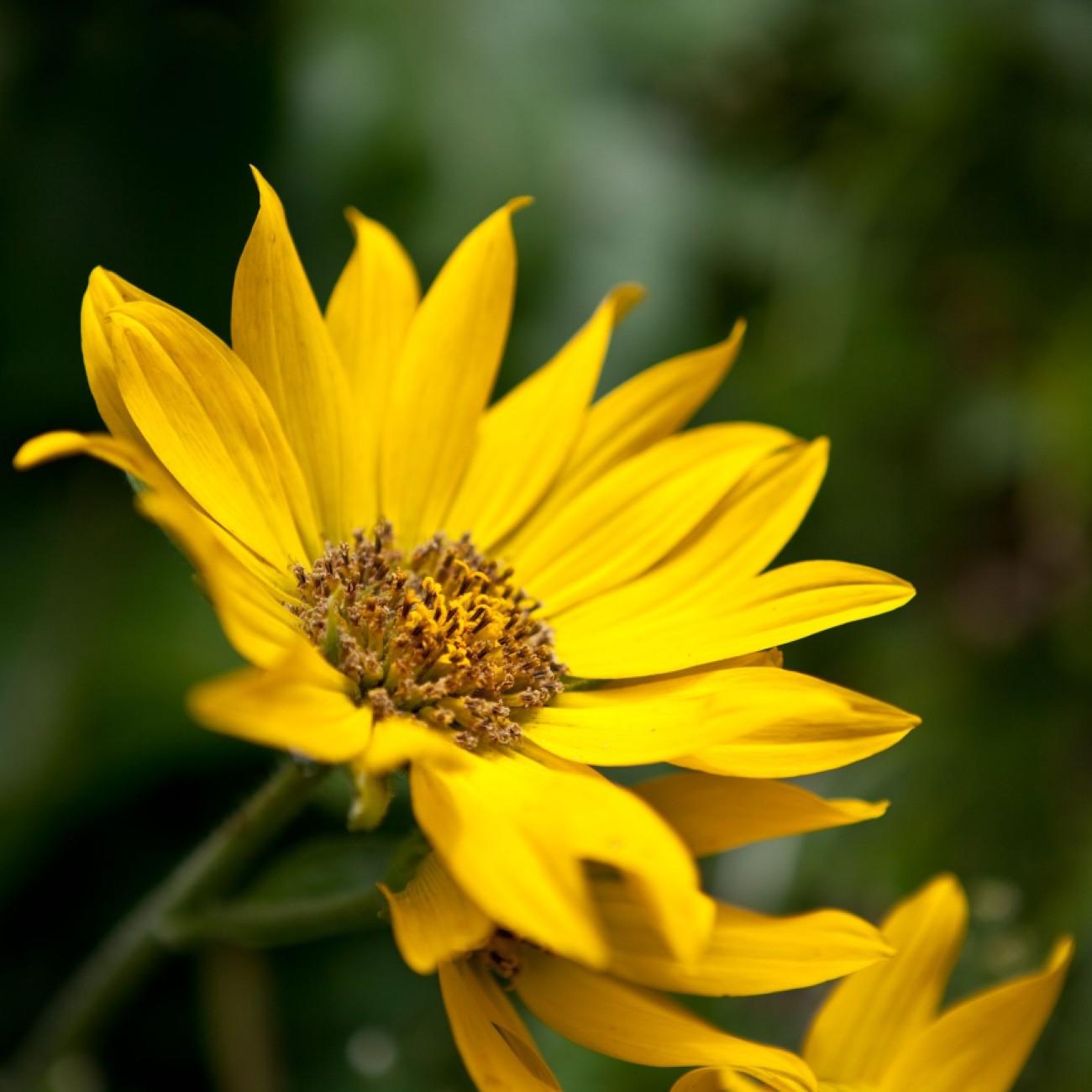
Deltoid Balsamroot
Balsamorhiza deltoidea
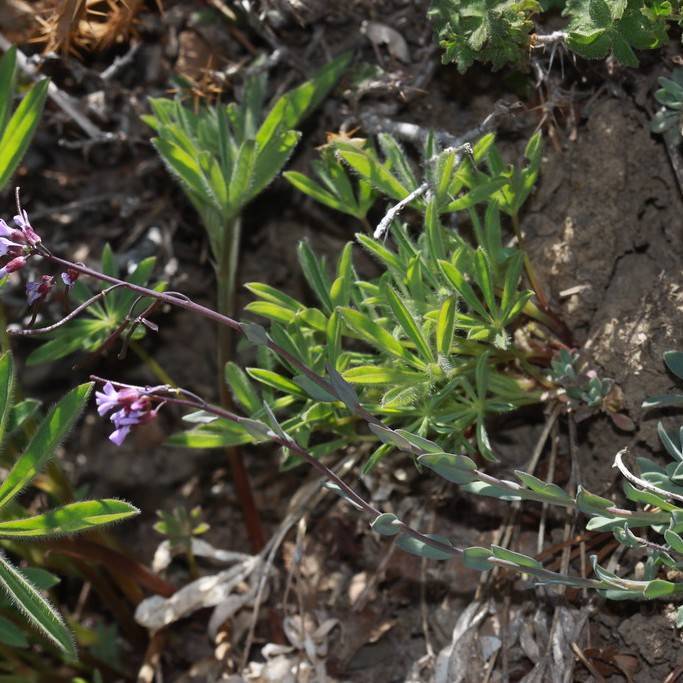
Lemmon's Rockcress
Boechera lemmonii
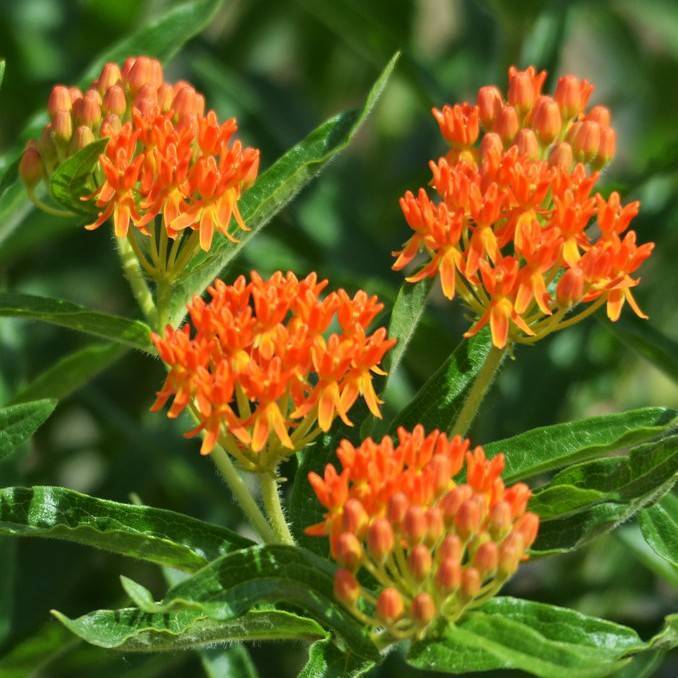
Butterfly Milkweed
Asclepias tuberosa
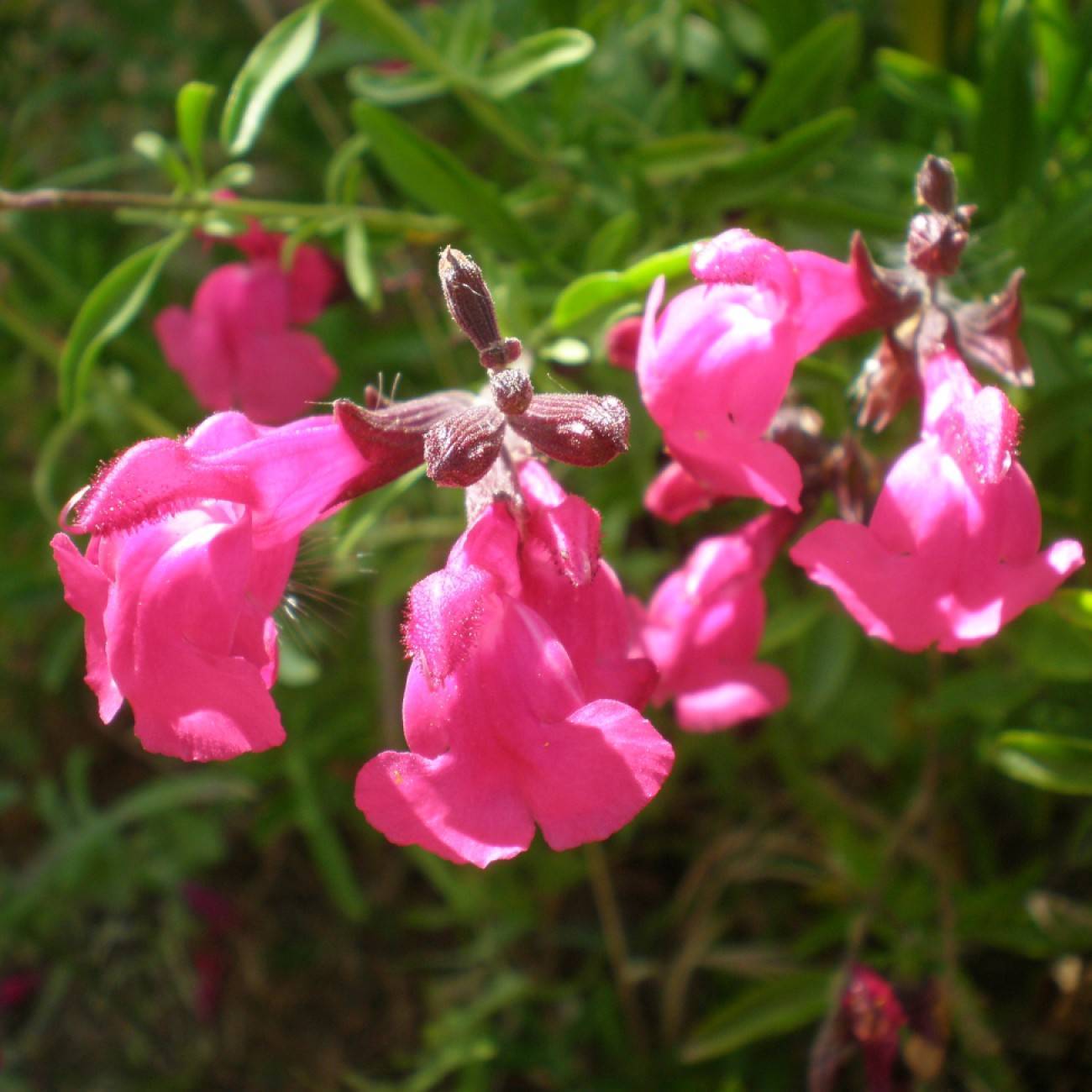
Autumn Sage
Salvia greggii
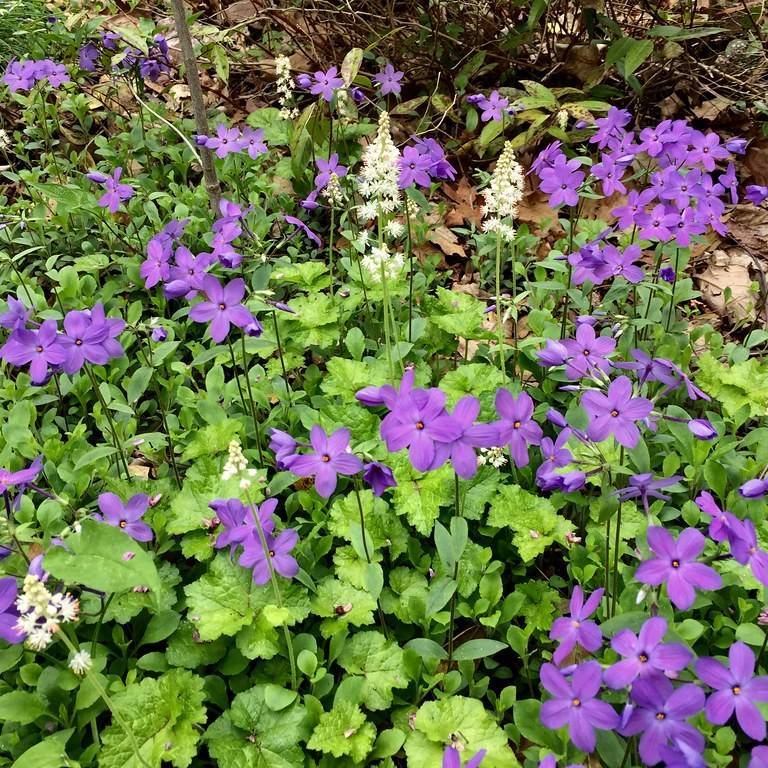
Creeping Phlox
Phlox subulata
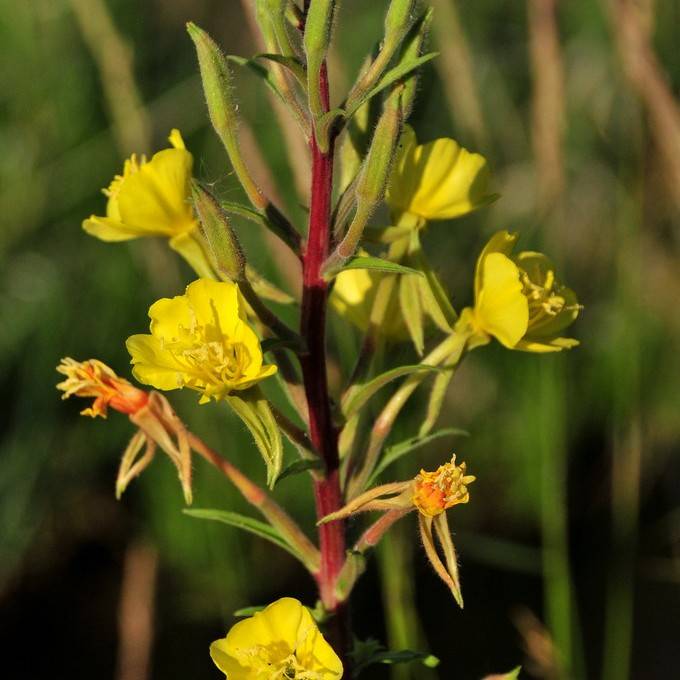
Dwarf Evening Primrose
Oenothera macrocarpa subsp. incana
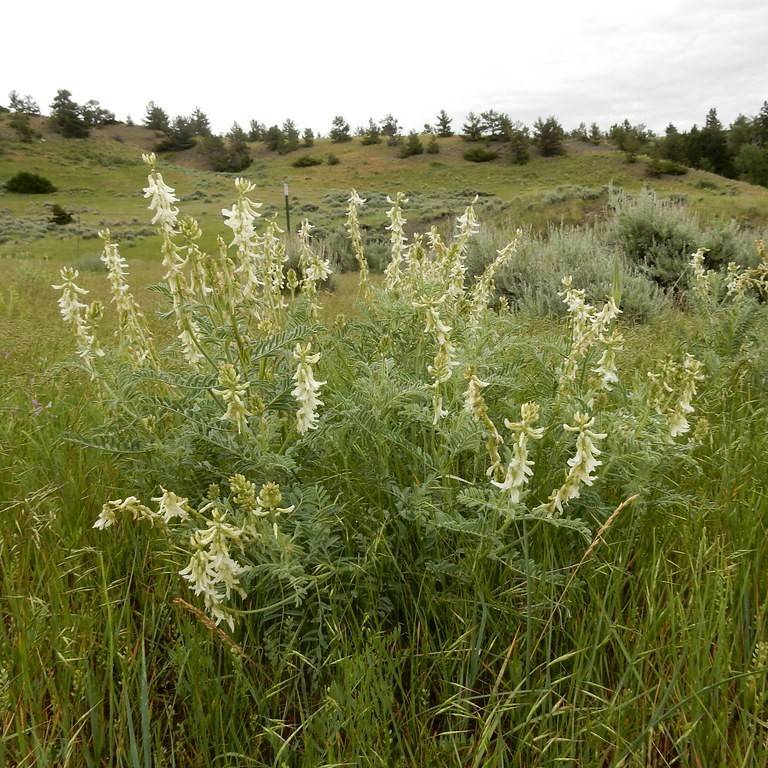
Drummond's Milk Vetch
Astragalus drummondii
%22%2F%3E%0A%20%20%20%20%20%20%3Ccircle%20cx%3D%22920%22%20cy%3D%22180%22%20r%3D%2290%22%20fill%3D%22%23cfe8d5%22%2F%3E%0A%20%20%20%20%20%20%3Cpath%20d%3D%22M600%20590c-90-180-215-255-310-280%200%20165%20118%20296%20270%20296h40z%22%20fill%3D%22%2379b88e%22%2F%3E%0A%20%20%20%20%20%20%3Cpath%20d%3D%22M600%20590c80-150%20198-212%20302-228-8%20142-123%20255-270%20255h-32z%22%20fill%3D%22%235c9f73%22%2F%3E%0A%20%20%20%20%20%20%3Cpath%20d%3D%22M600%20610V360%22%20stroke%3D%22%234f8c64%22%20stroke-width%3D%2218%22%20stroke-linecap%3D%22round%22%2F%3E%0A%20%20%20%20%20%20%3Ctext%20x%3D%22600%22%20y%3D%22700%22%20text-anchor%3D%22middle%22%20font-family%3D%22Arial%2C%20sans-serif%22%20font-size%3D%2244%22%20fill%3D%22%23365c45%22%3E%0A%20%20%20%20%20%20%20%20Plant%20image%20coming%20soon%0A%20%20%20%20%20%20%3C%2Ftext%3E%0A%20%20%20%20%3C%2Fsvg%3E%0A%20%20)
Bent Flowered Milk Vetch
Astragalus flexuosus