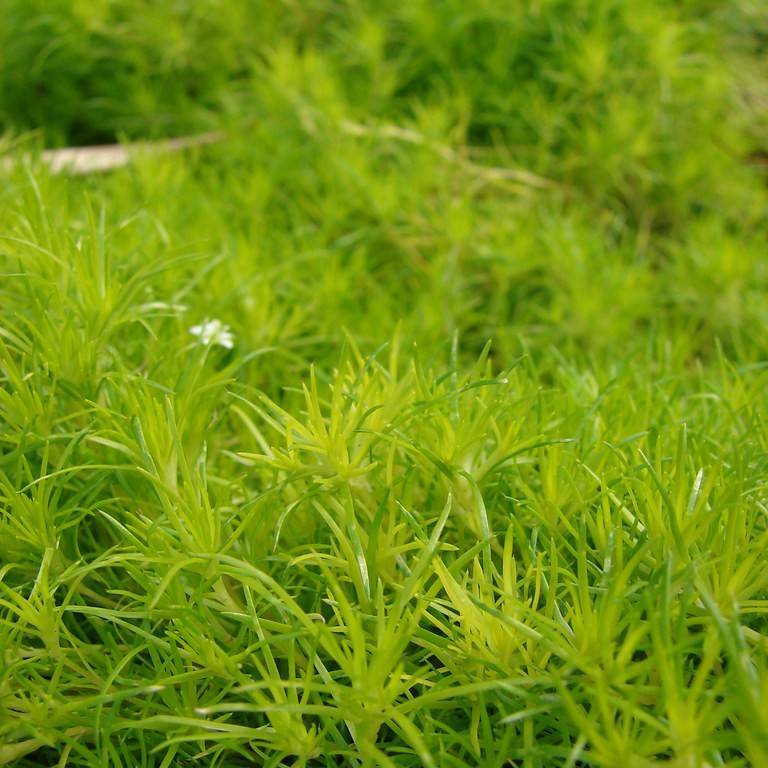
Irish Moss
Sagina subulata
Overview
Irish Moss is a low-growing evergreen perennial that forms dense, cushion-like mats of fine, bright green foliage, often mistaken for true moss despite being a flowering plant in the carnation family. It produces tiny, star-shaped white flowers that bloom profusely in late spring to early summer, creating a soft, frosted appearance over the foliage mat. Though it thrives in cool, temperate climates, it can adapt to a range of growing conditions as long as it receives consistent moisture and good drainage, making it a popular choice for edging, rock gardens, and between paving stones.
Care Guide
Watering
Irish Moss requires consistently moist but not waterlogged soil, as prolonged saturation can lead to root rot, while extended dry periods will cause foliage to brown and die back. Water deeply when the top 1 inch of soil feels dry to the touch, reducing frequency in cooler months when growth slows. Avoid overhead watering if possible to minimize fungal growth on the dense foliage mat.
Light
This plant grows best in full sun to partial shade, with full sun promoting the densest foliage growth and heaviest flower production in cool climates. In regions with hot, intense summer sun, provide light afternoon shade to prevent foliage scorching and reduce moisture loss. Too much deep shade will cause the mat to become sparse and leggy over time.
Soil
Irish Moss prefers well-drained, sandy or loamy soil with a slightly acidic to neutral pH range of 5.6 to 7.5, and will not thrive in heavy clay soils that hold standing water. Amend heavy or poor-draining soils with compost or coarse sand before planting to improve drainage and aeration around the shallow root system. It tolerates poor, low-nutrient soils as long as drainage is adequate.
Fertilizer
This low-growing perennial has minimal fertilizer needs, and over-fertilization can cause excessive, leggy growth that disrupts its tight mat form. Apply a thin layer of compost or a balanced, slow-release granular fertilizer at half the recommended strength once per year in early spring to support healthy growth. Avoid liquid fertilizers high in nitrogen, as they can encourage soft, disease-prone foliage.
Temperature
Irish Moss thrives in cool temperatures between 50-75°F (10-24°C), and is hardy in USDA zones 4 to 8, tolerating winter lows down to -30°F (-34°C) when established. It struggles in prolonged temperatures above 85°F (29°C), often going semi-dormant or browning in extreme heat until cooler conditions return. Light winter snow cover provides beneficial insulation, but excessive winter wetness is more damaging than cold temperatures.
Pruning
Pruning is rarely required for Irish Moss, but you can trim back any brown, dead, or leggy patches in early spring to encourage fresh, dense new growth. After flowering, you can mow or shear the mat lightly at the highest setting to remove spent flower stalks and tidy the appearance, if desired. Rake out any dead debris that accumulates in the mat to improve air circulation and reduce fungal risk.
Propagation
Irish Moss is most easily propagated by division in early spring or early fall, when you can pull apart small sections of the rooted mat and replant them 4-6 inches apart in prepared soil. It can also be grown from seed sown directly on the soil surface in early spring, as seeds require light to germinate, which usually occurs within 2-3 weeks under consistent moisture and temperatures around 60-70°F (15-21°C). Stem cuttings rooted in moist, well-drained soil during cool spring or fall months will also establish quickly with minimal care.
Humidity
This plant prefers moderate humidity levels between 40-60%, which is typical of most temperate outdoor environments, and does not require extra humidity when grown outdoors. Indoor potted specimens may benefit from occasional misting in very dry indoor conditions, but ensure excess moisture does not sit on the foliage for extended periods to prevent fungal issues. High, constant humidity combined with poor air circulation can lead to leaf spot and root rot.
Repotting
When grown in containers, repot Irish Moss every 2-3 years in early spring, using a well-drained, sandy potting mix to prevent waterlogging. Choose a shallow pot with ample drainage holes, as the plant has a very shallow root system and does not require deep soil. When repotting, you can divide the mat into smaller sections to create new plants or keep the mat intact in a slightly larger pot if you wish to maintain its size.
Uses & Symbolism
Irish Moss is most commonly used as a low-growing ground cover for rock gardens, between stepping stones, along garden edges, and as a lawn substitute in low-traffic areas, where its dense mat suppresses weeds and creates a soft, green carpet effect. It is also popular in container gardens as a trailing or filler plant, providing a lush, textural contrast to taller flowering plants, and is sometimes used as a decorative green base for fairy gardens or miniature landscapes. Historically, it has been used in traditional folk medicine as a remedy for minor respiratory and digestive issues, though it is not widely used for medicinal purposes today.
Diseases & Pests
Irish Moss is relatively pest and disease resistant, but can be susceptible to root rot and fungal leaf spots if grown in poorly drained soil or overly moist, humid conditions with poor air circulation. Aphids and slugs may occasionally feed on the tender new foliage, particularly in shaded, damp areas, and can be controlled with insecticidal soap for aphids or organic slug bait for slugs. In hot, dry conditions, spider mites may infest the foliage, causing yellowing and stippling, which can be prevented with regular moisture and treated with neem oil if outbreaks occur.
Related plants
Other plants you might like if you grow Irish Moss.
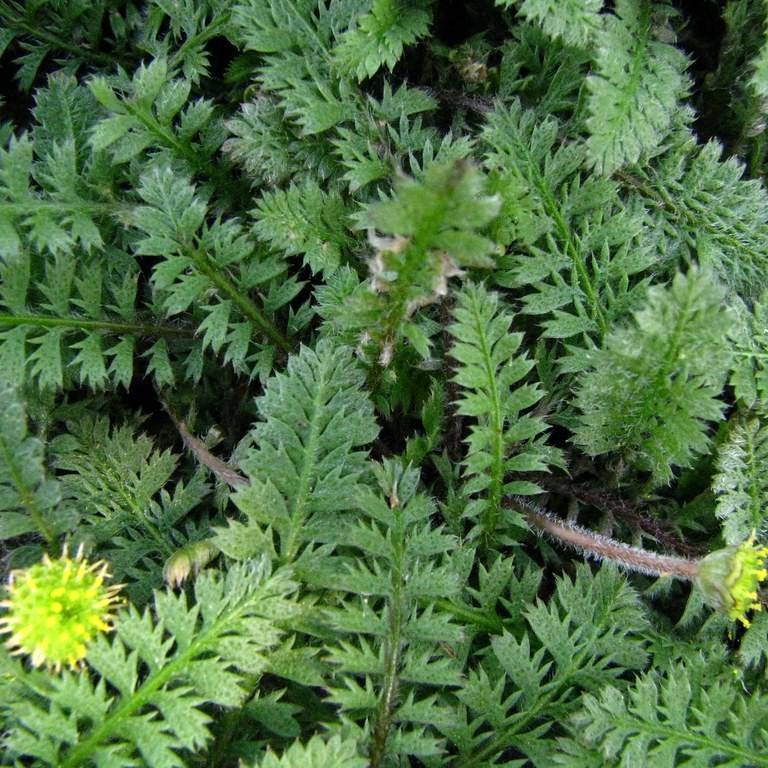
Brass Buttons
Leptinella squalida
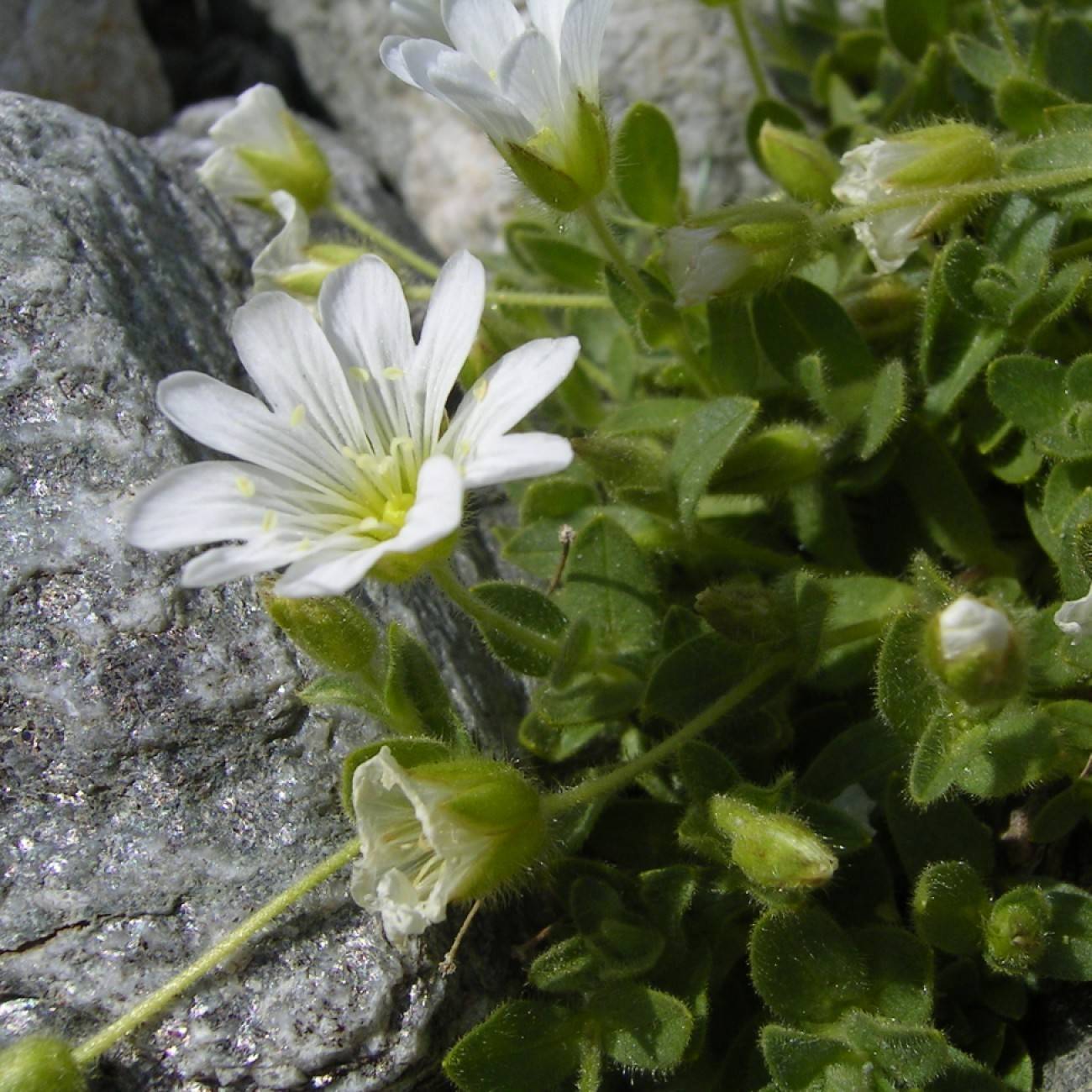
Fischer's Chickweed
Cerastium fischerianum
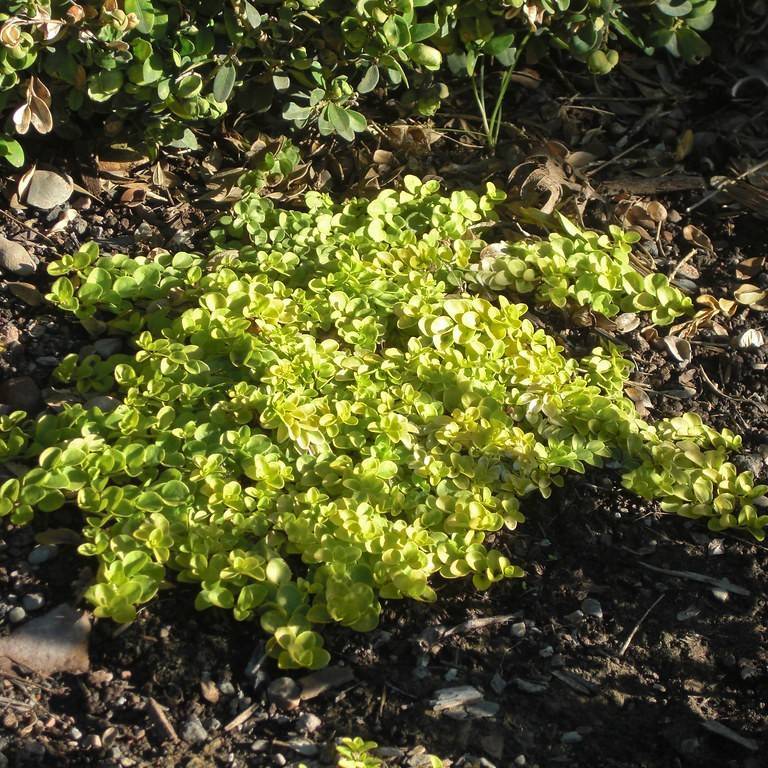
Creeping Speedwell
Veronica filiformis
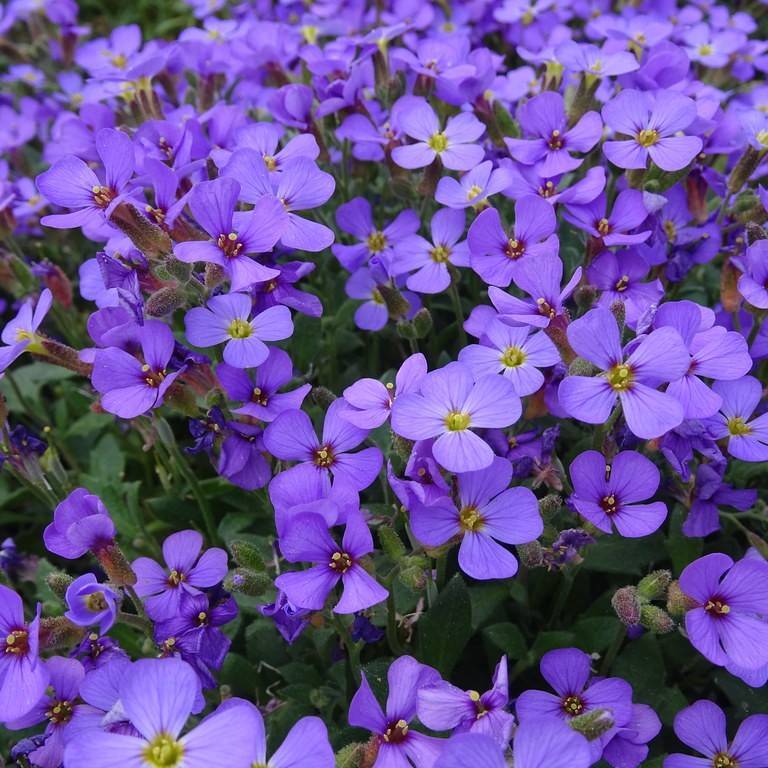
Garden Aubrieta
Aubrieta deltoidea
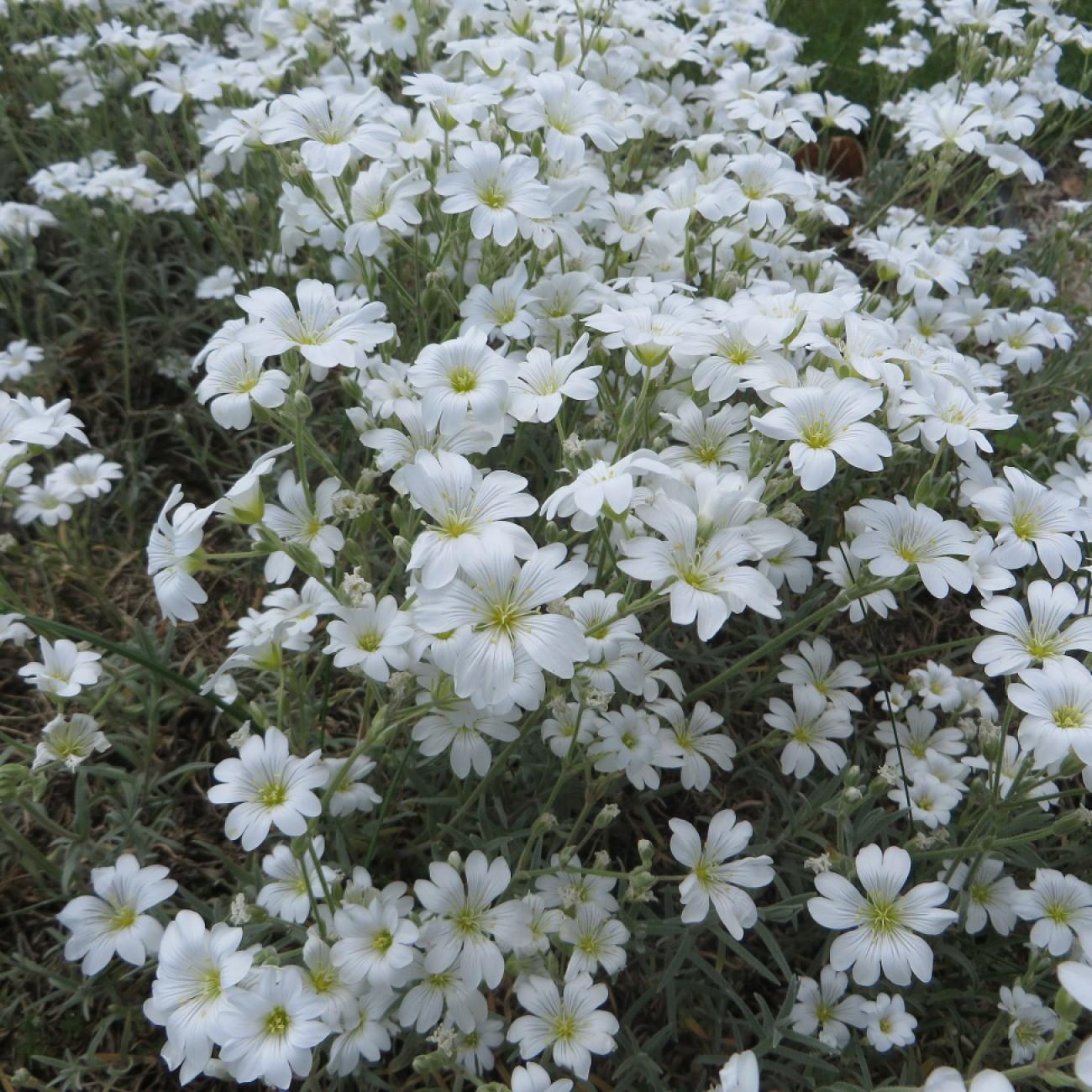
Bieberstein Chickweed
Cerastium biebersteinii
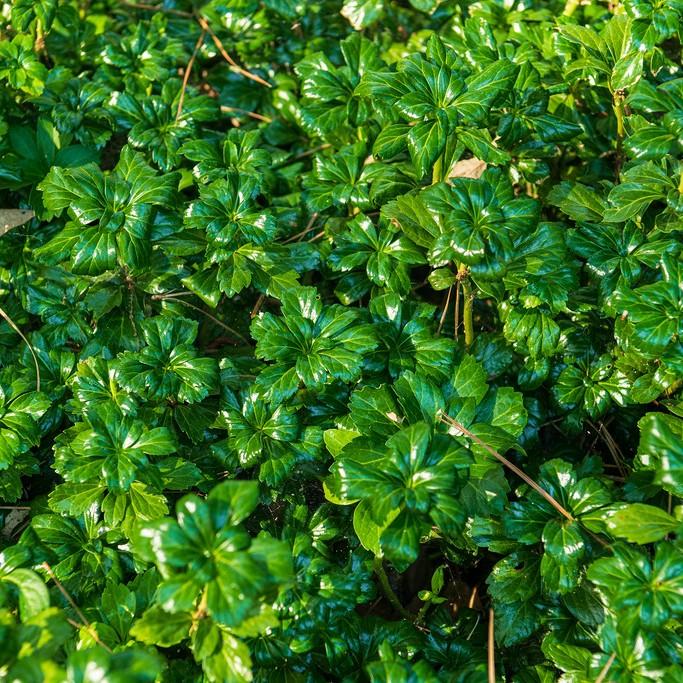
Japanese Pachysandra
Pachysandra terminalis
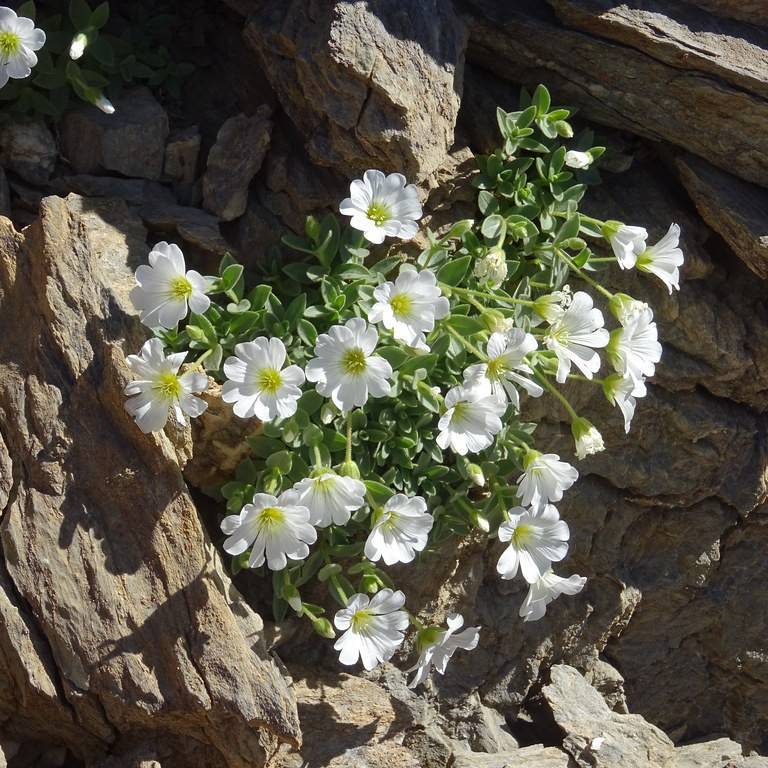
Alpine Mouse Ear Chickweed
Cerastium alpinum
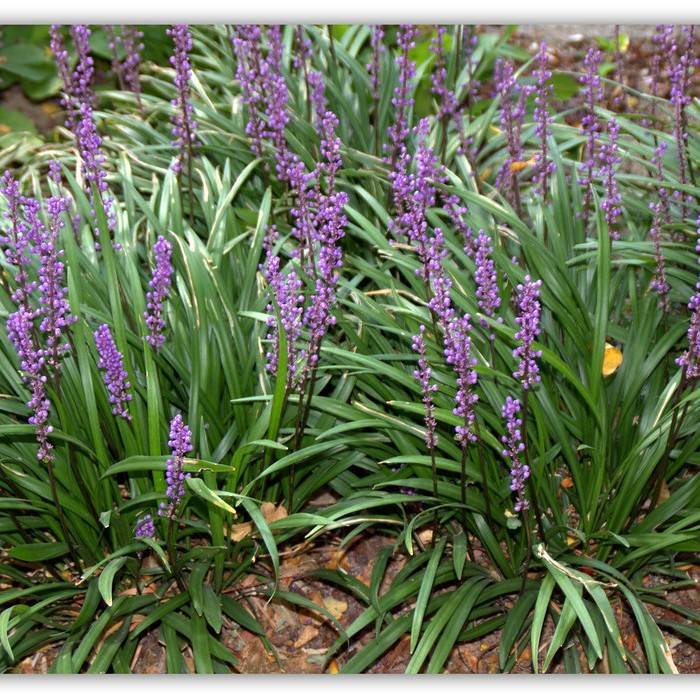
Big Blue Lilyturf
Liriope muscari 'Big Blue'