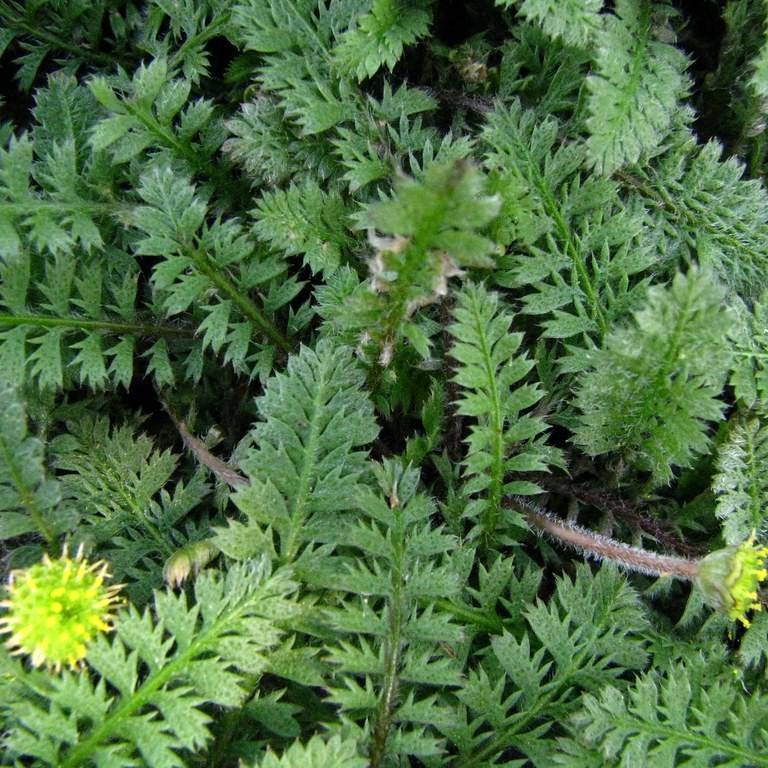
Brass Buttons
Leptinella squalida
Overview
Brass buttons is a creeping, evergreen perennial prized for its dense, carpet-like growth habit and soft, feathery gray-green to bronze-toned foliage. It produces tiny, button-shaped bright yellow flower heads throughout the summer months, though its foliage is the primary ornamental feature. Adaptable to a range of growing conditions, it tolerates light foot traffic, making it a popular choice for rock gardens, path edges, and between pavers.
Care Guide
Watering
Water regularly during the first growing season to establish a deep, extensive root system, keeping soil consistently moist but not waterlogged. Once established, brass buttons is moderately drought tolerant, requiring supplemental watering only during extended dry spells to prevent foliage browning. Avoid overwatering in heavy, poorly draining soils to prevent root rot.
Light
Thrives in full sun to partial shade, with the best foliage color developed in locations receiving at least 4-6 hours of direct sunlight daily. In extremely hot, arid climates, provide afternoon shade to prevent foliage scorch and reduce moisture loss. Too much deep shade will cause sparse, leggy growth and diminished flowering.
Soil
Grows best in well-draining, loamy or sandy soil with a neutral to slightly acidic pH between 6.0 and 7.0. It tolerates poor, rocky soils as long as excess water can drain freely, making it ideal for rock garden and crevice plantings. Heavy clay soils should be amended with compost or grit to improve drainage before planting.
Fertilizer
Brass buttons has low nutrient needs, requiring only a light application of balanced, slow-release granular fertilizer in early spring to support new growth. Over-fertilization will cause overly lush, weak growth that is more prone to pest issues and winter damage in cooler climates. Container-grown specimens can be fed once monthly with a diluted balanced liquid fertilizer during the growing season.
Temperature
Hardy in USDA zones 4 through 9, tolerating winter lows as low as -30°F (-34°C) when established. It thrives in moderate temperatures between 60-75°F (15-24°C), and will go semi-dormant, with foliage dying back, during extended periods of extreme heat or cold. Provide a light layer of mulch in the coldest parts of its range to protect roots from freeze-thaw cycles.
Pruning
Pruning is rarely required, but you can mow or trim back overgrown patches in early spring to remove dead foliage and encourage fresh, dense new growth. Trim back any stray stems that spread beyond desired planting boundaries to contain its creeping habit. Remove spent flower heads if desired, though they are small and rarely detract from the plant’s appearance.
Propagation
Easiest to propagate by division in early spring or fall, simply digging up established mats and separating them into smaller clumps to replant in prepared soil. It can also be grown from seed sown directly on the soil surface in spring, as seeds require light to germinate, with sprouting occurring within 2-3 weeks under consistent moisture. Stem cuttings taken in late spring or early summer will root readily in moist potting mix with high humidity.
Humidity
Adaptable to a wide range of humidity levels, thriving in average ambient humidity between 40-60% common in most temperate regions. It tolerates low humidity in arid climates as long as adequate soil moisture is provided. Excessively high humidity combined with poor air circulation can increase risk of foliar fungal diseases.
Repotting
Container-grown brass buttons should be repotted every 2-3 years in early spring, or when roots begin to emerge from the drainage holes of the pot. Use a well-draining potting mix amended with perlite or grit to improve drainage, and select a pot only slightly larger than the current root ball to prevent excess soil moisture retention. Trim back any overgrown roots and remove dead foliage during repotting to encourage healthy new growth.
Uses & Symbolism
Brass buttons is most widely used as a low-growing ground cover for rock gardens, alpine plantings, path edges, and between stepping stones, where it tolerates light foot traffic. Its compact growth habit also makes it a popular choice for container gardens, fairy gardens, and as a trailing accent in mixed planters. It is occasionally used as a low-maintenance, drought-tolerant lawn alternative for low-traffic areas.
Diseases & Pests
Brass buttons is relatively pest and disease resistant, but can be susceptible to root rot if grown in poorly draining, constantly waterlogged soil. Fungal leaf spots and powdery mildew may occur in conditions of high humidity and poor air circulation, particularly in crowded plantings. Aphids and spider mites may occasionally infest stressed plants, especially those grown in overly hot, dry conditions.
Related plants
Other plants you might like if you grow Brass Buttons.
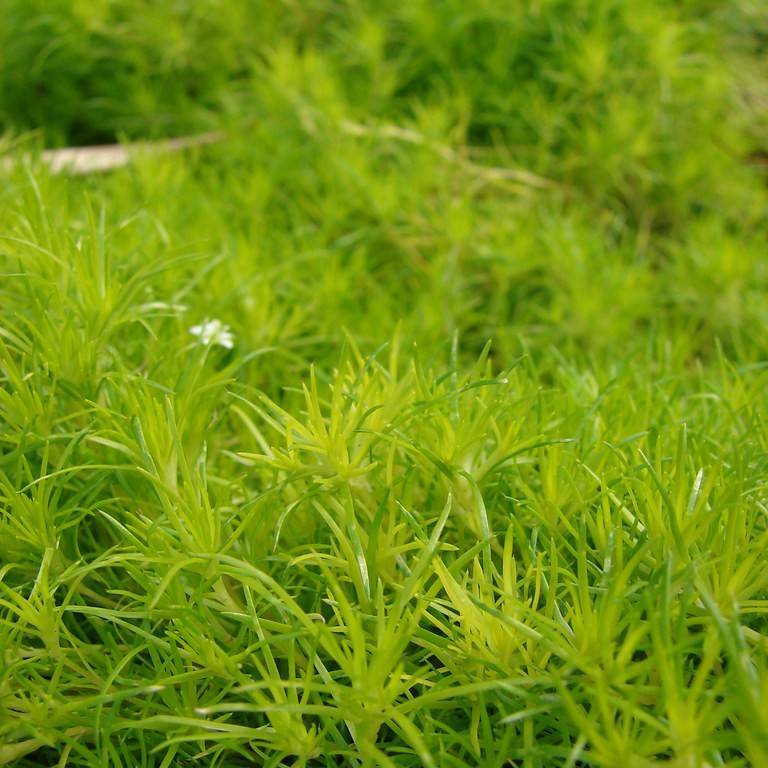
Irish Moss
Sagina subulata
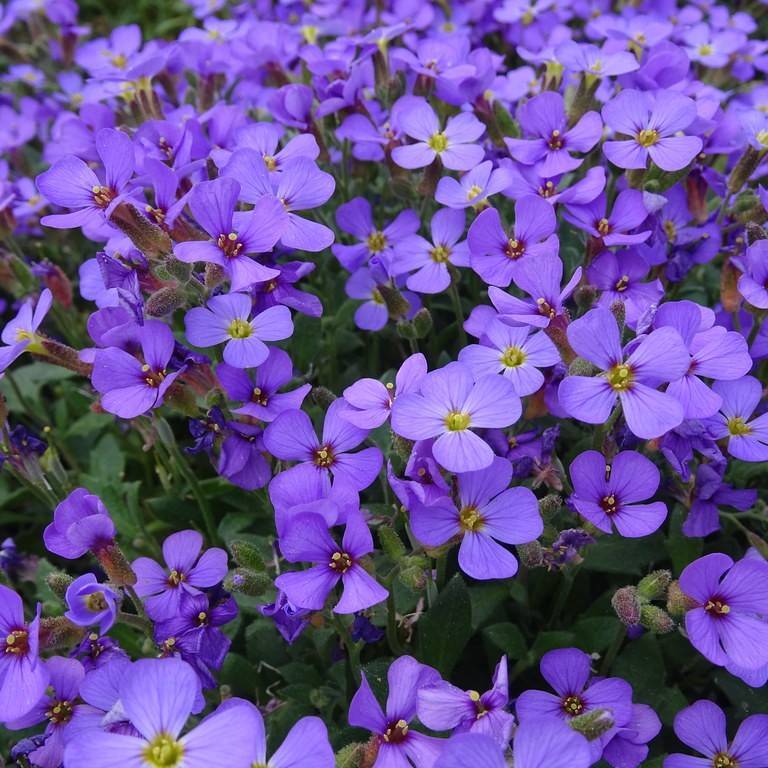
Garden Aubrieta
Aubrieta deltoidea
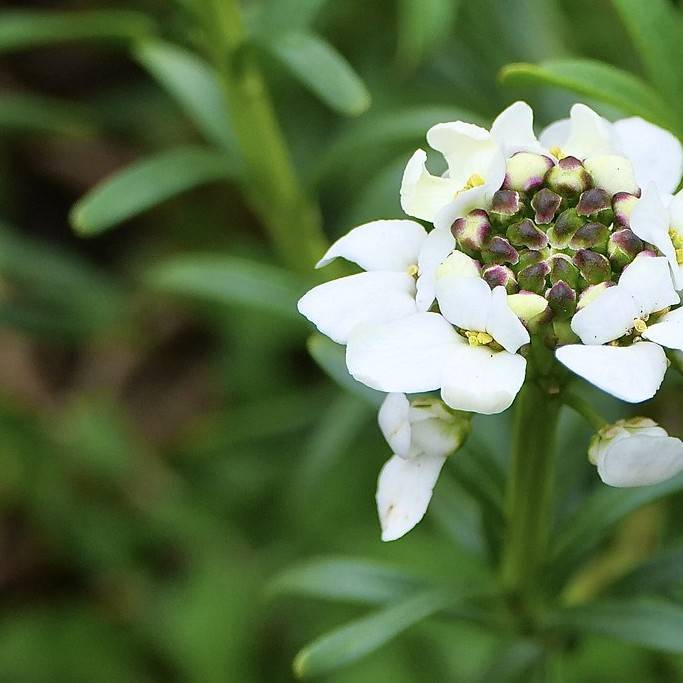
Candytuft
Iberis sempervirens
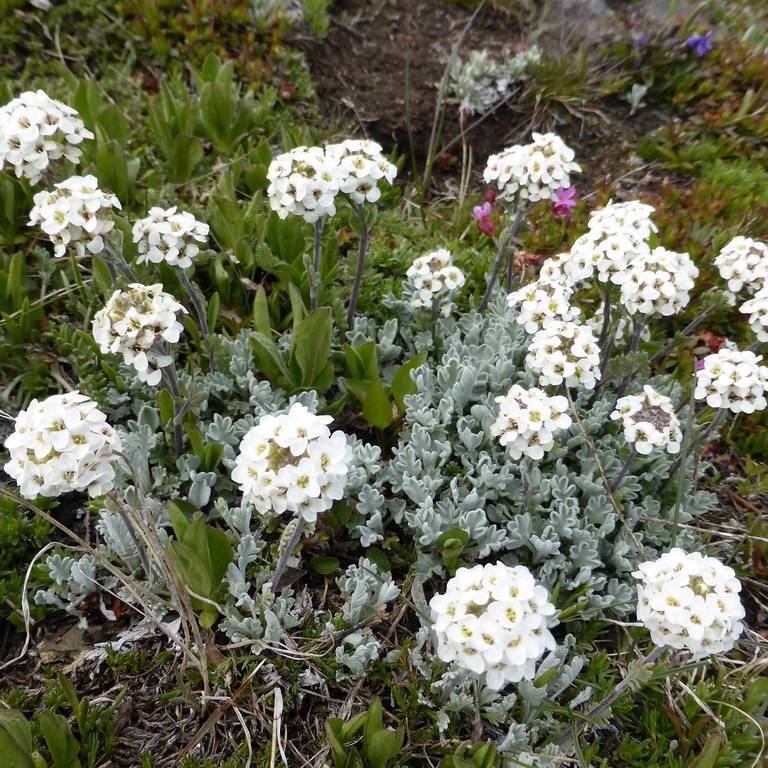
Alpine Candytuft
Iberis sempervirens
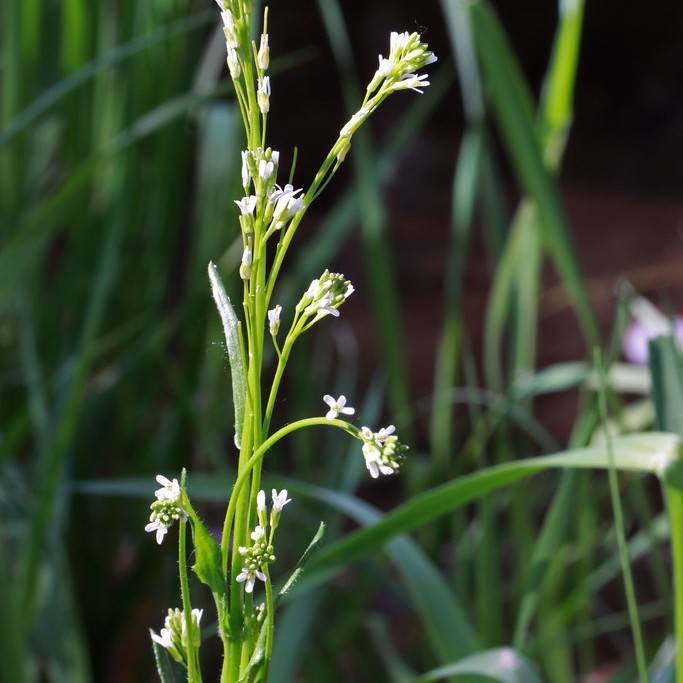
Cream Flowered Rockcress
Arabis caucasica 'Plena'
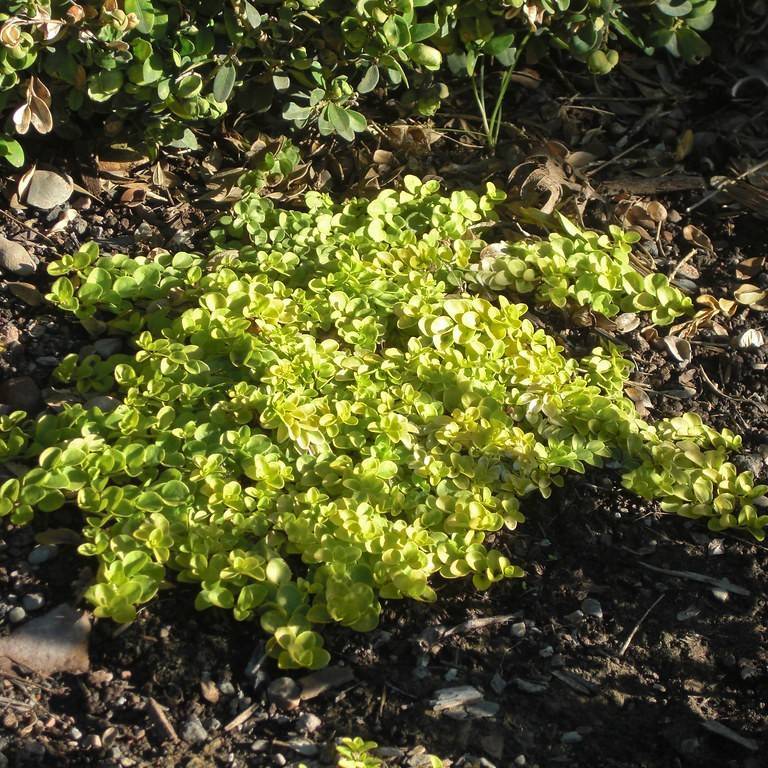
Creeping Speedwell
Veronica filiformis
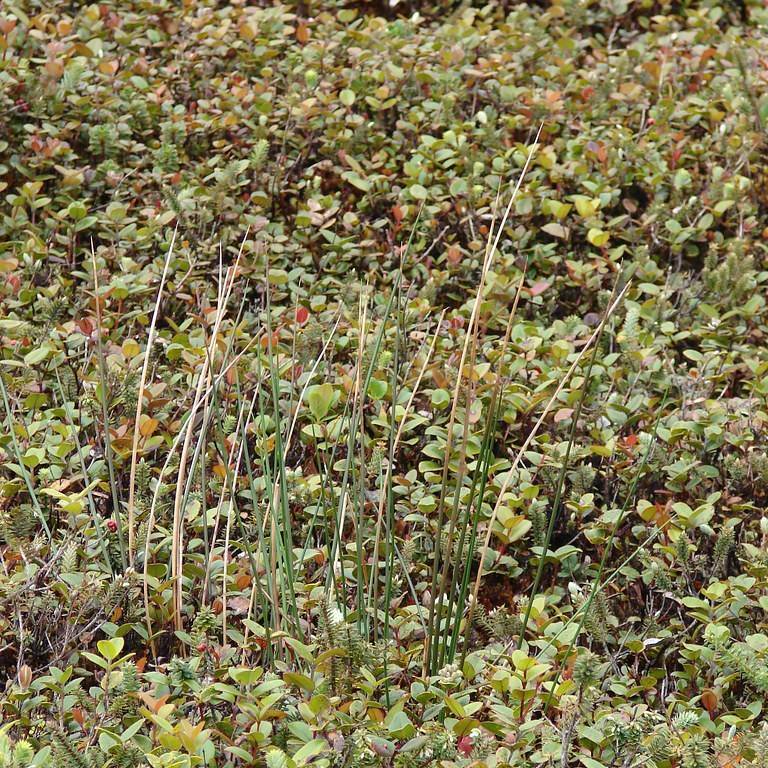
Dwarf Mat Rush
Lomandra confertifolia subsp. pallida 'Little Con'
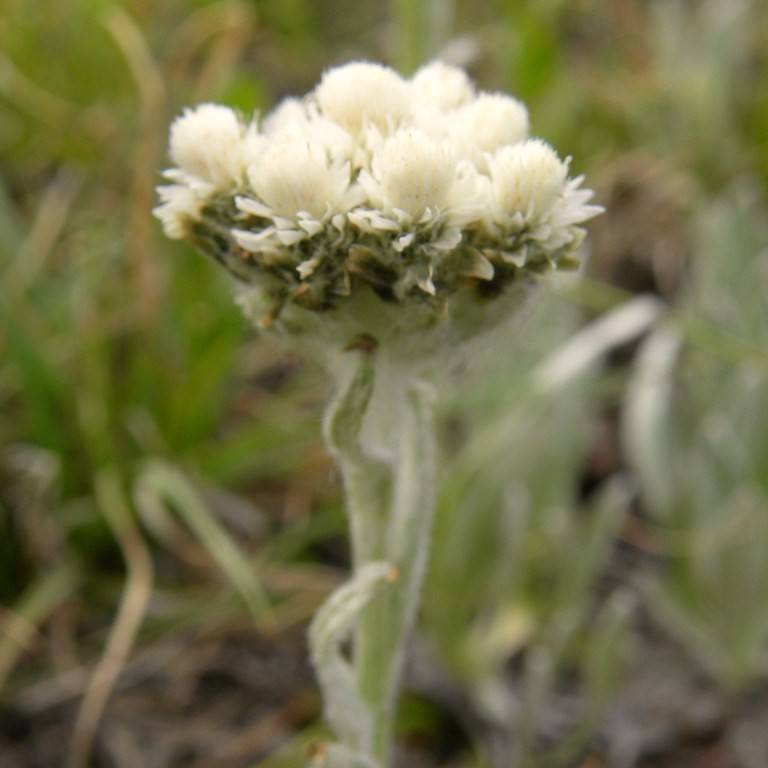
Alpine Pussytoes
Antennaria alpina