Fischer's Chickweed
Cerastium fischerianum
Overview
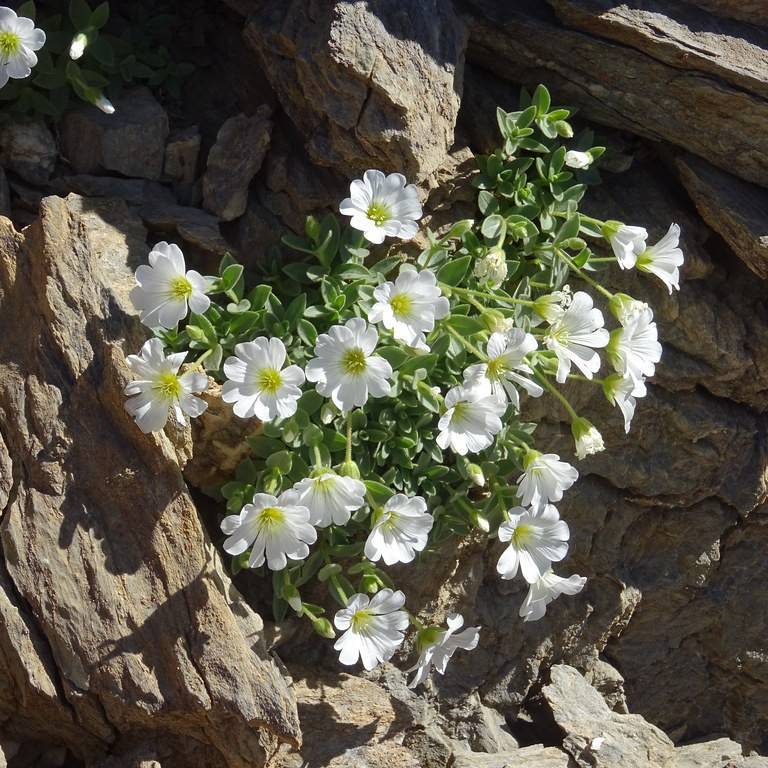
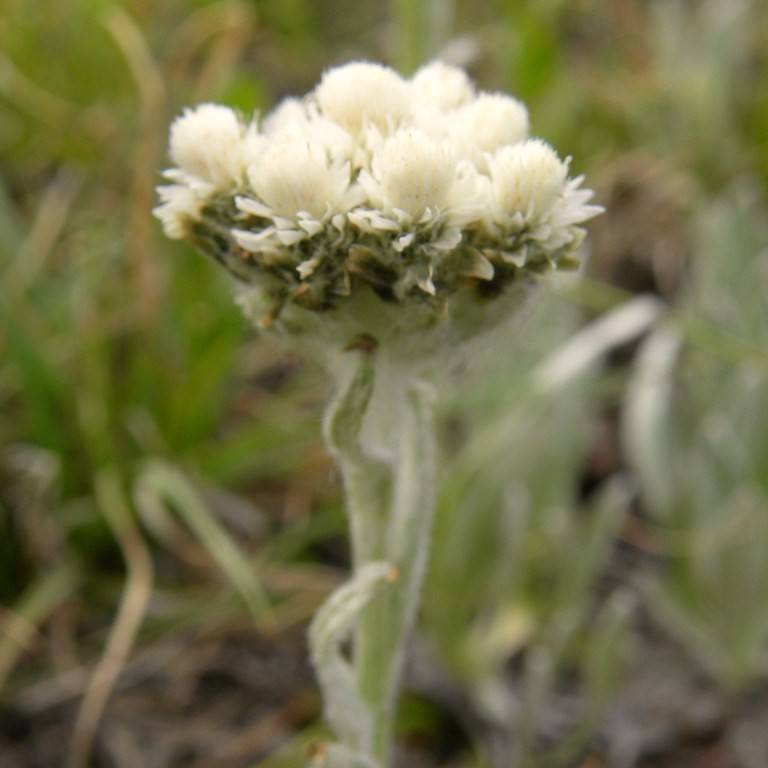
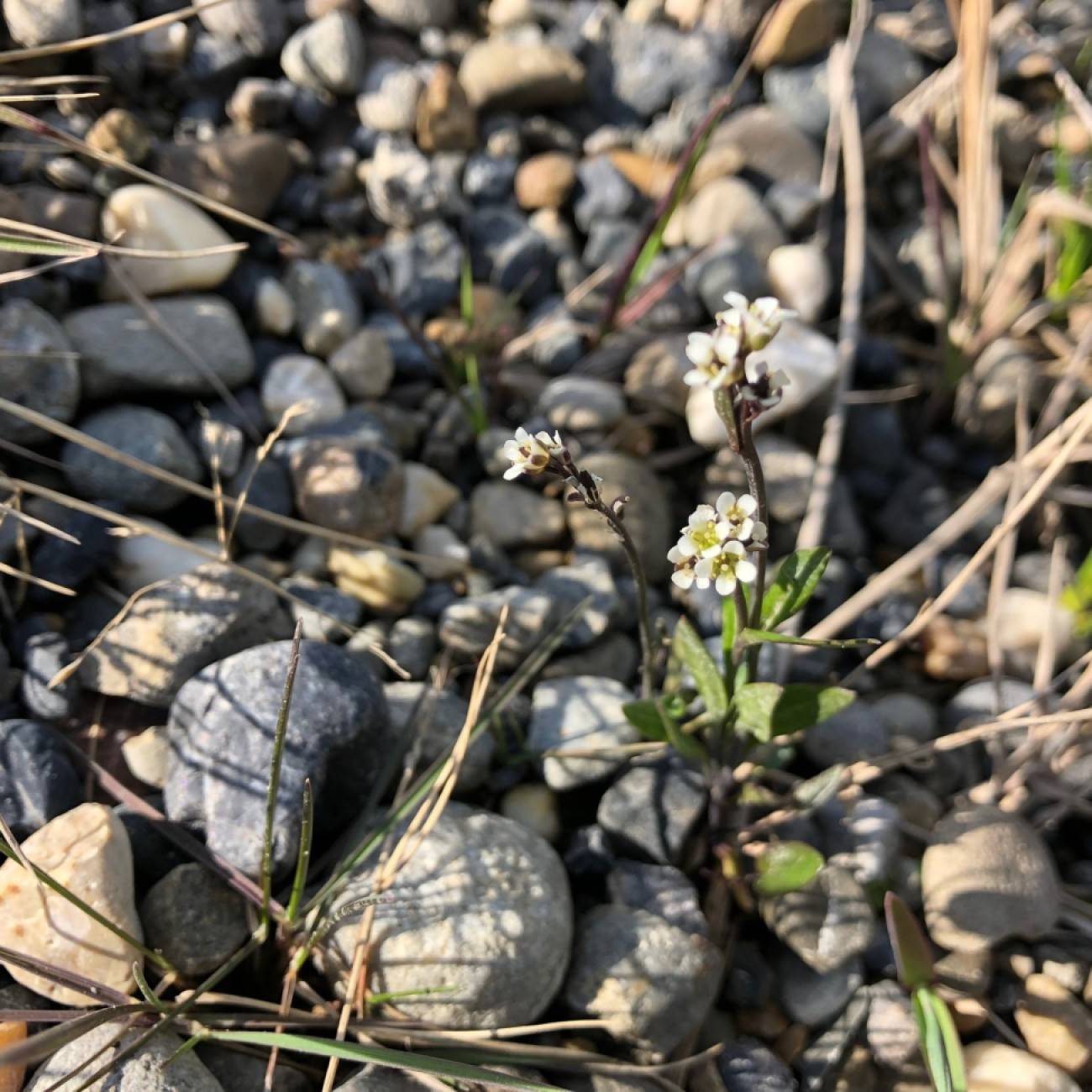
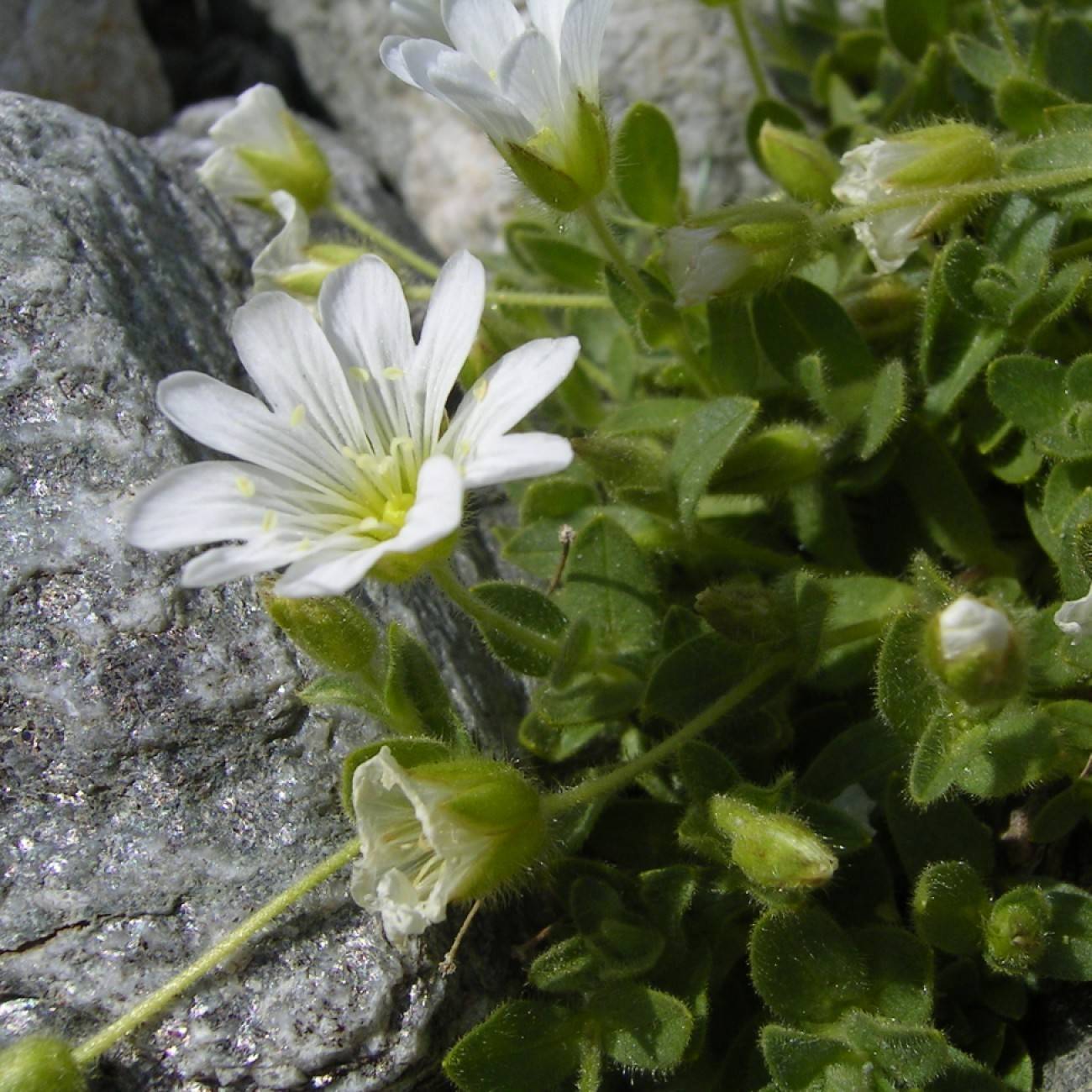
Fischer's chickweed is a low, spreading herbaceous perennial that forms dense, trailing mats of small, fuzzy, gray-green lanceolate leaves. From late spring to mid-summer, it produces clusters of tiny, five-petaled white flowers with notched tips, characteristic of the chickweed genus. It is naturally adapted to rocky alpine slopes, gravelly meadows, and open mountain woodlands, thriving in harsh, cold climates with well-drained substrate.
Care Guide
Watering
Water regularly during the active growing season, allowing the top 1-2 inches of soil to dry out between waterings to prevent root rot. Reduce watering significantly in fall and winter, as the plant enters dormancy and tolerates dry conditions better than saturated soil. Avoid overhead watering to minimize foliar moisture that can encourage fungal growth.
Light
Grow in full sun to partial shade, with full sun exposure producing the most abundant flowering. In regions with extremely hot summer temperatures, provide light afternoon shade to prevent leaf scorch and reduce moisture stress. Indoors, place in a south or west-facing window that receives at least 6 hours of bright, direct light daily.
Soil
Requires sharply drained, low-fertility soil with a neutral to slightly alkaline pH, similar to its native rocky alpine habitat. A mix of garden soil, coarse sand, and gravel or perlite works well, as it prevents waterlogging that can quickly kill the plant’s shallow root system. Avoid heavy, clay-rich soils or mixes with high amounts of moisture-retentive peat moss.
Fertilizer
Fischer's chickweed is adapted to low-nutrient environments and requires minimal fertilization. Feed once annually in early spring with a diluted, balanced all-purpose fertilizer at half the recommended strength to support new growth and flowering. Avoid over-fertilizing, as this can cause leggy, sparse growth and reduce the plant’s cold hardiness.
Temperature
Thrives in cool to cold climates, with an ideal growing temperature range of 50-75°F (10-24°C) during the active season. It is extremely cold hardy, tolerating winter temperatures as low as -40°F (-40°C) in USDA hardiness zones 3 through 8. High temperatures above 85°F (29°C) can cause stress, so provide extra shade and airflow during heatwaves.
Pruning
Prune back faded flower stems after blooming to encourage a denser, more compact growth habit and prevent unwanted self-seeding if desired. In early spring, trim away any dead or damaged foliage from the winter dormancy period to promote healthy new growth. If the mat becomes overly thick or spreads beyond its desired area, shear back up to one-third of the plant’s total size to keep it contained.
Propagation
Easily propagated by division in early spring or fall, when clumps can be carefully separated into smaller sections and replanted immediately in well-drained soil. It can also be grown from seed sown directly outdoors in fall or cold-stratified for 4-6 weeks and sown indoors in late winter. Stem cuttings taken from non-flowering shoots in early summer root readily in moist, sandy soil with bottom heat.
Humidity
Tolerates a wide range of humidity levels, thriving in the moderate to low humidity typical of its native alpine habitats. It does not require extra humidity, and high humidity combined with poor air circulation can increase the risk of fungal leaf spots and root rot. Indoors, avoid placing it near humidifiers or in steamy rooms such as bathrooms.
Repotting
If grown in containers, repot every 2-3 years in early spring, just as new growth begins to emerge. Use a shallow pot with ample drainage holes, as the plant has a shallow root system and does not require deep soil. When repotting, gently loosen the root ball and refresh the soil with a well-drained, gravelly mix to support healthy growth.
Uses & Symbolism
Fischer's chickweed is widely used as a ground cover in rock gardens, alpine troughs, and gravel gardens, where its low mat-forming habit fills in gaps between stones and suppresses weeds. It is also a popular choice for green roof plantings due to its drought tolerance, cold hardiness, and shallow root system. While not commonly used in culinary or medicinal practices, its small flowers provide a minor nectar source for native pollinators such as small bees and butterflies.
Diseases & Pests
The most common issues affecting Fischer's chickweed are fungal diseases including root rot, powdery mildew, and leaf spot, almost always caused by overwatering, poor drainage, or excessive air circulation. Common pests include aphids and spider mites, which may infest stressed plants, especially in warm, dry indoor conditions or during extended summer droughts outdoors. Slugs and snails may occasionally feed on young, tender foliage, particularly in moist, shaded growing locations.
Related plants
Other plants you might like if you grow Fischer's Chickweed.