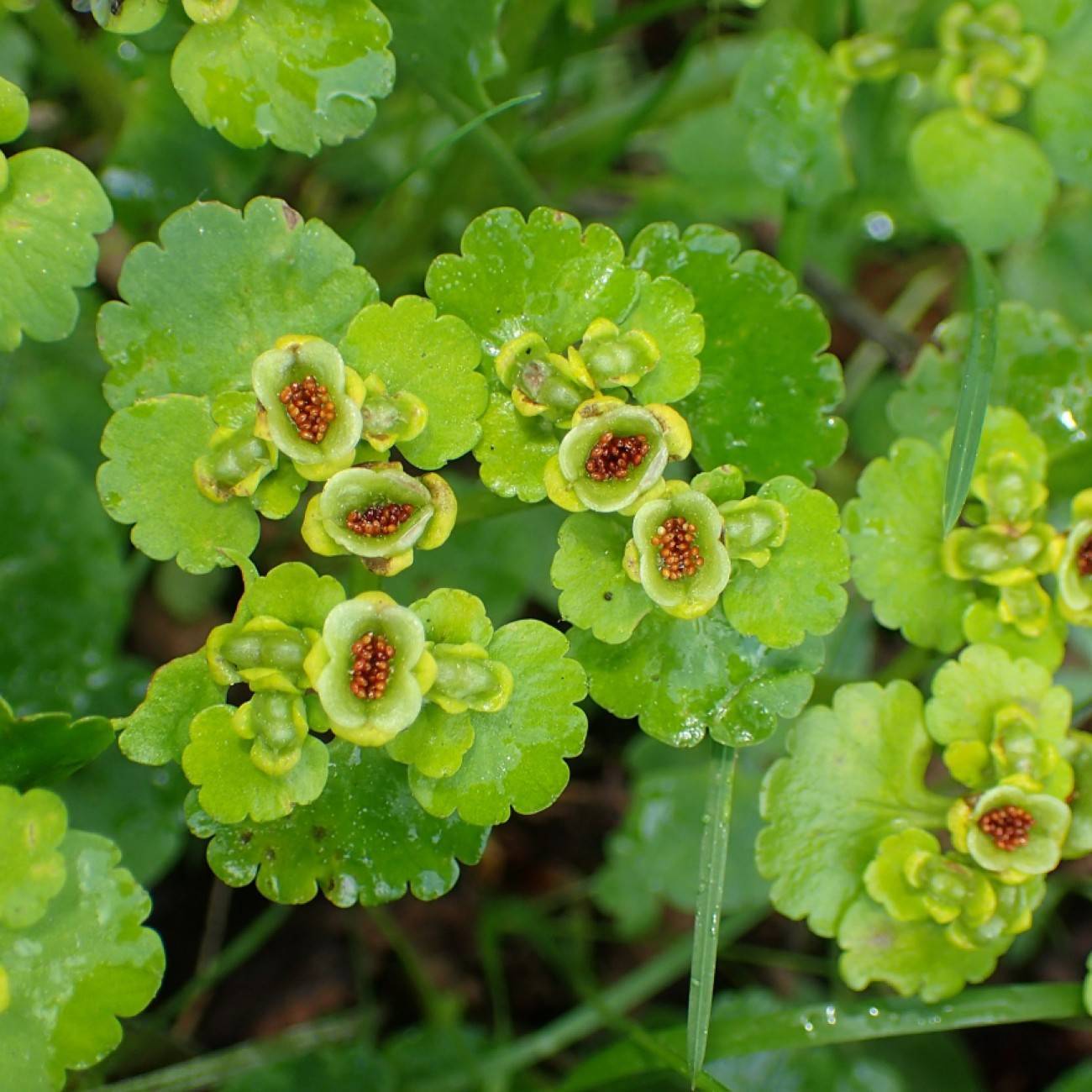
Iowa Golden Saxifrage
Chrysosplenium iowense
Overview
Iowa Golden Saxifrage is a small, mat-forming perennial endemic to rare, calcareous cold-water seep and wet woodland habitats across the Upper Midwest of North America. It is a state-listed threatened or endangered species across most of its native range due to habitat loss from agriculture, development, and groundwater depletion. Its delicate, rounded foliage and tiny, bright golden floral structures emerge as early as late March, providing an early food source for small native pollinators in its specialized ecosystem.
Care Guide
Watering
Iowa Golden Saxifrage requires constant, consistent moisture, as it naturally grows in permanently wet seep habitats; never allow the soil to dry out completely, and use cool, low-mineral water to mimic its native cold-water source. Avoid overwatering to the point of stagnant standing water, as this can cause root rot, but maintain consistently saturated soil conditions year-round.
Light
This species thrives in partial to full shade, replicating the dappled sunlight of its native deciduous wet woodland habitats. It can tolerate very limited early morning direct sun, but prolonged exposure to midday or afternoon sun will scorch its delicate foliage and dry out its root zone.
Soil
Plant in a rich, loamy, highly moisture-retentive soil with a neutral to slightly alkaline (calcareous) pH, matching the limestone-influenced seep soils it naturally grows in. Incorporate plenty of organic matter such as well-rotted leaf mold to improve water retention while maintaining slight drainage to prevent stagnation.
Fertilizer
Fertilize very sparingly only once per year in early spring with a diluted, balanced organic fertilizer, as its native habitats are low in available nutrients. Avoid high-nitrogen synthetic fertilizers, which can cause excessive, weak foliage growth and disrupt the plant’s adaptation to low-nutrient conditions.
Temperature
Iowa Golden Saxifrage prefers cool temperatures between 40-70°F (4-21°C), and requires a cold winter dormancy period with temperatures consistently below 40°F (4°C) for 2-3 months to bloom the following spring. It is hardy to USDA zones 3-6, and cannot tolerate prolonged high summer temperatures above 80°F (27°C), which will cause foliage dieback.
Pruning
Pruning is minimal for this low-growing species; simply remove any yellowed or dead foliage in late fall before dormancy to prevent fungal growth. Do not cut back green, living foliage, as the plant relies on its leaves to store energy for the next growing season.
Propagation
Propagate Iowa Golden Saxifrage most easily by division of established mats in early spring just as new growth emerges, carefully separating small clumps with intact roots to replant in suitable moist, shaded locations. It can also be grown from fresh seed collected immediately after ripening in late spring, though seed germination is slow and requires a 3-month cold stratification period to break dormancy.
Humidity
This species thrives in high humidity levels of 60-80%, typical of its native wet woodland and seep environments. If grown in a controlled setting, use a pebble tray filled with water or regular light misting to maintain consistent high humidity, as dry air will cause foliage browning and desiccation.
Repotting
Repot only every 3-4 years in early spring, when the root mat has completely filled its container, using a fresh calcareous, moisture-retentive potting mix. Take care not to damage the shallow, delicate root system during repotting, and water thoroughly immediately after transplanting to settle the soil around the roots.
Uses & Symbolism
Iowa Golden Saxifrage is primarily used in native plant restoration projects for cold seep and wet woodland habitats, supporting early spring pollinators and contributing to the biodiversity of its rare native ecosystems. It is occasionally grown by specialized native plant enthusiasts in shaded, moist rock gardens or bog containers as a unique, low-growing groundcover, though its habitat specificity makes it unsuitable for general landscape use.
Diseases & Pests
The most common issues for Iowa Golden Saxifrage are fungal root rot and foliar blight caused by stagnant, poorly drained water or excessive humidity combined with poor air circulation. Aphids and slugs may occasionally feed on its tender young foliage, particularly in overly moist, shaded conditions with minimal airflow.
Related plants
Other plants you might like if you grow Iowa Golden Saxifrage.
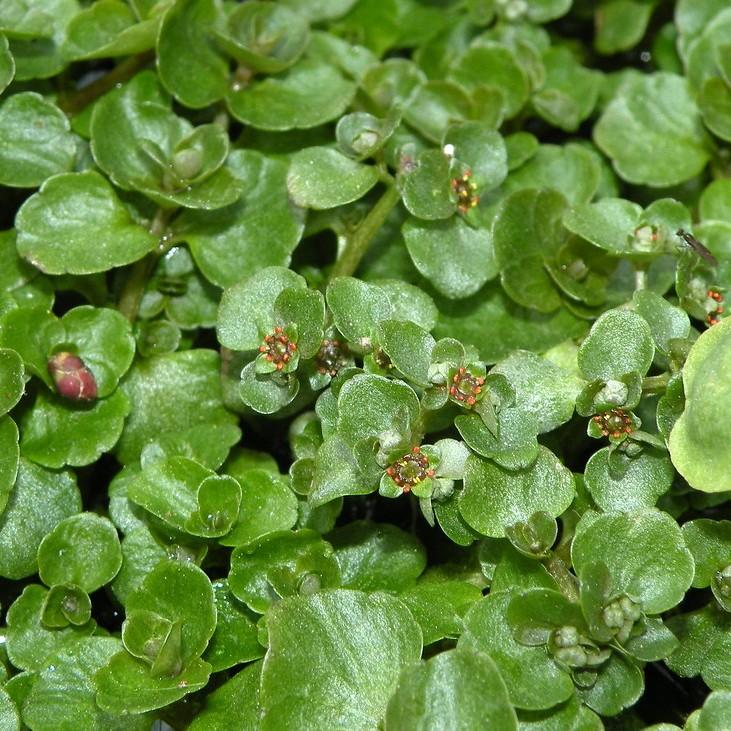
American Golden Saxifrage
Chrysosplenium americanum
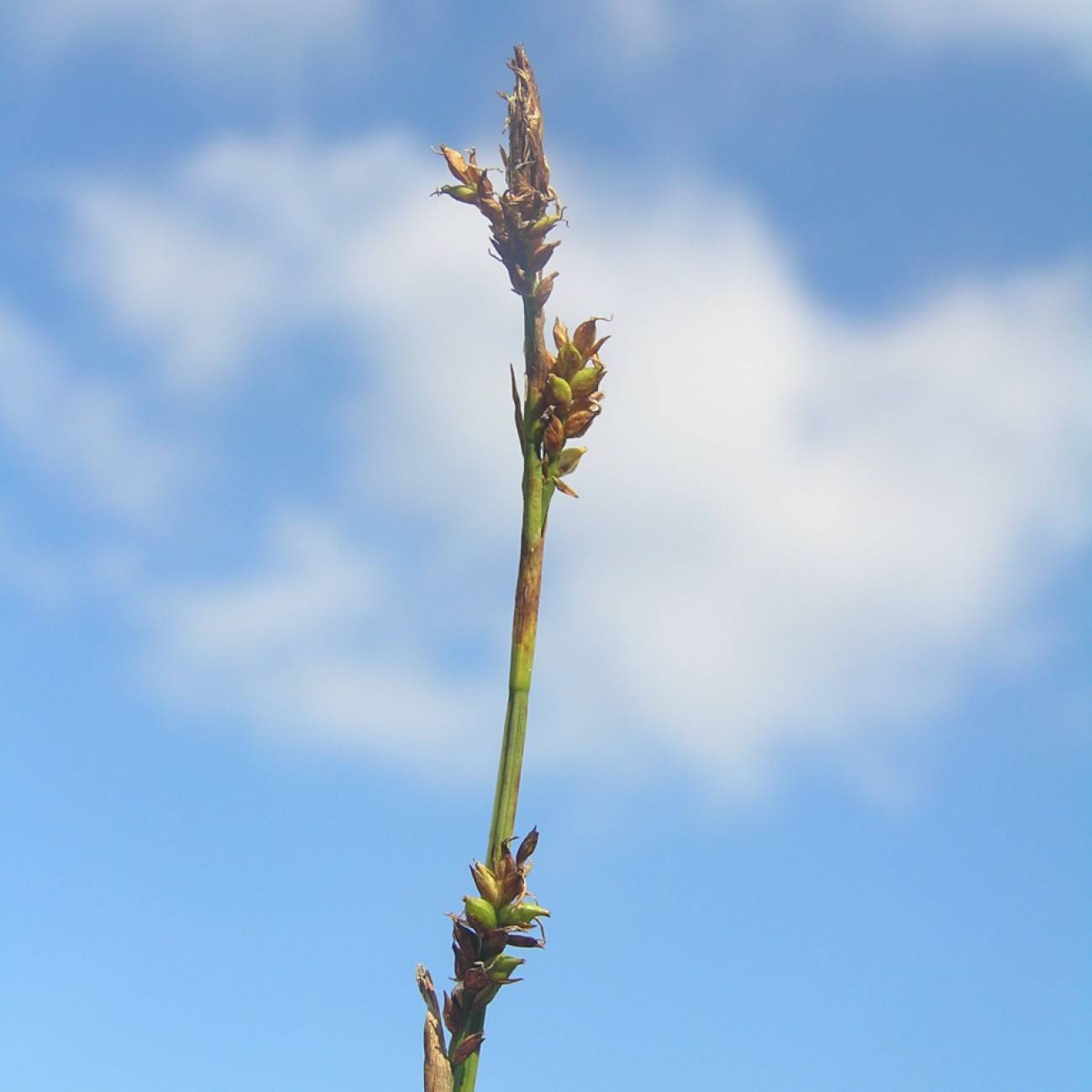
Dioecious Sedge
Carex dioica
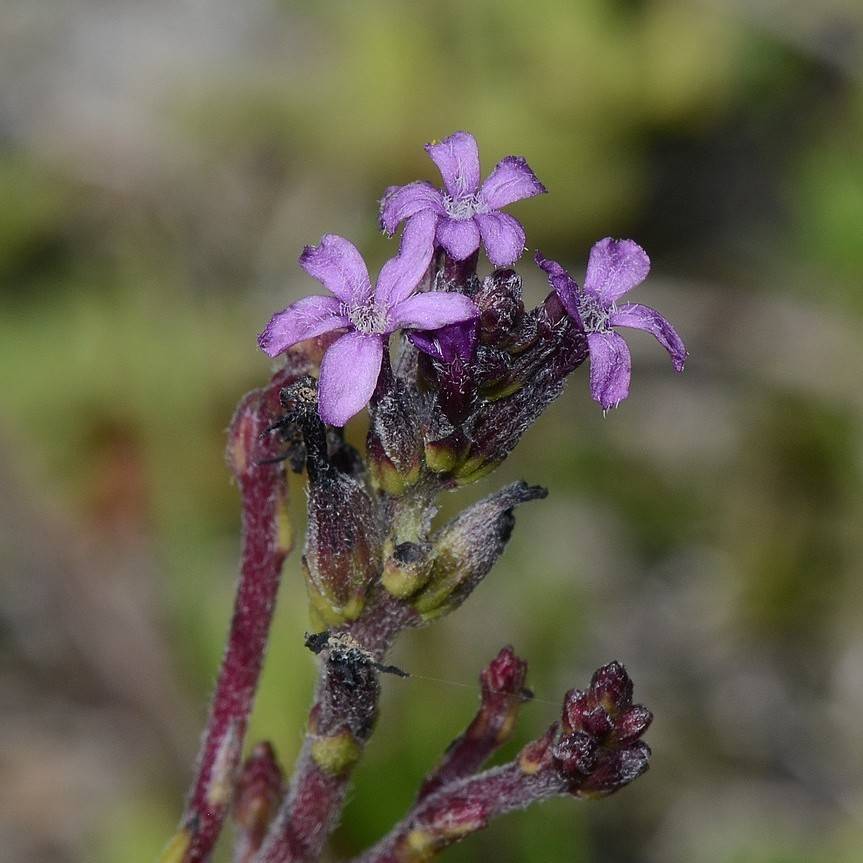
Bluehearts
Buchnera americana
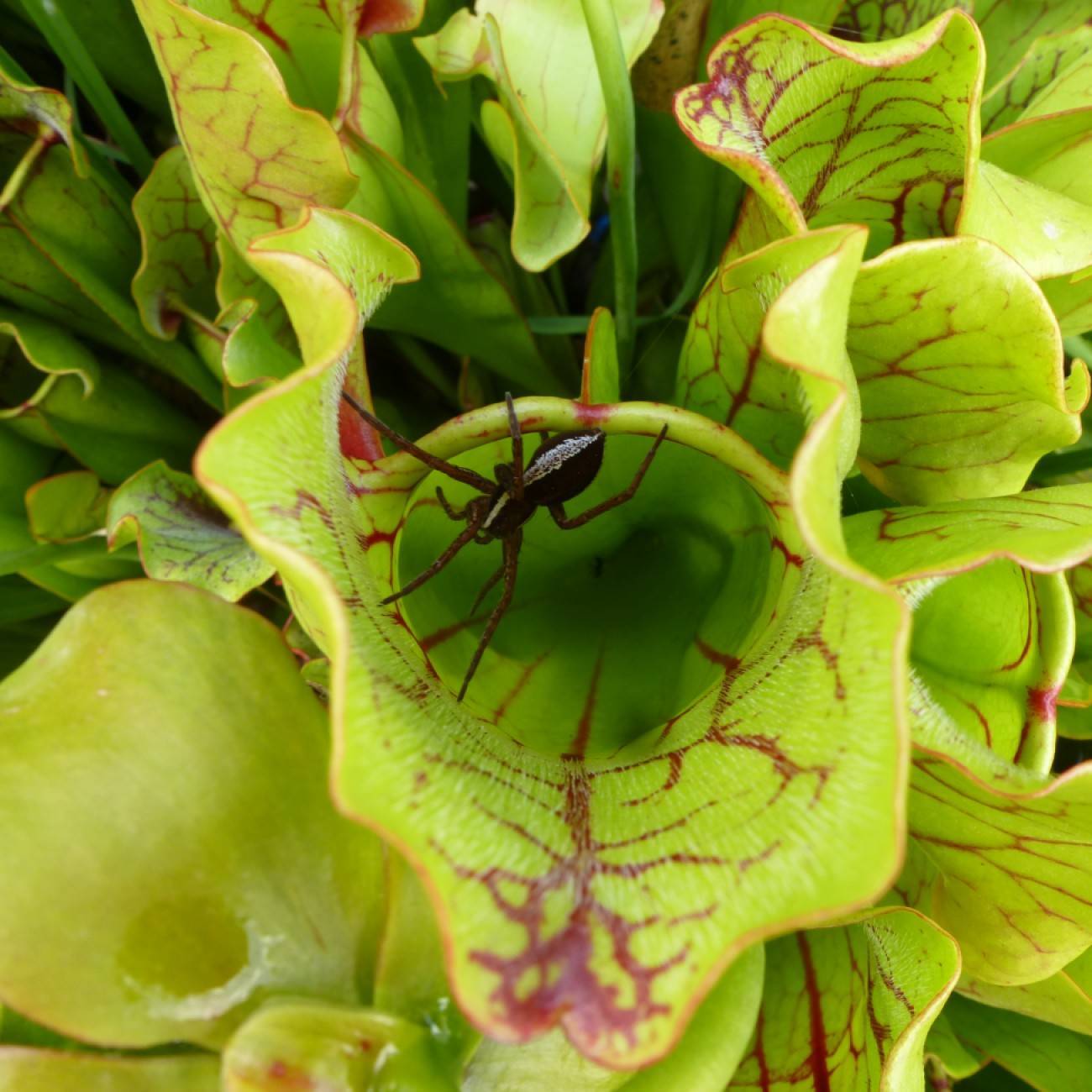
Common Pitcher Plant
Sarracenia purpurea
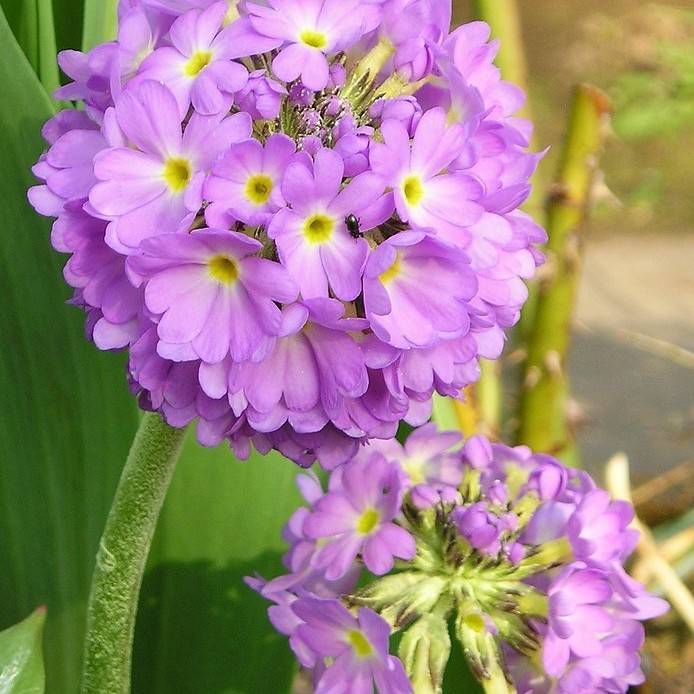
Drumstick Primula
Primula denticulata
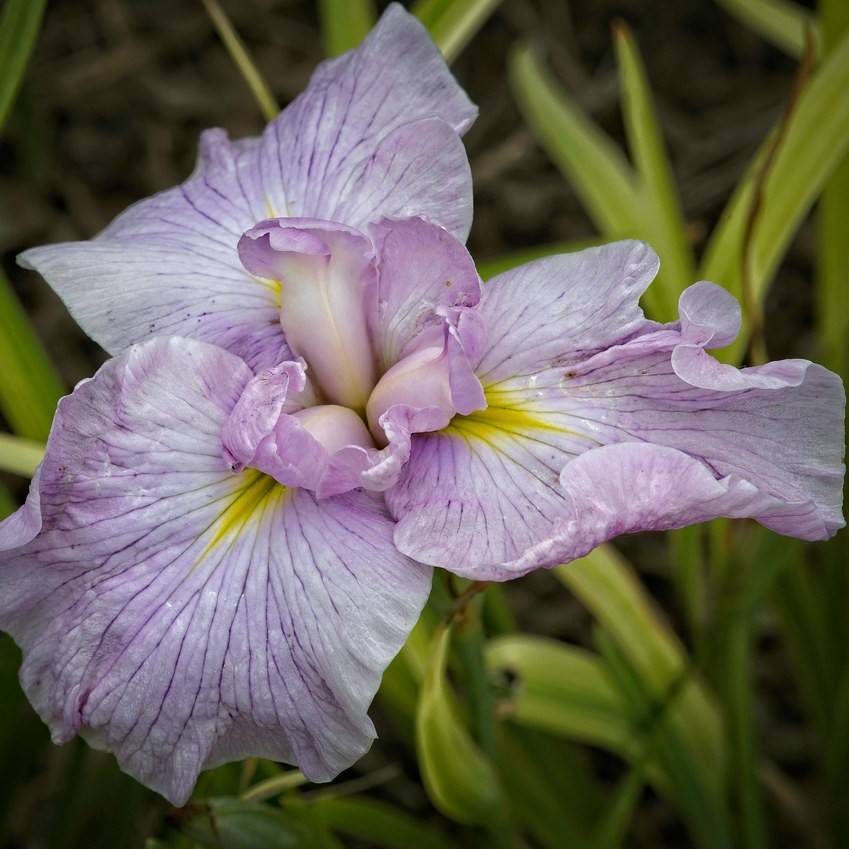
Japanese Water Iris
Iris ensata
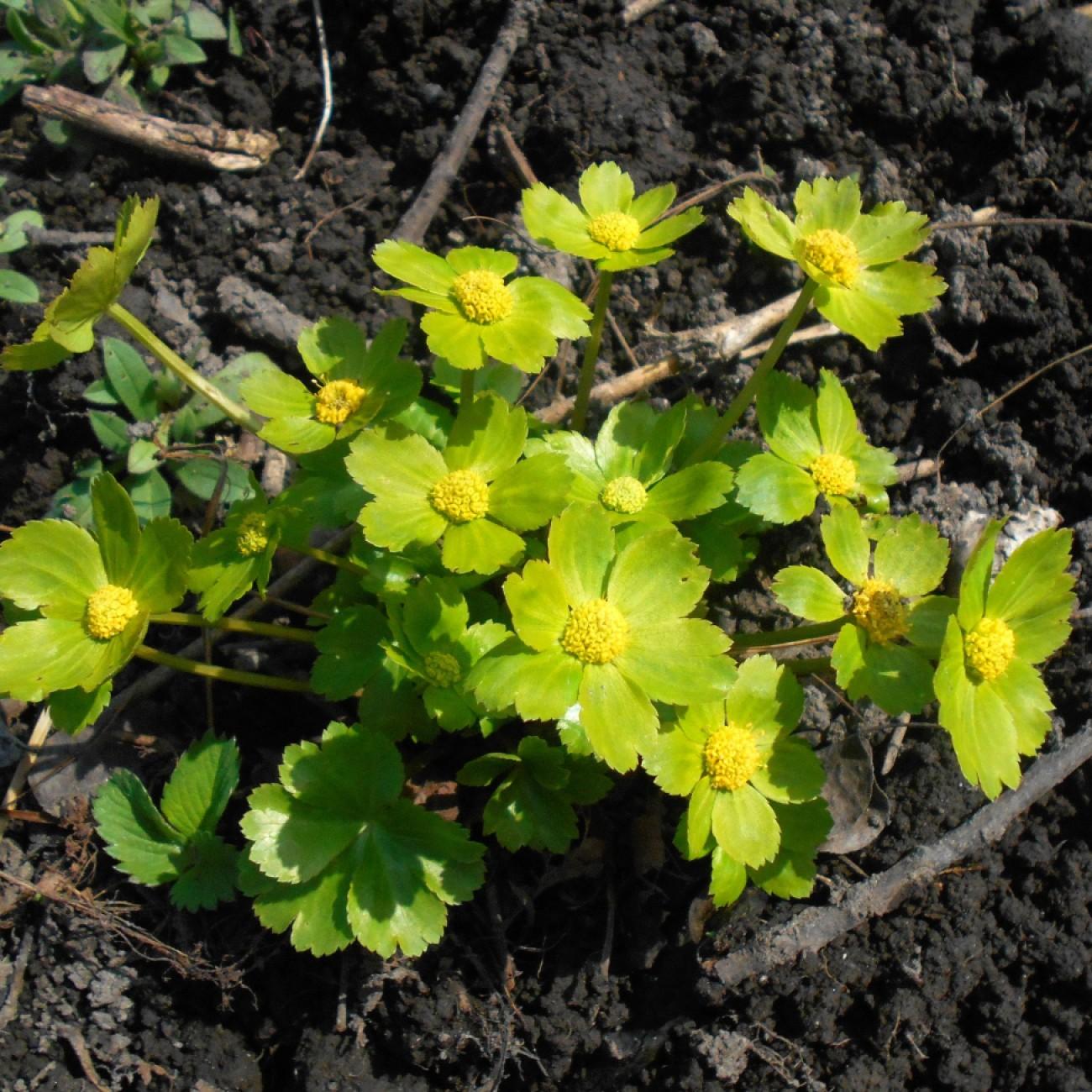
Hacquetia
Hacquetia epipactis (syn. Sanicula epipactis)
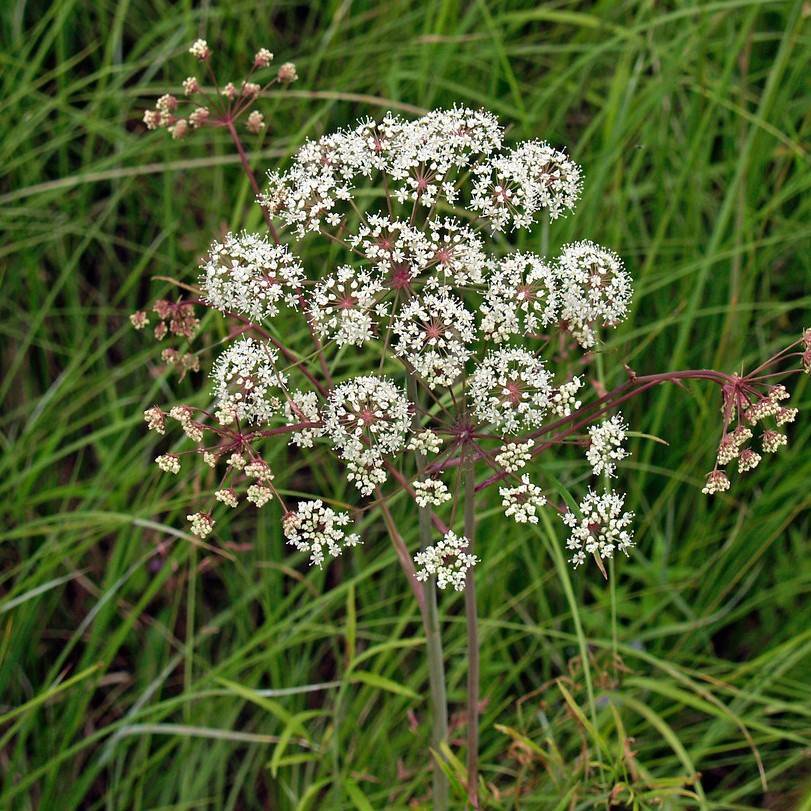
Douglas Water Hemlock
Cicuta douglasii