Bluehearts
Buchnera americana
Overview
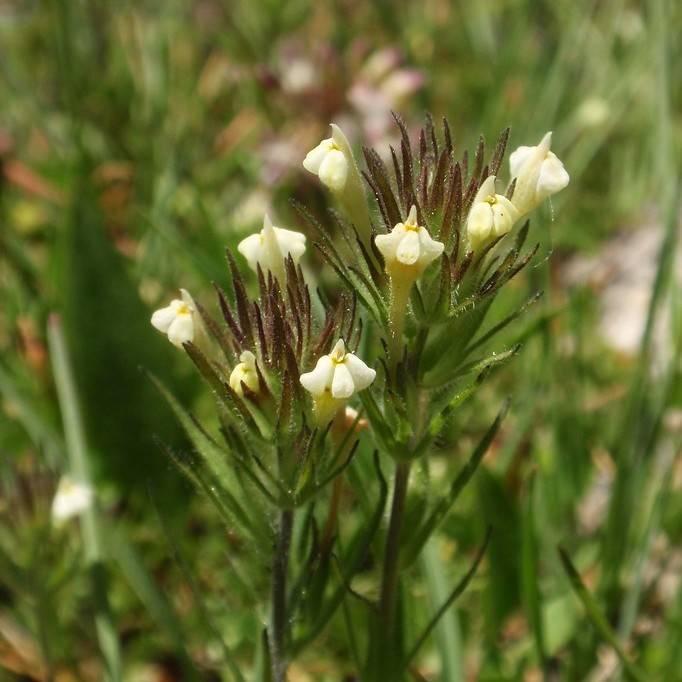
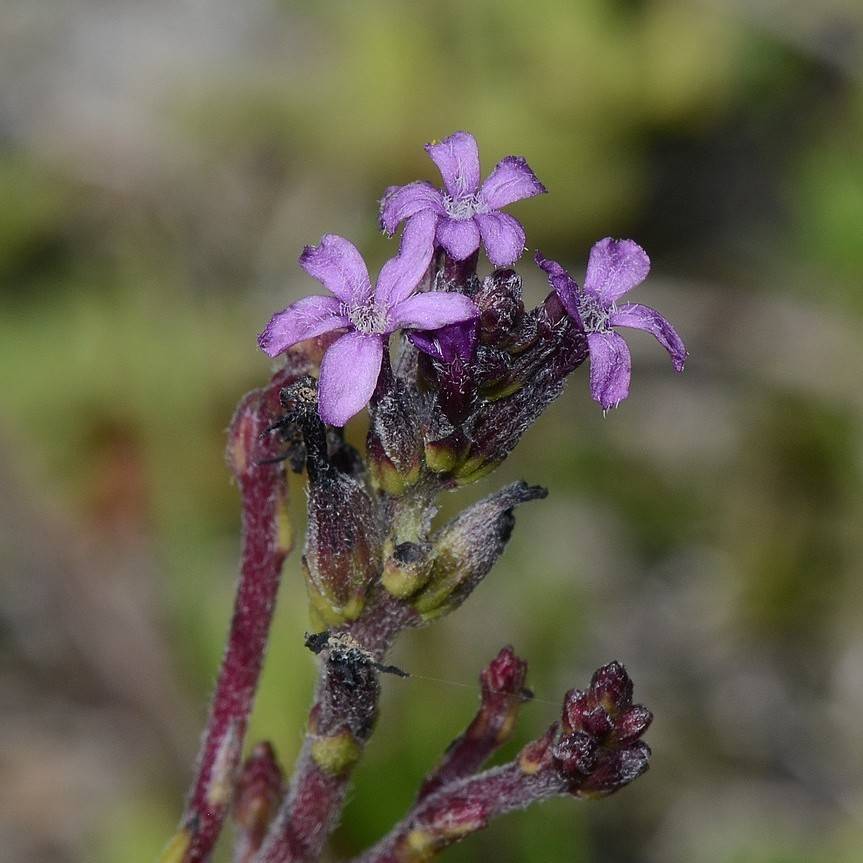
Bluehearts is a root hemiparasite that obtains partial nutrients from the roots of adjacent host plants, particularly oaks and grasses, while still performing photosynthesis. It thrives in open, sunny habitats including prairies, savannas, meadows, and rocky open woodlands, often in areas with periodic disturbance that suppresses dense woody growth. Its striking blue flower spikes bloom from mid-summer to early fall, making it a standout addition to native pollinator gardens and naturalized landscapes.
Care Guide
Watering
Bluehearts prefers consistent, moderate moisture in well-drained soils, and can tolerate short periods of drought once established. Avoid overwatering or waterlogged conditions, which can cause root rot, especially in sites with poor drainage. During extended dry spells, water deeply once every 7 to 10 days to maintain consistent soil moisture without saturation.
Light
This species requires full sun, receiving a minimum of 6 hours of direct sunlight daily, to produce abundant blooms and maintain healthy, upright growth. It will struggle and fail to flower if planted in partial or full shade, as its photosynthetic capacity is reduced and it relies on high light levels to supplement the nutrients obtained from host plants.
Soil
Bluehearts adapts to a wide range of soil types, including sandy, loamy, gravelly, and even poor, low-nutrient soils, as long as drainage is excellent. It tolerates neutral to slightly acidic pH levels, and does not require rich or amended soils, as its hemiparasitic nature allows it to access nutrients from surrounding host plant roots. Avoid heavy, compacted clay soils that retain excess moisture for extended periods.
Fertilizer
Fertilization is generally unnecessary for bluehearts, as it is adapted to low-nutrient soils and excessive nitrogen can inhibit its ability to form parasitic connections with host plants. If grown in extremely poor, sterile soils with no host plants present, a very light application of balanced, slow-release fertilizer can be applied once in early spring at half the recommended rate. Avoid frequent or high-dose fertilization, which will lead to lush, floppy foliage and reduced flowering.
Temperature
Bluehearts is cold hardy in USDA zones 3 through 8, tolerating winter lows as low as -40°F (-40°C) when established. It thrives in warm summer temperatures between 65°F and 85°F (18°C and 29°C), and can tolerate short periods of temperatures above 90°F (32°C) if soil moisture is adequate. In regions with extremely hot, humid summers, ensure the site has good air circulation to prevent foliar diseases.
Pruning
Pruning is minimal for bluehearts; spent flower spikes can be deadheaded after blooming if you wish to prevent self-seeding, though allowing seed to drop supports natural spread in native or wildflower gardens. Cut back any dead or browned foliage to the ground in late fall or early spring before new growth emerges to keep the planting neat and reduce overwintering pest habitat. Avoid heavy pruning during the growing season, as this can reduce photosynthetic capacity and stress the plant.
Propagation
Bluehearts is most commonly propagated from seed, which requires a 30 to 60 day period of cold stratification to break dormancy, and should be sown outdoors in fall or stratified and sown in early spring. For successful establishment, seeds should be sown in close proximity to suitable host plants such as native grasses or oak seedlings, as young plants require a host to obtain sufficient nutrients for survival. Vegetative propagation is rare and difficult, as the plant forms delicate parasitic root connections that are easily damaged during division.
Humidity
Bluehearts tolerates a wide range of humidity levels, thriving in the moderate to high humidity common across its native eastern North American range, as well as drier conditions in parts of its western distribution. It does not require supplemental humidity when grown outdoors in its hardiness zones, as long as soil moisture needs are met. In extremely arid climates, occasional misting or increased irrigation may be needed to prevent foliar desiccation, though this species is not well suited to very dry desert conditions.
Repotting
Bluehearts is rarely grown in containers, as its hemiparasitic root system requires access to host plant roots to thrive, and container environments limit this interaction. If grown in a large container with compatible host plants, repotting is only necessary every 2 to 3 years, or when roots begin to emerge from the drainage holes, and should be done in early spring before new growth starts. Use a well-drained, low-nutrient potting mix when repotting, and avoid damaging the delicate root connections between bluehearts and its host plants during the process.
Uses & Symbolism
Bluehearts is a popular addition to native wildflower gardens, prairie restorations, and pollinator habitats, as its nectar-rich flowers attract bumblebees, solitary bees, butterflies, and hummingbirds. It is well suited for naturalized landscapes, rock gardens, and dry meadows, where its hemiparasitic habit helps suppress the growth of aggressive grasses and supports a more diverse plant community. Historically, some Indigenous North American groups used small amounts of the plant for medicinal purposes, though it is not widely used in modern herbalism.
Diseases & Pests
Bluehearts is relatively pest and disease resistant when grown in its preferred habitat, though it can develop powdery mildew or leaf spot in sites with poor air circulation, excessive shade, or prolonged high humidity. Root rot may occur if the plant is grown in poorly drained, waterlogged soils, especially during cool, wet spring conditions. It is rarely affected by insect pests, though aphids may occasionally feed on new growth, which can be controlled with a strong spray of water or insecticidal soap if infestations are severe.
Related plants
Other plants you might like if you grow Bluehearts.
%22%2F%3E%0A%20%20%20%20%20%20%3Ccircle%20cx%3D%22920%22%20cy%3D%22180%22%20r%3D%2290%22%20fill%3D%22%23cfe8d5%22%2F%3E%0A%20%20%20%20%20%20%3Cpath%20d%3D%22M600%20590c-90-180-215-255-310-280%200%20165%20118%20296%20270%20296h40z%22%20fill%3D%22%2379b88e%22%2F%3E%0A%20%20%20%20%20%20%3Cpath%20d%3D%22M600%20590c80-150%20198-212%20302-228-8%20142-123%20255-270%20255h-32z%22%20fill%3D%22%235c9f73%22%2F%3E%0A%20%20%20%20%20%20%3Cpath%20d%3D%22M600%20610V360%22%20stroke%3D%22%234f8c64%22%20stroke-width%3D%2218%22%20stroke-linecap%3D%22round%22%2F%3E%0A%20%20%20%20%20%20%3Ctext%20x%3D%22600%22%20y%3D%22700%22%20text-anchor%3D%22middle%22%20font-family%3D%22Arial%2C%20sans-serif%22%20font-size%3D%2244%22%20fill%3D%22%23365c45%22%3E%0A%20%20%20%20%20%20%20%20Plant%20image%20coming%20soon%0A%20%20%20%20%20%20%3C%2Ftext%3E%0A%20%20%20%20%3C%2Fsvg%3E%0A%20%20)