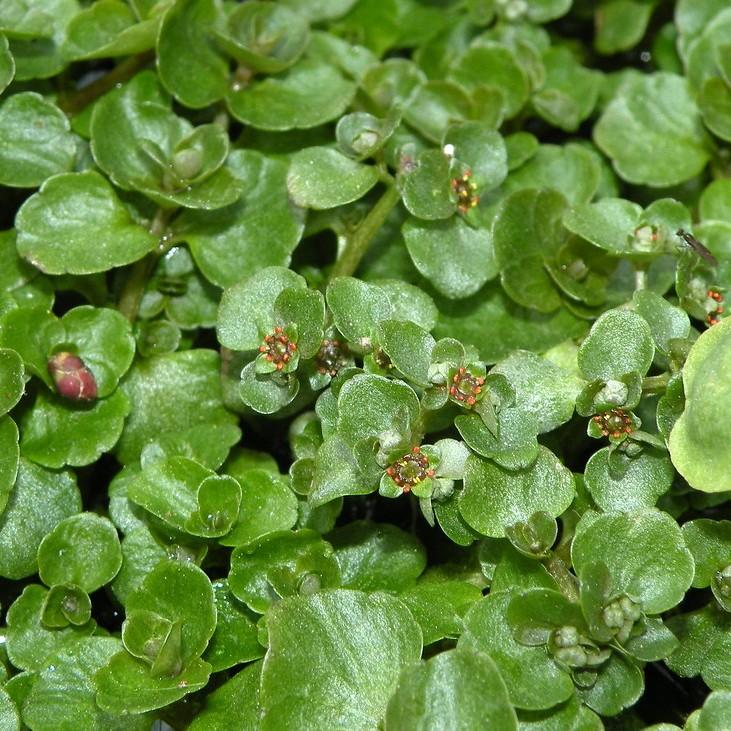
American Golden Saxifrage
Chrysosplenium americanum
Overview
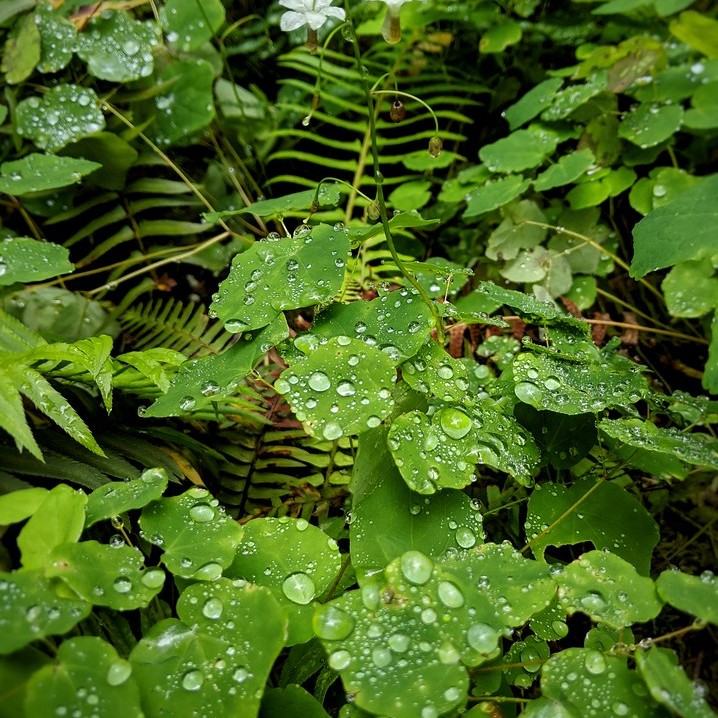
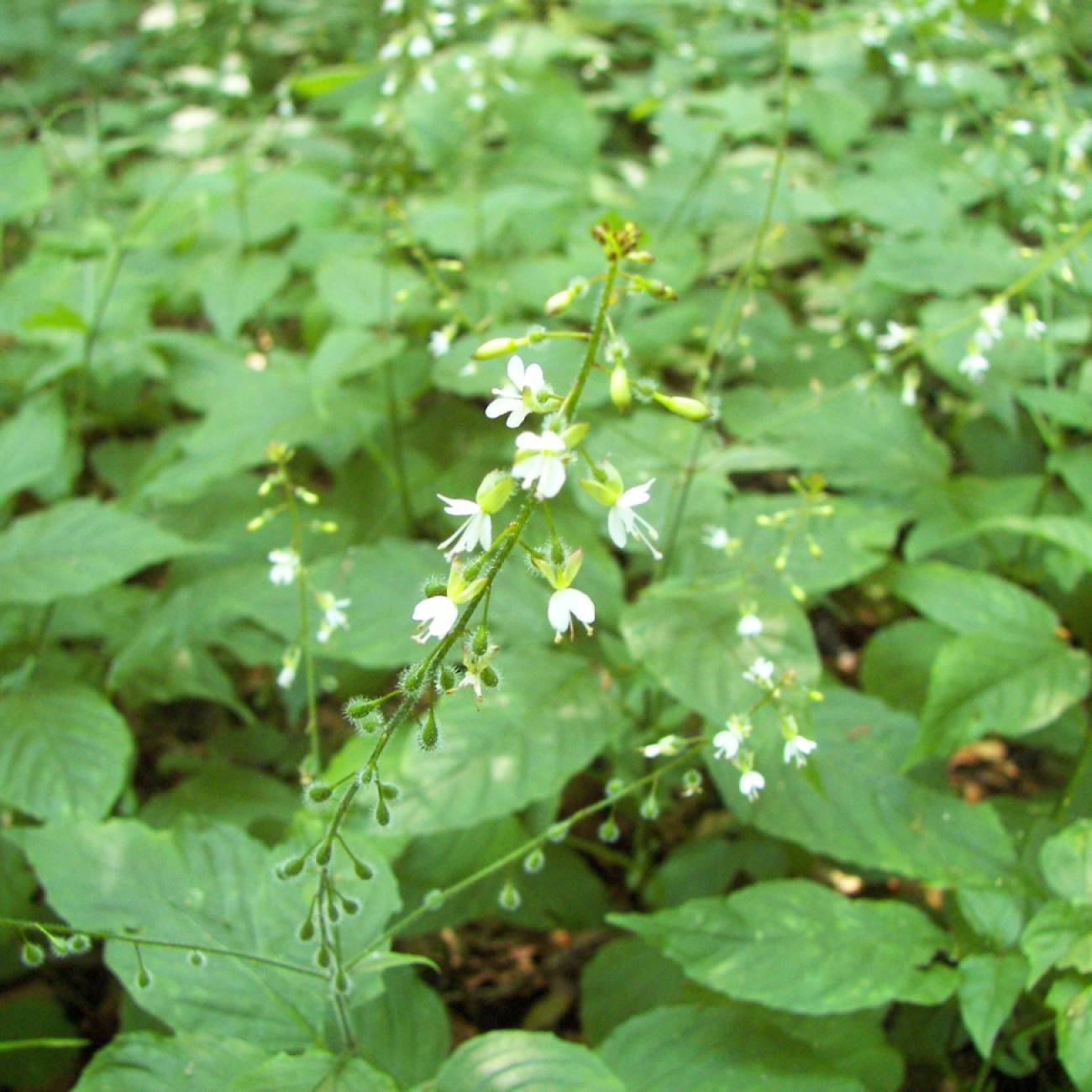
American Golden Saxifrage is a creeping, mat-forming perennial that thrives in shaded, consistently wet environments such as stream banks, seepages, and damp forest floors. It produces tiny, inconspicuous yellow-green flowers in early spring that lack petals, instead relying on showy golden bracts to attract pollinators. Its soft, rounded, shallowly lobed leaves form dense, low carpets that spread slowly via shallow rhizomes, making it an effective ground cover for cool, moist garden spots. Unlike many saxifrages, it prefers consistently saturated soils rather than rocky, well-drained sites.
Care Guide
Watering
American Golden Saxifrage requires constant moisture and should never be allowed to dry out completely; keep soil consistently saturated to very damp, mimicking its native wetland habitat. If grown in containers, ensure they sit in a shallow tray of water to maintain constant moisture levels, refilling the tray regularly to prevent drying. Avoid overhead watering in poorly ventilated areas to reduce risk of foliar fungal issues, targeting water directly at the root zone instead.
Light
This species grows best in partial to full shade, replicating the dappled light of its native forest understory habitat. It can tolerate short periods of morning sun, but harsh midday or afternoon direct sunlight will scorch its delicate leaves and cause rapid moisture loss. In indoor cultivation, place it near a north-facing window or under low to medium intensity grow lights, avoiding exposure to direct sun for more than 1-2 hours per day.
Soil
Plant in rich, loamy, highly moisture-retentive soil with a high organic matter content, such as a mix of garden loam, peat moss, and well-rotted leaf mold. It tolerates poorly drained, even slightly waterlogged soils, and can grow in saturated muck or shallow standing water up to 1 inch deep in bog or pond edge plantings. A slightly acidic to neutral pH range of 5.5 to 7.0 is ideal for optimal growth and nutrient uptake.
Fertilizer
American Golden Saxifrage has low fertilizer needs, as it evolved in nutrient-poor wetland soils; apply a dilute, balanced liquid fertilizer at 1/4 the recommended strength once per year in early spring as new growth emerges. Avoid over-fertilizing, as excess nutrients can cause lush, weak growth that is more susceptible to pest damage and may reduce flowering. If planted in rich, organic garden soil, additional fertilization is rarely required for healthy growth.
Temperature
It thrives in cool temperatures between 40-70°F (4-21°C), and is adapted to cold winter conditions, being hardy in USDA zones 3 through 7. It does not tolerate high heat or humidity above 75°F (24°C) for extended periods, which can cause leaf dieback and dormancy in warm climates. In regions with hot summers, provide extra shade and ensure consistent soil moisture to help the plant withstand elevated temperatures.
Pruning
Pruning requirements are minimal; remove any yellowed, damaged, or dead foliage in early spring before new growth emerges to improve air circulation and appearance. If the plant spreads beyond its desired area, trim back creeping rhizomes at the edges of the planting bed in late spring or early fall to contain its growth. No regular pruning of healthy foliage is needed, as the plant maintains a neat, low mat form naturally.
Propagation
The easiest method of propagation is division in early spring or late fall, carefully separating clumps of rhizomes into smaller sections and replanting them immediately in moist, shaded soil. It can also be grown from seed, which should be sown on the surface of damp, sterile potting mix in late fall for cold stratification over winter, with germination occurring in early spring. Stem cuttings taken from healthy new growth in late spring can also root readily if planted in consistently moist, shaded potting mix.
Humidity
American Golden Saxifrage prefers high humidity levels between 60-80%, typical of its native wetland and forest understory habitats. If grown indoors, place the pot on a pebble tray filled with water, or use a small humidifier nearby to maintain elevated humidity levels, as dry indoor air will cause leaf browning and wilting. Avoid placing it near heating or cooling vents, which produce dry air drafts that can damage the delicate foliage.
Repotting
Container-grown plants only need repotting every 2-3 years, when they have filled their current pot with rhizomes and show reduced growth. Repot in early spring before new growth begins, using a moisture-retentive, organic potting mix, and select a pot only 1-2 inches larger than the current one to avoid excess soil that can stay too wet and cause root rot. Ensure the pot has drainage holes, even though the plant likes wet soil, to prevent stagnant, oxygen-poor conditions that can damage roots.
Uses & Symbolism
American Golden Saxifrage is primarily used as a ground cover for shaded wet garden spots, including bog gardens, pond edges, stream banks, and rain gardens, where it forms dense mats that suppress weed growth and prevent soil erosion. It provides early spring nectar for small native bees and other pollinators, and its dense foliage offers shelter for small beneficial insects and amphibians in wetland habitats. Historically, some Indigenous North American groups used small amounts of the plant medicinally as a diuretic and for treating minor skin irritations, though it is not widely used in modern herbalism.
Diseases & Pests
The most common issues are foliar fungal diseases such as powdery mildew and leaf spot, which occur in poorly ventilated areas with high humidity and prolonged leaf wetness; improve air circulation and avoid overhead watering to reduce risk. Slugs and snails are common pests that feed on the soft, tender leaves, especially in cool, damp conditions; control them with handpicking, organic slug baits, or barriers such as crushed eggshells around planting areas. Root rot can occur if the plant is grown in stagnant, poorly aerated water or heavy soil with no drainage, so ensure even saturated soils have some water movement to maintain oxygen levels around roots.
Related plants
Other plants you might like if you grow American Golden Saxifrage.