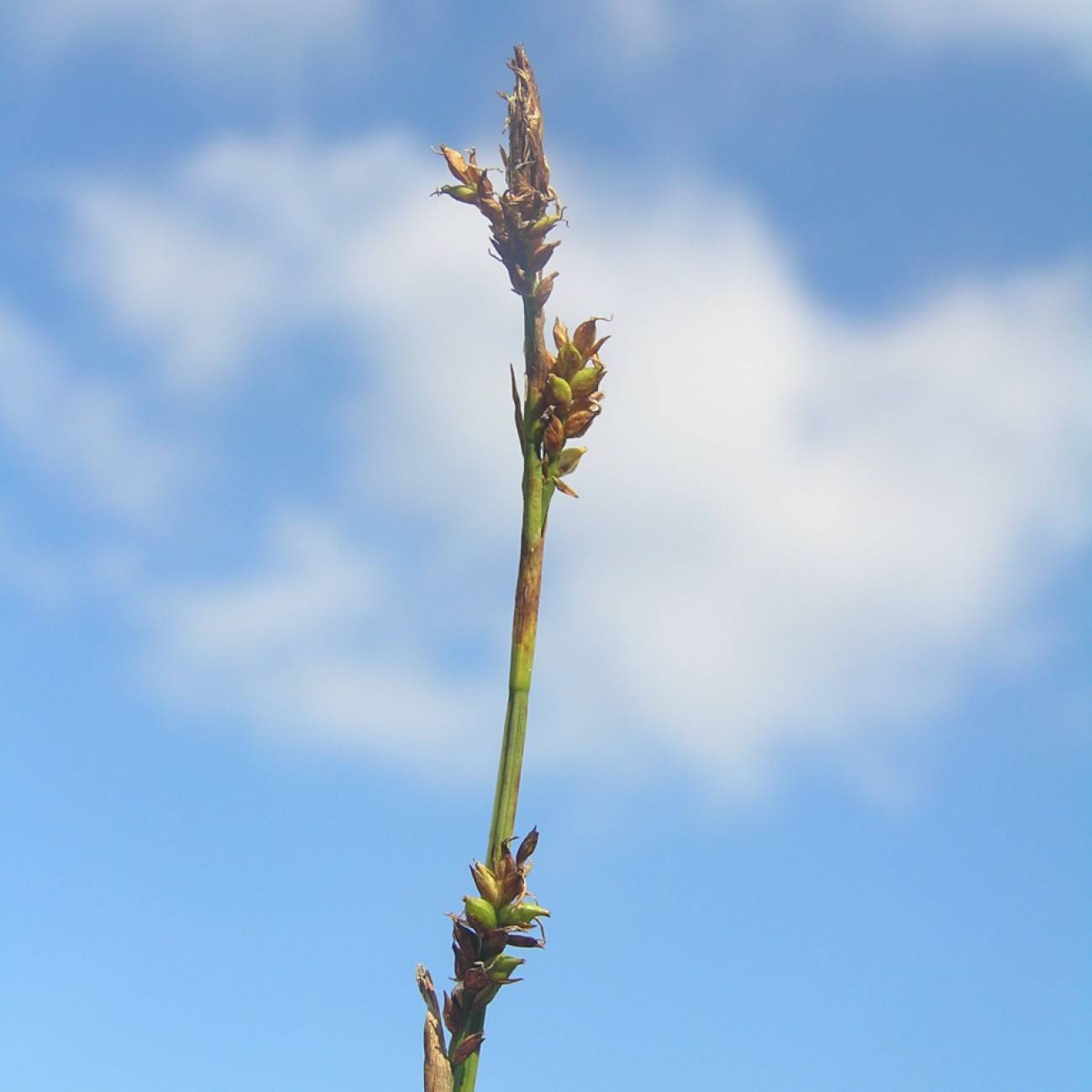
Dioecious Sedge
Carex dioica
Overview
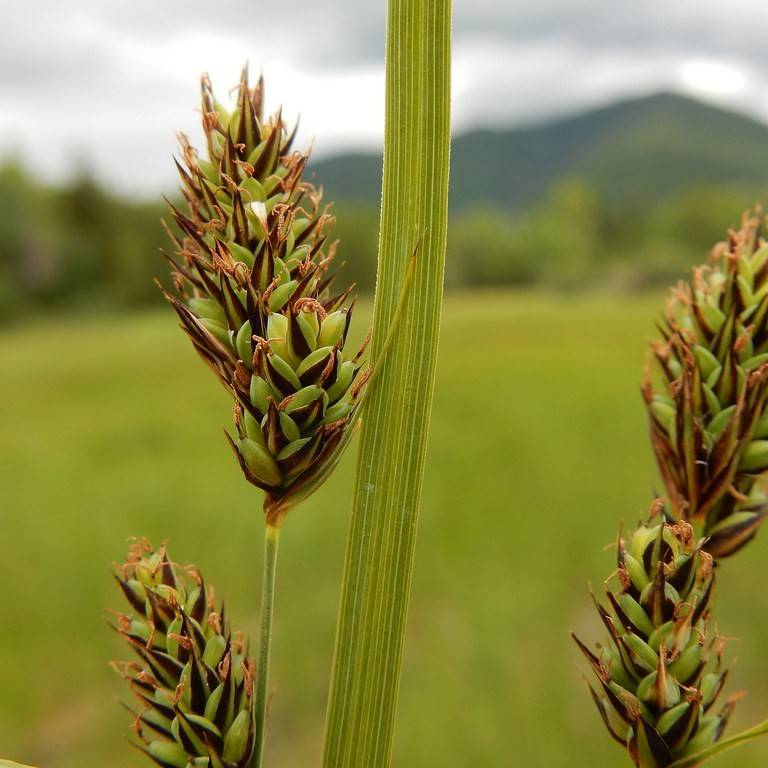
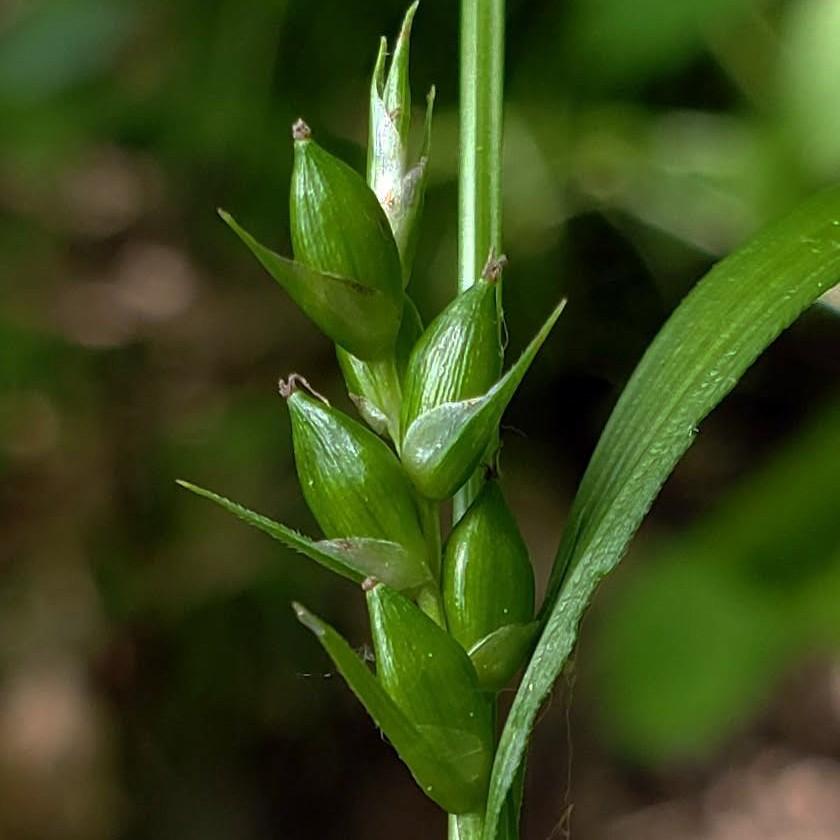
Dioecious sedge is a small, tussock-forming wetland plant that produces fine, narrow, bright green foliage with a soft, arching habit. It earns its common name from its dioecious reproductive structure, where male and female flowers grow on entirely separate individual plants. Male specimens produce upright, yellowish-brown staminate spikes, while female plants bear shorter, greenish pistillate spikes that mature into small, brown seed heads in late summer.
Care Guide
Watering
Dioecious sedge thrives in consistently moist to saturated soil, as it is adapted to wetland, bog, and marsh habitats. Never allow the root zone to dry out completely; water frequently to maintain damp conditions, even submerging the root crown in up to 2 inches of standing water for short periods. Reduce watering slightly in winter if grown in cooler, low-light indoor environments.
Light
This species prefers full sun to partial shade, with optimal growth occurring in locations that receive at least 4 hours of direct sunlight daily. In warmer southern portions of its range, provide light afternoon shade to prevent foliage scorching during the hottest summer months. Indoor specimens should be placed near a bright south or west-facing window for sufficient light exposure.
Soil
Dioecious sedge requires acidic, nutrient-poor soil with excellent moisture retention, typical of bog and fen environments. A mix of peat moss, perlite, and sand, or a commercially available acidic wetland mix, works well for cultivated specimens, with a preferred pH range between 4.0 and 6.5. Avoid rich, loamy, or alkaline soils, as these can cause root rot and poor growth.
Fertilizer
This sedge is adapted to low-nutrient habitats and requires very little supplemental fertilization to thrive. Apply a diluted, balanced liquid fertilizer at half strength once per year in early spring, if growth appears stunted or foliage is pale. Over-fertilization will lead to excessive, weak growth and can disrupt the acidic soil conditions it prefers.
Temperature
Dioecious sedge is extremely cold-hardy, tolerating winter temperatures as low as -40°F (-40°C) in its native boreal range. It grows best in cool temperatures between 50°F and 75°F (10°C and 24°C), and may suffer from heat stress if exposed to prolonged temperatures above 85°F (29°C). Indoor specimens should be kept in cool rooms away from hot heating vents during the winter months.
Pruning
Prune dioecious sedge in late winter or early spring before new growth emerges, cutting back dead or brown foliage to within 1 inch of the soil line to encourage fresh, healthy growth. Remove any spent flower spikes after they fade in late summer to keep the clump looking tidy, if desired. Avoid heavy pruning during the active growing season, as this can stress the plant.
Propagation
Dioecious sedge is most easily propagated via division of established clumps in early spring, just as new growth begins to appear. Separate small, rooted sections from the parent tussock, ensuring each division has a portion of the root system, and replant immediately in damp, acidic soil. It can also be grown from seed, though seeds require a 2 to 3 month cold stratification period to germinate, and male and female plants must be grown near each other to produce viable seed.
Humidity
This species prefers moderate to high humidity levels between 50% and 70%, consistent with its native wetland habitat. If grown indoors, mist the foliage regularly or place the pot on a tray filled with pebbles and water to raise ambient humidity around the plant. Low humidity levels below 40% can cause leaf tips to turn brown and dry out.
Repotting
Dioecious sedge grows slowly and only needs repotting every 3 to 4 years, when the clump has outgrown its current container. Repot in early spring, using a fresh acidic, moisture-retentive soil mix, and select a pot only 1 to 2 inches larger in diameter than the previous one to avoid excess soil that can hold too much stagnant water. Ensure the pot has adequate drainage holes to prevent root rot, even in damp conditions.
Uses & Symbolism
Dioecious sedge is widely used in native wetland restoration projects, rain gardens, and bog gardens to stabilize soil, filter runoff, and provide habitat and food for small wetland birds and pollinators. Its low, compact clumping habit makes it a suitable ornamental edge plant for water features, pond margins, and damp, shaded garden beds. It is also occasionally grown as a cool-climate houseplant for bright, humid indoor spaces such as sunrooms and bathroom windowsills.
Diseases & Pests
Dioecious sedge is relatively pest and disease resistant when grown in its preferred moist, acidic conditions. Overly dry soil or low humidity can attract spider mites and aphids, while saturated, non-acidic soil may lead to root rot and fungal leaf spot diseases. Snails and slugs may occasionally feed on young, tender foliage in outdoor garden settings, especially in cool, damp weather.
Related plants
Other plants you might like if you grow Dioecious Sedge.