Intermediate Iris
Iris × germanica 'Intermedia'
Overview
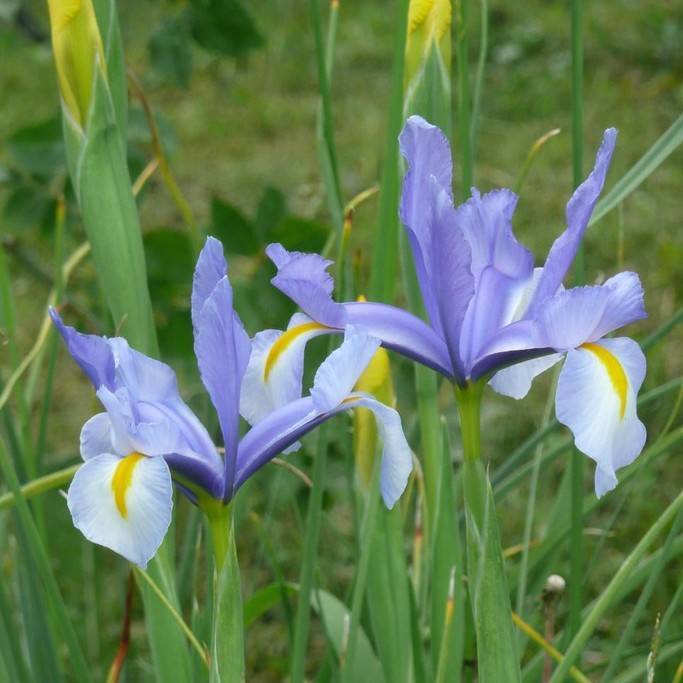
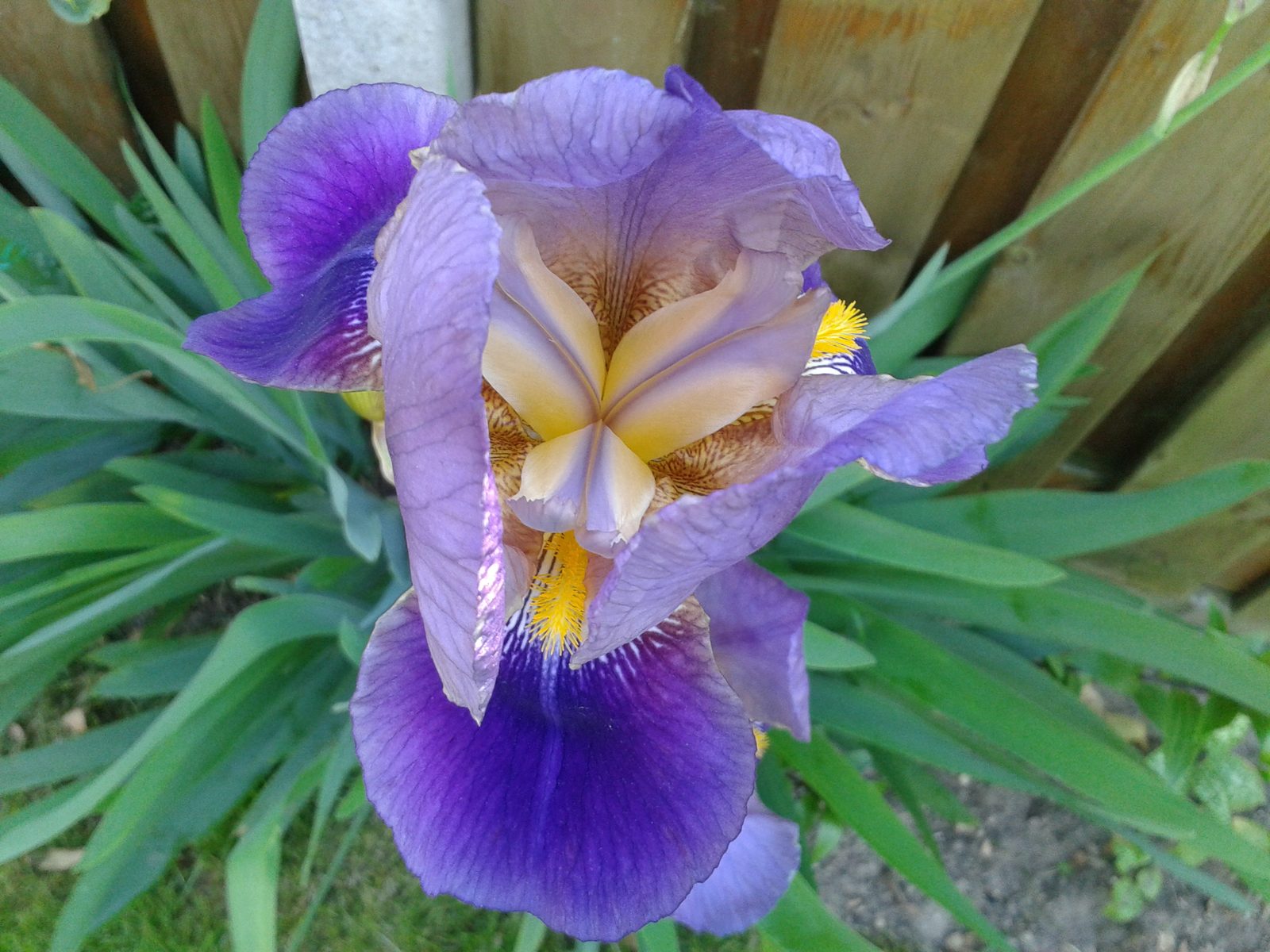
Intermediate Iris is a popular bearded iris hybrid that bridges the size gap between dwarf and tall bearded iris varieties, typically blooming 2–3 weeks after dwarf cultivars and before tall selections. Its distinctive ruffled blooms feature a fuzzy 'beard' along the center of the lower, downward-curving petals, with color variations including purple, blue, yellow, white, and bi-toned patterns. Hardy in USDA zones 3–9, it forms clumping, upright stands of sword-shaped, blue-green foliage that remains ornamental for much of the growing season even after blooms fade.
Care Guide
Watering
Water newly planted rhizomes regularly to keep the top 2 inches of soil lightly moist for the first 2–3 months until established; reduce watering after rooting, providing 1 inch of water per week during active growth and bloom periods. Avoid overwatering, as saturated soil causes rhizome rot; reduce irrigation significantly in late summer and fall to allow rhizomes to enter dormancy properly.
Light
Grow Intermediate Iris in full sun, with a minimum of 6 hours of direct, unfiltered sunlight daily to support strong bloom production. Plants grown in partial shade will produce fewer flowers, develop lanky foliage, and have increased susceptibility to fungal diseases, so avoid shaded locations for optimal performance.
Soil
Plant in well-drained, fertile, loamy or sandy soil with a neutral to slightly alkaline pH between 6.8 and 7.2; heavy clay soils should be amended with compost, sand, or perlite to improve drainage before planting. Ensure rhizomes are positioned with the top third exposed above the soil surface, as burying rhizomes completely will lead to rot and poor flowering.
Fertilizer
Apply a low-nitrogen, balanced granular fertilizer (such as 5-10-10 or 6-10-10) in early spring just as new growth emerges, sprinkling it around the base of plants and watering it in thoroughly to avoid burning rhizomes. A second light application of the same fertilizer can be applied immediately after blooming to support rhizome development for the following year’s flowers; avoid high-nitrogen fertilizers, which promote excessive foliage growth at the expense of blooms.
Temperature
Intermediate Iris thrives in temperate climates with average summer temperatures between 60–85°F (15–29°C), and tolerates winter lows down to -30°F (-34°C) when planted in well-drained soil. In regions with extremely hot summer temperatures, provide light afternoon shade to prevent foliage scorching, but ensure morning sun exposure is maintained for healthy growth.
Pruning
Remove spent flower stalks at the base immediately after blooming to prevent seed formation, which diverts energy from rhizome storage, and to reduce the risk of fungal disease developing on decaying stem tissue. Cut back foliage to 6–8 inches above the soil line in late fall after the first hard frost, and remove all dead or yellowing leaves throughout the growing season to improve air circulation around the plants.
Propagation
The most reliable propagation method is division of established clumps, performed every 3–4 years 4–6 weeks after blooming ends, when plants are in their period of active root growth. Dig up the entire clump, cut rhizomes into sections with a sharp, sterilized knife, ensuring each section has at least one healthy fan of leaves and a set of roots, then replant sections immediately at the correct depth, spacing them 12–18 inches apart.
Humidity
Intermediate Iris prefers average ambient humidity levels between 40–60%, and tolerates dry conditions far better than excessive moisture. High humidity combined with poor air circulation increases the risk of fungal leaf spot and rhizome rot, so space plants appropriately to allow good air flow and avoid overhead watering to keep foliage dry.
Repotting
If grown in containers, repot every 2–3 years in late summer after dormancy begins, using a fast-draining potting mix formulated for perennials, and selecting a pot with multiple drainage holes to prevent waterlogging. When repotting, divide overgrown clumps as needed, ensure rhizomes are partially exposed above the soil surface, and water lightly after repotting to settle the soil around roots.
Uses & Symbolism
Intermediate Iris is widely planted in perennial borders, rock gardens, cottage gardens, and mass landscape plantings for its vibrant, early spring blooms and low-maintenance growth habit; its cut flowers are also popular for floral arrangements, lasting 5–7 days in a vase with regular water changes. Historically, iris rhizomes have been used in traditional medicine for their anti-inflammatory properties, and dried orris root from related iris cultivars is used in perfumery and potpourri, though Intermediate Iris is not typically grown for commercial orris root production.
Diseases & Pests
The most common disease affecting Intermediate Iris is rhizome rot, caused by overwatering, poorly drained soil, or deep planting, which appears as soft, foul-smelling decay on rhizomes and wilting foliage; affected sections should be cut away, and remaining rhizomes treated with a fungicide before replanting in fresh, well-drained soil. Fungal leaf spot and iris rust appear as brown, yellow, or orange spots on foliage, and can be prevented by ensuring good air circulation, avoiding overhead watering, and removing affected leaves promptly; severe infections can be treated with a copper-based fungicide. Common pests include iris borers, whose larvae tunnel into rhizomes and cause widespread damage, and aphids, which suck sap from new growth; borers can be controlled by removing dead foliage in fall where eggs overwinter, while aphids can be treated with insecticidal soap or neem oil.
Related plants
Other plants you might like if you grow Intermediate Iris.