Bethlehem Sage
Pulmonaria saccharata
Overview
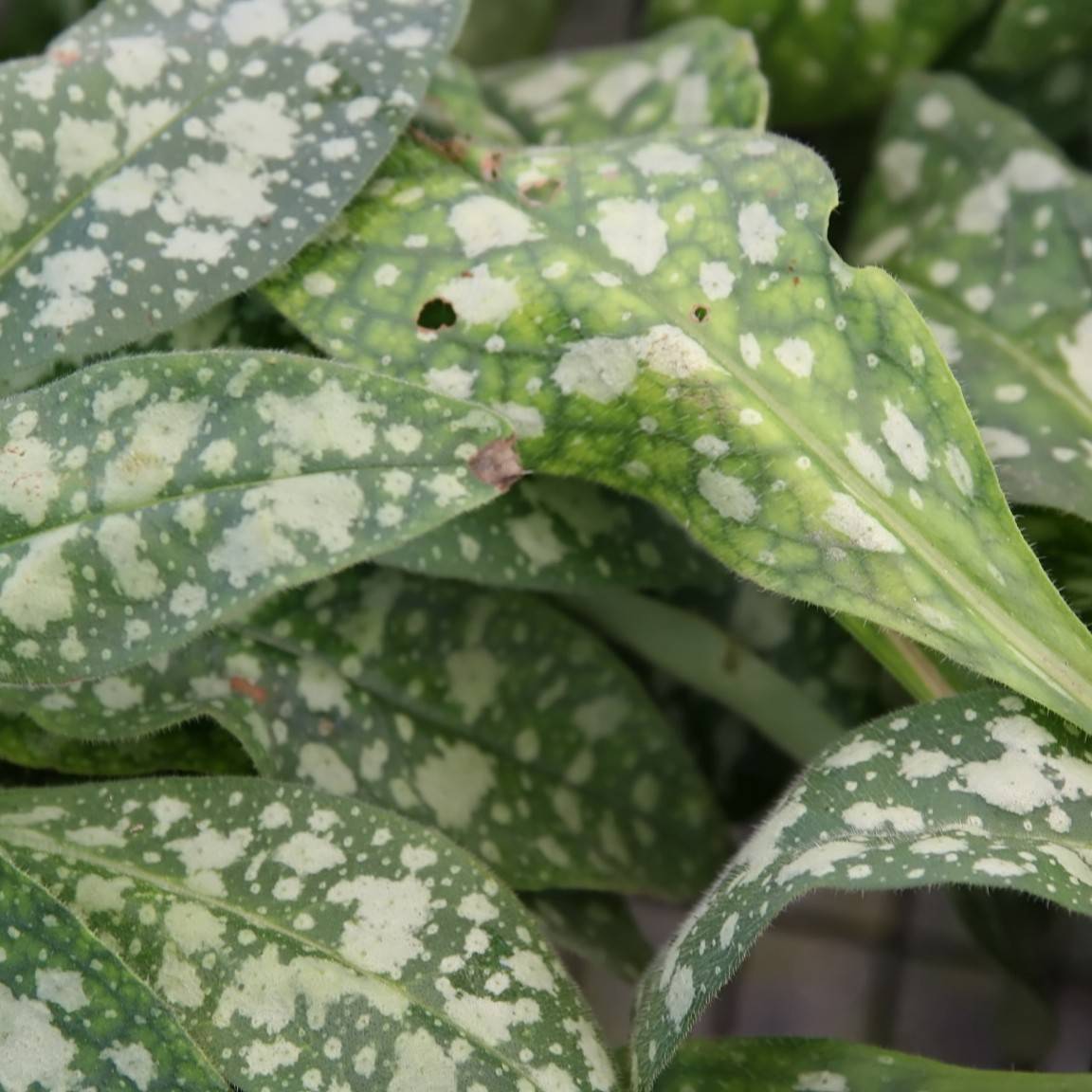
Bethlehem sage, also called lungwort, is a low-growing herbaceous perennial valued for its decorative foliage and early spring flowers. Its fuzzy, deep green leaves are heavily speckled with silvery-white splotches that remain attractive from spring through fall. The small, funnel-shaped flowers open pink before maturing to soft blue, creating a charming two-tone effect as blooms transition. It is a popular choice for shaded garden beds, woodland gardens, and ground cover under deciduous trees.
Care Guide
Watering
Water regularly to keep soil consistently moist but not waterlogged, especially during dry summer periods. Reduce watering frequency in late fall and winter when the plant goes dormant, allowing the top 1-2 inches of soil to dry out between waterings. Avoid overhead watering to prevent fungal spots on foliage.
Light
Thrives in partial to full shade, making it ideal for areas with dappled sunlight under trees or north-facing garden spots. It can tolerate brief periods of morning sun, but harsh midday or afternoon sun will scorch its leaves and cause foliage to wilt prematurely. Too much direct sun will also fade the distinctive silver leaf markings.
Soil
Prefers rich, well-draining, loamy soil with a slightly acidic to neutral pH between 6.0 and 7.0. Amend heavy clay or sandy soils with compost or well-rotted leaf mold before planting to improve moisture retention and nutrient content. Avoid waterlogged, compacted soils that can cause root rot.
Fertilizer
Apply a balanced, slow-release granular fertilizer in early spring just as new growth emerges, to support foliage development and flowering. Alternatively, top dress with a 1-inch layer of compost or well-rotted manure in spring to provide steady nutrients throughout the growing season. Avoid over-fertilizing, which can lead to lush, soft foliage that is prone to pest damage and reduces the intensity of silver leaf markings.
Temperature
Grows best in cool to moderate temperatures between 50-75°F (10-24°C), and is hardy in USDA zones 3 through 8. It tolerates cold winter temperatures down to -40°F (-40°C) when dormant, and will die back to the ground in late fall before reemerging in early spring. In regions with hot summers, provide extra shade and moisture to prevent foliage from browning at the edges.
Pruning
Snip off spent flower stalks after blooming finishes to encourage denser foliage growth and prevent self-seeding if desired. Remove any tattered, brown, or diseased leaves in early spring before new growth emerges, and trim back damaged foliage at any point during the growing season to keep the plant looking neat. If foliage becomes scorched or worn in mid-summer, cut the entire plant back to 2-3 inches above the soil line to encourage fresh, vibrant new leaf growth.
Propagation
Easiest to propagate by division in early spring just as new growth appears, or in early fall after flowering finishes. Dig up the entire clump, gently separate the root mass into smaller sections with at least 3-4 growing points each, and replant immediately at the same depth as the original plant. It can also be grown from seed sown directly outdoors in fall, but seed-grown plants may not retain the exact foliage pattern or flower color of the parent plant.
Humidity
Tolerates average ambient humidity levels between 40-60%, typical of temperate garden environments. It benefits from higher humidity in shaded woodland settings, which helps keep foliage lush and prevents leaf tip browning in dry conditions. If grown in a container indoors or in a dry climate, mist foliage occasionally or place a tray of pebbles with water nearby to raise local humidity.
Repotting
If grown in containers, repot every 2-3 years in early spring before new growth starts, using a fresh, peat-free potting mix amended with leaf mold. Choose a pot that is 1-2 inches wider than the previous one to accommodate its spreading root system, and ensure it has ample drainage holes to prevent waterlogging. Divide overcrowded clumps at repotting time to maintain healthy, vigorous growth.
Uses & Symbolism
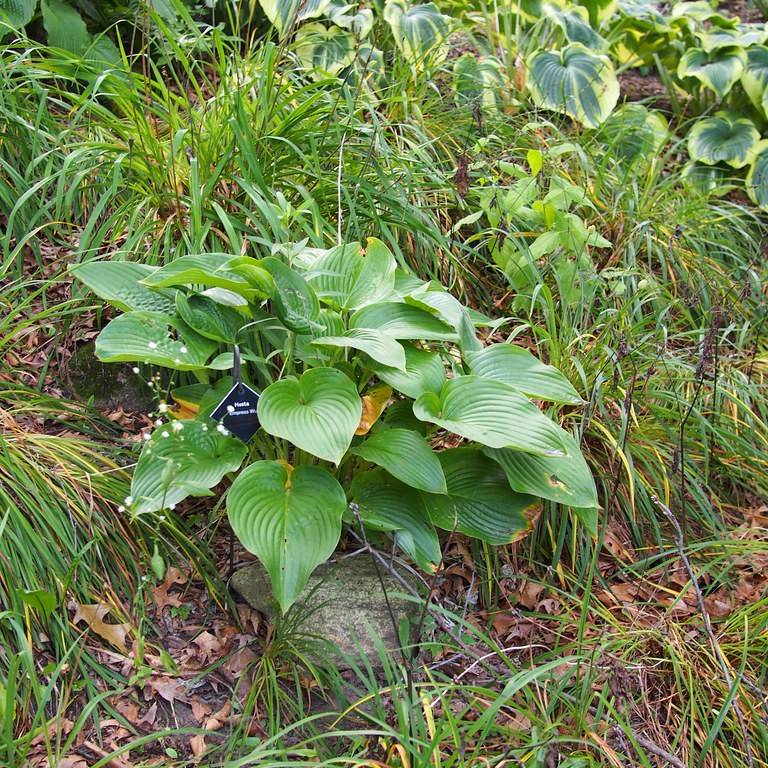
Bethlehem sage is primarily grown as an ornamental ground cover for shaded garden areas, paired with other shade lovers like hostas, ferns, and astilbes. Its attractive foliage and early blooms make it a popular addition to cut flower arrangements, with leaves adding unique texture to mixed bouquets. Historically, it was used in traditional herbal medicine to treat respiratory conditions, though it is not recommended for medicinal use today without professional guidance.
Diseases & Pests
The most common issues are fungal diseases like powdery mildew and leaf spot, which occur in humid conditions with poor air circulation or overhead watering. Slugs and snails are frequent pests that feed on the soft, tender foliage, especially in damp, shaded locations. Root rot can develop if the plant is grown in heavy, waterlogged soil, so ensuring proper drainage is critical to prevent this issue.
Related plants
Other plants you might like if you grow Bethlehem Sage.