Asiatic Lily
Lilium asiaticum hybrid
Overview
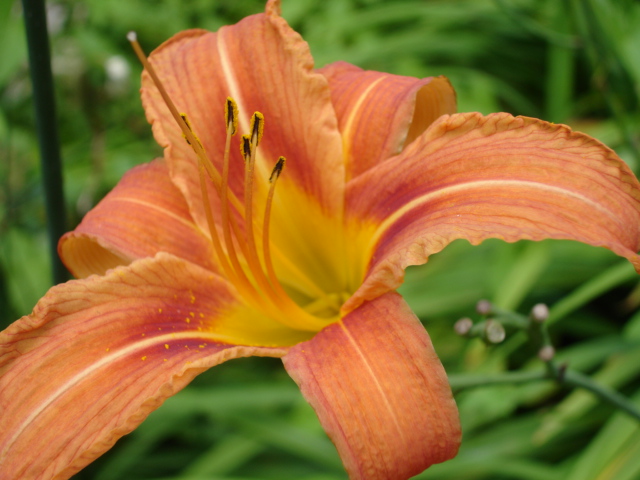
Asiatic lilies are among the most widely grown lily hybrids, developed by crossing wild lilies native to regions including China, Japan, and Siberia. They produce clusters of 3 to 12 upward-facing, unscented blooms in a vast range of hues including red, orange, yellow, pink, white, and bi-colored patterns, blooming earlier than other lily groups such as Oriental lilies. These hardy plants are prized for their adaptability to a wide range of growing conditions, making them a staple in cut flower arrangements and perennial garden beds alike.
Care Guide
Watering
Water Asiatic lilies deeply once or twice per week, keeping the soil consistently moist but never waterlogged to prevent bulb rot. Reduce watering gradually after flowering ends as the foliage begins to die back for the season, and withhold water entirely during the dormant winter period in cold climates. Avoid overhead watering to minimize the risk of fungal leaf spot diseases.
Light
Asiatic lilies thrive in full sun, requiring at least 6 to 8 hours of direct sunlight daily to produce strong, sturdy stems and abundant blooms. They can tolerate light partial shade, particularly in regions with intense midday summer heat, though excessive shade will cause stems to stretch and bloom production to decline. Planting in a location with morning sun and light afternoon shade is ideal in warm southern climates to prevent flower fading.
Soil
Grow Asiatic lilies in well-drained, loamy or sandy soil with a slightly acidic to neutral pH between 6.0 and 7.0. Heavy clay soils that hold excess moisture will cause bulb rot, so amend with compost, peat moss, or perlite to improve drainage prior to planting. The top layer of soil around the bulbs can be mulched with organic material to keep roots cool and suppress weed growth.
Fertilizer
Feed Asiatic lilies in early spring as new shoots emerge, using a balanced, slow-release 10-10-10 fertilizer worked into the soil around the base of the plants. Apply a second light feeding of a phosphorus-rich fertilizer just as flower buds begin to form to support robust bloom development. Avoid over-fertilizing, as excessive nitrogen will encourage lush foliage growth at the expense of flowers and may weaken stems.
Temperature
Asiatic lilies are cold-hardy in USDA zones 3 through 9, tolerating winter temperatures as low as -40°F (-40°C) when bulbs are planted at the proper depth and insulated with mulch in cold regions. They grow best during active growth in temperatures between 60°F and 75°F (15°C and 24°C), and established plants can tolerate short periods of summer heat above 90°F (32°C) if soil moisture is maintained. Bulbs require a 12 to 16 week period of cold temperatures below 45°F (7°C) during winter dormancy to trigger healthy spring growth.
Pruning
Remove spent flower heads immediately after blooming to prevent the plant from expending energy on seed production, cutting the stem just below the flower cluster while leaving all foliage intact. Allow the leaves to yellow and die back naturally in late summer or early fall, as they photosynthesize to store energy in the bulb for the following year’s growth. Once foliage is completely brown and wilted, cut stems back to ground level and remove all plant debris to reduce overwintering pest and disease risk.
Propagation
Asiatic lilies are most commonly propagated by dividing bulb offsets, which form around the base of mature parent bulbs every 2 to 3 years during the dormant season in fall or early spring. Carefully dig up clumps, separate small offsets from the main bulb, and replant them at a depth 3 times the size of the bulb, spacing them 8 to 12 inches apart. They can also be grown from bulb scales, which are peeled from mature bulbs, planted in a well-drained medium, and kept moist until small bulblets form, though this method takes 2 to 3 years to produce flowering plants.
Humidity
Asiatic lilies prefer average ambient humidity levels between 30% and 50%, which is typical of most temperate outdoor growing environments. They do not require elevated humidity, and high humidity combined with poor air circulation can increase the risk of fungal diseases such as botrytis blight. If grown in containers indoors for cut flower forcing, provide good air movement around plants to prevent moisture buildup on foliage.
Repotting
Container-grown Asiatic lilies should be repotted every 2 to 3 years during the dormant season, or when bulbs become overcrowded and begin pushing out of the soil surface. Gently remove the clump of bulbs from the container, separate any offsets, and replant fresh bulbs in a well-drained potting mix, placing them 6 to 8 inches deep with at least 2 inches of space between each bulb. Use a container with drainage holes at least 12 inches deep to accommodate the bulb’s deep root system, and add a layer of gravel at the bottom to improve drainage.
Uses & Symbolism
Asiatic lilies are extremely popular as cut flowers, with long-lasting, vibrant blooms that make them a staple in floral arrangements and bouquets for home decor and special events. They are widely planted in perennial garden beds, borders, and cottage gardens, where their early-summer blooms add bold color and vertical interest to landscape designs. Dwarf Asiatic lily cultivars are also grown in containers for patios, balconies, and indoor forcing for seasonal flowering displays.
Diseases & Pests
Asiatic lilies are susceptible to botrytis blight, a fungal disease that causes brown spots on foliage and blooms during periods of cool, wet weather and high humidity, which can be prevented by ensuring good air circulation and avoiding overhead watering. Bulb rot, caused by waterlogged soil or poorly drained planting sites, will cause bulbs to become soft and mushy, leading to stunted growth or plant death. Common pests include lily leaf beetles, whose larvae feed on foliage and can defoliate plants rapidly, as well as aphids and slugs that feed on young shoots and flower buds.
Related plants
Other plants you might like if you grow Asiatic Lily.
%22%2F%3E%0A%20%20%20%20%20%20%3Ccircle%20cx%3D%22920%22%20cy%3D%22180%22%20r%3D%2290%22%20fill%3D%22%23cfe8d5%22%2F%3E%0A%20%20%20%20%20%20%3Cpath%20d%3D%22M600%20590c-90-180-215-255-310-280%200%20165%20118%20296%20270%20296h40z%22%20fill%3D%22%2379b88e%22%2F%3E%0A%20%20%20%20%20%20%3Cpath%20d%3D%22M600%20590c80-150%20198-212%20302-228-8%20142-123%20255-270%20255h-32z%22%20fill%3D%22%235c9f73%22%2F%3E%0A%20%20%20%20%20%20%3Cpath%20d%3D%22M600%20610V360%22%20stroke%3D%22%234f8c64%22%20stroke-width%3D%2218%22%20stroke-linecap%3D%22round%22%2F%3E%0A%20%20%20%20%20%20%3Ctext%20x%3D%22600%22%20y%3D%22700%22%20text-anchor%3D%22middle%22%20font-family%3D%22Arial%2C%20sans-serif%22%20font-size%3D%2244%22%20fill%3D%22%23365c45%22%3E%0A%20%20%20%20%20%20%20%20Plant%20image%20coming%20soon%0A%20%20%20%20%20%20%3C%2Ftext%3E%0A%20%20%20%20%3C%2Fsvg%3E%0A%20%20)