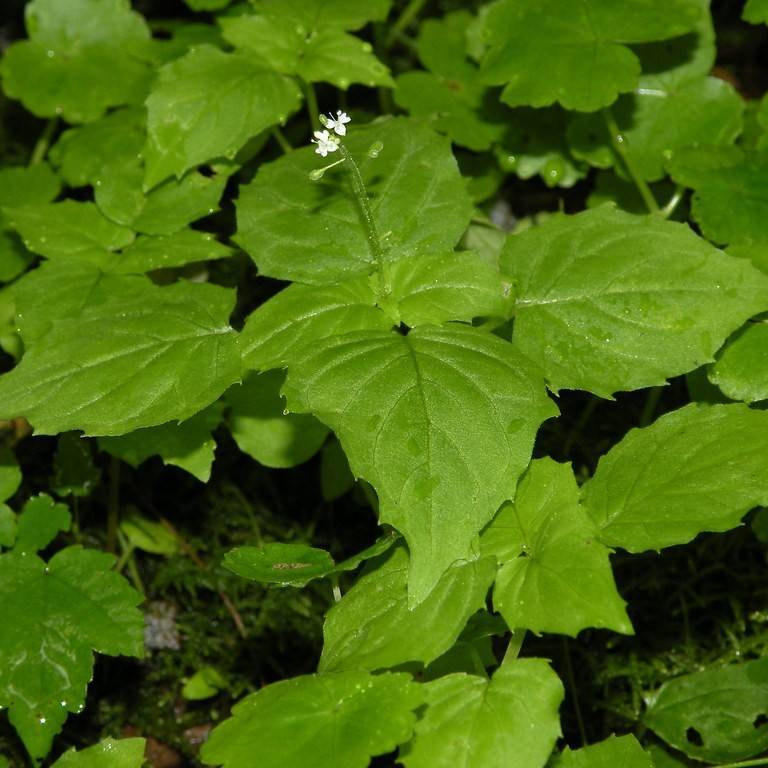
Intermediate Enchanter's Nightshade
Circaea lutetiana subsp. intermedia
Overview
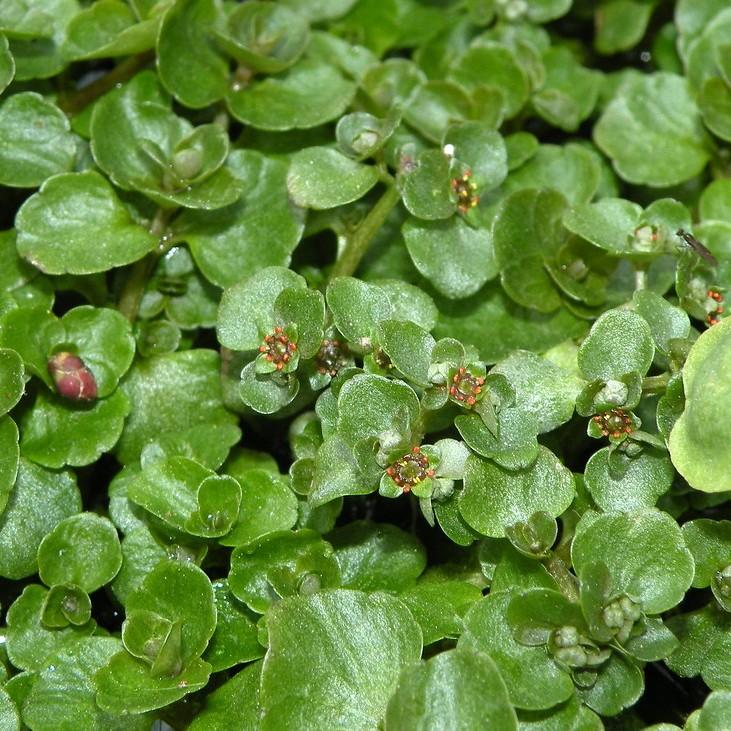
Intermediate enchanter's nightshade is a delicate herbaceous perennial belonging to the evening primrose family, distinguished by its opposite, softly hairy oval leaves and loose racemes of small, two-petaled white flowers that bloom in mid-summer. Its common name references the enchantress Circe from Greek mythology, linked to the plant's historic association with folk magic and its mild toxic properties. It spreads slowly via slender rhizomes to form low colonies in suitable shaded, moist environments, rarely becoming aggressive in cultivated settings.
Care Guide
Watering
Prefers consistently moist, well-drained soil that never dries out completely; water regularly during dry periods to maintain even soil moisture, avoiding waterlogged conditions that can cause root rot. Reduce watering frequency in the dormant winter season, allowing the top inch of soil to dry out slightly between applications to prevent fungal growth around dormant rhizomes.
Light
Thrives in partial to full shade, replicating its native woodland understory habitat; avoid direct midday sun, which will scorch its delicate foliage and cause leaf drop. It can tolerate very low light levels, making it suitable for shaded garden corners or north-facing outdoor spaces, though flowering will be reduced in deep full shade.
Soil
Requires rich, humus-dense, loamy soil with a slightly acidic to neutral pH (5.5 to 7.0) that retains moisture without becoming soggy. Amend planting sites with well-rotted leaf mold or compost before planting to boost organic content and improve soil structure, mimicking the leaf litter layer of its native woodland habitat.
Fertilizer
Does not require heavy feeding; apply a thin layer of compost or aged leaf mold around the base of plants in early spring to supply slow-release nutrients for the growing season. Avoid synthetic high-nitrogen fertilizers, which can encourage excessive, floppy foliage growth at the expense of flowering and may damage the plant's delicate rhizome system.
Temperature
Prefers cool, temperate conditions, thriving in average summer temperatures between 60 and 75°F (15 and 24°C), and is winter hardy in USDA zones 4 through 8. It can tolerate light frosts, and its above-ground foliage will die back naturally in winter, with rhizomes surviving temperatures as low as -30°F (-34°C) when insulated by a layer of leaf mulch.
Pruning
Requires minimal pruning; remove spent flower stalks after blooming if you wish to prevent self-seeding, as the plant produces small burr-like fruits that can spread to adjacent garden areas if left to mature. Cut back dead, yellowed foliage to ground level in late autumn after it dies back naturally, to reduce overwintering sites for pests and fungal pathogens.
Propagation
Most easily propagated by division of established rhizome clumps in early spring before new growth emerges, or in autumn after foliage dies back; separate small sections of rhizome with at least one growth bud and replant immediately at the same depth as the parent plant. It can also be grown from seed, which requires a 3-month cold stratification period to break dormancy, with sowing best done in late autumn for natural outdoor stratification over winter.
Humidity
Prefers moderate to high humidity levels between 50 and 70%, typical of its native shaded woodland habitat; it will suffer from leaf browning and crisping if exposed to prolonged dry air, especially in hot, windy conditions. Mulch around the base of plants with shredded bark or leaf litter to help retain soil moisture and raise local humidity levels around the foliage.
Repotting
If grown in containers, repot every 2 to 3 years in early spring before new growth starts, using a humus-rich potting mix formulated for shade-loving plants, and selecting a pot only slightly larger than the current root ball to avoid excess soil moisture retention. Gently tease apart crowded rhizomes during repotting to divide plants if desired, and discard any soft, rotting rhizome sections to prevent disease spread.
Uses & Symbolism
Intermediate enchanter's nightshade is primarily used as a ground cover for shaded, woodland garden settings, where its low-growing habit and delicate white flowers add subtle texture to understory plantings alongside ferns, trilliums, and other shade-loving perennials. Historically, it was used in small, highly diluted doses in traditional folk medicine to treat minor skin irritations and inflammation, though its toxic properties make modern medicinal use not recommended due to safety risks.
Diseases & Pests
It is relatively disease-resistant, though it can be susceptible to fungal leaf spots and powdery mildew in conditions of poor air circulation or excessive humidity, especially if foliage remains wet for prolonged periods. Common pests include slugs and snails, which feed on its soft young foliage in cool, damp conditions, and aphids that occasionally cluster on new growth and flower stalks, causing leaf curling and stunted growth.
Related plants
Other plants you might like if you grow Intermediate Enchanter's Nightshade.