Columbia Monkshood
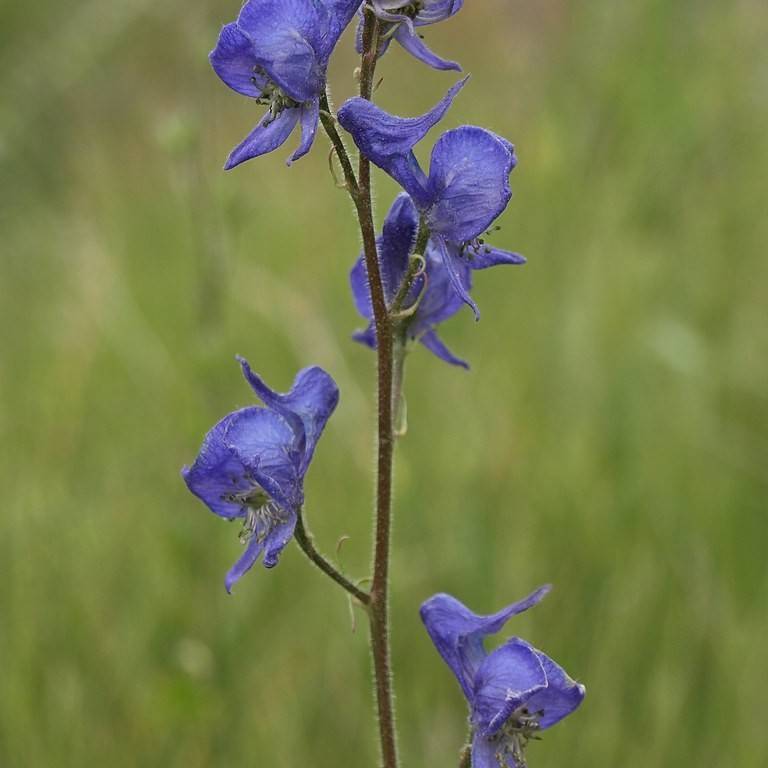
Aconitum columbianum
Overview
Columbia Monkshood thrives in moist, shaded mountain habitats including streambanks, meadow edges, and open woodlands across its native range. Its characteristic helmet-shaped flowers, adapted for pollination by bumblebees, give it the common name 'monkshood' and distinguish it from other wildflowers in its ecosystem. While it is valued for its ornamental appeal in native plant gardens, its extreme toxicity requires careful handling and placement away from areas accessible to children and animals.
Care Guide
Watering
Columbia Monkshood requires consistently moist, well-drained soil and does not tolerate prolonged drought. Water deeply and regularly during dry periods to keep the root zone evenly damp, avoiding over-saturation that can lead to root rot. Reduce watering frequency in late fall as the plant enters dormancy.
Light
This species grows best in partial shade, mimicking its native dappled woodland habitat. It can tolerate full sun in cooler, high-elevation regions with consistent moisture, but intense afternoon sun in warmer climates will scorch its foliage and reduce flowering.
Soil
Plant Columbia Monkshood in rich, loamy, slightly acidic to neutral soil with high organic matter content. It thrives in soils that retain moisture without becoming waterlogged, so amending heavy clay soils with compost or leaf mold will improve drainage and nutrient availability.
Fertilizer
Apply a balanced, slow-release organic fertilizer in early spring as new growth emerges to support healthy stem and flower development. Avoid over-fertilizing with high-nitrogen products, which can lead to lanky, weak growth that is prone to flopping. No additional fertilization is needed during the growing season for plants in nutrient-rich soil.
Temperature
Columbia Monkshood is cold-hardy to USDA zones 3 through 8, tolerating winter temperatures as low as -40°F (-40°C). It prefers cool summer temperatures between 60-75°F (15-24°C) and may struggle in prolonged heat above 85°F (29°C), especially without adequate shade and moisture.
Pruning
Remove spent flower spikes after blooming to encourage tidy growth and prevent unwanted self-seeding, as the plant can spread aggressively in ideal conditions. Cut back all foliage to the ground in late fall after it dies back naturally, wearing gloves to avoid contact with toxic sap. Thin overcrowded clumps every 3-4 years to improve air circulation and reduce disease risk.
Propagation
Columbia Monkshood is most reliably propagated by dividing mature clumps in early spring or late fall, when the plant is dormant. Wear protective gloves when handling divisions to avoid exposure to toxic sap. It can also be grown from seed sown directly outdoors in fall, as the seeds require a period of cold stratification to germinate, though seed-grown plants may take 2-3 years to reach flowering size.
Humidity
This species adapts well to average ambient humidity levels common in its native range, between 40-60%. It does not require extra humidity in garden settings, but consistent soil moisture is far more critical to its health than atmospheric humidity. It may suffer leaf browning in extremely dry, arid conditions without supplemental watering.
Repotting
Columbia Monkshood is rarely grown in containers, as its deep taproot prefers room to spread in garden soil. If grown in a large pot, repot every 2-3 years in early spring before new growth emerges, using a rich, loamy potting mix with added perlite for drainage. Wear gloves during repotting to avoid contact with toxic root and stem sap.
Uses & Symbolism
Columbia Monkshood is planted in native wildflower gardens, shaded rain gardens, and woodland landscapes for its striking tall flower spikes and value as a pollinator plant for native bumblebees. Historically, Indigenous peoples of western North America used small, carefully processed quantities of the plant for medicinal purposes, though its extreme toxicity makes home use extremely dangerous. Due to its toxic properties, it is sometimes planted as a deer-resistant ornamental, as deer and other herbivores avoid consuming its foliage.
Diseases & Pests
Columbia Monkshood is relatively pest-resistant, but it can be susceptible to powdery mildew and downy mildew in humid conditions with poor air circulation. Crown and root rot may occur if planted in poorly drained, waterlogged soil, especially in warm climates. Slugs and snails may occasionally feed on young, tender foliage in moist, shaded sites.
Related plants
Other plants you might like if you grow Columbia Monkshood.
%22%2F%3E%0A%20%20%20%20%20%20%3Ccircle%20cx%3D%22920%22%20cy%3D%22180%22%20r%3D%2290%22%20fill%3D%22%23cfe8d5%22%2F%3E%0A%20%20%20%20%20%20%3Cpath%20d%3D%22M600%20590c-90-180-215-255-310-280%200%20165%20118%20296%20270%20296h40z%22%20fill%3D%22%2379b88e%22%2F%3E%0A%20%20%20%20%20%20%3Cpath%20d%3D%22M600%20590c80-150%20198-212%20302-228-8%20142-123%20255-270%20255h-32z%22%20fill%3D%22%235c9f73%22%2F%3E%0A%20%20%20%20%20%20%3Cpath%20d%3D%22M600%20610V360%22%20stroke%3D%22%234f8c64%22%20stroke-width%3D%2218%22%20stroke-linecap%3D%22round%22%2F%3E%0A%20%20%20%20%20%20%3Ctext%20x%3D%22600%22%20y%3D%22700%22%20text-anchor%3D%22middle%22%20font-family%3D%22Arial%2C%20sans-serif%22%20font-size%3D%2244%22%20fill%3D%22%23365c45%22%3E%0A%20%20%20%20%20%20%20%20Plant%20image%20coming%20soon%0A%20%20%20%20%20%20%3C%2Ftext%3E%0A%20%20%20%20%3C%2Fsvg%3E%0A%20%20)