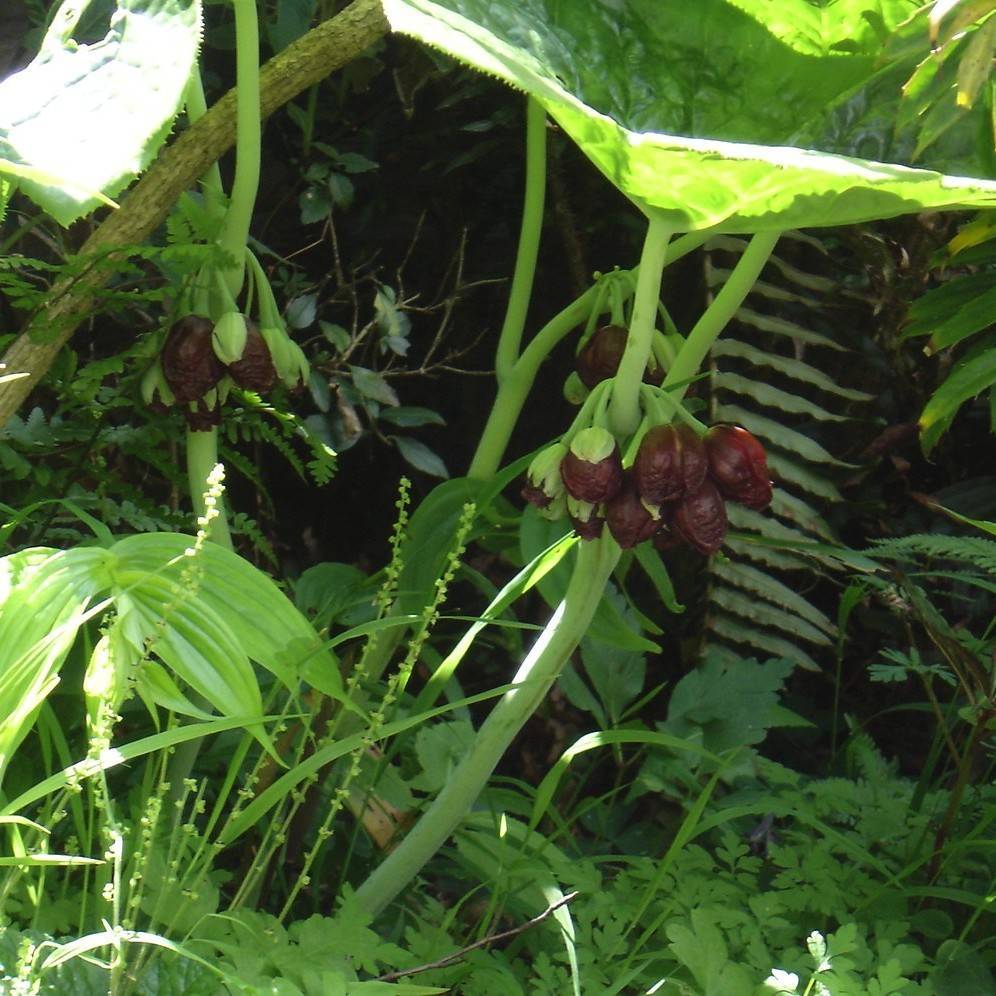
Dysosma
Dysosma versipellis
Overview
Dysosma, also called mayapple or Chinese mayapple, is a herbaceous perennial prized for its large, deeply lobed, peltate leaves that unfurl in early spring to form a lush, low-growing canopy. Small, nodding, foul-smelling maroon flowers bloom beneath the foliage in mid-spring, followed by fleshy, berry-like fruit in late summer in its native woodland habitats. It spreads slowly via underground rhizomes to form dense, weed-suppressing colonies that thrive in cool, shaded garden spots.
Care Guide
Watering
Keep soil consistently moist but never waterlogged, especially during active spring and summer growth; reduce watering in fall as foliage dies back for winter dormancy. Avoid allowing the root zone to dry out completely, as this can cause leaf scorch and stunted growth in this moisture-loving woodland species.
Light
Thrives in partial to full shade, mimicking its native understory habitat; dappled sunlight under deciduous trees is ideal. Avoid direct midday sun, which can burn leaf edges and cause foliage to wilt prematurely even with sufficient moisture.
Soil
Requires rich, humus-dense, well-draining soil with a slightly acidic to neutral pH range of 5.5 to 7.0. Amend heavy garden soil with compost, leaf mold, or well-rotted manure before planting to improve aeration and moisture retention.
Fertilizer
Apply a balanced, slow-release organic fertilizer in early spring as new growth emerges, or top-dress with a 2-inch layer of compost or leaf mold annually to replenish soil nutrients. Avoid high-nitrogen synthetic fertilizers, which can promote overly lush foliage prone to fungal disease.
Temperature
Prefers cool, temperate climates with average summer temperatures between 60–75°F (15–24°C), and is winter hardy in USDA zones 6 through 9. Protect from extreme heat and drying winds in warmer regions, and apply a 3-inch layer of mulch in late fall to insulate rhizomes from harsh winter freezes.
Pruning
Remove yellowed or damaged foliage throughout the growing season to improve air circulation and reduce fungal disease risk. Cut back all dead foliage to ground level in late fall after it dies back naturally for winter dormancy to prevent pest overwintering.
Propagation
Most reliably propagated by rhizome division in late fall or early spring while the plant is dormant; carefully dig up clumps, separate rhizomes with at least one healthy growth bud, and replant immediately at the same depth as the original plant. Can also be grown from fresh seed sown in fall, though seed-grown plants take 3–4 years to reach flowering maturity and may not come true to the parent cultivar.
Humidity
Thrives in moderate to high humidity levels of 50–70%, typical of its native woodland understory environment. In drier climates, mist foliage regularly or place a tray of pebbles filled with water near plants to boost ambient humidity, and avoid positioning near heating or cooling vents that cause dry air drafts.
Repotting
If grown in containers, repot every 2–3 years in early spring before new growth emerges, using a fresh, humus-rich potting mix. Choose a wide, shallow pot to accommodate spreading rhizomes, and ensure it has ample drainage holes to prevent root rot from standing water.
Uses & Symbolism
Widely grown as an ornamental ground cover in shade gardens, woodland landscapes, and rock gardens, where its unique foliage adds textural contrast to ferns, hostas, and other shade-loving perennials. In traditional Chinese medicine, extracts from the rhizomes have been used topically to treat snake bites, skin conditions, and pain, though internal consumption is not recommended due to its high toxicity.
Diseases & Pests
Susceptible to fungal leaf spots, powdery mildew, and root rot, particularly in poorly drained soil or conditions with poor air circulation. Common pests include slugs and snails, which feed on young tender foliage in spring, and aphids that cluster on new growth and leaf undersides.
Related plants
Other plants you might like if you grow Dysosma.
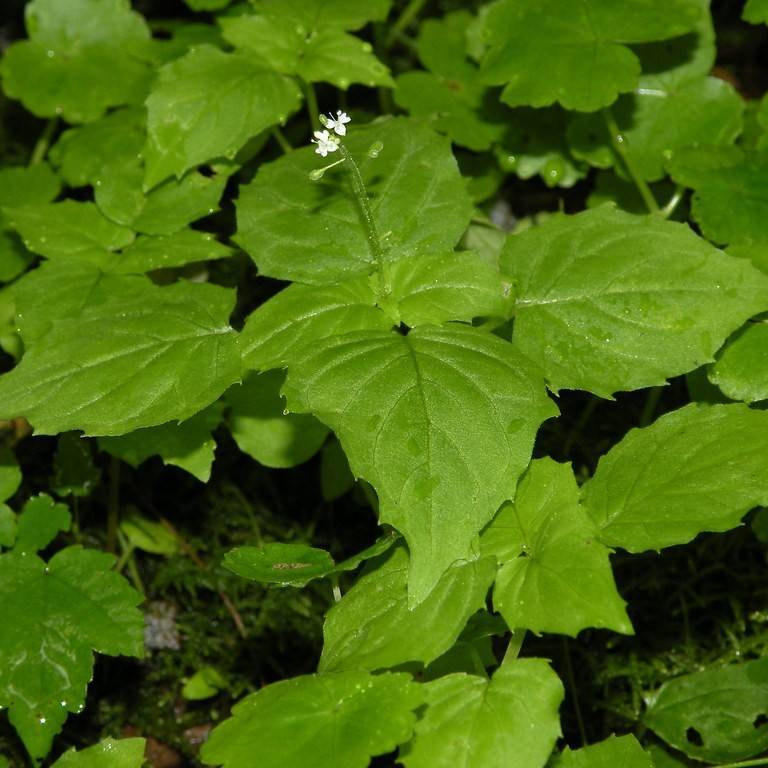
Intermediate Enchanter's Nightshade
Circaea lutetiana subsp. intermedia
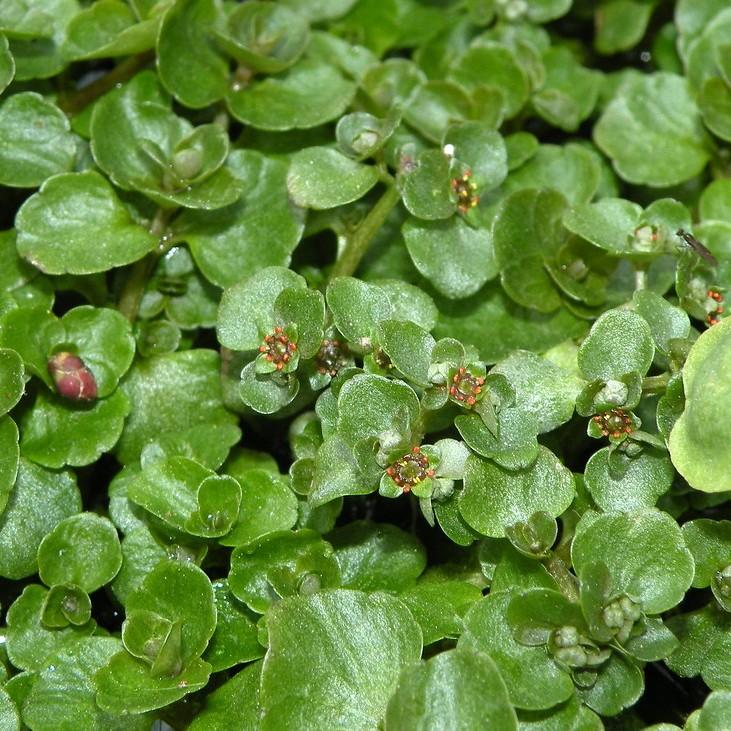
American Golden Saxifrage
Chrysosplenium americanum
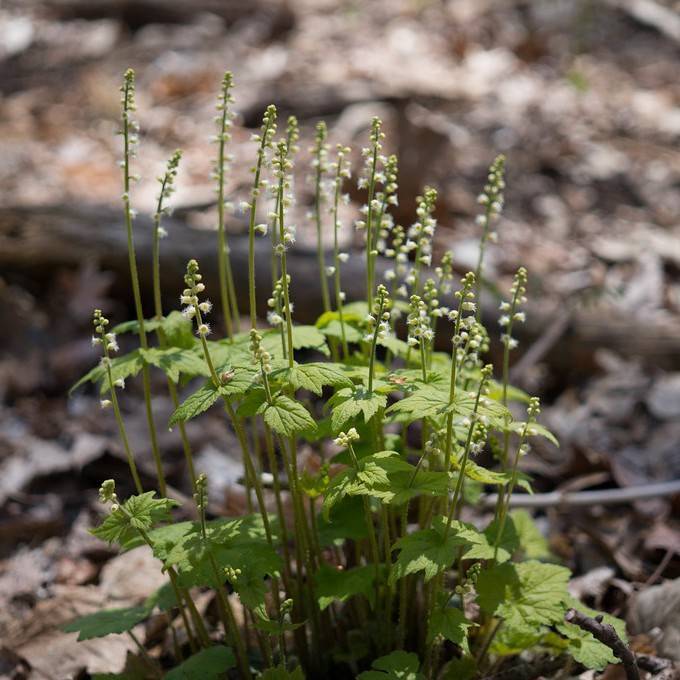
Brewer's Cap
Mitella breweri
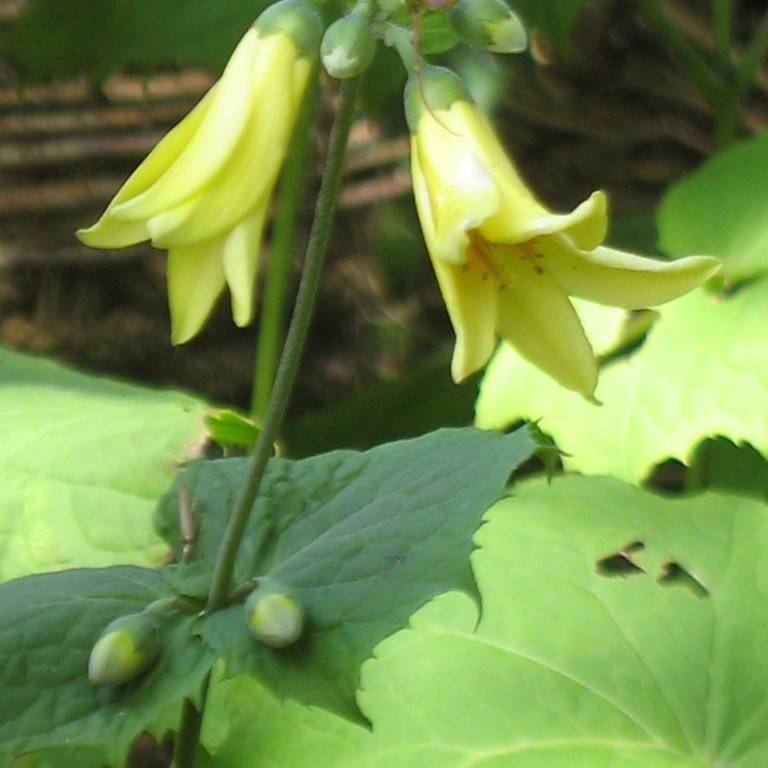
Kirengeshoma
Kirengeshoma palmata
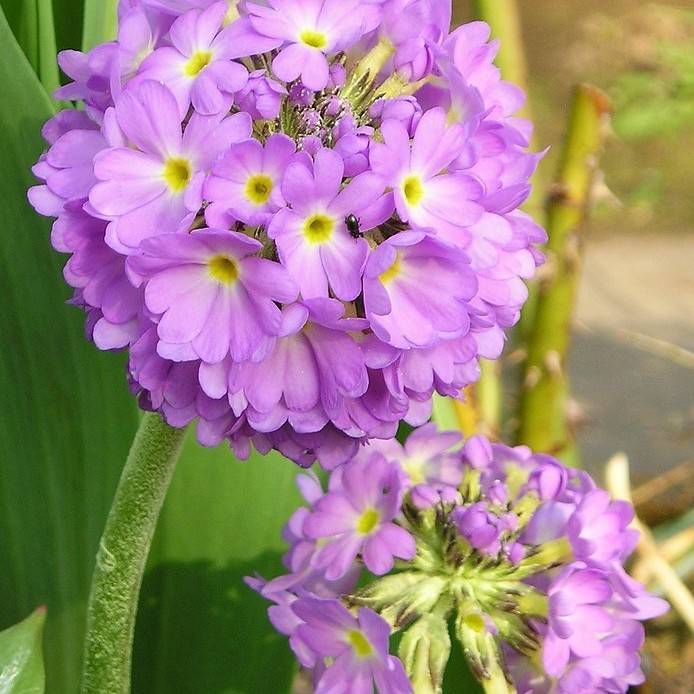
Drumstick Primula
Primula denticulata
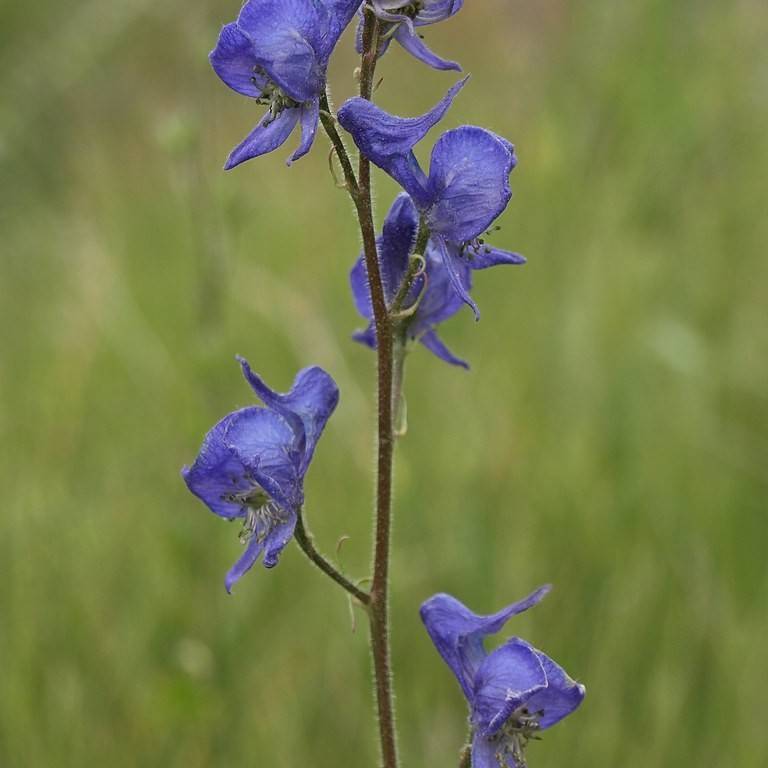
Columbia Monkshood
Aconitum columbianum
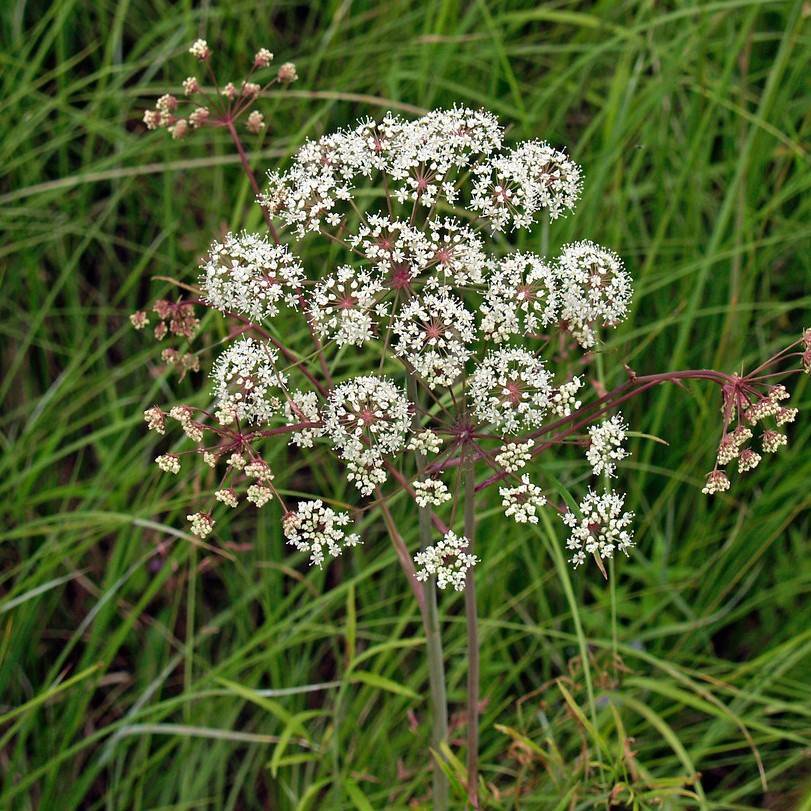
Douglas Water Hemlock
Cicuta douglasii
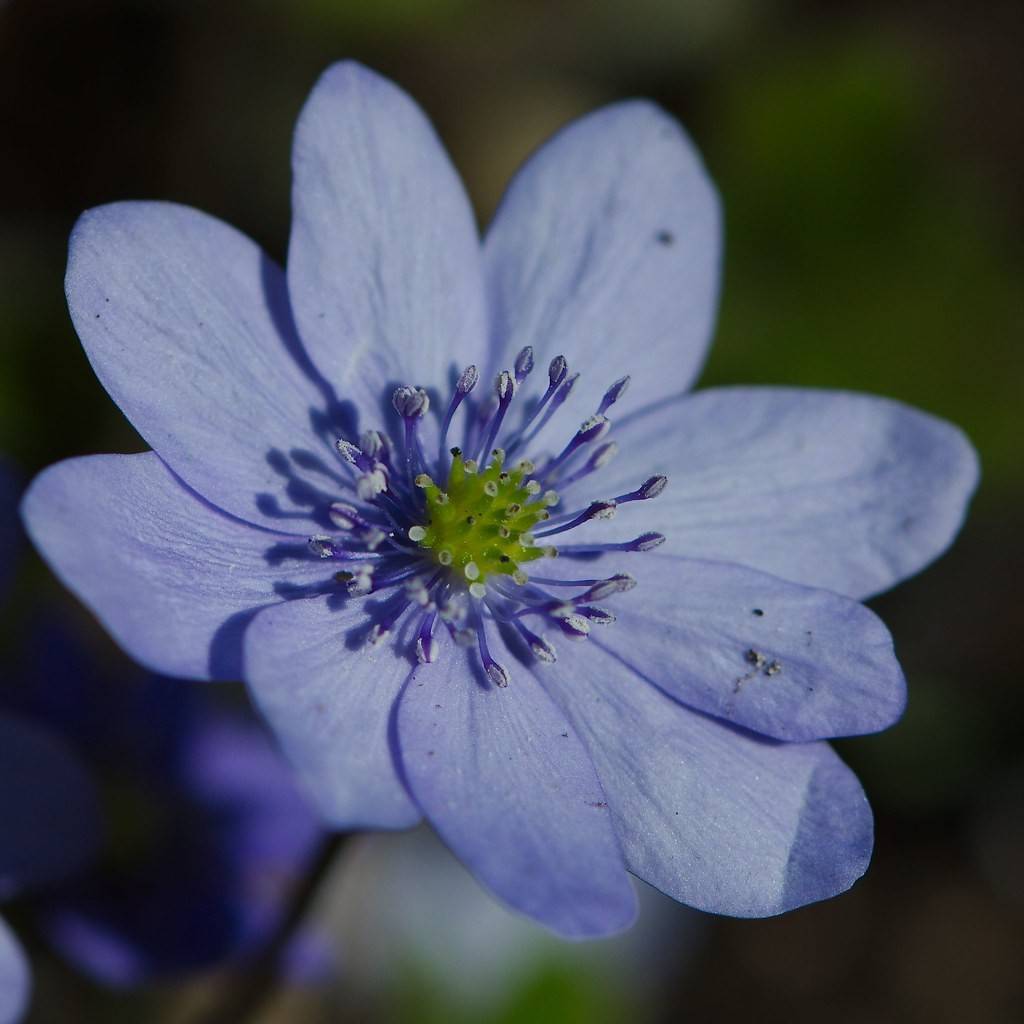
Hepatica
Hepatica nobilis (syn. Anemone hepatica)