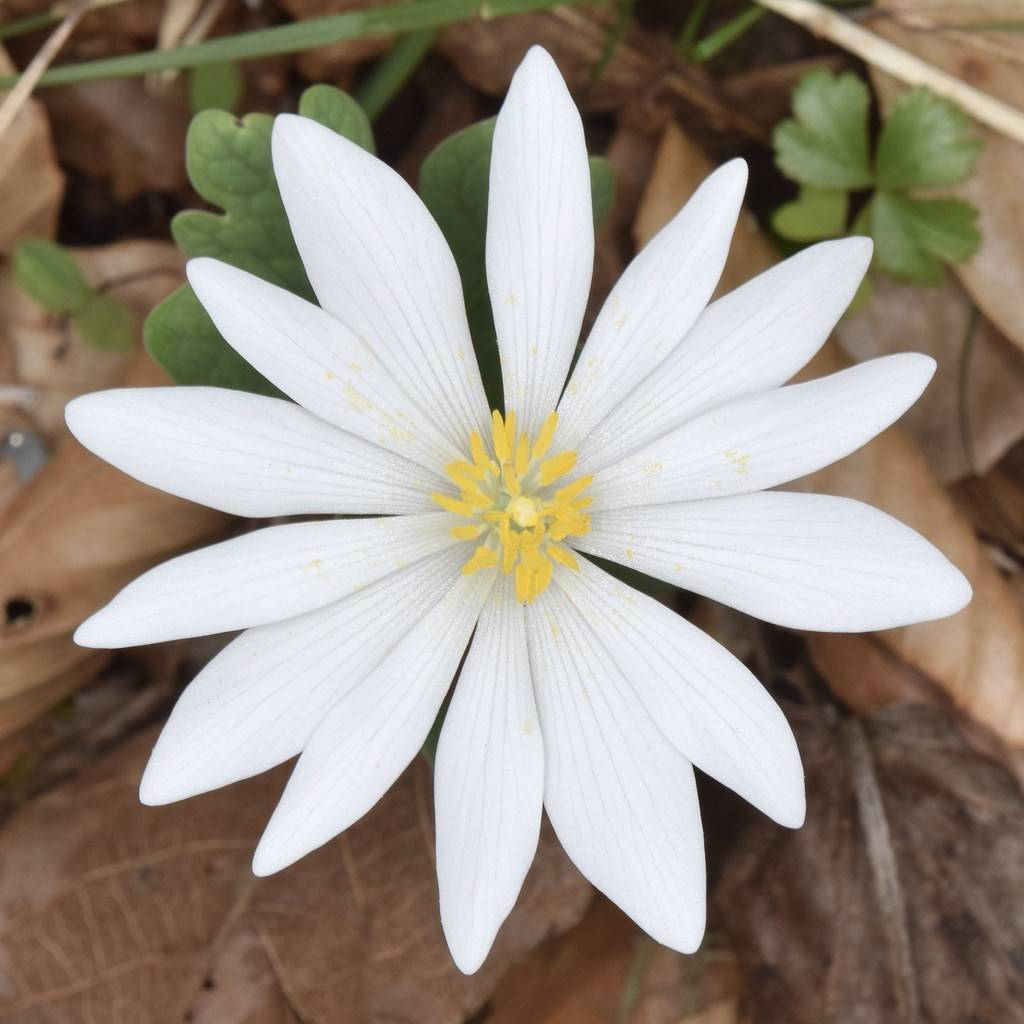
Bloodroot
Sanguinaria canadensis
Overview
Bloodroot is a charming spring ephemeral that emerges early in deciduous woodlands, producing a single, lobed leaf wrapped around a delicate white flower bud before unfurling as the bloom fades. Its common name comes from the vivid red sap stored in its thick, underground rhizomes, which was historically used by Indigenous peoples for dye and medicinal purposes. It spreads slowly via rhizome clumps, forming dense, low colonies in shaded, moist garden settings, and goes dormant by mid-summer as forest canopies thicken.
Care Guide
Watering
Keep soil consistently moist but not waterlogged during its active growth period in late winter and spring; reduce watering once the plant enters dormancy in mid-summer, allowing the soil to dry slightly between waterings. Avoid overwatering dormant rhizomes, as this can lead to rot in cool, shaded conditions.
Light
Thrives in partial to full shade, mimicking its native woodland habitat where it receives dappled sunlight in early spring before tree canopies leaf out. It can tolerate brief periods of full sun in early spring, but prolonged direct sun in summer will scorch foliage and disrupt dormancy.
Soil
Requires rich, humusy, well-drained soil with a slightly acidic to neutral pH between 5.5 and 7.0, high in organic matter to replicate forest floor conditions. Amend heavy clay or sandy soils with leaf mold, compost, or well-rotted manure before planting to improve moisture retention and nutrient content.
Fertilizer
Bloodroot rarely requires supplemental fertilization when planted in organically rich soil; a light topdressing of leaf mold or compost in early spring before new growth emerges is sufficient for most garden settings. Avoid synthetic, high-nitrogen fertilizers, which can promote excessive foliage growth at the expense of blooms and damage sensitive rhizomes.
Temperature
Prefers cool spring temperatures between 40-65°F (4-18°C) during its active growth phase, and is hardy in USDA zones 3 through 8, tolerating winter lows down to -40°F (-40°C) when rhizomes are insulated by a layer of leaf mulch. Warm summer temperatures above 80°F (27°C) trigger natural dormancy, so no special heat protection is needed as long as the plant is in shaded conditions.
Pruning
Pruning is largely unnecessary for bloodroot; simply snip off spent flower stalks after blooming if you wish to prevent self-seeding, or leave them in place to allow natural spread. Once foliage yellows and dies back in mid-summer, you can gently remove dead leaves to keep the planting area tidy, but avoid disturbing the underlying rhizomes.
Propagation
The easiest method of propagation is division of established rhizome clumps in late summer or early fall, when the plant is dormant; carefully dig up clumps, separate rhizomes into sections with at least one growth bud, and replant 1-2 inches deep in prepared soil. It can also be grown from fresh seed sown immediately after ripening in late spring, though seed-grown plants take 2-3 years to reach blooming maturity.
Humidity
Adaptable to average outdoor humidity levels between 40-60%, typical of its native eastern North American woodland range. It does not require special humidity adjustments in garden settings, though consistent soil moisture helps support healthy growth even in drier spring conditions.
Repotting
Bloodroot is rarely grown in containers, but if potted, repot dormant rhizomes every 2-3 years in late fall, using a rich, well-drained potting mix amended with leaf mold. Handle rhizomes carefully during repotting to avoid damaging their delicate, sap-filled tissue, and plant at the same depth they were growing previously to prevent rot.
Uses & Symbolism
Historically, Indigenous peoples used bloodroot's red sap as a dye for textiles and basketry, and employed small, prepared doses for medicinal purposes to treat coughs, skin conditions, and inflammation, though internal use is now not recommended due to toxicity. It is a popular ornamental plant for shade gardens, native plant landscapes, and woodland wildflower gardens, providing early spring interest and supporting native pollinators such as small bees and flies. Compounds from bloodroot have been studied for potential antimicrobial and anti-cancer properties, though clinical use is not approved by regulatory bodies due to its high toxicity.
Diseases & Pests
Bloodroot is relatively pest and disease resistant when grown in appropriate conditions, though overwatered or poorly drained soil can lead to fungal root rot and leaf spot diseases. Slugs and snails may occasionally feed on young, tender foliage in moist, shaded settings, and can be controlled with handpicking, copper barriers, or organic slug baits. Aphids may cluster on flower stalks in early spring, and can be removed with a strong spray of water or insecticidal soap to prevent damage to blooms.
Related plants
Other plants you might like if you grow Bloodroot.
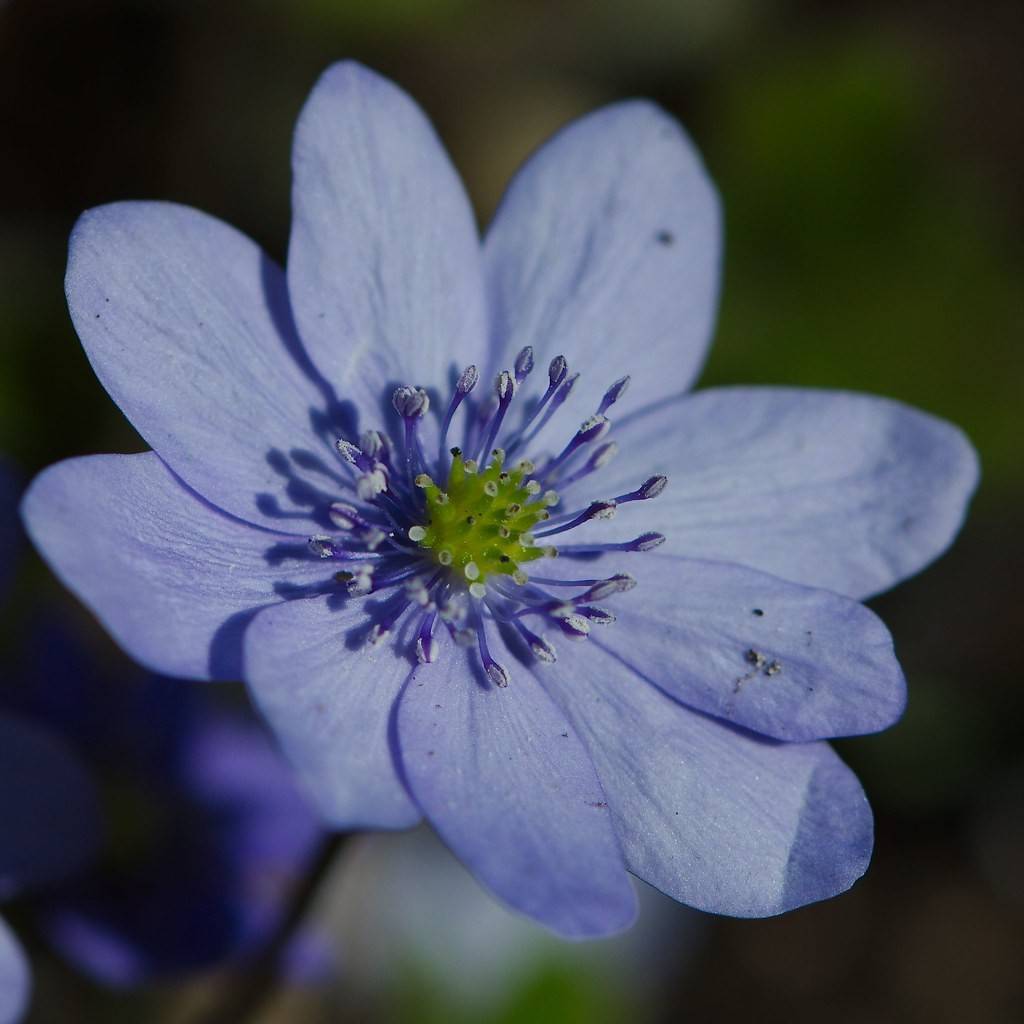
Hepatica
Hepatica nobilis (syn. Anemone hepatica)
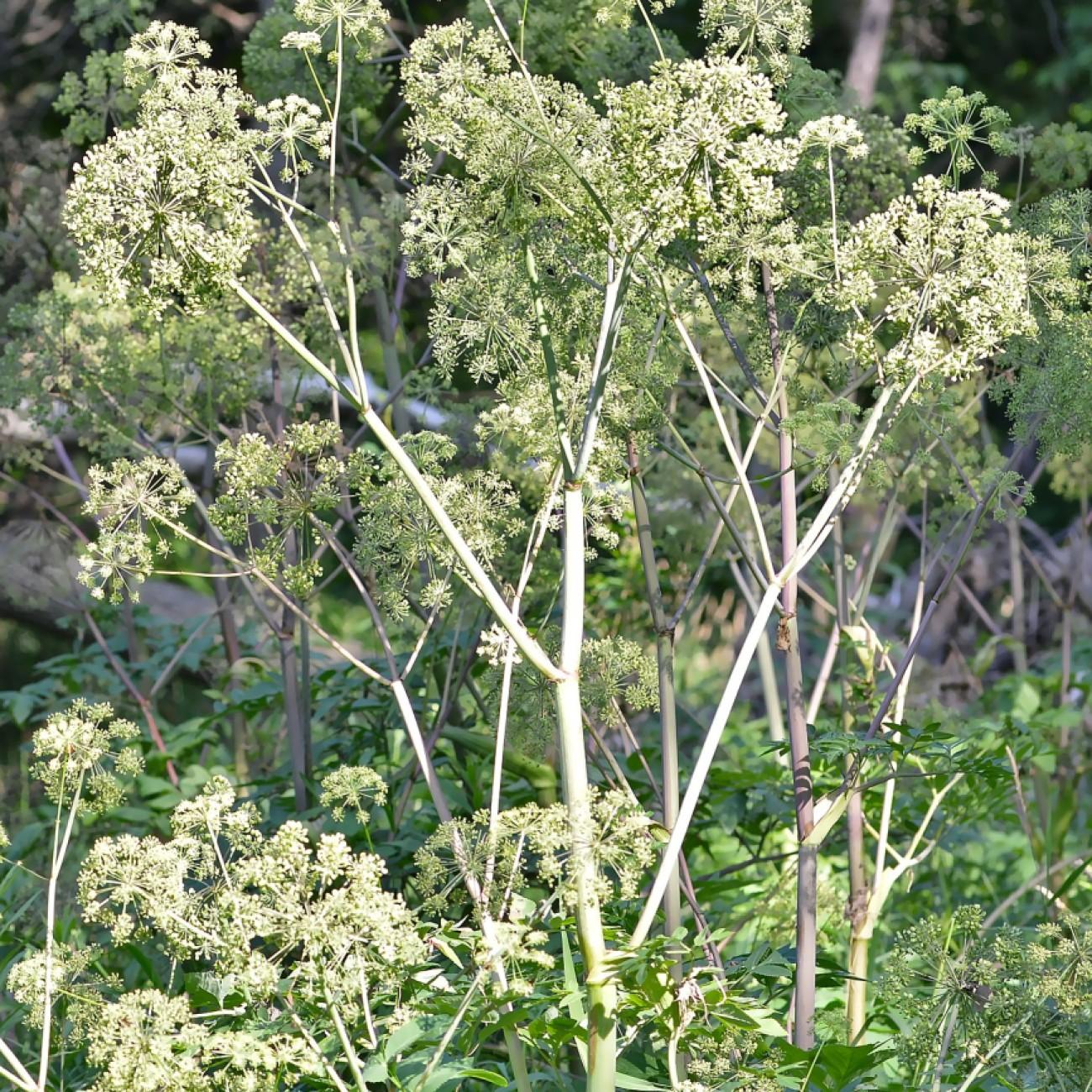
Hairy Angelica
Angelica venenosa
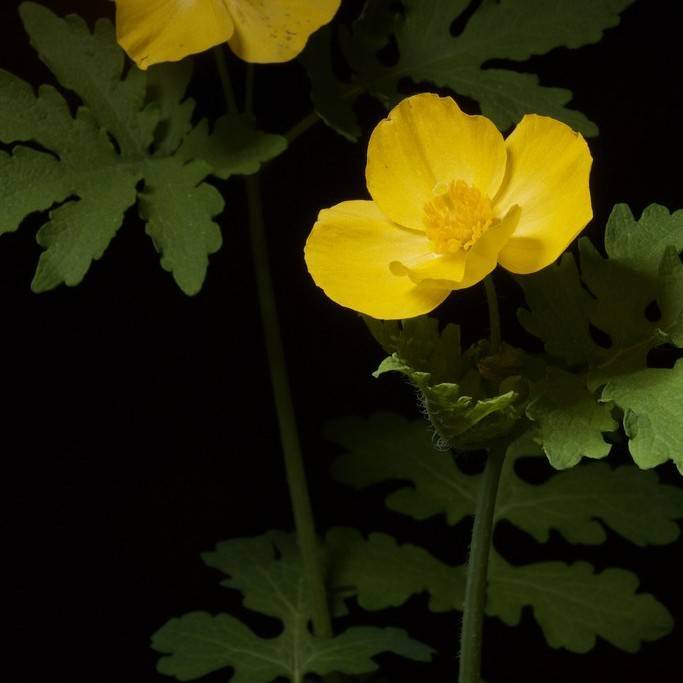
Celandine Poppy
Stylophorum diphyllum
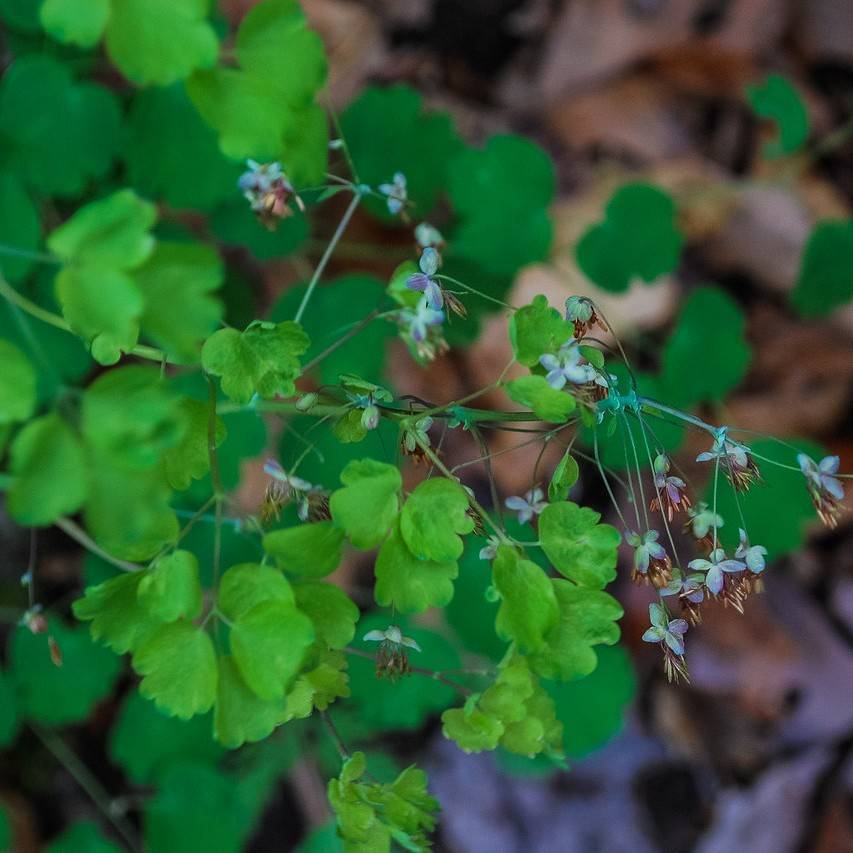
Early Meadow Rue
Thalictrum dioicum
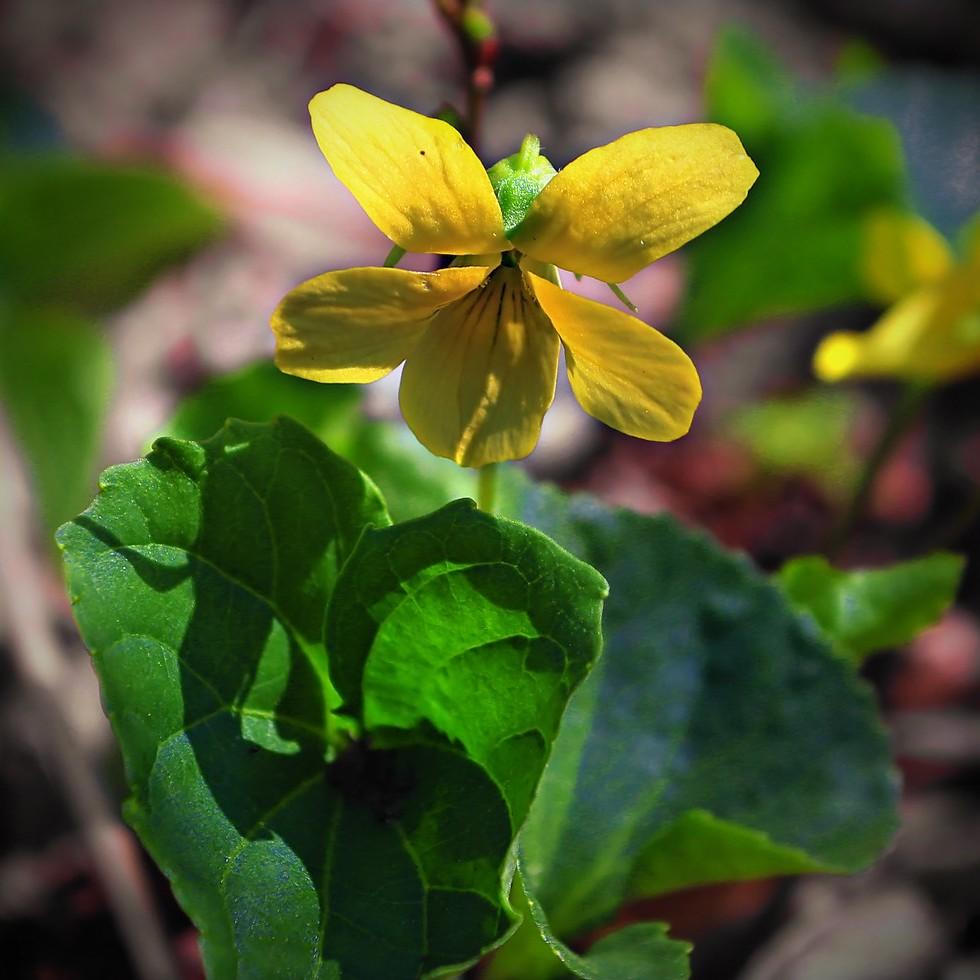
Eastern Round Leaved Violet
Viola rotundifolia
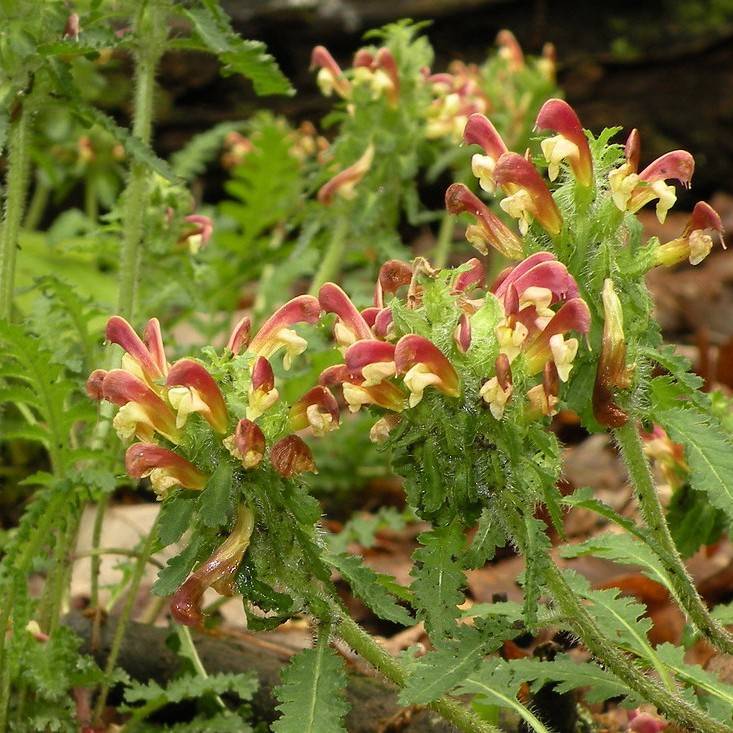
Common Lousewort
Pedicularis sylvatica
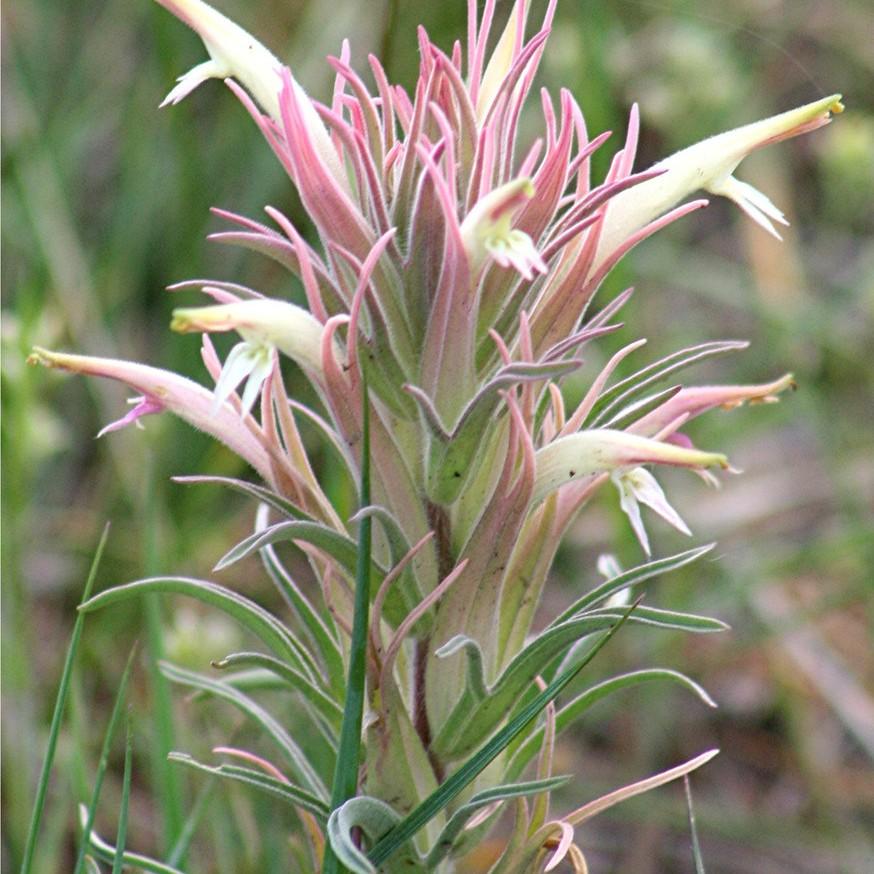
Downy Paintbrush
Castilleja sessiliflora
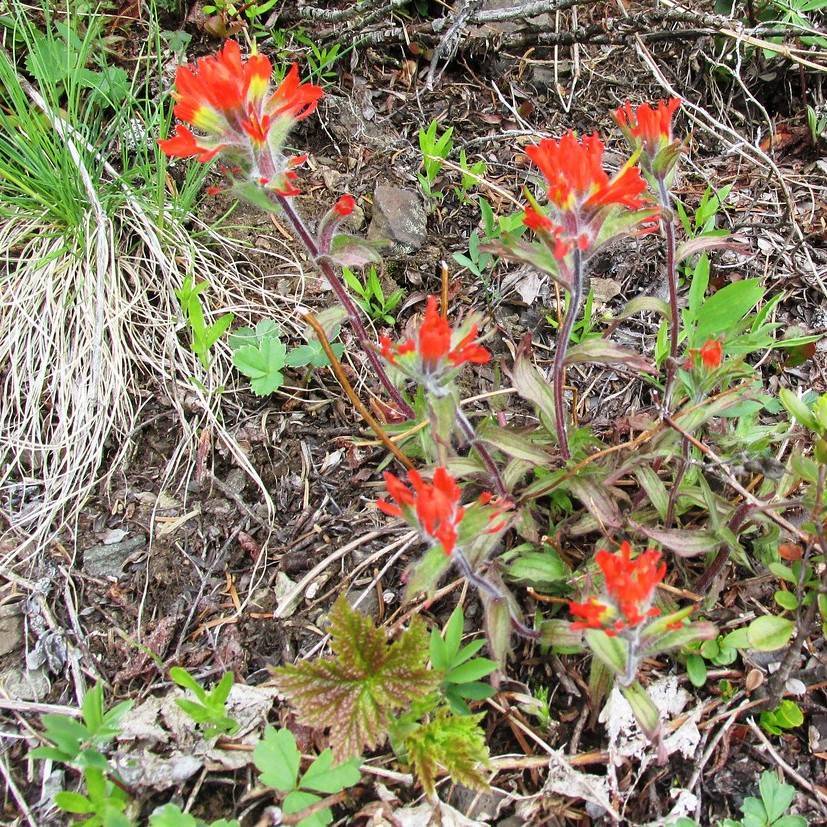
Harsh Paintbrush
Castilleja hispida