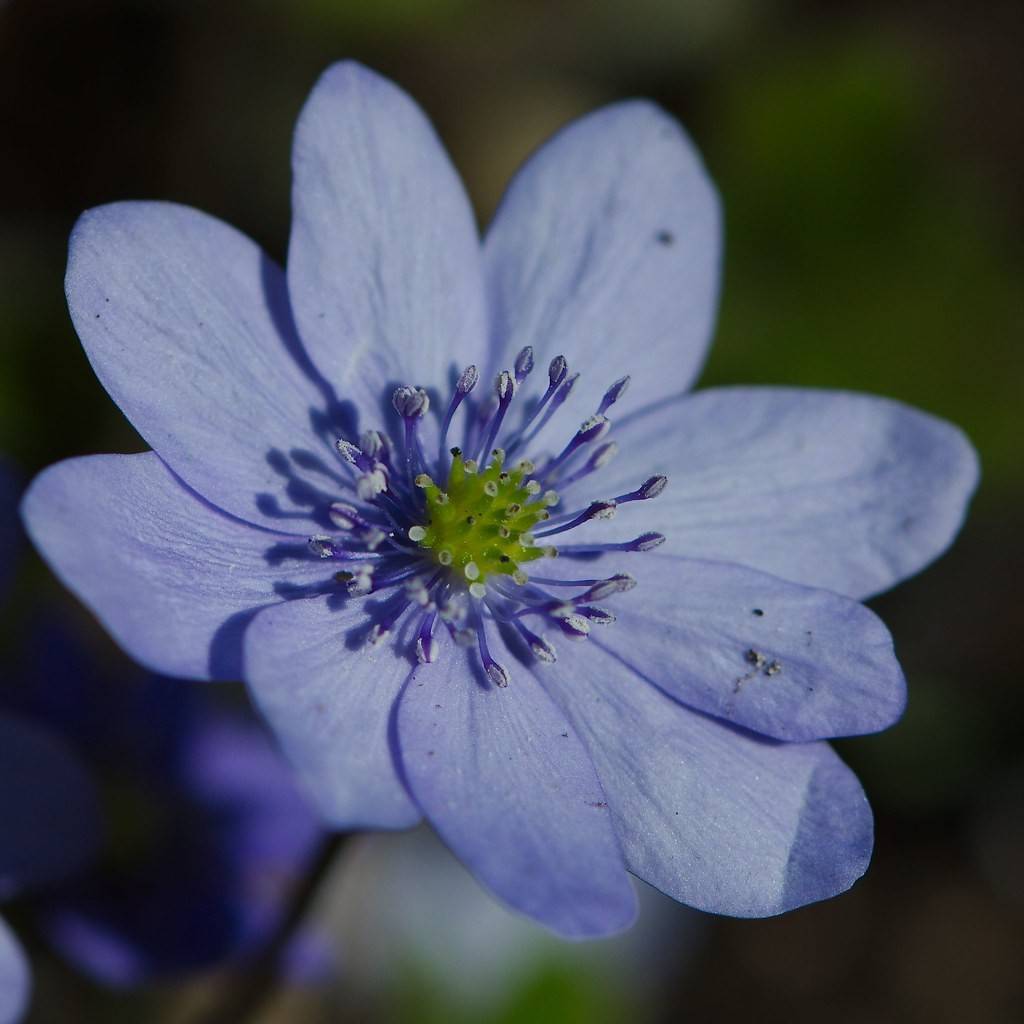
Hepatica
Hepatica nobilis (syn. Anemone hepatica)
Overview
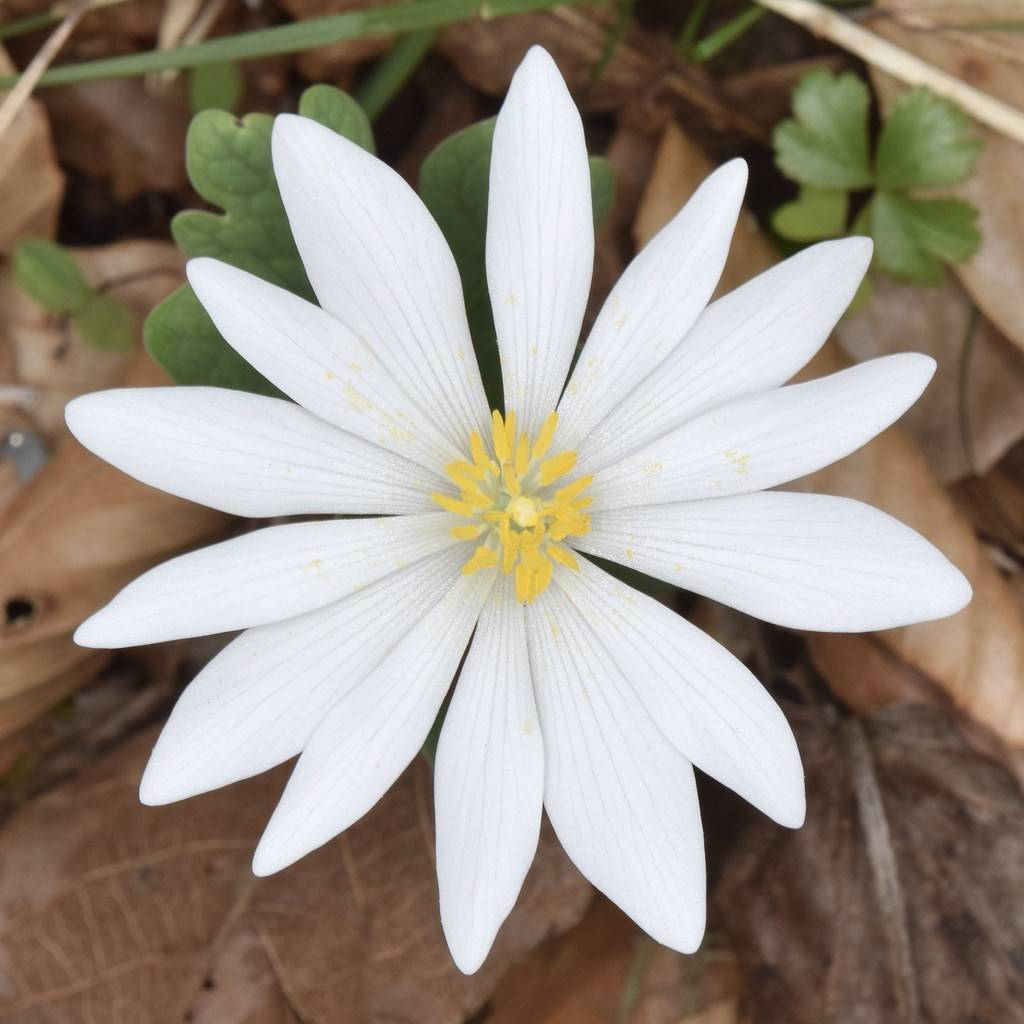
Hepatica, also called liverleaf for its lobed, liver-shaped leaves, is a beloved ephemeral that emerges to bloom before most forest trees fully leaf out in spring. Its fuzzy, leafless flower stalks rise directly from the root crown, opening delicate, buttercup-like blooms that attract early pollinators such as mining bees and small flies. The thick, leathery foliage persists through winter in mild climates, often developing attractive bronze or purple tints in cold weather.
Care Guide
Watering
Hepatica prefers consistently moist, well-drained soil, especially during its active growth and bloom periods in early spring. Water regularly to keep the root zone from drying out, but avoid waterlogged conditions that can cause root rot. Once established, it has moderate drought tolerance, though supplemental water during extended dry spells in summer will support healthy foliage.
Light
This woodland native thrives in partial to full shade, mimicking the dappled sunlight of deciduous forest understories. It can tolerate brief periods of direct morning sun, but harsh midday or afternoon sun will scorch its leaves and cause wilting. In colder regions, it can handle slightly brighter light as long as soil moisture remains consistent.
Soil
Hepatica requires rich, humusy, slightly acidic to neutral soil with excellent drainage. Amend heavy garden soil with compost, leaf mold, or well-rotted manure to improve structure and nutrient content before planting. A layer of organic mulch such as pine needles or shredded leaves will help maintain consistent soil moisture and regulate temperature around the roots.
Fertilizer
Hepatica is a light feeder that rarely needs heavy fertilization if planted in nutrient-rich, humusy soil. Apply a thin layer of compost or well-rotted leaf mold around the base of the plants in early spring before new growth emerges to provide slow-release nutrients. Avoid high-nitrogen fertilizers, which can encourage excessive foliage growth at the expense of blooms.
Temperature
Hepatica is extremely cold-hardy, thriving in USDA zones 3 through 8, and can tolerate winter temperatures as low as -40°F (-40°C). It requires a period of cold winter dormancy to bloom reliably the following spring, so it is not suited to warm, frost-free climates. Mild spring temperatures between 40-65°F (4-18°C) trigger active growth and flowering.
Pruning
Pruning needs are minimal for hepatica; simply snip off spent flower stalks at the base after blooms fade to keep the plant tidy, if desired. Older, tattered leaves can be removed in late winter or early spring before new growth emerges to improve air circulation and showcase new blooms. Avoid removing healthy green leaves, as they photosynthesize and store energy for the next year’s growth.
Propagation
Hepatica is most commonly propagated by seed or by dividing established clumps in late summer or early fall, after plants have gone dormant. Fresh seed sown immediately after ripening in late spring will germinate the following spring, though dried seed may take 2-3 years to sprout and reach flowering size. Divisions should be replanted immediately at the same depth they were growing, and kept consistently moist until established.
Humidity
Hepatica prefers moderate to high humidity, typical of its native woodland habitat. Average outdoor humidity levels in temperate regions are usually sufficient for healthy growth, though indoor-grown specimens may benefit from occasional misting or placement on a pebble tray to raise ambient humidity. Avoid placing hepatica near dry heating or cooling vents, which can desiccate foliage.
Repotting
Container-grown hepatica should be repotted every 2-3 years in late fall or early winter during dormancy, using a porous, humus-rich potting mix formulated for shade-loving perennials. Choose a wide, shallow pot with ample drainage holes to accommodate the plant’s spreading, shallow root system. Avoid planting too deeply; keep the root crown at or just slightly below the soil surface to prevent rot.
Uses & Symbolism
Hepatica is a popular choice for shade gardens, rock gardens, and woodland plantings, where its early spring blooms provide cheerful color before most other plants emerge. Historically, it was used in traditional herbal medicine to treat liver ailments, though its toxicity makes internal consumption unsafe today, and it is now valued almost exclusively as an ornamental plant. It is also a valuable early nectar source for native pollinators waking from winter dormancy.
Diseases & Pests
Hepatica is relatively pest and disease resistant when grown in suitable conditions, though it may develop fungal issues such as powdery mildew, leaf spot, or root rot if planted in poorly drained soil or overly humid, poorly ventilated areas. Slugs and snails may occasionally feed on young foliage, especially in damp, shaded locations. Deer and rabbits usually avoid this plant due to its toxic, bitter-tasting foliage.
Related plants
Other plants you might like if you grow Hepatica.