English Bluebell
Hyacinthoides non-scripta
Overview
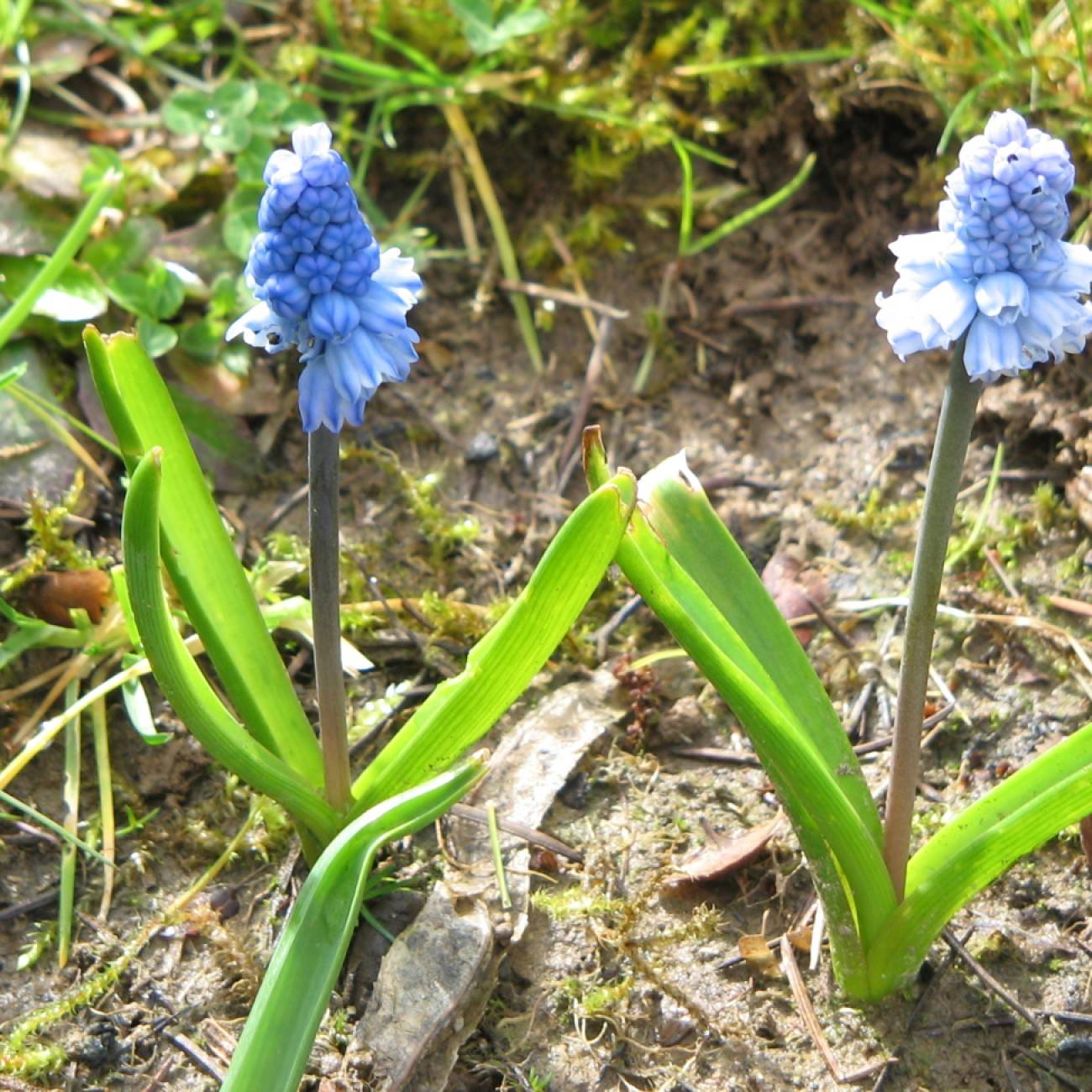
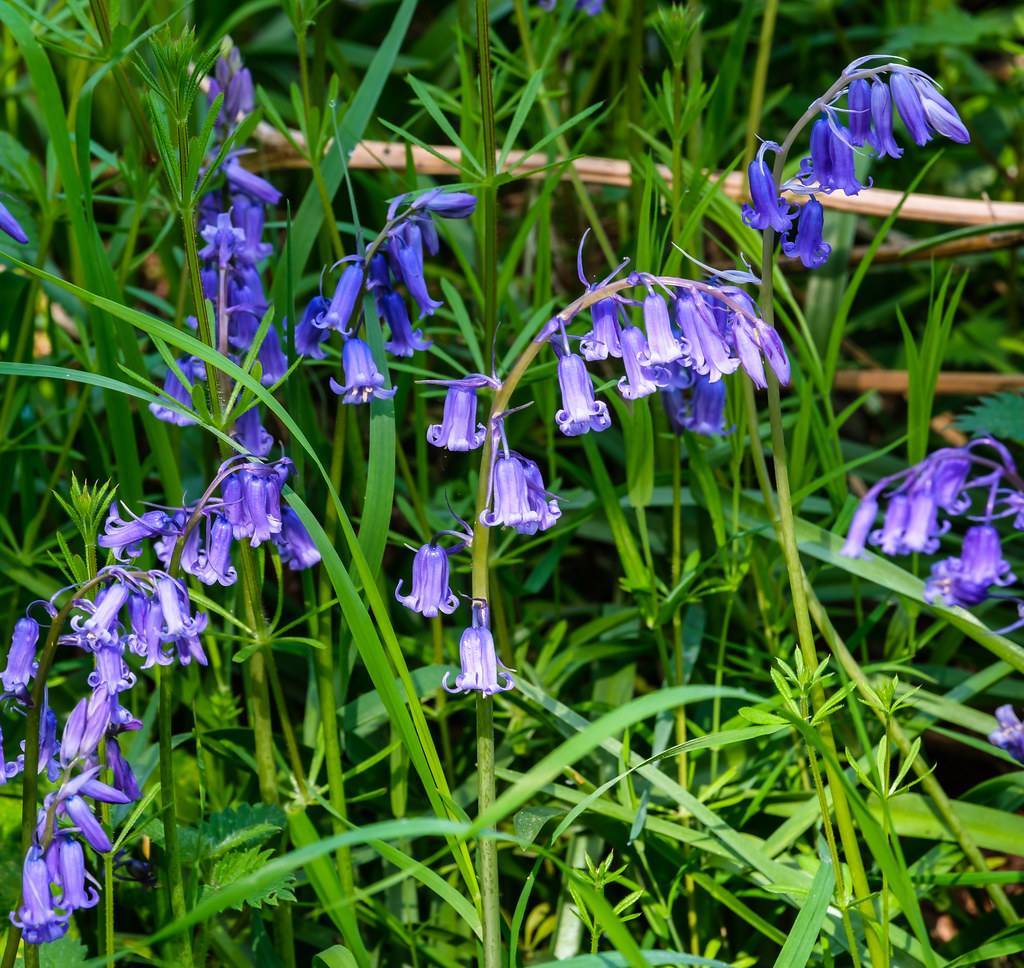
English bluebells are bulbous perennials that form dense, carpet-like colonies in shaded ancient woodlands, hedgerows, and meadows across their native range. Their iconic arching stems bear up to 20 drooping, sweetly scented bell flowers in early spring, each with recurved petal tips and creamy yellow anthers that distinguish them from the invasive Spanish bluebell. They are a protected species in the United Kingdom due to habitat loss and hybridization with non-native bluebell species.
Care Guide
Watering
Keep soil consistently moist during active growth in spring and fall; reduce watering gradually once foliage begins to die back in summer, as bulbs require a dry dormant period to thrive. Avoid overwatering during dormancy, as this can cause bulb rot, especially in heavy, poorly draining soils.
Light
Prefer partial to full shade, mimicking their natural woodland habitat under deciduous tree canopies where they receive dappled spring sun before tree leaves fully emerge. They can tolerate small amounts of direct morning sun, but intense midday or afternoon sun will scorch foliage and reduce flowering.
Soil
Thrive in moist, well-drained, humus-rich loam with a slightly acidic to neutral pH, amended with plenty of leaf mold or well-rotted compost to replicate their native forest floor environment. Avoid heavy clay soils that hold standing water, as this will quickly cause bulb rot; if planting in clay, amend with grit or organic matter to improve drainage before planting.
Fertilizer
Fertilize once annually in early spring as new growth emerges, using a balanced, slow-release granular fertilizer or a dilute liquid all-purpose feed to support flowering and bulb development. Avoid overfertilizing, especially with high-nitrogen formulas, as this will encourage excessive leaf growth at the expense of flowers and may weaken bulbs over time.
Temperature
Hardy in USDA zones 4-8, requiring a 12-16 week period of cool winter temperatures between 35-45°F (2-7°C) to satisfy vernalization requirements for spring flowering. They are well-adapted to cool, temperate maritime climates, and struggle in regions with extended hot, dry summer weather, which can shorten their growing season and reduce bulb vigor.
Pruning
No regular pruning is required; allow foliage to die back naturally for 6-8 weeks after flowering ends, as the leaves photosynthesize to store energy in the bulb for the following year’s growth. Once foliage has turned completely yellow and wilted, it can be gently pulled away or trimmed back to ground level to keep planting areas tidy.
Propagation
Most easily propagated by dividing mature clumps of bulbs in late summer during dormancy, carefully separating offsets from the parent bulb and replanting them 3-4 inches deep and 4-6 inches apart at the same depth they were previously growing. They can also be grown from seed sown fresh in fall, though seed-grown plants will take 3-5 years to reach flowering size, and may hybridize with Spanish bluebells if grown in close proximity.
Humidity
Adaptable to average outdoor humidity levels in their native temperate range, requiring no special humidity adjustments when grown in suitable garden conditions. They do not tolerate extremely dry air, so in drier regions, mulch around the base of plants with leaf mold or bark chips to retain soil moisture and raise local humidity around the root zone.
Repotting
When grown in containers, repot every 2-3 years in late summer during dormancy, carefully lifting bulbs, separating overcrowded offsets, and replanting in fresh, humus-rich potting mix with added grit for drainage. Ensure containers have ample drainage holes, and plant bulbs at a depth of 3-4 inches, with 2-3 inches of space between each bulb to allow for clump expansion.
Uses & Symbolism
English bluebells are highly valued as ornamental plants for shaded woodland gardens, wildflower meadows, and naturalized areas, where they form stunning swathes of blue spring color. Their sweet, honey-like fragrance makes them popular for cut flower arrangements, though wild populations should never be picked or dug up due to their protected status in many regions. Historically, their bulbs were used in traditional folk medicine to treat bleeding and as a diuretic, though their toxicity makes modern medicinal use unsafe.
Diseases & Pests
Generally pest and disease resistant, but may be affected by bulb rot in poorly draining, waterlogged soils, caused by fungal pathogens such as Fusarium and Pythium that attack dormant bulbs in wet conditions. Slugs and snails may feed on young spring foliage, though damage is rarely severe enough to harm mature plants. They are also at risk of hybridization with the invasive Spanish bluebell (Hyacinthoides hispanica), which dilutes the genetic purity of native English bluebell populations.
Related plants
Other plants you might like if you grow English Bluebell.