Cow Parsnip
Heracleum maximum
Overview
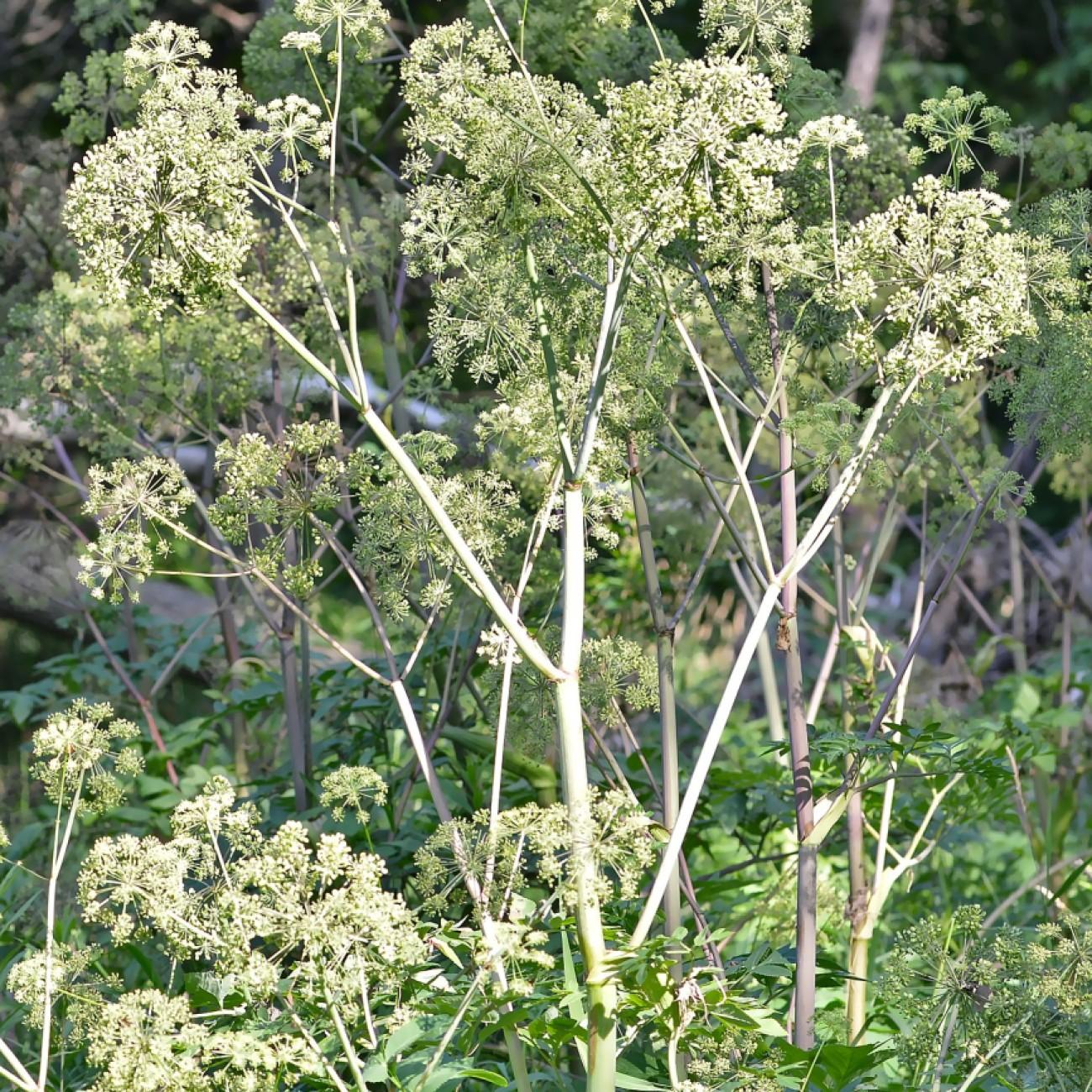
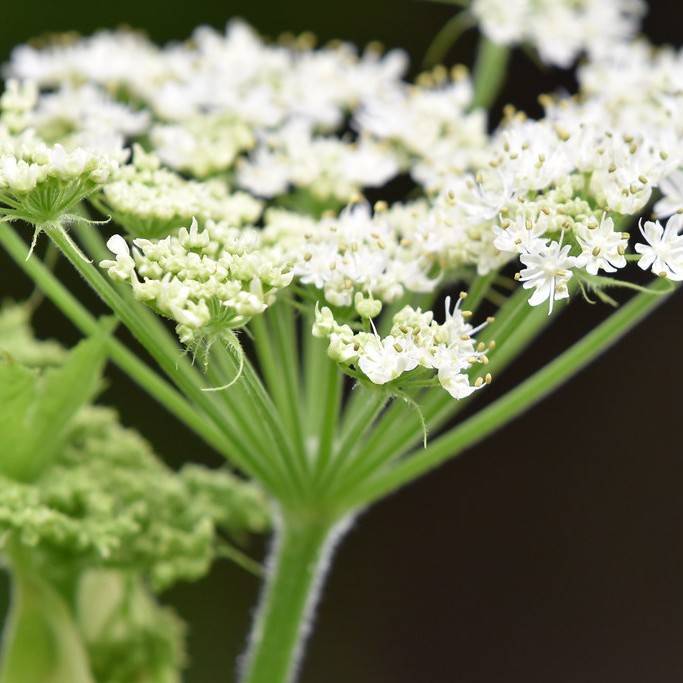
Cow parsnip is a widespread herbaceous perennial that thrives in moist, partially shaded habitats including streambanks, forest edges, meadows, and roadside ditches across much of North America. It produces enormous, fuzzy, palmately lobed leaves that can reach 2 to 3 feet across, and blooms in early to mid-summer with 6 to 12 inch wide, flat-topped umbels of small, creamy-white flowers that attract a wide range of pollinators including bees, butterflies, and beetles. Frequently confused with the highly toxic invasive giant hogweed (Heracleum mantegazzianum), cow parsnip is smaller, lacks the purple stem splotches of giant hogweed, and is a valuable native species supporting local ecosystems.
Care Guide
Watering
Cow parsnip prefers consistently moist, well-drained soil, and requires regular watering in dry conditions to prevent soil from drying out completely, as it is not drought tolerant. Avoid overhead watering to reduce risk of foliar fungal issues, and water at the base of the plant whenever possible. It naturally grows in areas with consistent rainfall, so supplemental water is only needed during extended periods of low precipitation.
Light
This plant tolerates a wide range of light conditions from full sun to partial shade, but grows best in dappled sunlight or locations with morning sun and afternoon shade, especially in warmer southern parts of its range. Full sun is acceptable in cooler northern regions as long as soil moisture remains consistent, while too much deep shade can reduce flowering and lead to leggy growth.
Soil
Cow parsnip adapts to most soil types including loam, clay, and sandy soils, but thrives in rich, humus-heavy, slightly acidic to neutral soil with good drainage. It tolerates occasionally waterlogged soil better than many upland perennials, making it suitable for rain gardens and riparian plantings. Amending poor soil with compost or well-rotted manure before planting will support robust, healthy growth.
Fertilizer
As a hardy native plant, cow parsnip generally does not require regular fertilization if grown in moderately fertile soil. If growth appears stunted or leaves are pale, apply a balanced, slow-release all-purpose fertilizer in early spring just as new growth emerges, taking care not to over-fertilize which can lead to weak, floppy stems. Organic mulch such as shredded bark or leaf mold applied around the base each spring will gradually add nutrients to the soil as it decomposes.
Temperature
Cow parsnip is extremely cold hardy, thriving in USDA zones 3 through 9, and tolerates winter temperatures as low as -40°F (-40°C) without protection. It prefers cool to moderate summer temperatures between 60 and 75°F (15 and 24°C), and may wilt temporarily during extended heatwaves above 90°F (32°C) if not provided with sufficient moisture and shade. It dies back completely to the ground after the first hard frost in fall, and new shoots emerge in early spring as soil temperatures rise.
Pruning
Prune spent flower heads after blooming if you wish to prevent self-seeding, as cow parsnip can spread readily in favorable conditions and may become aggressive in small garden spaces. Cut back all dead foliage to the ground in late fall or early spring before new growth emerges, always wearing heavy gloves, long sleeves, and eye protection to avoid contact with toxic sap. Remove any damaged or diseased leaves throughout the growing season to improve air circulation and reduce pest and disease risk.
Propagation
Cow parsnip is most easily propagated by seed, which requires a period of cold stratification of 60 to 90 days to germinate successfully; seeds can be sown directly outdoors in fall, or stratified indoors and sown in early spring. It can also be propagated by root division in early spring before new growth begins, or in late fall after the plant has gone dormant, again taking full protective precautions to avoid sap exposure. Seedlings grow quickly once established, and will typically begin flowering in their second or third year of growth.
Humidity
This plant adapts well to a wide range of humidity levels, thriving in the moderate to high humidity of its native riparian and forest edge habitats, but tolerating average indoor humidity if grown in containers. It does not require extra humidity supplementation when grown outdoors, as long as soil moisture requirements are met. Excessively high humidity combined with poor air circulation can increase risk of foliar fungal diseases, so ensure plants are spaced appropriately to allow air flow.
Repotting
Cow parsnip is rarely grown in containers due to its large size and deep taproot, but if potted, it will need repotting every 1 to 2 years in early spring before new growth emerges, moving to a pot at least 2 sizes larger than the previous one to accommodate its extensive root system. Use a rich, well-draining potting mix amended with compost, and ensure the pot has adequate drainage holes to prevent root rot. Wear full protective gear during repotting to avoid contact with sap that may be released from damaged roots or stems during the process.
Uses & Symbolism
Historically, many Indigenous North American tribes used carefully prepared cow parsnip roots, stems, and young leaves as food, removing the toxic outer skin and cooking thoroughly to eliminate phototoxic compounds, and also used the plant medicinally for headaches, colds, and digestive issues. Ecologically, it is a critical host plant for the black swallowtail butterfly and an important nectar source for a wide variety of native pollinators, making it a valuable addition to native wildlife gardens and riparian restoration projects. Its large, dramatic foliage and showy flower clusters also make it a striking ornamental for naturalized landscapes, though it must be planted with caution in areas accessible to children or pets due to its toxic sap.
Diseases & Pests
Cow parsnip is relatively resistant to most pests and diseases, but can be susceptible to foliar fungal infections including powdery mildew and leaf spot in conditions of high humidity and poor air circulation, which can be prevented by proper spacing and avoiding overhead watering. Aphids and leaf miners may occasionally feed on the foliage, though infestations are rarely severe and can be controlled with insecticidal soap or neem oil if needed, always applied while wearing full protective gear to avoid sap exposure. Root rot may occur in poorly drained soils that remain waterlogged for extended periods, so ensure planting sites have adequate drainage to prevent this issue.
Related plants
Other plants you might like if you grow Cow Parsnip.