Inkberry
Ilex glabra
Overview
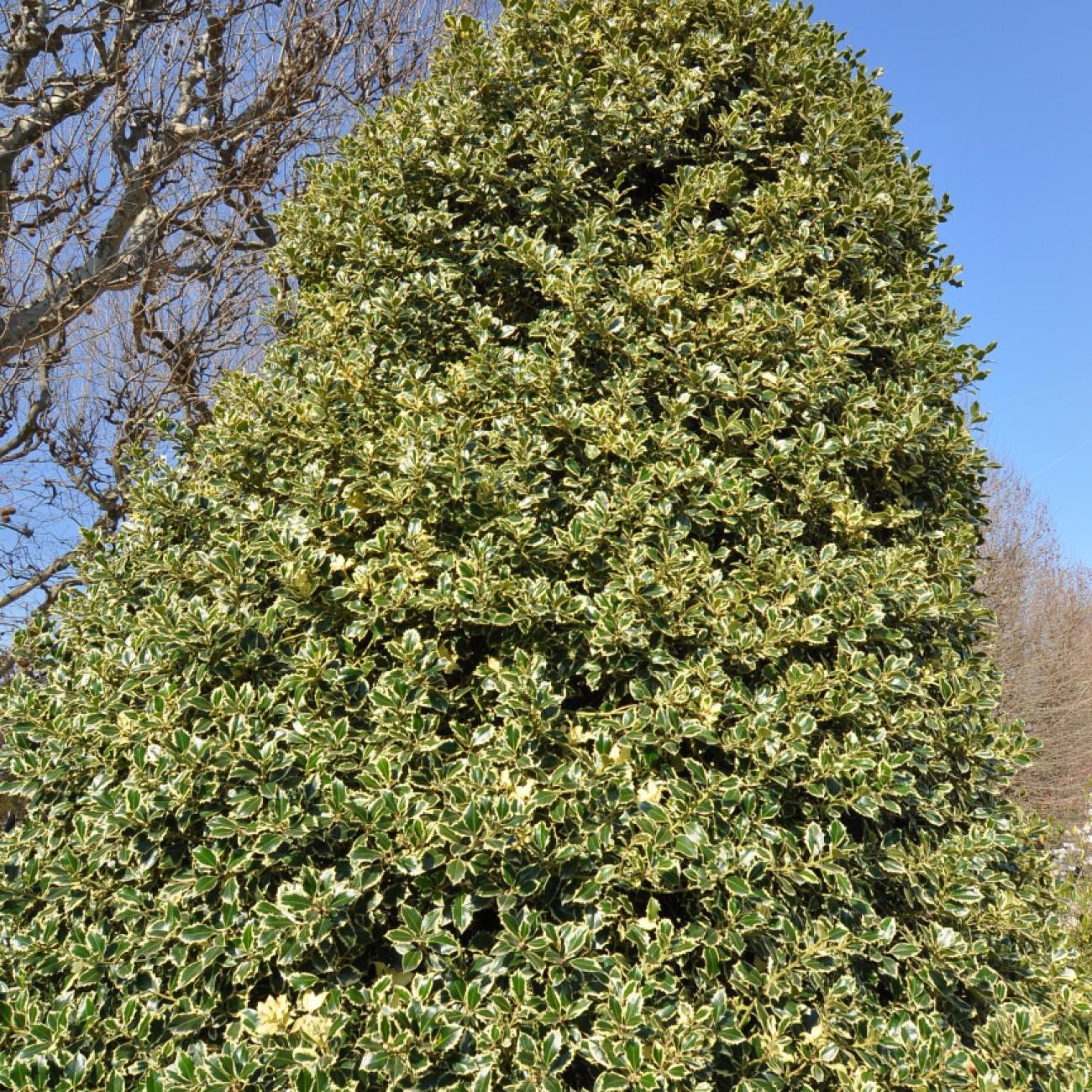
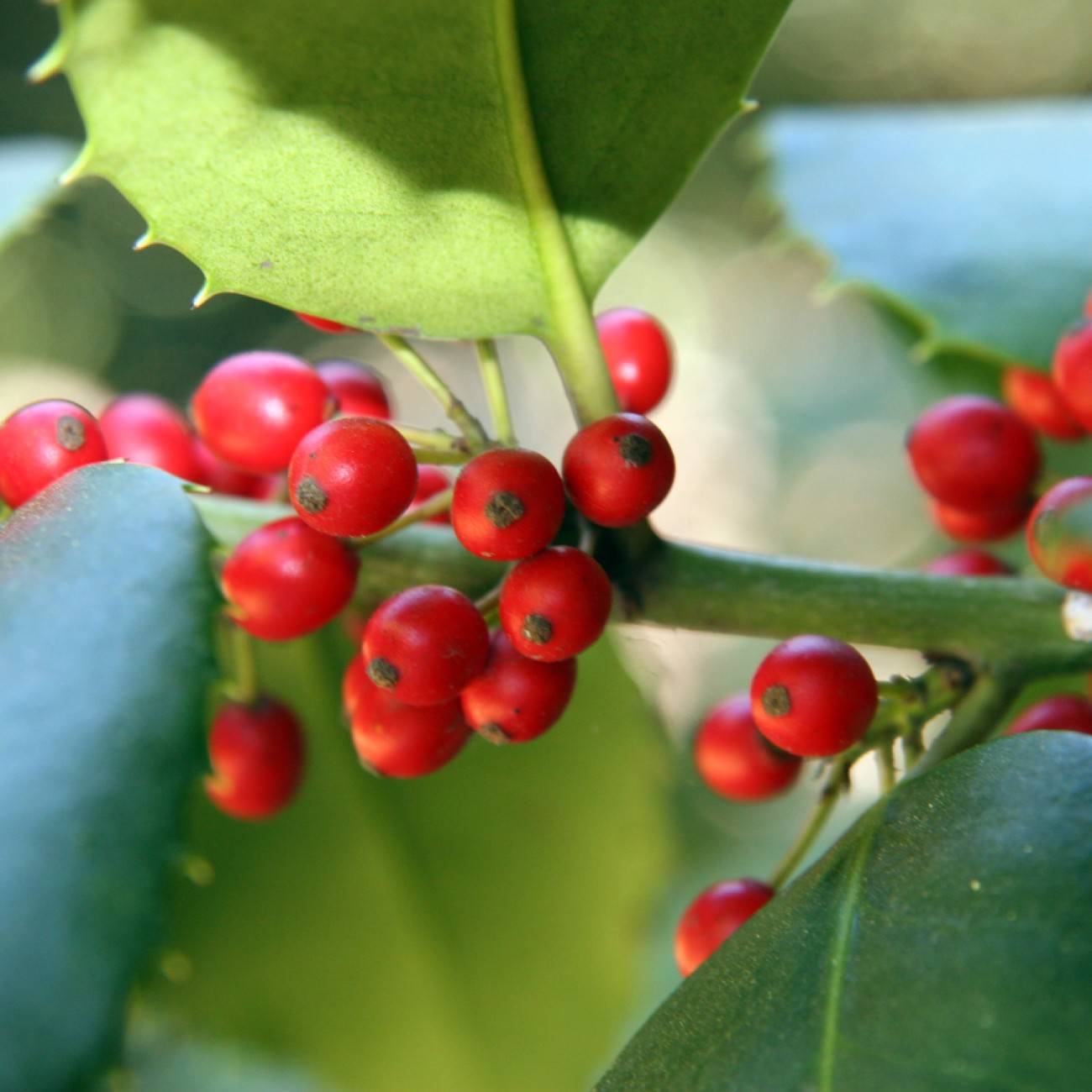
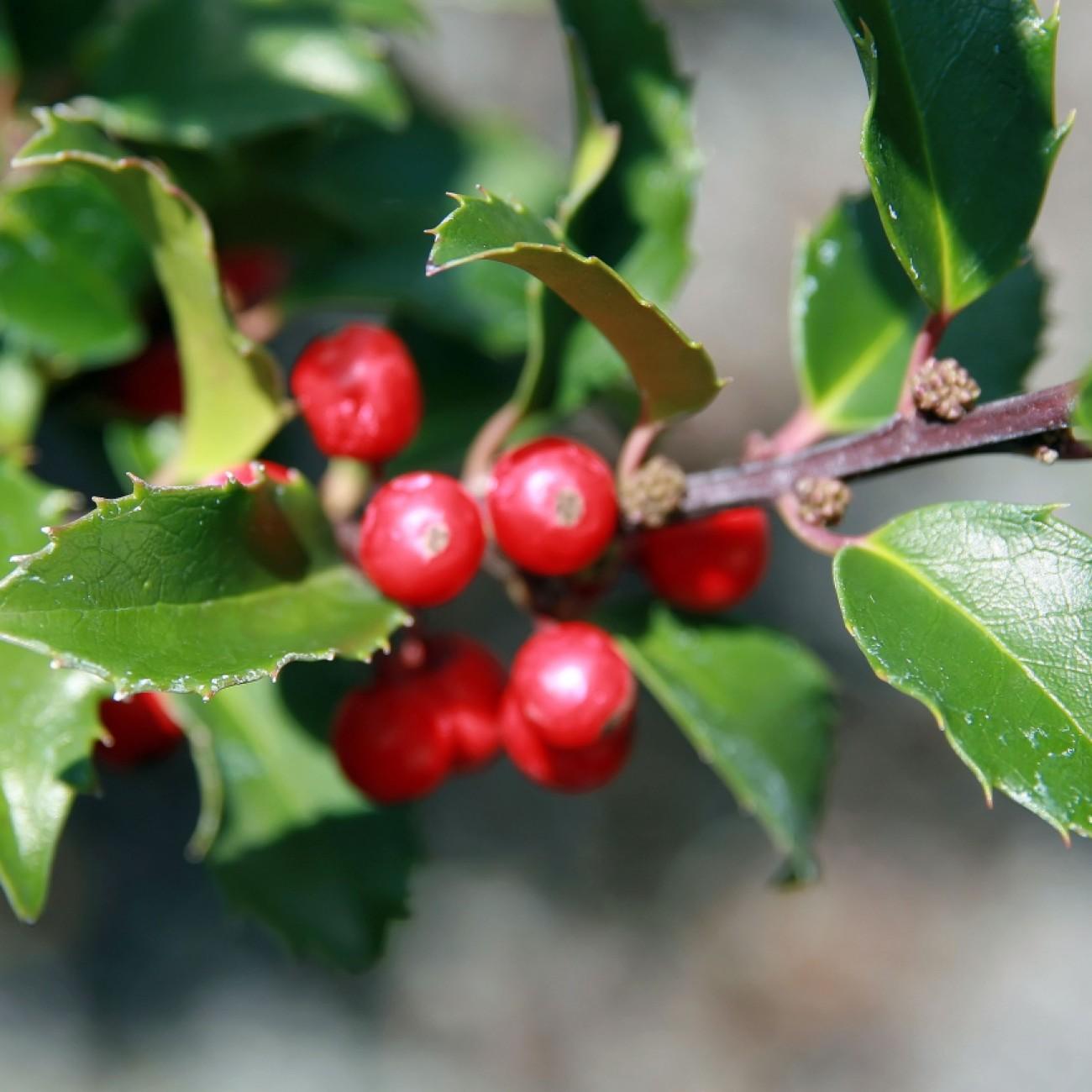
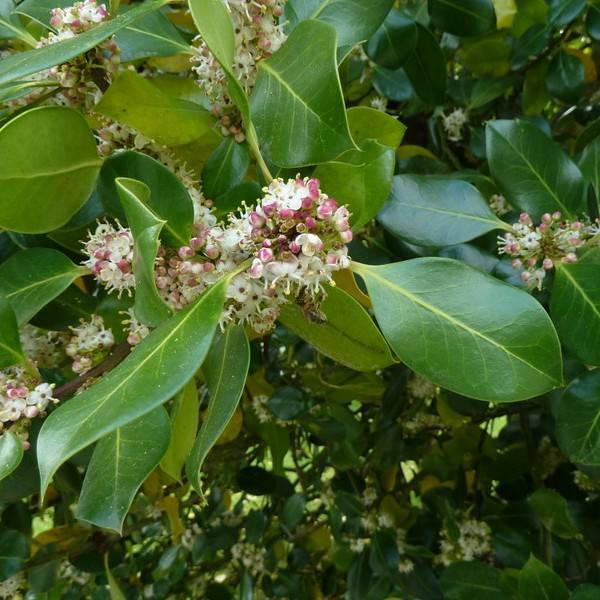
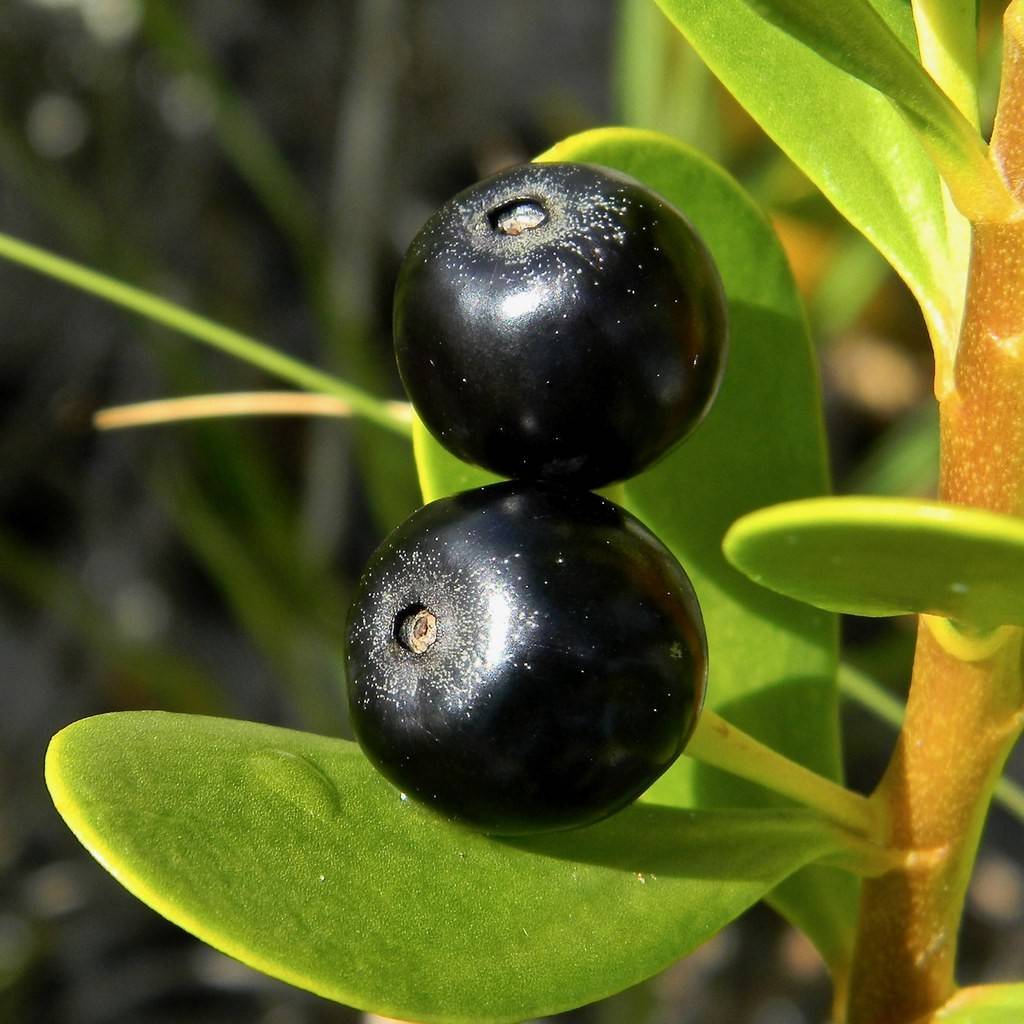
Inkberry is a dense, rounded evergreen shrub in the holly family, distinguished by its smooth, spineless dark green leaves and small, white spring flowers that develop into jet-black, berry-like drupes persisting through winter. As a dioecious species, only female plants produce berries when pollinated by a nearby male plant. It is highly adaptable to a range of growing conditions, making it a popular choice for native landscaping and wildlife habitat projects.
Care Guide
Watering
Inkberry prefers consistently moist, well-drained soil and tolerates periodic flooding, making it suitable for rain gardens or low-lying areas. Water newly planted shrubs deeply once or twice weekly for the first year to establish a strong root system; mature plants only require supplemental watering during extended dry spells. Avoid overwatering in heavy, poorly drained soils to prevent root rot.
Light
This shrub thrives in full sun to partial shade, with fuller, denser growth and heavier berry production occurring in locations receiving at least 6 hours of direct sunlight daily. It can tolerate deep shade, though growth will become sparser and berry yields will decrease significantly. In hot southern climates, provide light afternoon shade to prevent leaf scorch.
Soil
Inkberry grows best in acidic, organically rich soils with a pH between 4.5 and 6.5, though it adapts to sandy, loamy, or even heavy clay soils as long as drainage is adequate. It is one of the few holly species that tolerates consistently wet or boggy soils, making it ideal for wetland edge plantings. Amend alkaline soils with peat moss or sulfur to lower pH before planting if necessary.
Fertilizer
Feed inkberry in early spring before new growth emerges using a slow-release, acid-forming fertilizer formulated for evergreens or holly species. Avoid overfertilizing, as excessive nitrogen can lead to lush, weak growth prone to winter damage and reduce berry production. A 2-3 inch layer of pine bark or leaf mold mulch applied annually around the root zone will slowly add nutrients and maintain soil acidity.
Temperature
Inkberry is cold hardy in USDA zones 4 through 9, tolerating winter temperatures as low as -30°F (-34°C) when established. It adapts well to hot, humid summer conditions common in its native range, though prolonged temperatures above 95°F (35°C) may cause temporary leaf wilting without permanent damage. Young plants benefit from a protective winter mulch layer in the coldest parts of its range to prevent root heaving.
Pruning
Prune inkberry in late winter or early spring before new growth begins to shape the shrub, remove dead or damaged branches, and encourage dense, bushy growth. It tolerates heavy shearing well, making it suitable for formal hedges, though over-shearing can reduce flower and berry production for the season. To maintain natural form, only remove up to one-third of the oldest stems annually to rejuvenate the plant.
Propagation
Inkberry is most commonly propagated via softwood cuttings taken in early summer, treated with rooting hormone, and placed in a moist, acidic propagation medium under high humidity. Cuttings typically root within 6 to 8 weeks, and can be transplanted to larger containers or the landscape the following spring. It can also be grown from seed, though seeds require 12 to 18 months of cold stratification to germinate, and seedlings may not retain the exact characteristics of the parent plant.
Humidity
This shrub prefers moderate to high humidity levels between 50% and 70%, which are typical of its native eastern North American habitat. It tolerates average indoor humidity if grown as a container houseplant, though occasional misting can prevent leaf browning in very dry indoor environments. Outdoor plants rarely require humidity adjustments, as they adapt well to natural local humidity levels.
Repotting
Container-grown inkberry should be repotted every 2 to 3 years in early spring, before new growth emerges, using a well-draining, acidic potting mix formulated for evergreens. Choose a pot that is 2 to 3 inches larger in diameter than the current container, with ample drainage holes to prevent waterlogging. After repotting, water thoroughly and keep the plant in partial shade for 1 to 2 weeks to reduce transplant shock.
Uses & Symbolism
Inkberry is widely used in native landscaping as a hedge, foundation planting, rain garden shrub, or wetland restoration species, providing year-round evergreen interest and winter food for birds including cedar waxwings and robins. Its dense, evergreen foliage also makes it an effective privacy screen or windbreak when planted in masses. Historically, Indigenous peoples used its dried leaves as a tea substitute, though modern consumption is not recommended due to its toxic compounds.
Diseases & Pests
Inkberry is relatively pest and disease resistant, though it may be susceptible to leaf spot, powdery mildew, and root rot in poorly drained, overly wet soils. Common pests include spider mites, scale insects, and holly leaf miner, which can cause cosmetic leaf damage but rarely threaten the plant’s overall health. Chlorosis (yellowing leaves) may occur in alkaline soils, and can be corrected by adjusting soil pH with sulfur or acidic amendments.
Related plants
Other plants you might like if you grow Inkberry.