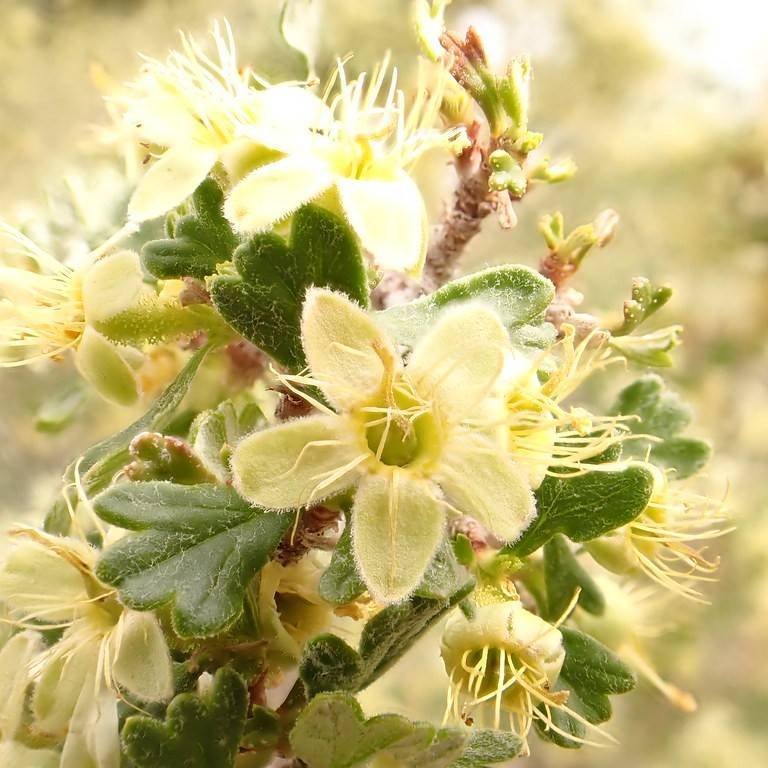
Antelope Bitterbrush
Purshia tridentata
Overview
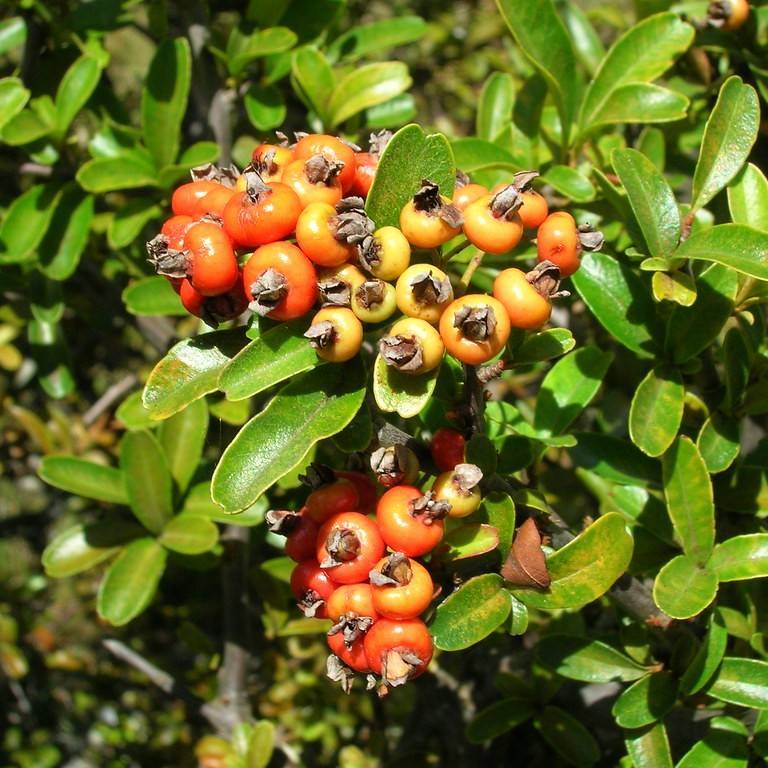
Antelope Bitterbrush is a deciduous to semi-evergreen shrub recognizable by its small, three-lobed, gray-green leaves and fragrant pale yellow spring flowers. It is a keystone species in sagebrush and pinyon-juniper habitats, supporting a wide range of native fauna. Its deep taproot and hardy nature make it well-adapted to dry, rocky, and nutrient-poor soils across its native range.
Care Guide
Watering
Established Antelope Bitterbrush is extremely drought-tolerant, requiring only occasional deep watering during extended periods of extreme dryness. Newly planted specimens need regular, light watering for the first 1-2 growing seasons to develop a robust root system, but overwatering will quickly cause root rot. Avoid supplemental watering in areas with average annual rainfall above 12 inches (30 cm).
Light
This shrub thrives in full, direct sunlight, requiring a minimum of 6 hours of unobstructed sun per day to grow vigorously and produce abundant flowers and seed. It will not tolerate partial or full shade, leading to sparse growth, reduced flowering, and increased susceptibility to pest and disease issues in low-light conditions.
Soil
Antelope Bitterbrush prefers well-drained, sandy, loamy, or rocky soils with a neutral to slightly alkaline pH, and it can thrive in nutrient-poor substrates due to its nitrogen-fixing root symbiosis. It cannot tolerate heavy, waterlogged clay soils or sites with poor drainage, which lead to fatal root rot. It is highly tolerant of shallow, rocky soils common in dry, sloped western landscapes.
Fertilizer
This shrub rarely requires supplemental fertilization, as its association with nitrogen-fixing bacteria allows it to obtain sufficient nutrients from poor soils. Excess nitrogen fertilizer will promote overly lush, weak growth that is more susceptible to drought stress and winter damage. If planted in extremely depleted soil, a single light application of a low-nitrogen, slow-release fertilizer in early spring is sufficient.
Temperature
Antelope Bitterbrush is extremely cold-hardy, tolerating winter temperatures as low as -30°F (-34°C) and thriving in USDA hardiness zones 4 through 8. It is well-adapted to hot, dry summer conditions, withstanding temperatures above 100°F (38°C) without damage as long as soil drainage is adequate. Late spring frosts can damage new growth, but established plants will regrow quickly after mild freeze damage.
Pruning
Pruning is rarely required for healthy Antelope Bitterbrush, but light shaping can be done in late winter before new growth emerges to maintain a compact form. Remove any dead, damaged, or diseased branches annually to improve air circulation and reduce pest habitat. Overgrown shrubs can be rejuvenated by cutting back to 6-12 inches (15-30 cm) above the ground in late winter, though regrowth may take 2-3 seasons to fully recover.
Propagation
Antelope Bitterbrush is most commonly propagated from seed, which requires cold stratification for 60-90 days to break dormancy before sowing in well-drained medium in spring. It can also be propagated from semi-hardwood cuttings taken in late summer, though rooting success rates are typically low without the use of rooting hormone and consistent misting. Wild-collected seedlings can be transplanted successfully in early spring before new growth begins, provided the taproot is kept intact during transplanting.
Humidity
This shrub prefers low to moderate humidity levels typical of its native arid and semi-arid western habitats, thriving in relative humidity levels between 20% and 50%. It does not tolerate high humidity environments, which increase the risk of foliar fungal diseases and root rot, making it unsuitable for cultivation in humid eastern North American regions. Ensure good air circulation around plants to reduce moisture buildup on foliage in areas with slightly higher humidity.
Repotting
Antelope Bitterbrush is rarely grown in containers, as its deep taproot requires ample space to develop and it performs best when planted directly in the landscape. If grown temporarily in a nursery pot, repot only when roots are visibly emerging from drainage holes, using a deep, well-drained pot and a sandy, loamy potting mix. Transplant to a permanent landscape location as soon as possible to avoid stunting the taproot and reducing long-term survival.
Uses & Symbolism
Antelope Bitterbrush is a critical forage source for mule deer, pronghorn antelope, elk, and livestock, particularly during winter months when other vegetation is scarce, earning it its common name. It is widely planted for erosion control on dry, sloped sites and for reclamation of disturbed areas such as mine lands and road cuts, due to its deep root system and nitrogen-fixing ability that improves soil health. It also provides cover and nesting habitat for a variety of native songbirds and small mammals in arid western ecosystems.
Diseases & Pests
Antelope Bitterbrush is relatively pest and disease resistant in its native habitat, but overwatering and poor drainage can lead to fatal root rot caused by Phytophthora and Armillaria fungal pathogens. Foliar rusts and powdery mildew may occur in areas with high humidity or poor air circulation, though these are rarely fatal and can be managed by improving airflow and reducing moisture on leaves. Occasional infestations of aphids and spider mites may occur, particularly on stressed plants, and can be controlled with insecticidal soap or neem oil applications.
Related plants
Other plants you might like if you grow Antelope Bitterbrush.