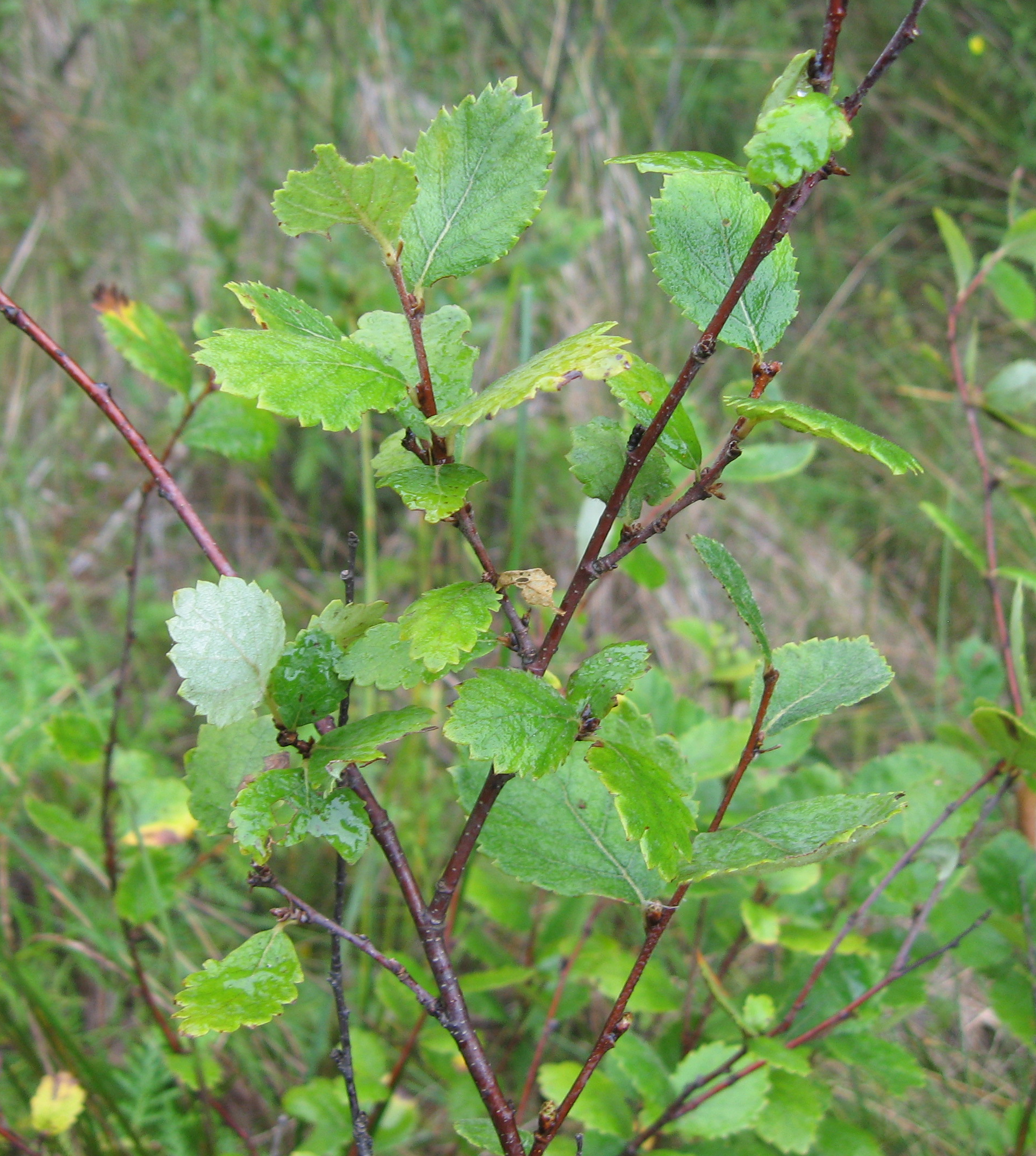
Bog Birch
Betula pumila
Overview
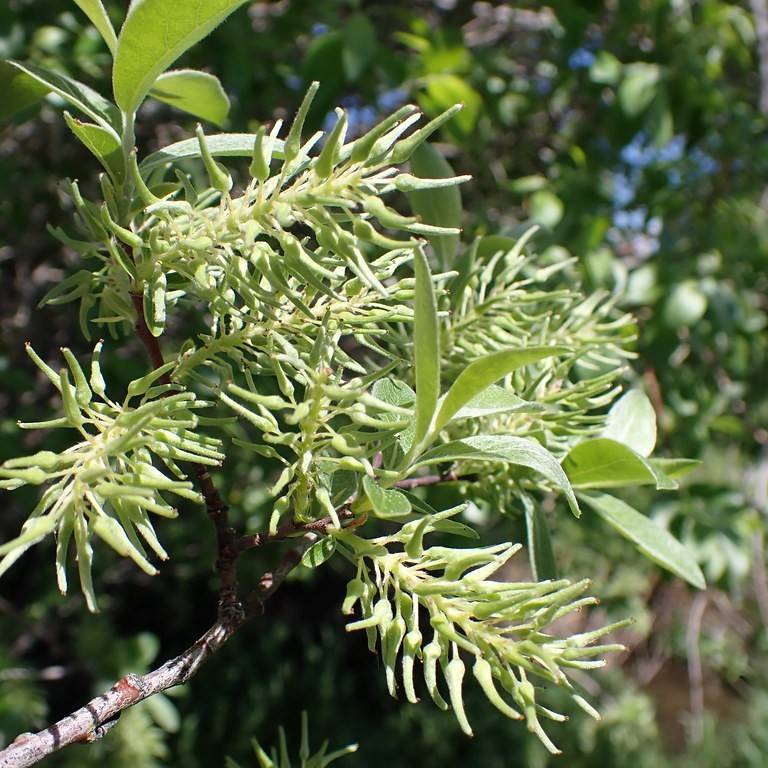
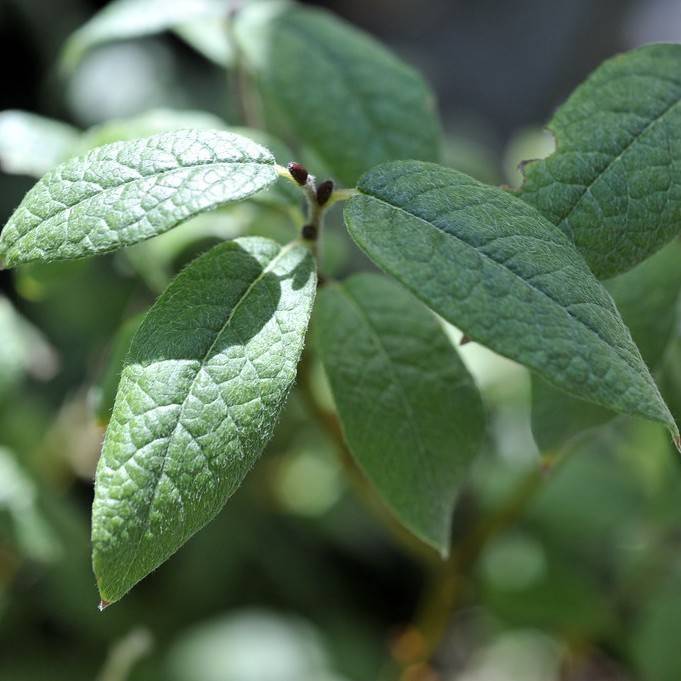
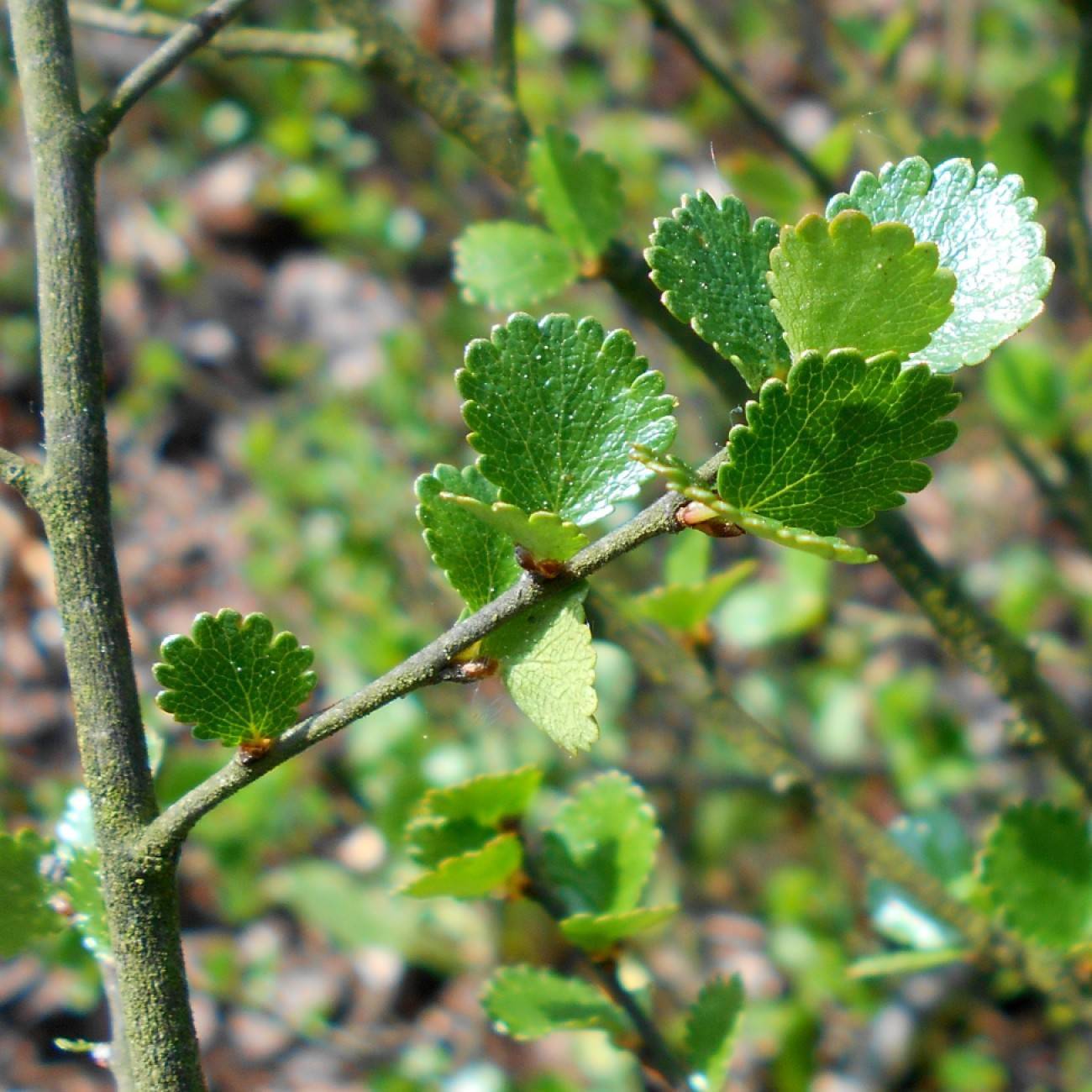
Bog birch is a compact, multi-stemmed deciduous shrub distinguished by its reddish-brown peeling bark, oval serrated leaves, and small, cylindrical catkins that emerge in spring. It thrives in saturated, nutrient-poor wetland environments, where it forms dense thickets that stabilize soil and support specialized wetland ecosystems. Adapted to cold northern climates, it tolerates extended periods of flooding and acidic conditions that many other woody plants cannot survive.
Care Guide
Watering
Bog birch requires consistently wet, even saturated soil to thrive, as it is adapted to bog and fen habitats with year-round moisture. Never allow the root zone to dry out completely; in cultivation, it may need supplemental watering during extended dry periods to maintain soil saturation. It tolerates periodic flooding and standing water for short to moderate durations without root damage.
Light
This shrub grows best in full sun, receiving at least 6 hours of direct sunlight daily, which supports dense foliage and abundant catkin production. It can tolerate partial shade, but growth will become more sparse and flowering will be reduced in low-light conditions. In hotter southern portions of its range, light afternoon shade can help prevent leaf scorch during peak summer heat.
Soil
Bog birch requires acidic, nutrient-poor, poorly drained soil with a pH between 4.0 and 6.5 to thrive. It is adapted to peat, muck, or sandy wetland soils with high organic matter content, and will not perform well in alkaline or fast-draining garden soils. If cultivated in non-wetland settings, amend soil with peat moss or composted pine bark to increase acidity and improve water retention.
Fertilizer
As a species adapted to low-nutrient bog environments, bog birch requires very little supplemental fertilization, and excess nutrients can damage its root system. If grown in cultivation, apply a very dilute, acidic, slow-release fertilizer once per year in early spring, at no more than half the recommended rate for general landscape shrubs. Avoid nitrogen-rich fertilizers, which can promote overly fast growth that is vulnerable to cold damage and pest infestations.
Temperature
Bog birch is extremely cold-hardy, suitable for USDA hardiness zones 2 through 7, and tolerates winter temperatures as low as -50°F (-46°C) without damage. It thrives in cool summer climates, and may struggle in regions with sustained temperatures above 85°F (29°C) for long periods, especially if soil moisture is inadequate. Winter dormancy is triggered by cold temperatures, and the plant requires a prolonged cold period to produce healthy new growth in spring.
Pruning
Prune bog birch in late winter or early spring before new growth emerges, to remove dead, damaged, or crossing stems and maintain a desired shape. Avoid heavy pruning, as this species recovers slowly from extensive cutting; limit removal to no more than 25% of the shrub’s growth in a single year. Pruning can also be used to thin dense thickets to improve air circulation and reduce the risk of fungal disease.
Propagation
Bog birch is most easily propagated from seed, which requires a 90-day cold stratification period to break dormancy before sowing in moist, acidic growing medium. Softwood cuttings taken in early summer can also root successfully if treated with rooting hormone and kept in consistently wet, high-humidity conditions under partial shade. Wild plants often spread via underground rhizomes to form clonal colonies, so division of established clumps in early spring is another viable propagation method.
Humidity
This shrub prefers high humidity levels of 60% or higher, typical of its native wetland habitats, and will suffer from leaf browning and drop in very dry air. If grown in drier inland areas, regular misting or placement near a water feature can help maintain adequate ambient humidity around the plant. It tolerates moderate short-term drops in humidity as long as root zone moisture remains consistent.
Repotting
Bog birch is rarely grown in containers, as it requires consistently saturated soil and extensive root space to thrive. If container-grown for wetland restoration projects, repot every 2 to 3 years in early spring, using a acidic, peat-heavy potting mix with no added drainage materials to retain maximum moisture. Ensure containers have no drainage holes, or are placed in a saucer that is kept filled with water at all times to maintain saturated soil conditions.
Uses & Symbolism
Bog birch is widely used in wetland restoration and riparian stabilization projects, as its dense root system holds soil in place and its thickets provide habitat for waterfowl, songbirds, and small mammals. It is also planted in rain gardens and bog gardens as a native ornamental shrub, valued for its attractive peeling bark, bright yellow fall foliage, and low maintenance needs in wet sites. Indigenous peoples of North America historically used its flexible stems for basket weaving and its bark for medicinal preparations to treat minor skin irritations.
Diseases & Pests
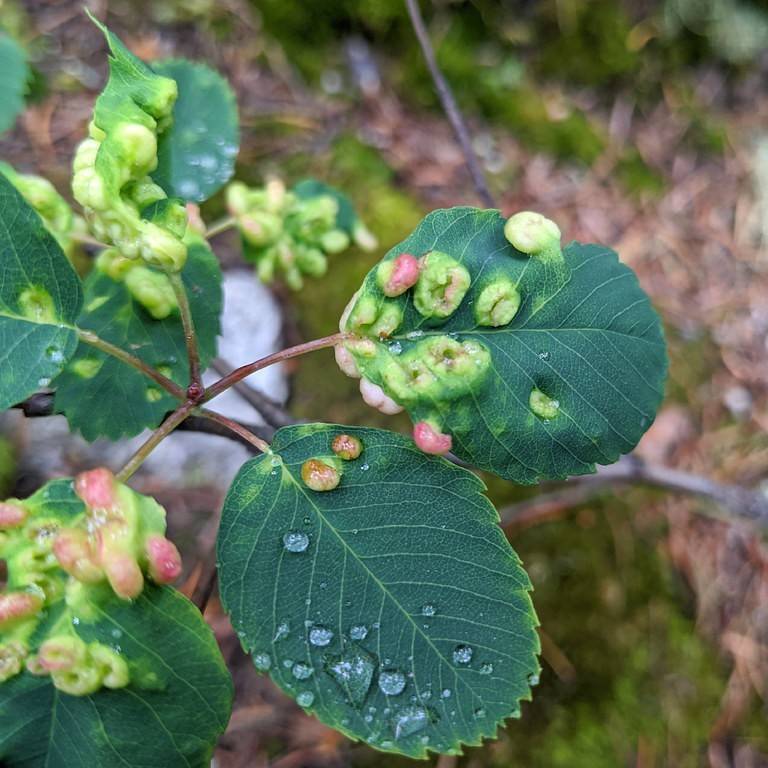
Bog birch is relatively resistant to most pests and diseases in its native habitat, but may be susceptible to birch leaf miner, which tunnels into leaf tissue and causes brown discoloration, and aphids that feed on new growth and secrete honeydew leading to sooty mold. Fungal leaf spot and powdery mildew can occur in areas with poor air circulation or prolonged leaf wetness, though these are rarely fatal to established plants. Root rot may develop if the plant is grown in non-saturated, poorly aerated soil that is heavy and slow-draining, rather than the saturated, porous peat soils it prefers.
Related plants
Other plants you might like if you grow Bog Birch.