Inflated Sedge
Carex vesicaria
Overview
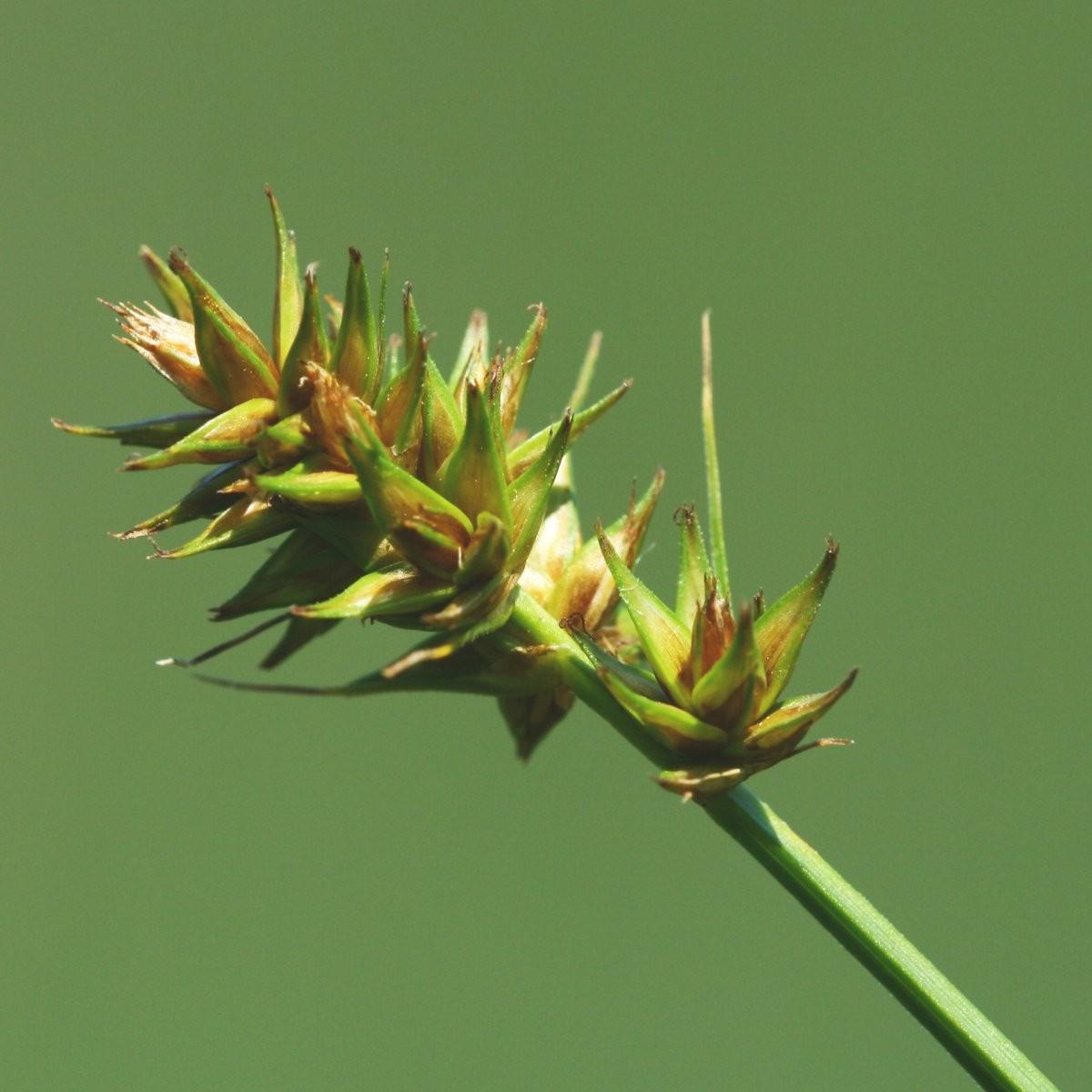
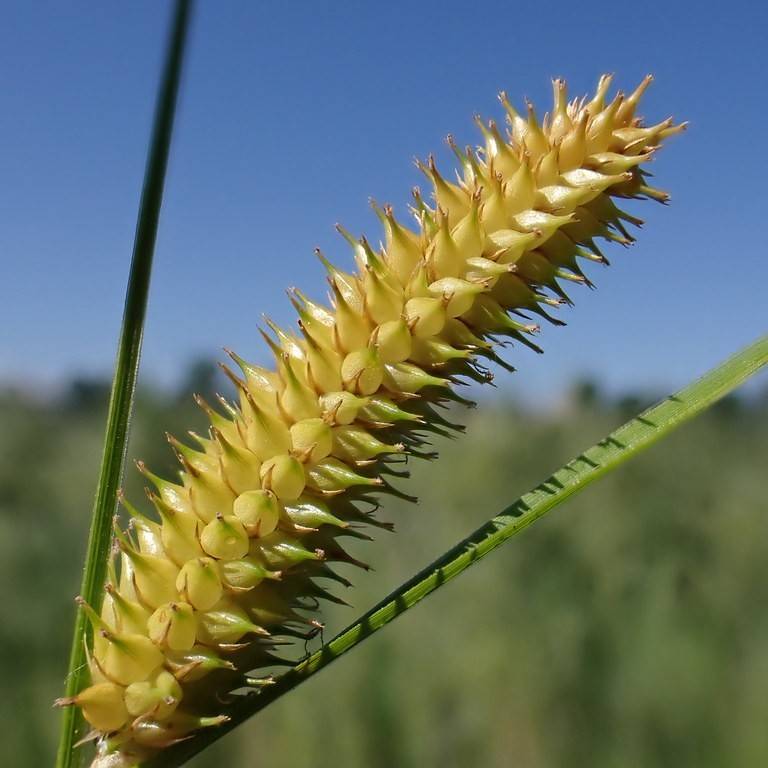
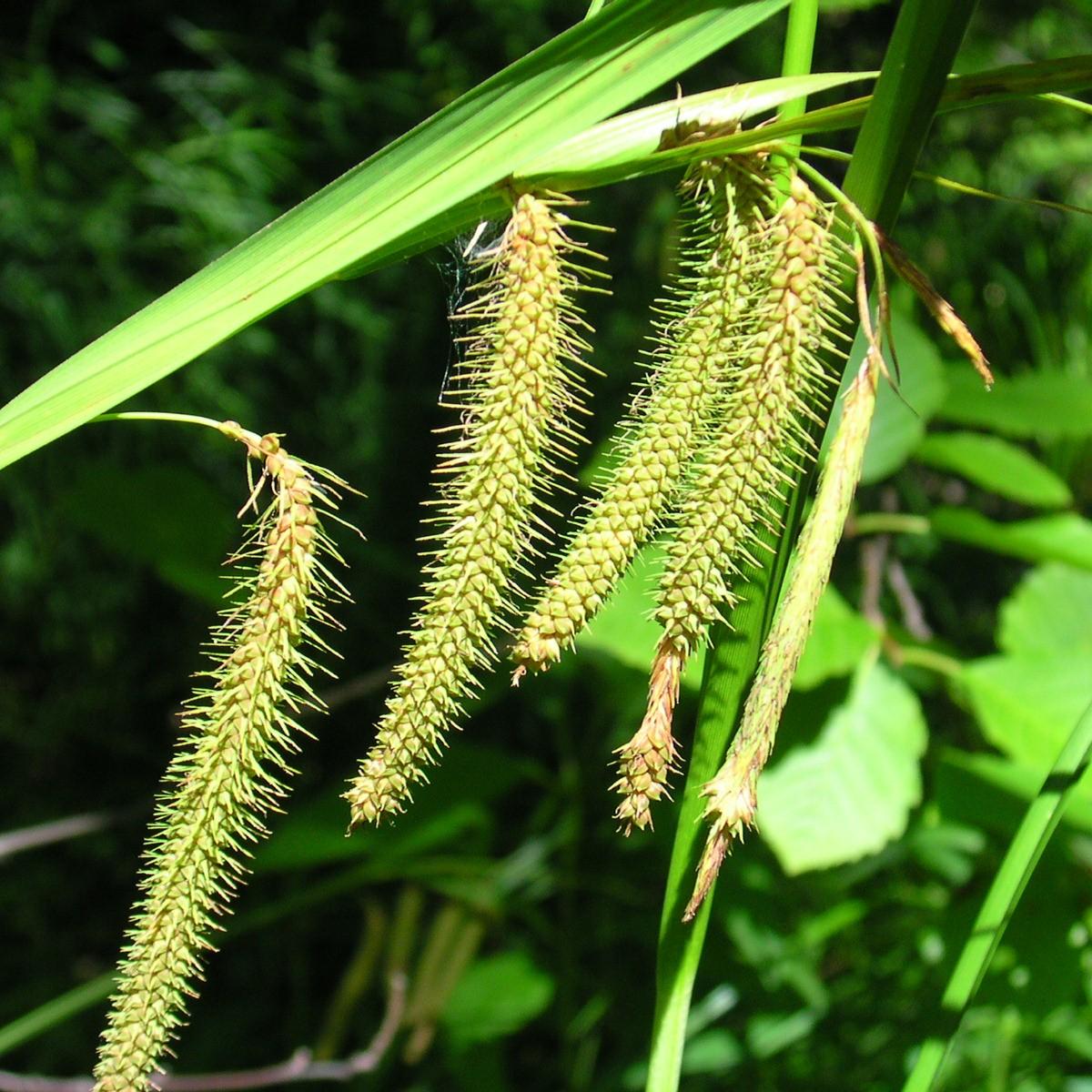
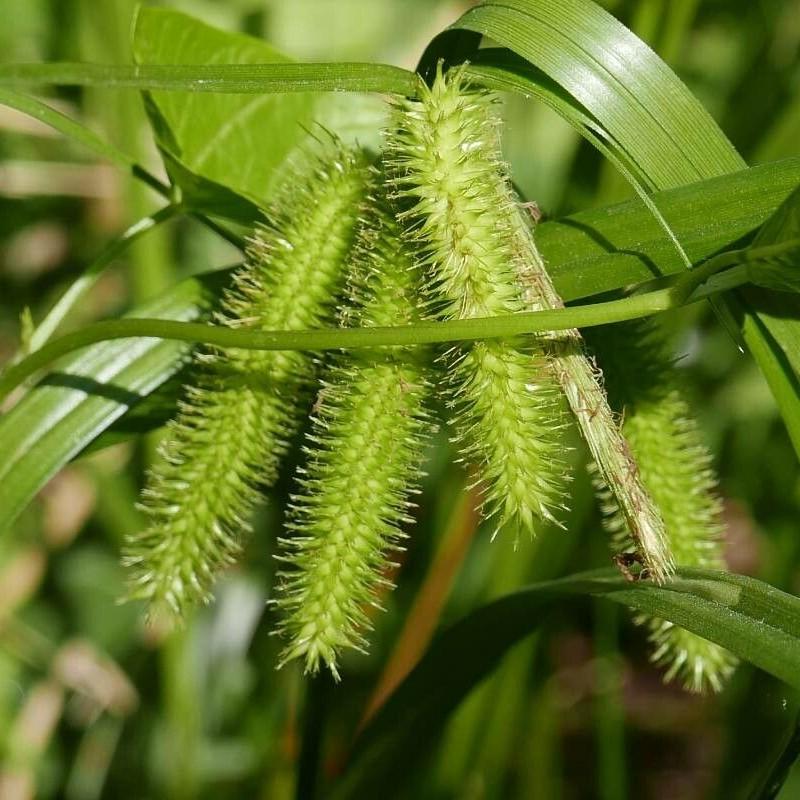
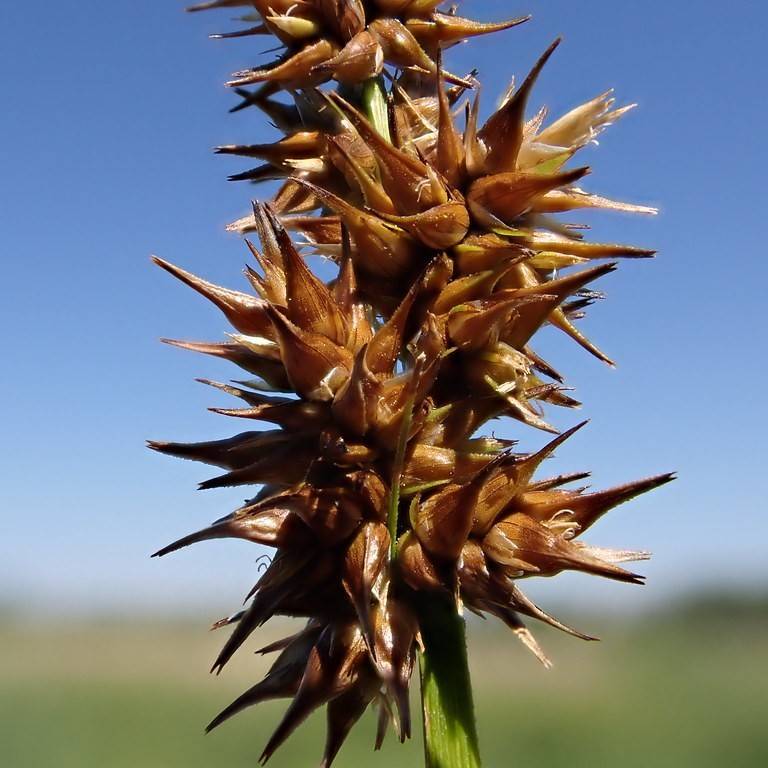
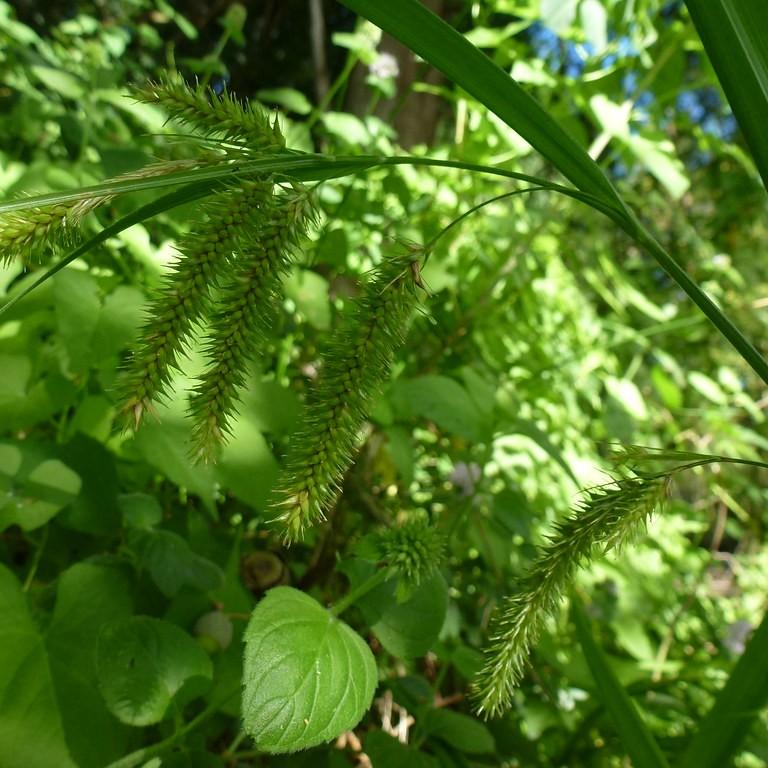
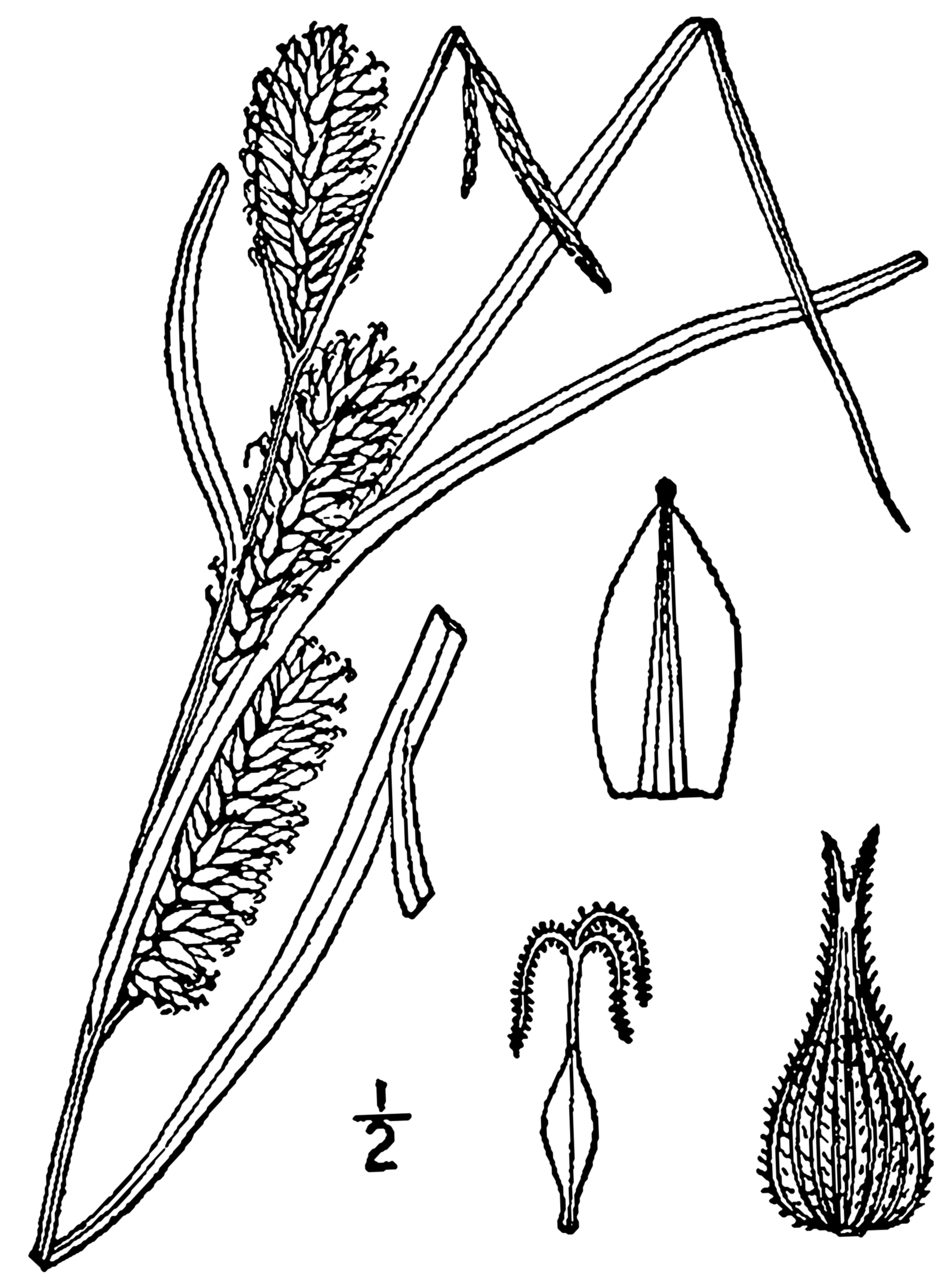
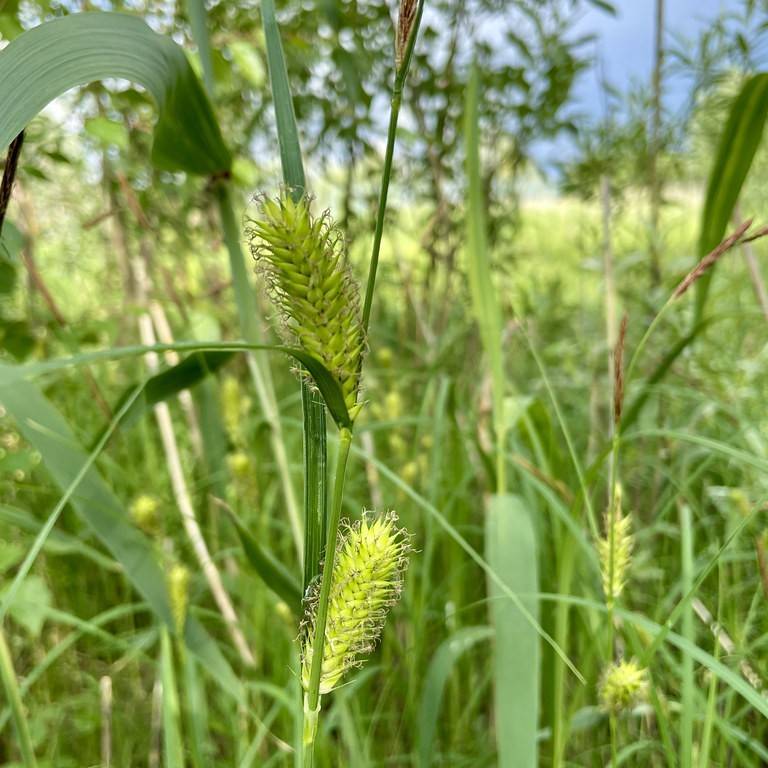
Inflated sedge is a rhizomatous, clump-forming wetland plant characterized by narrow, arching green leaves and unique flowering spikes that develop papery, inflated perigynia surrounding its small seeds. It thrives in saturated soils, often forming dense colonies along pond edges, marshes, and riparian zones. Its distinctive seed structures give the plant its common name, making it easy to identify in native plant communities.
Care Guide
Watering
Inflated sedge requires consistently moist to saturated soil, tolerating shallow standing water up to 6 inches deep for extended periods. Never allow the root zone to dry out completely; water frequently to maintain wet conditions, especially when grown in upland garden settings. It is well-adapted to flood-prone areas and can survive seasonal inundation.
Light
This sedge performs best in full sun to partial shade, producing the most robust growth and abundant seed heads in full sun exposure. In hotter climates, it benefits from light afternoon shade to prevent leaf scorch. It can tolerate deep shade but will have slower, sparser growth and fewer flowering spikes.
Soil
It prefers rich, loamy, wet soils with a neutral to slightly acidic pH, but it is adaptable to clay, silty, or mucky soils common in wetland environments. It does not require well-drained soil, and its roots thrive in oxygen-poor, saturated substrates. Avoid sandy, fast-draining soils that cannot hold consistent moisture.
Fertilizer
Inflated sedge rarely needs supplemental fertilization when grown in its native wetland habitat, as it can access nutrients from organic sediment in wet soils. If grown in poor garden soil, apply a balanced, slow-release fertilizer in early spring at half the recommended rate to avoid excess nutrient runoff. Do not overfertilize, as this can lead to lush, weak growth prone to lodging.
Temperature
It is hardy in USDA zones 3 through 8, tolerating winter temperatures as low as -40°F (-40°C) when its roots are insulated by snow or saturated soil. It thrives in summer temperatures between 60-85°F (16-29°C), and can tolerate short periods of higher heat as long as soil moisture remains consistent. Frost will kill back aboveground foliage, but the root system will regrow in spring.
Pruning
Prune back dead, brown foliage to the ground in late winter or early spring before new growth emerges to keep the clump looking tidy and allow sunlight to reach emerging shoots. You can trim back any damaged or yellowed leaves throughout the growing season as needed. To prevent self-seeding, remove spent flowering spikes before the perigynia mature and release seeds if you want to limit spread.
Propagation
Inflated sedge is most easily propagated by division in early spring, when you can split established clumps into smaller sections and replant them immediately in moist soil. It can also be grown from seed, which requires cold stratification for 60-90 days before sowing on the surface of wet, sterile growing medium. Rhizome cuttings taken from healthy, mature plants will also root quickly when planted in saturated soil in spring or fall.
Humidity
It naturally thrives in high humidity environments typical of wetlands, marshes, and riparian areas, tolerating humidity levels between 50-90% with no issues. When grown in drier garden settings, regular watering and occasional misting of foliage can help maintain adequate humidity levels. It is not prone to leaf browning from moderate humidity fluctuations as long as its root zone remains consistently wet.
Repotting
When grown in containers, repot every 2-3 years in early spring, moving to a larger pot with a rich, moisture-retentive potting mix. Ensure containers have drainage holes, but keep the pot sitting in a saucer of standing water to maintain consistent soil saturation. Trim back any overgrown rhizomes during repotting to prevent the plant from becoming root-bound.
Uses & Symbolism
Inflated sedge is widely used in wetland restoration and rain garden projects to stabilize shorelines, prevent erosion, and filter excess nutrients from runoff. It provides valuable habitat and food for waterfowl, songbirds, and small mammals, which feed on its abundant seeds, and its dense clumps offer shelter for amphibians and aquatic insects. It is also planted as an ornamental in native landscape designs, particularly around water features, for its fine-textured foliage and unique seed heads.
Diseases & Pests
Inflated sedge is relatively pest and disease resistant, but it can occasionally develop fungal leaf spots or rust in overly humid, stagnant conditions with poor air circulation. Aphids and sedge sawflies may feed on its foliage, though damage is rarely severe enough to require treatment. Root rot can occur if the plant is grown in unseasonably dry soil that is repeatedly saturated and dried out, rather than consistently wet.
Related plants
Other plants you might like if you grow Inflated Sedge.