Bullrush
Schoenoplectus acutus
Overview
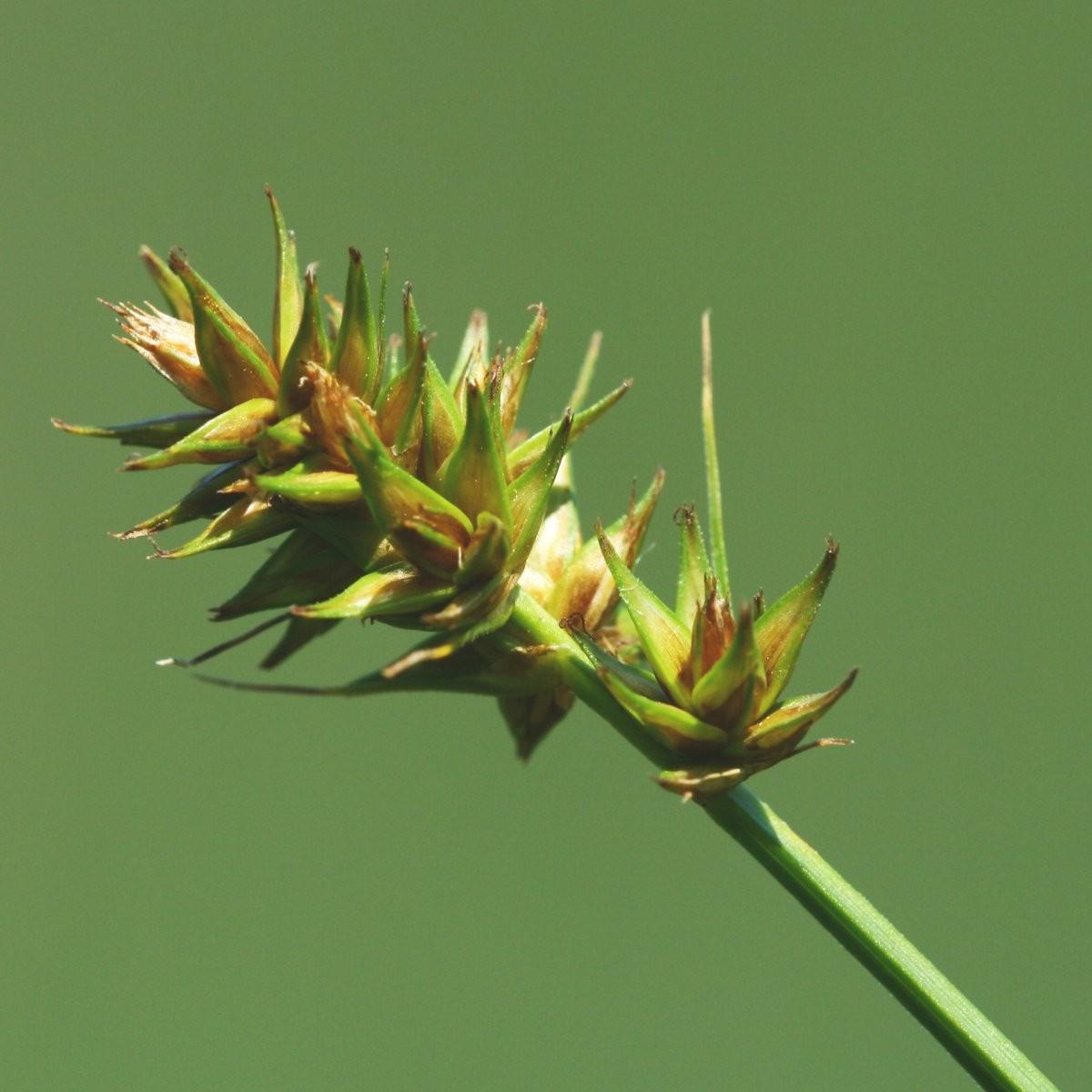
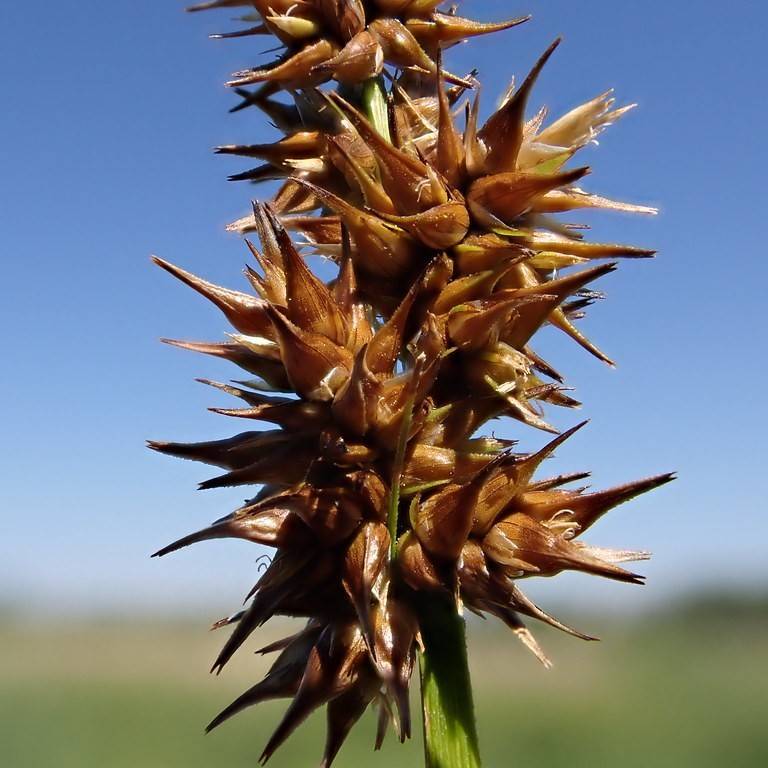
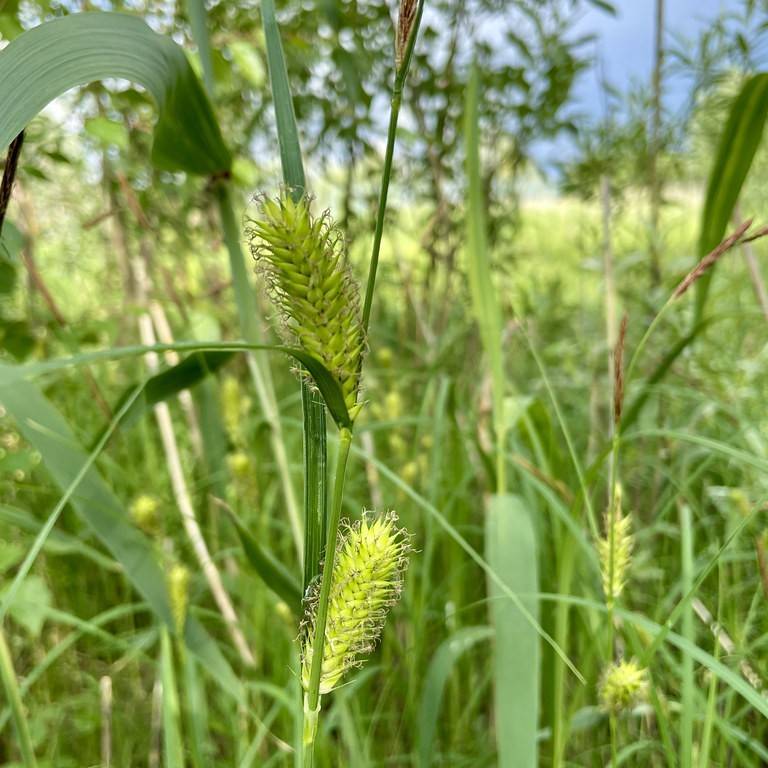
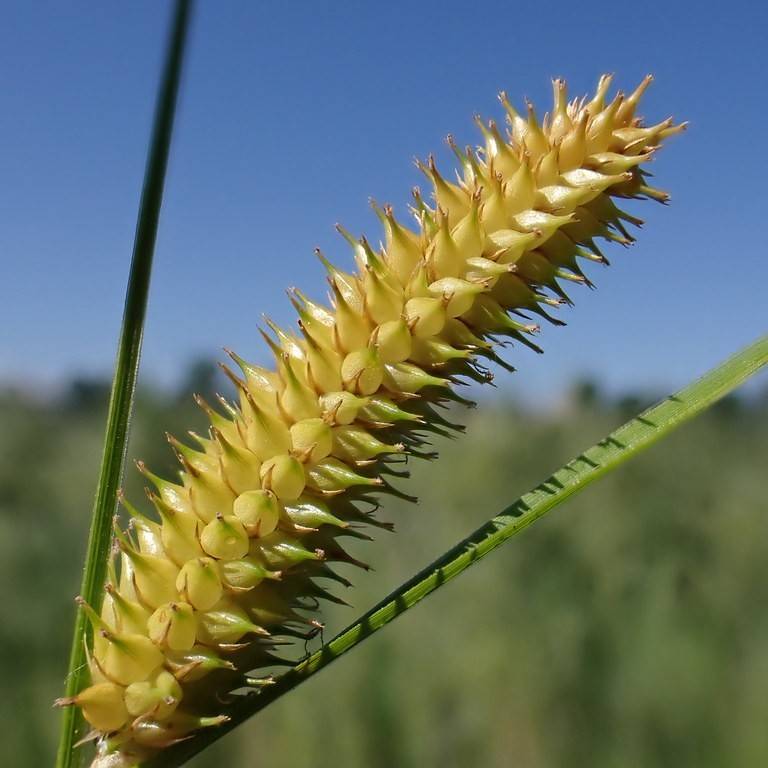
Bullrush, also called common tule or hardstem bulrush, is a rhizomatous wetland sedge distinguished by its rigid, leafless, gray-green cylindrical stems and small, clustered brown spikelet flowers that bloom in late summer. It forms dense colonies in shallow, calm freshwater environments, including marshes, pond edges, and slow-moving streams, where its extensive root systems stabilize shorelines and filter excess nutrients from runoff. Adaptable to a wide range of temperate and subtropical climates, it is a keystone species for wetland ecosystems, providing shelter and food for waterfowl, amphibians, and aquatic invertebrates.
Care Guide
Watering
Bullrush requires constant moisture, thriving in shallow standing water up to 12 inches (30 cm) deep or consistently saturated soil. Never allow the root zone to dry out completely; in garden or container settings, keep the soil submerged or waterlogged at all times, replenishing water regularly to offset evaporation.
Light
This plant prefers full, direct sunlight for at least 6 hours per day to support vigorous stem growth and flowering. It can tolerate very light, dappled shade, but prolonged low light will lead to weak, spindly stems and reduced colony spread.
Soil
Bullrush grows best in heavy, nutrient-rich wetland soil, including clay, loam, or muck, with a neutral to slightly alkaline pH between 6.5 and 8.0. It tolerates poorly drained, anaerobic soil conditions that would kill most other plants, and can even grow in saturated sandy substrate if nutrients are sufficient.
Fertilizer
Fertilization is rarely needed for bullrush grown in natural wetland settings, as it draws sufficient nutrients from sediment and runoff. For container-grown specimens, apply a balanced, slow-release aquatic plant fertilizer once annually in early spring to support new growth, avoiding over-fertilization that can trigger unwanted algae growth in surrounding water.
Temperature
Bullrush is hardy in USDA zones 3 through 11, tolerating winter temperatures as low as -40°F (-40°C) when its root zone is insulated by ice or saturated soil. It thrives in summer temperatures between 60–90°F (15–32°C), and will go dormant in cold winter conditions, with above-ground stems dying back to the rhizome before regrowing in spring.
Pruning
Prune away dead, brown, or damaged stems in late winter or early spring before new growth emerges to keep colonies tidy and improve air circulation. If bullrush spreads beyond its desired area, cut back unwanted rhizomes below the soil line or install a root barrier around planting zones to prevent uncontrolled vegetative spread.
Propagation
Bullrush is most easily propagated by dividing mature rhizomes in early spring, separating clumps into sections with at least one healthy growing point and planting them directly in saturated soil or shallow water. It can also be grown from seed, which should be sown on the surface of wet, warm soil in full sun, with germination occurring within 2–4 weeks under consistent moist conditions.
Humidity
Bullrush thrives in high humidity levels typical of wetland environments, between 60–90% relative humidity. It tolerates average outdoor humidity in most temperate regions, but if grown indoors as a marginal pond plant, mist stems regularly if ambient humidity drops below 50% to prevent desiccation of stem tips.
Repotting
Container-grown bullrush should be repotted every 2–3 years in early spring to refresh soil and prevent rhizomes from becoming root-bound. Use a heavy, loam-based aquatic potting mix, and plant in a wide, shallow pot with no drainage holes to maintain constant saturation, placing the pot so the soil surface is submerged 2–6 inches under water.
Uses & Symbolism
Bullrush is widely planted for wetland restoration and shoreline erosion control, as its dense rhizome network holds soil in place and filters agricultural runoff, excess nitrogen, and pollutants from waterways. It has a long history of cultural use by Indigenous peoples, who harvest its stems to weave baskets, mats, and boats, and eat its young shoots, rhizomes, and pollen as food sources. In garden settings, it is a popular marginal plant for ornamental ponds and water gardens, adding vertical structure and providing habitat for beneficial wildlife.
Diseases & Pests
Bullrush is relatively pest and disease resistant, but can be susceptible to rust fungal infections that cause orange or brown spots on stems, particularly in crowded, poorly ventilated colonies. Aphids and scale insects may occasionally feed on young stems, though infestations are rarely severe and can be controlled by rinsing plants with water or introducing natural predators such as ladybugs. In stagnant, nutrient-heavy water, root rot may occur if sediment buildup reduces oxygen flow to the rhizome zone.
Related plants
Other plants you might like if you grow Bullrush.