Beaked Sedge
Carex utriculata
Overview
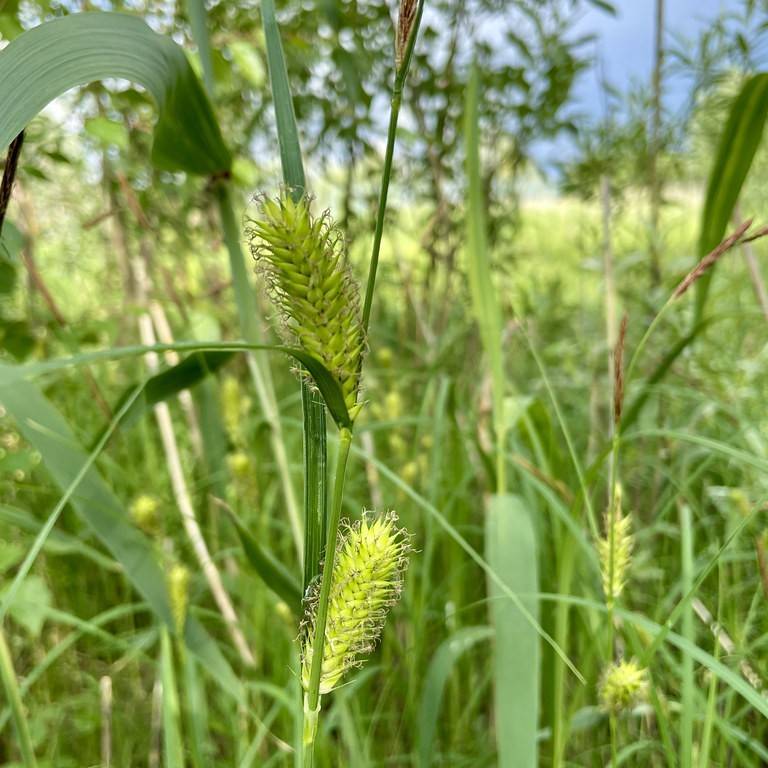
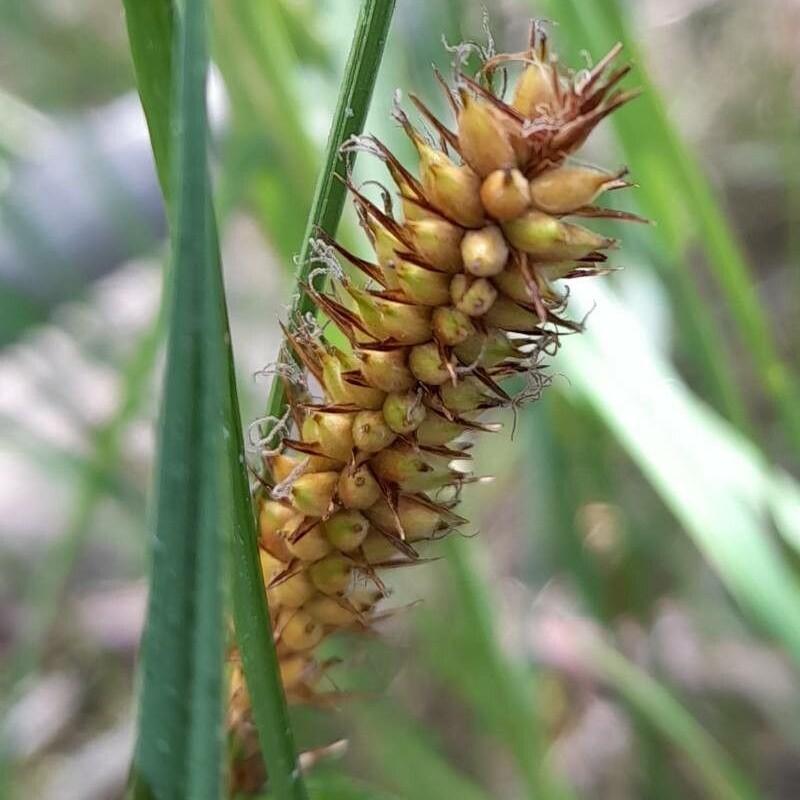
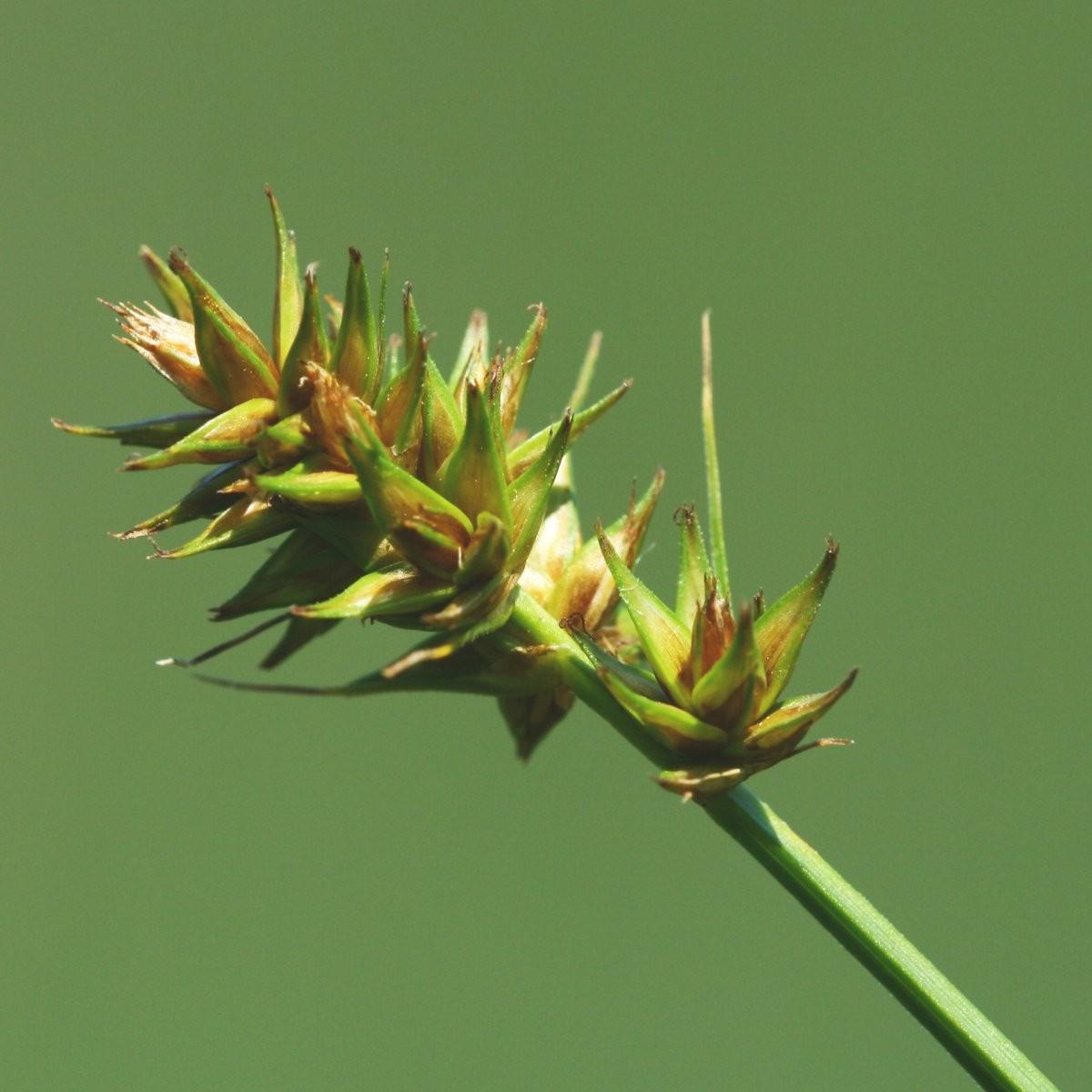
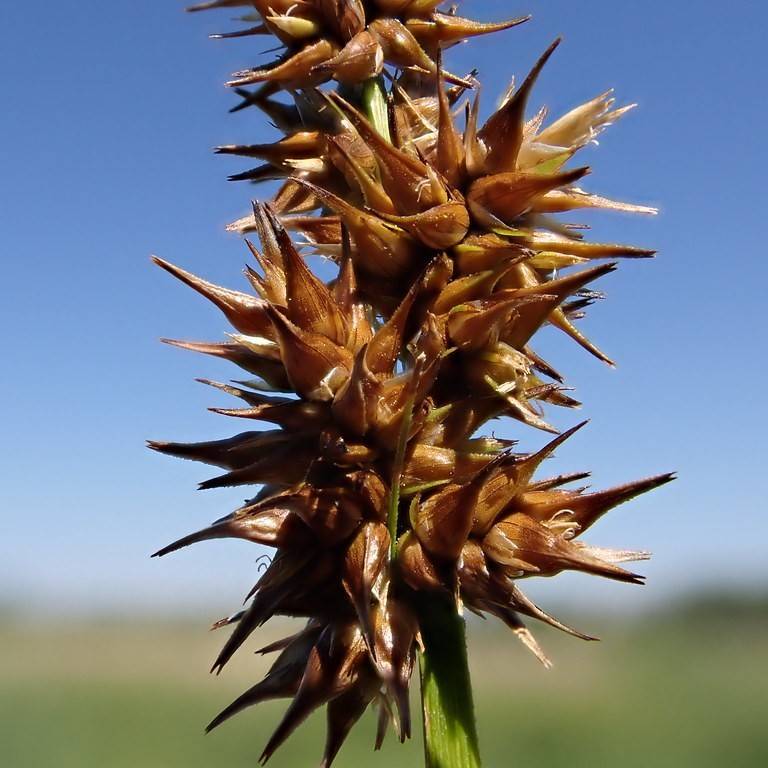
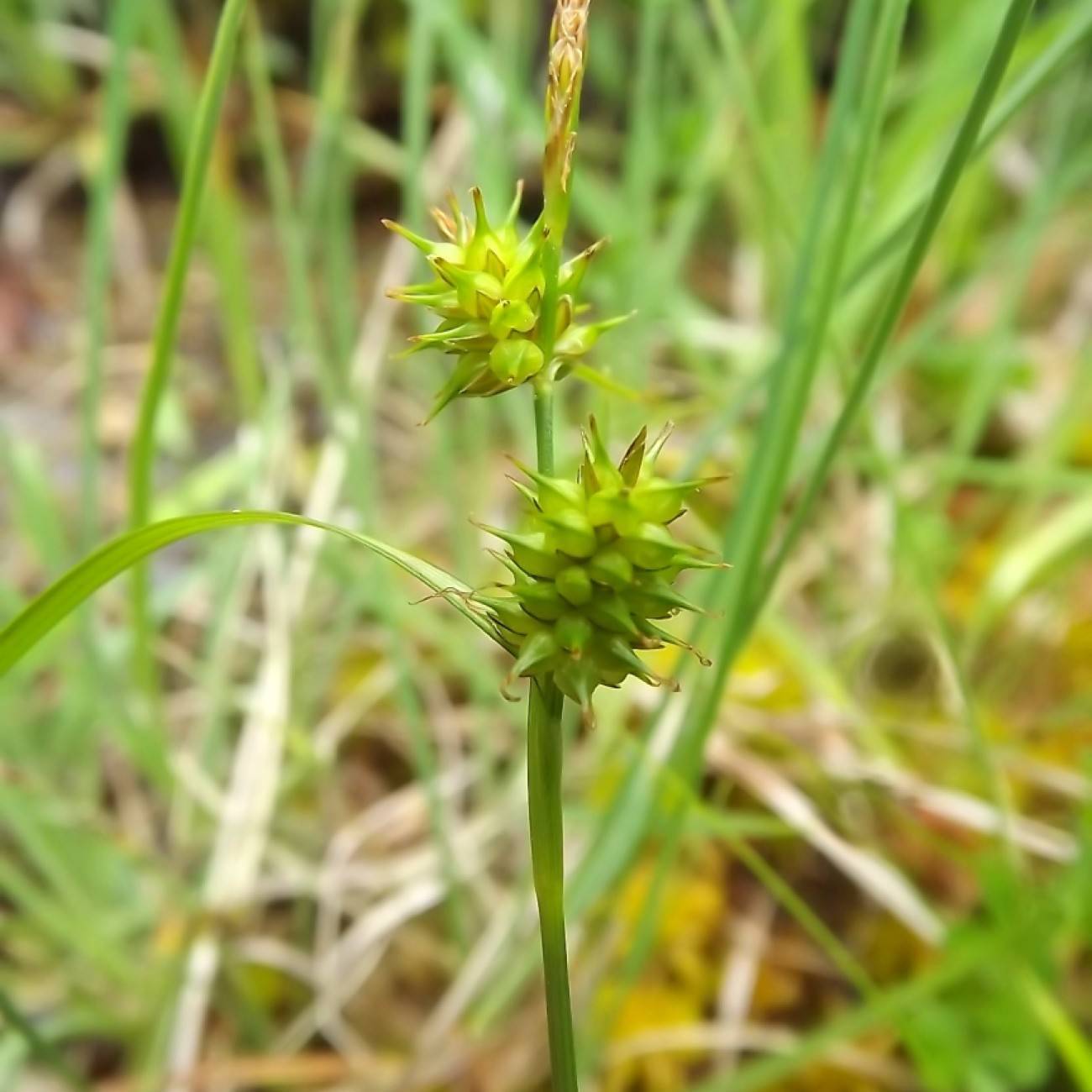
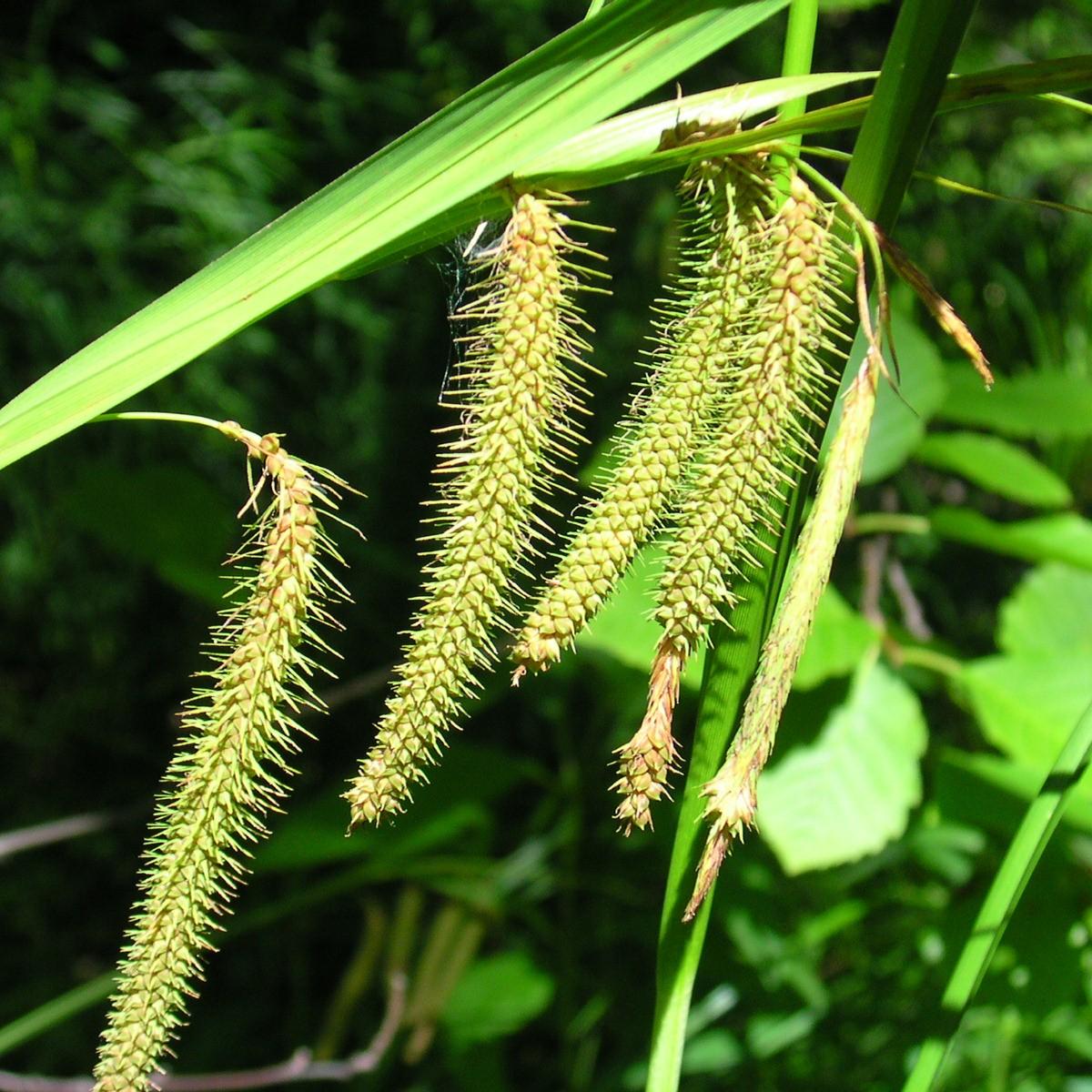
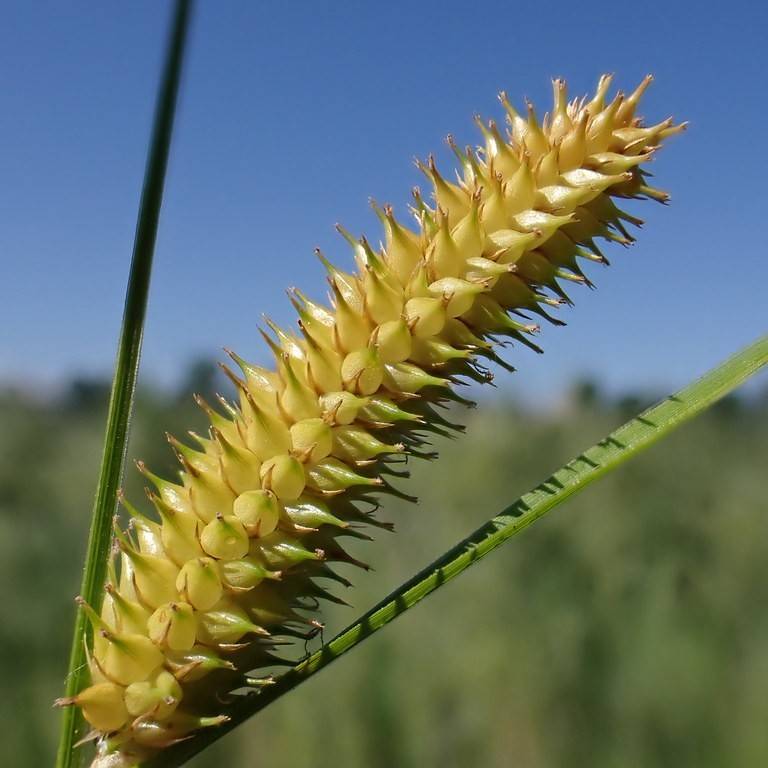
Beaked sedge is a rhizomatous perennial sedge that forms dense, upright clumps of narrow, grass-like green foliage. It produces small, inconspicuous brown spikelets in late spring, followed by unique inflated, bladder-like seed perigynia tipped with a pointed beak, its namesake feature. It thrives in saturated soils, making it a common native plant in marshes, pond edges, and wet meadows across its native range.
Care Guide
Watering
Beaked sedge requires consistently moist to saturated soil, and can tolerate standing water up to 6 inches deep for extended periods. Never allow the root zone to dry out completely; water frequently in dry weather to maintain soggy soil conditions, especially for plants grown in upland garden settings.
Light
This sedge performs best in full sun, where it produces the densest clumps and most abundant seed heads. It can tolerate partial shade, though growth may be sparser and flowering reduced in locations with less than 6 hours of direct sunlight daily.
Soil
Beaked sedge adapts to a wide range of wet soil types, including clay, loam, muck, and sandy wet soils, with a preferred pH range of 5.0 to 7.5. It thrives in poorly drained, nutrient-rich wetland soils, and can tolerate periodic flooding and anaerobic soil conditions without stress.
Fertilizer
Fertilization is rarely necessary for beaked sedge grown in its natural wetland habitat, as it obtains sufficient nutrients from organic sediment. If grown in poor, low-organic garden soil, apply a balanced, slow-release granular fertilizer once in early spring at half the recommended rate to support healthy foliage growth.
Temperature
Beaked sedge is exceptionally cold-hardy, thriving in USDA hardiness zones 3 through 8, and tolerates winter temperatures as low as -40°F (-40°C). It prefers cool to moderate summer temperatures, and may show minor foliar browning during extended periods of extreme heat above 95°F (35°C) if soil moisture is inadequate.
Pruning
Prune back dead foliage to ground level in late winter or early spring before new growth emerges to keep clumps tidy and allow sunlight to reach emerging shoots. Remove any damaged or yellowed foliage throughout the growing season as needed, and thin overcrowded clumps every 3 to 4 years to improve air circulation.
Propagation
Beaked sedge is most easily propagated by division in early spring, when dormant clumps can be dug up, split into smaller sections with intact rhizomes and roots, and replanted immediately in moist soil. It can also be grown from seed sown in fall or cold-stratified for 60 to 90 days before spring sowing, though seed-grown plants take 2 to 3 years to reach mature size.
Humidity
This wetland native tolerates high humidity levels common to its marshy native habitats, and does not require additional humidity when grown outdoors in appropriate conditions. Indoor potted specimens benefit from occasional misting if ambient humidity drops below 40%, but are generally adaptable to average household humidity levels as long as soil moisture is consistent.
Repotting
Potted beaked sedge should be repotted every 2 to 3 years in early spring, using a heavy, moisture-retentive potting mix amended with compost or peat moss to hold water. Choose a pot with drainage holes, and select a container one size larger than the current root ball to accommodate rhizome spread, taking care not to damage delicate roots during repotting.
Uses & Symbolism
Beaked sedge is widely used in wetland restoration and rain garden plantings to stabilize shorelines, control erosion, and filter pollutants from runoff. It provides valuable habitat and food for waterfowl, songbirds, small mammals, and native pollinators, and is a popular choice for native plant landscapes and pond edge gardens. Dried seed heads are also sometimes used in cut flower arrangements for their unique, textural appearance.
Diseases & Pests
Beaked sedge is relatively pest and disease resistant, though it may occasionally be affected by rust fungi and leaf spot in overly humid, poorly ventilated conditions. Aphids and sedge sawfly larvae may feed on foliage in large infestations, but damage is rarely severe enough to require treatment in natural settings. Root rot can occur if plants are grown in poorly drained, dry upland soil that alternates between saturated and completely dry conditions.
Related plants
Other plants you might like if you grow Beaked Sedge.