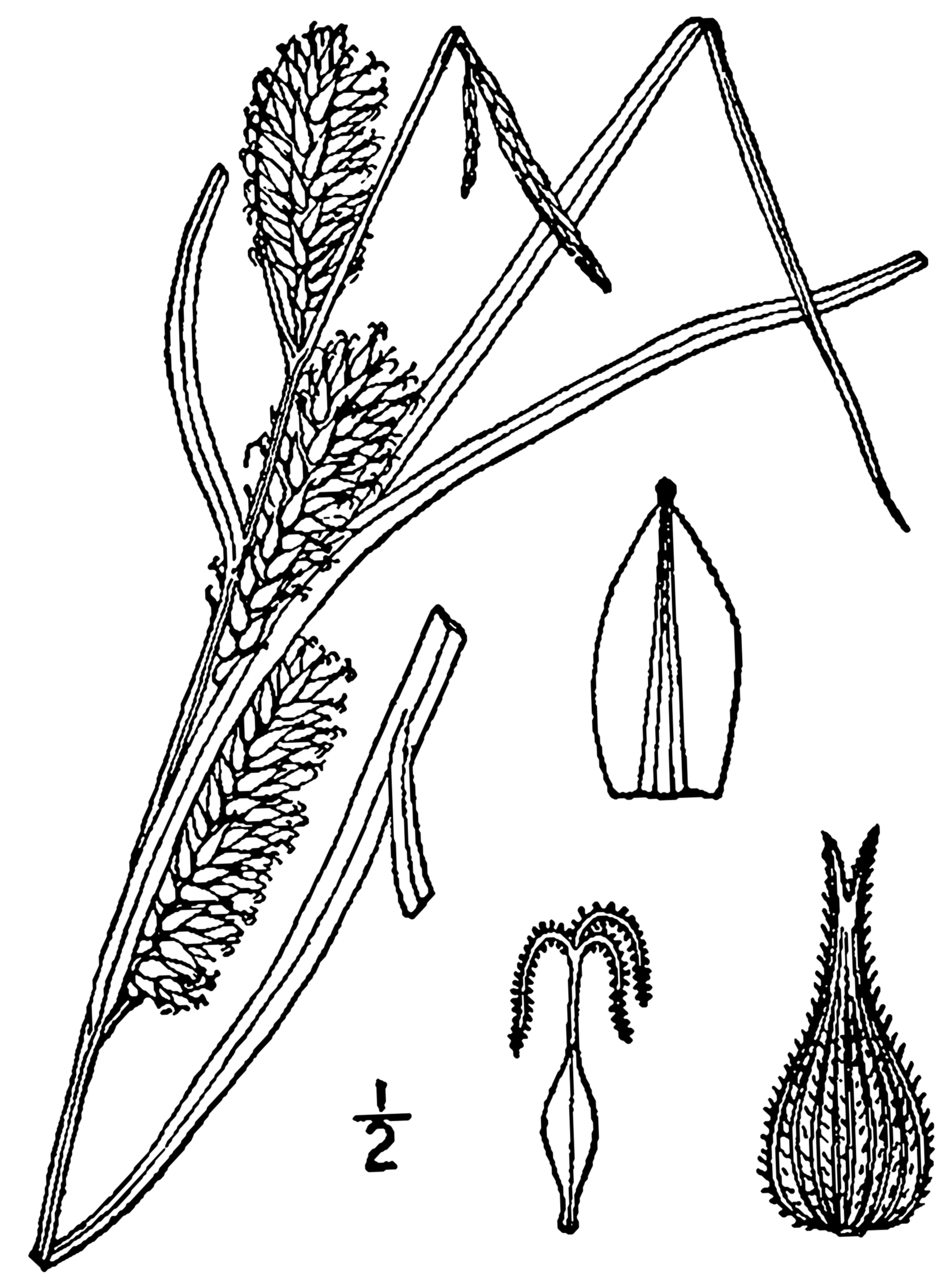
Hairy Fruited Sedge
Carex trichocarpa
Overview
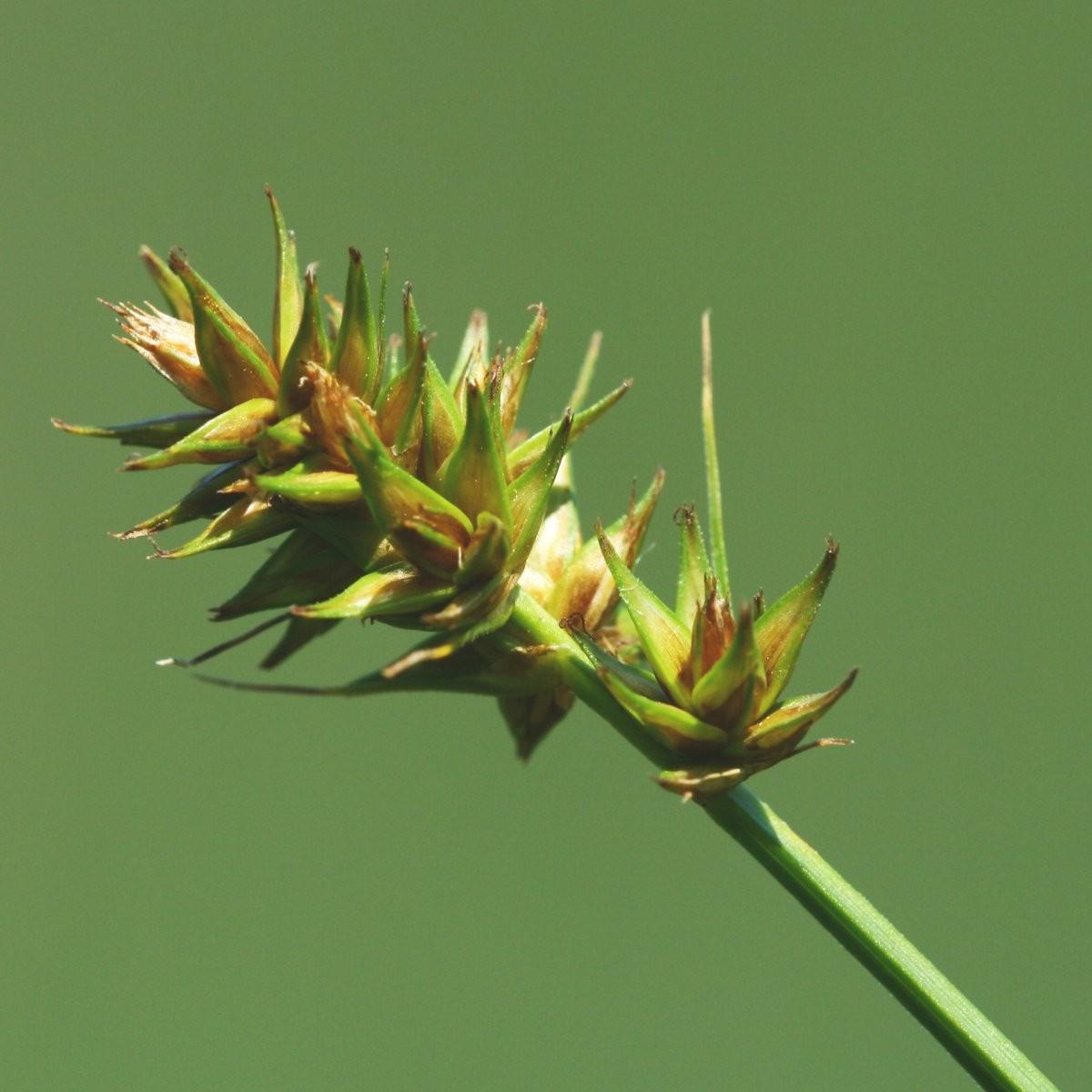
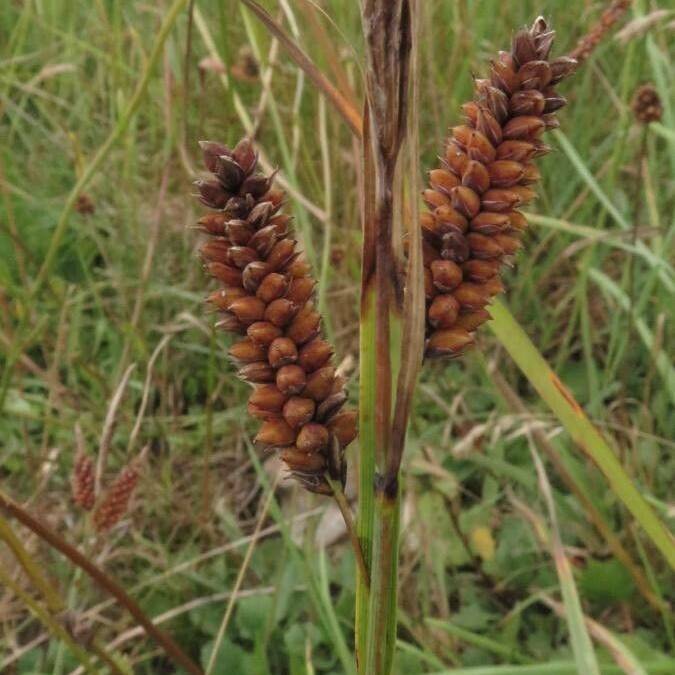
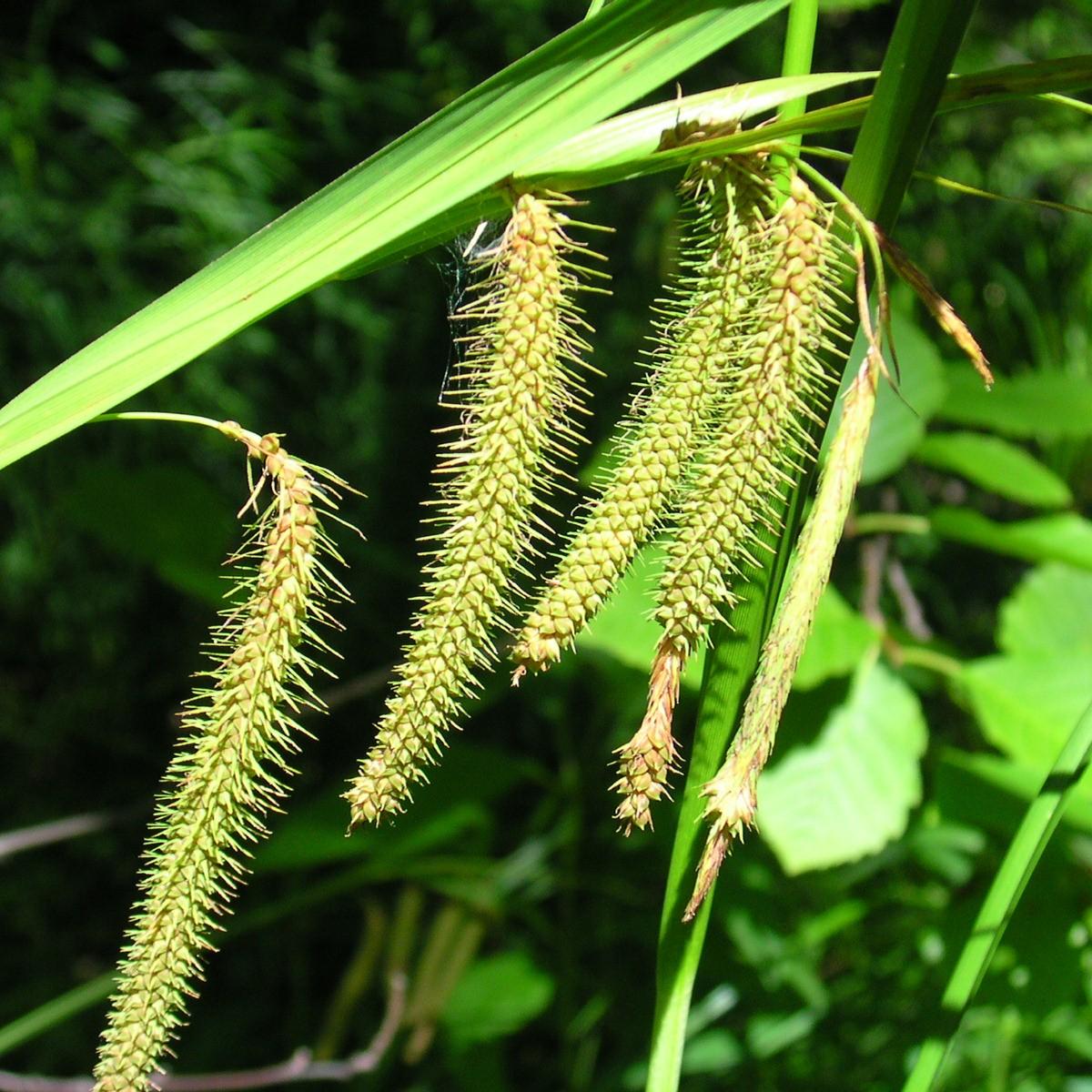
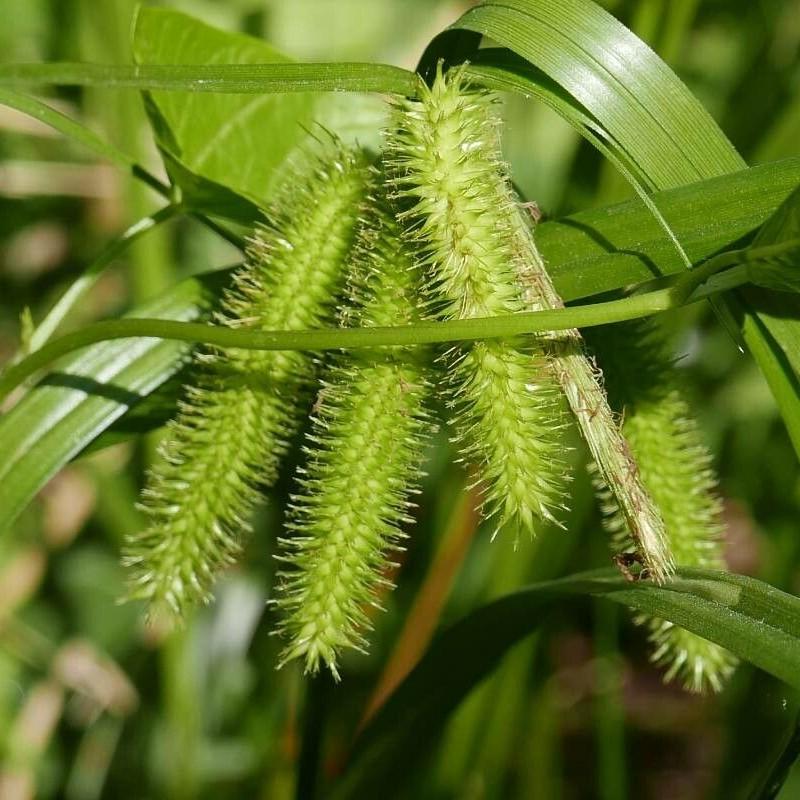
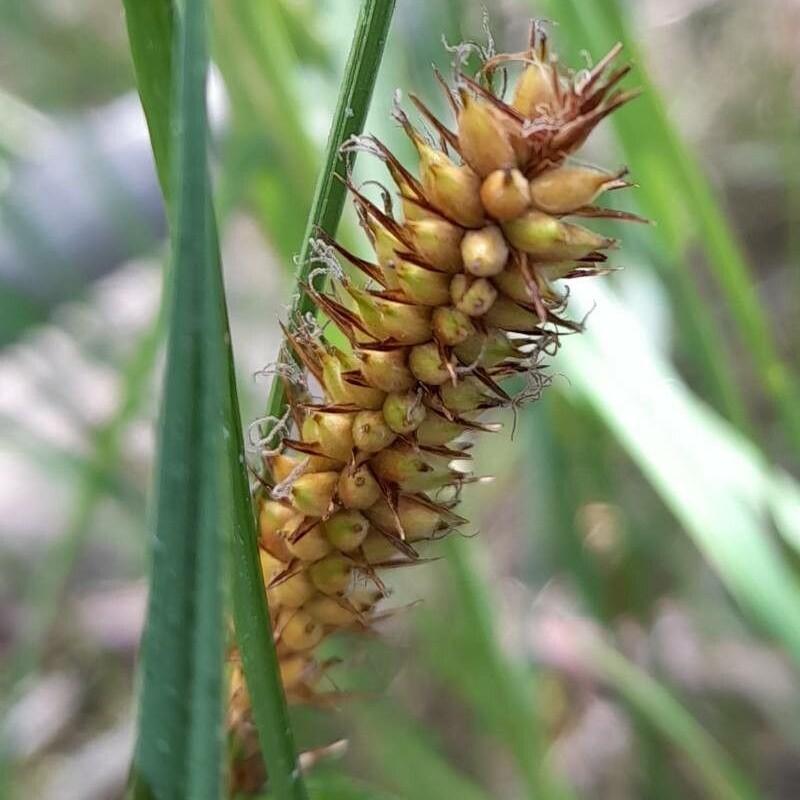
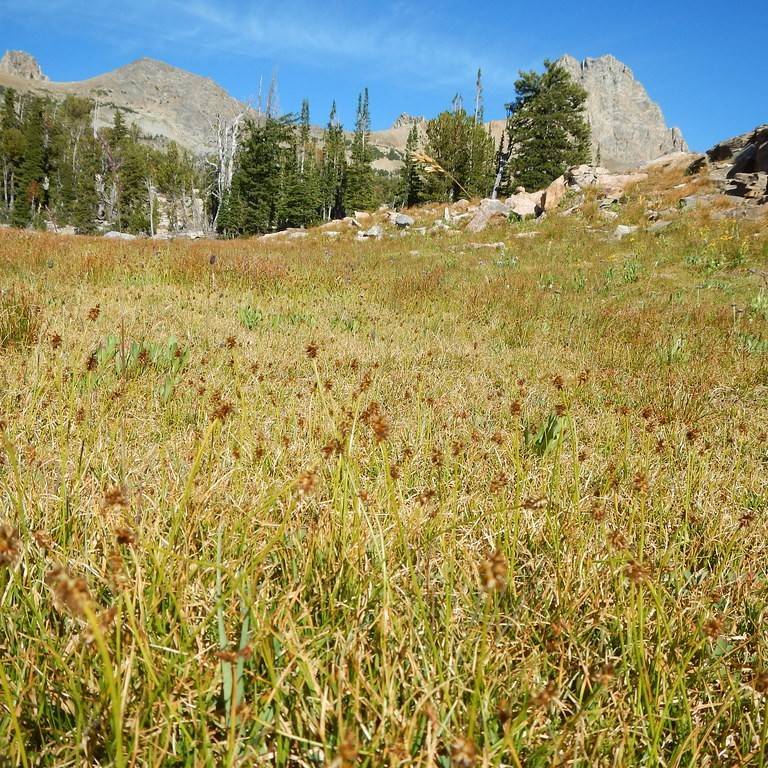
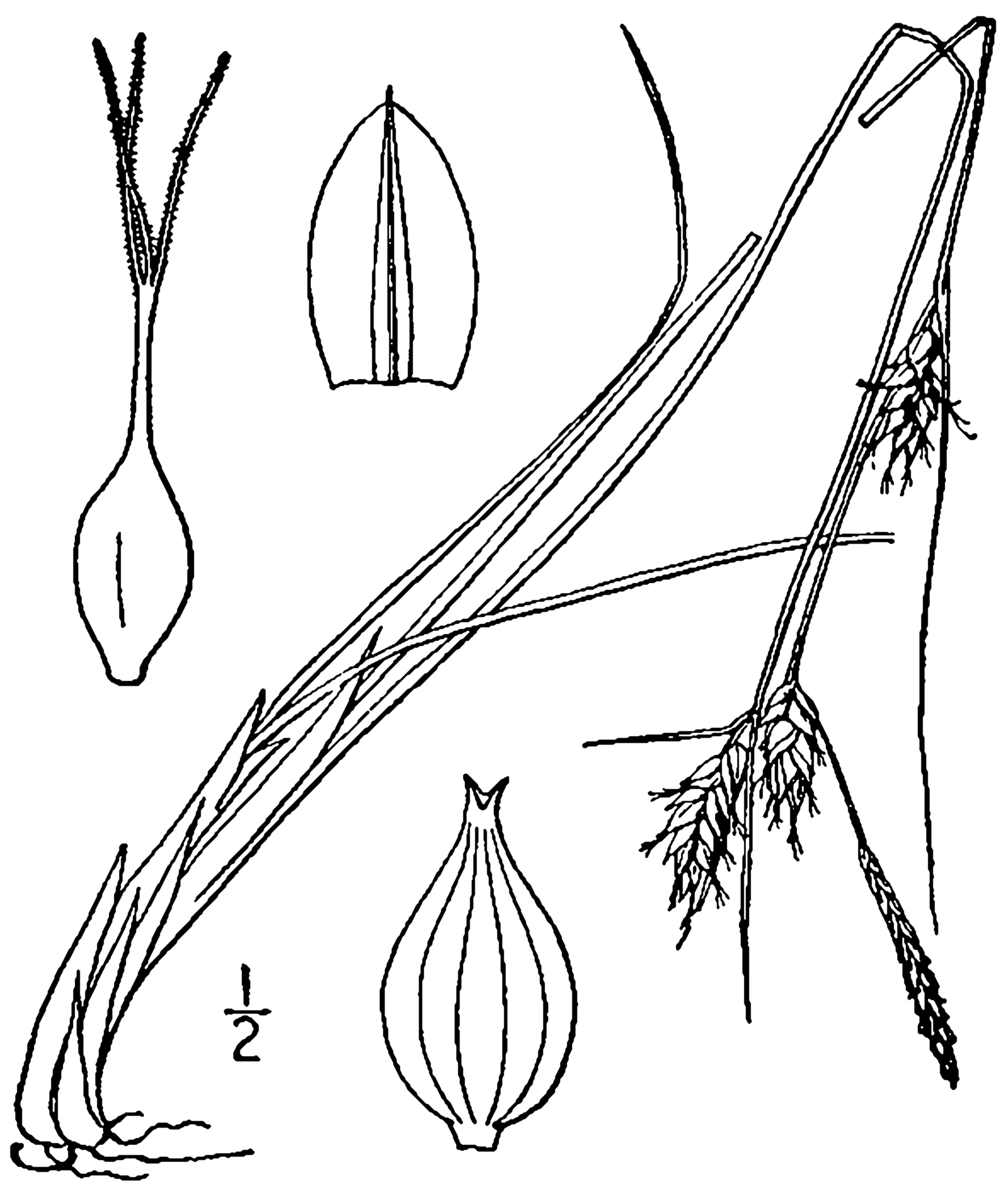
Carex trichocarpa, commonly called Hairy Fruited Sedge, is a herbaceous perennial member of the sedge family that forms dense, upright clumps of narrow, grass-like green foliage. It is named for the small, fuzzy, light brown perigynia (seed-bearing structures) that appear in late spring, creating soft, textured inflorescences that persist through summer. Naturally adapted to marshes, stream banks, and wet meadows, it thrives in saturated soils and is a staple of native wetland restoration projects across its native range.
Care Guide
Watering
Hairy Fruited Sedge requires consistently moist to wet soil, and can tolerate shallow standing water up to 2 inches deep for extended periods. Water regularly to prevent soil from drying out completely, especially when grown in upland garden settings away from its natural wetland habitat. Reduce watering slightly in winter when the plant is dormant, but never let the root ball dry out fully.
Light
This sedge grows best in full sun to partial shade, with optimal foliage and seed production in locations that receive at least 4 hours of direct sunlight daily. In hotter southern portions of its range, it benefits from afternoon shade to prevent leaf scorch during peak summer heat. It can tolerate full shade, but will produce fewer seed heads and have a looser, more sprawling growth habit.
Soil
Hairy Fruited Sedge prefers rich, loamy, high-organic-matter soil with a neutral to slightly acidic pH between 5.5 and 7.0. It is adapted to heavy, poorly drained clay soils and even mucky wetland substrates that would cause root rot in most other ornamental plants. It can tolerate periodic flooding and temporary waterlogging, making it ideal for rain gardens and bioswales.
Fertilizer
This low-maintenance native plant rarely requires fertilization when grown in its native wetland habitat or organically rich garden soil. If grown in poor, low-nutrient soil, apply a slow-release, balanced 10-10-10 fertilizer in early spring just as new growth emerges, at half the recommended rate for ornamental grasses. Avoid over-fertilizing, as this can cause excessive leggy growth and reduce the plant’s drought and flood tolerance.
Temperature
Hairy Fruited Sedge is hardy in USDA zones 3 through 8, tolerating winter lows down to -40°F (-40°C) without protection. It thrives in summer temperatures between 60°F and 85°F (15°C to 29°C), and can tolerate short periods of heat up to 95°F (35°C) if kept consistently moist. Frost will kill back above-ground foliage in fall, and the plant will regrow from its rhizomatous root system in early spring.
Pruning
Prune back dead, brown foliage to 2-3 inches above the soil line in late winter or early spring, just before new growth emerges, to encourage fresh, tidy clump formation. Remove any damaged or yellowed leaves throughout the growing season as needed to maintain a neat appearance, though this is not required for plant health. Avoid heavy pruning during the active growing season, as this can reduce seed head production and limit food and shelter for wildlife.
Propagation
Hairy Fruited Sedge is most easily propagated by division in early spring, just as new growth begins to appear: dig up mature clumps, separate them into smaller sections with healthy roots and at least 3-5 growing shoots, and replant immediately in moist soil. It can also be grown from seed, which requires a 60-day cold stratification period to break dormancy; sow stratified seed on the surface of moist potting mix in late winter, and keep consistently wet until germination occurs in 2-4 weeks. Wild populations often self-seed readily in ideal wet growing conditions.
Humidity
This wetland native prefers moderate to high humidity levels between 50% and 80%, typical of its native marsh and riparian habitats. It can tolerate average household humidity for short periods if kept well-watered, but is not suited for long-term indoor growth in dry, heated environments. Low humidity will cause leaf tips to brown and reduce overall plant vigor.
Repotting
Hairy Fruited Sedge is rarely grown in containers, but if planted in pots for rain garden displays or patio use, repot every 2-3 years in early spring to refresh the soil and prevent root binding. Use a deep, wide pot with drainage holes, and fill it with a rich, loamy potting mix amended with peat moss or compost to retain moisture. After repotting, water thoroughly and keep the plant in partial shade for 1-2 weeks to allow roots to establish.
Uses & Symbolism
Hairy Fruited Sedge is widely used in native wetland restoration, rain garden, and bioswale plantings, as its dense rhizomatous root system stabilizes soil and reduces erosion along stream banks and stormwater management sites. Its seed heads are a valuable food source for waterfowl, songbirds, and small mammals, while its dense clumps provide shelter for amphibians and beneficial insects. It is also planted as a low-maintenance ornamental in native wildlife gardens and moist, shaded landscape areas where traditional turf grass struggles to grow.
Diseases & Pests
Hairy Fruited Sedge has very few serious pest or disease issues, though it may occasionally develop leaf spot or rust fungal infections in overly crowded, poorly ventilated growing conditions. Root rot can occur if the plant is grown in well-drained upland soil that is kept saturated for extended periods, though this is rare in its preferred wetland habitat. Aphids and spider mites may infest foliage during prolonged dry, hot spells, but can be controlled with a strong spray of water or insecticidal soap if populations become large.
Related plants
Other plants you might like if you grow Hairy Fruited Sedge.