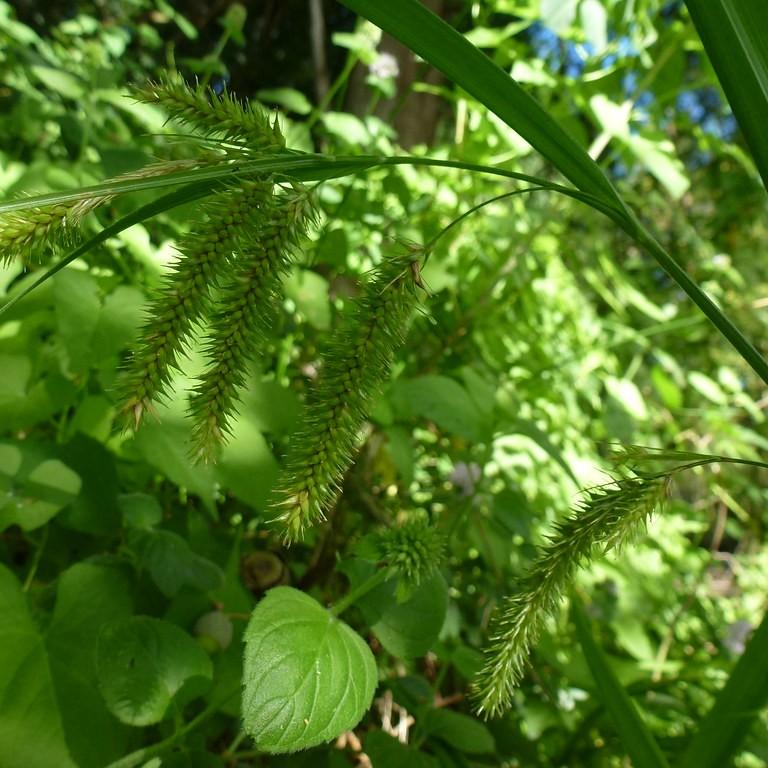
Cyperus Like Sedge
Carex pseudocyperus
Overview
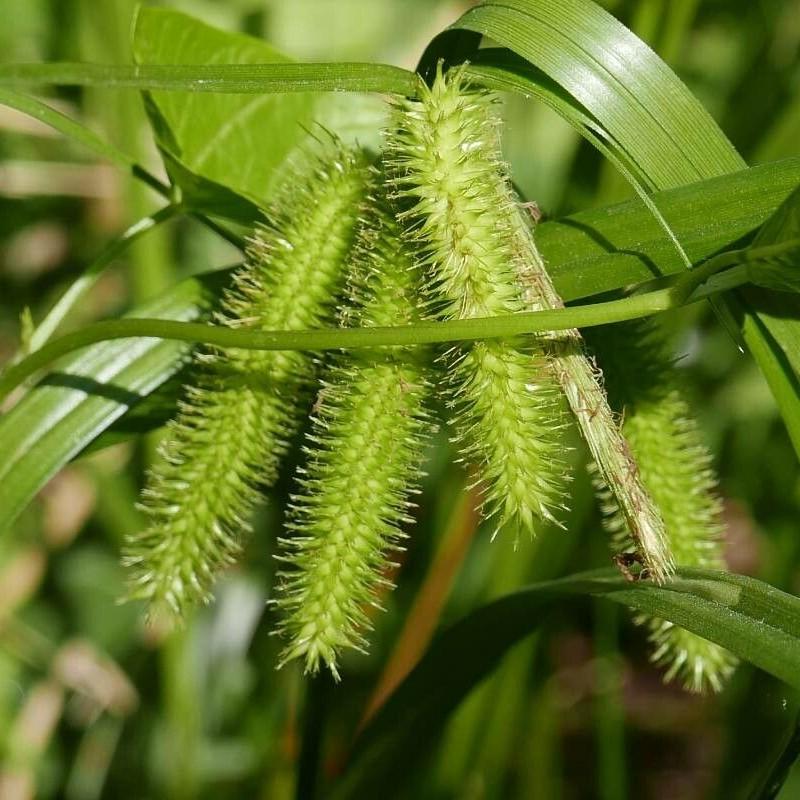
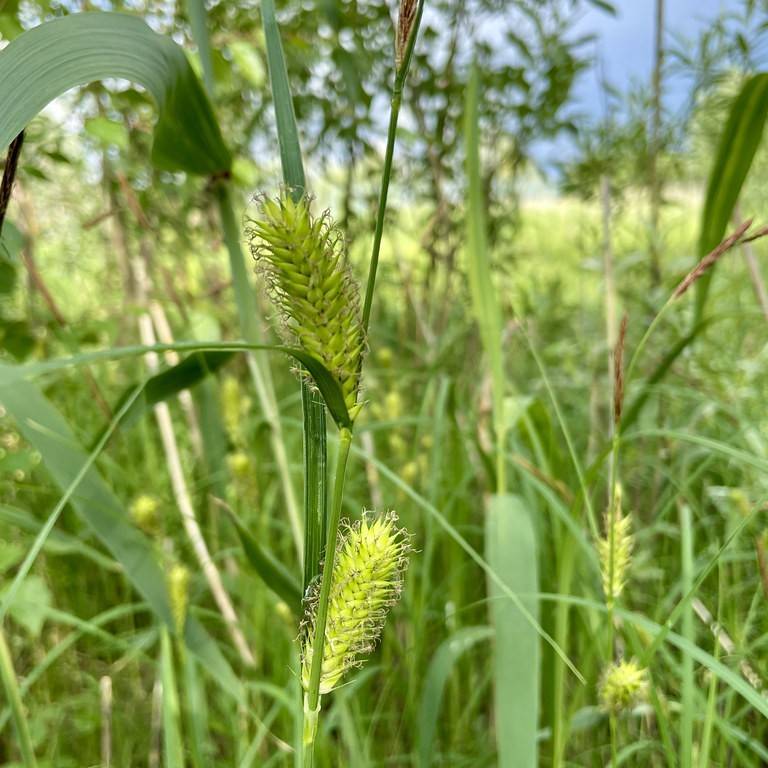
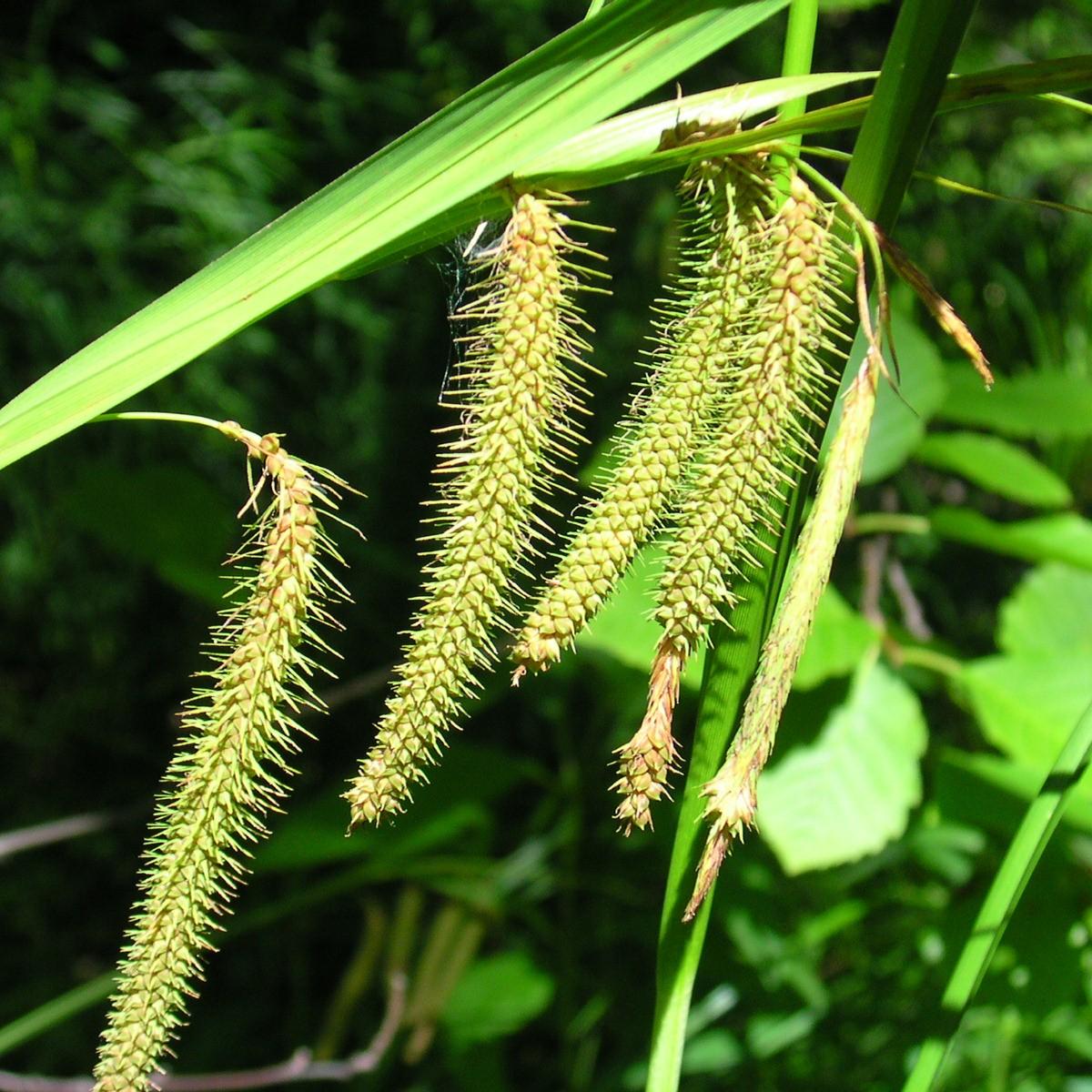
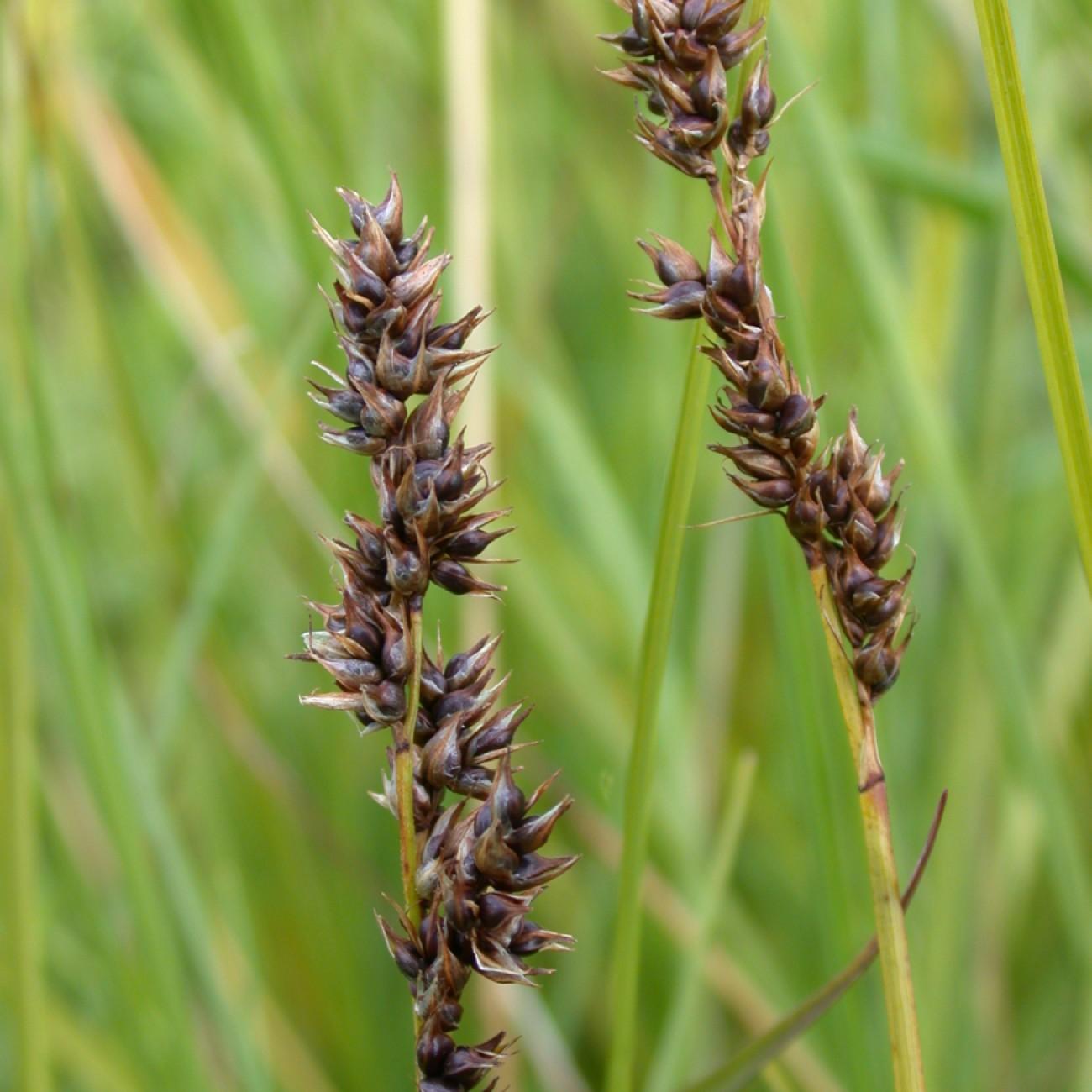
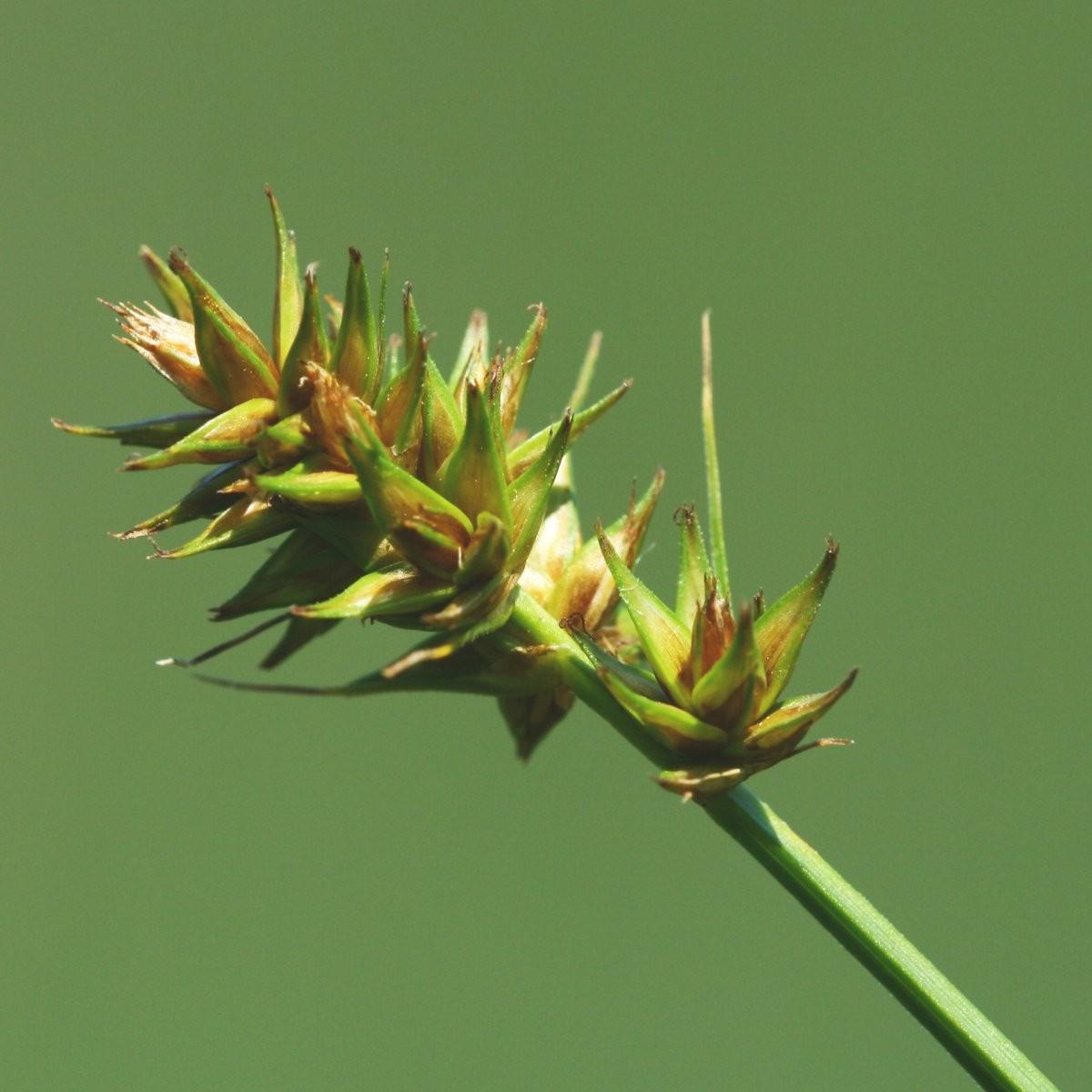
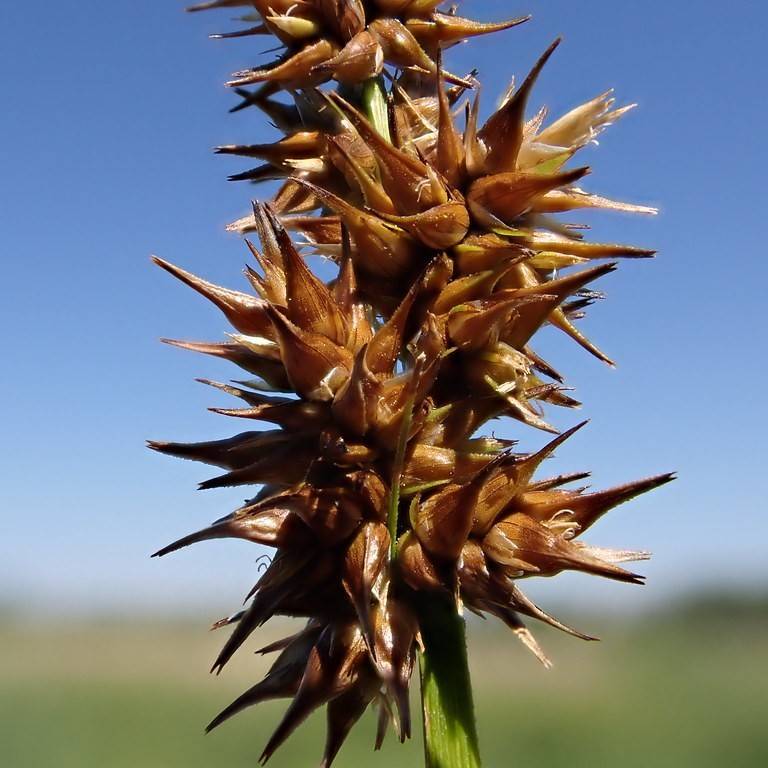
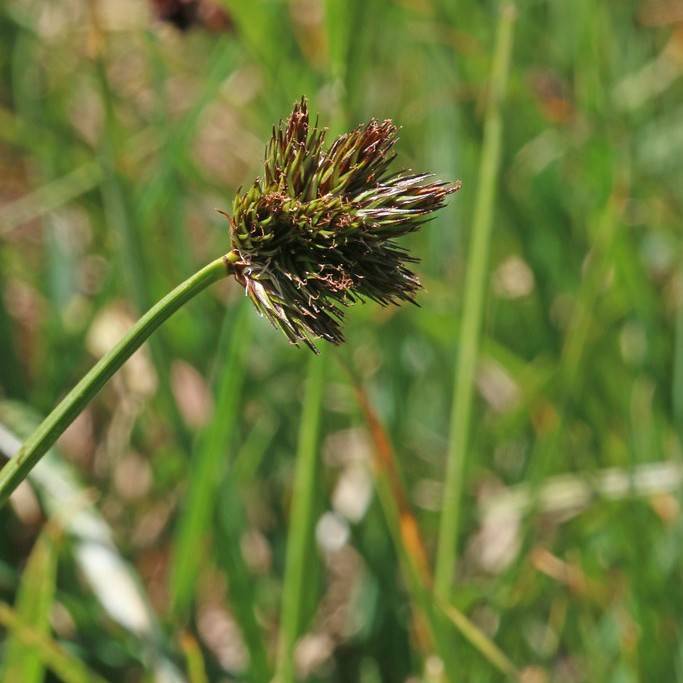
Cyperus like sedge, also called cyperus sedge, is a robust clumping perennial that thrives in saturated, boggy soils and shallow standing water. Its bright green, triangular stems bear narrow, drooping foliage topped with cascading clusters of small, brownish-green spikelets from late spring to mid-summer. It provides critical shelter and food for aquatic wildlife, including pollinators, waterfowl, and small wetland invertebrates. It is often used in ecological restoration projects to stabilize shorelines and filter runoff pollutants.
Care Guide
Watering
Requires consistently saturated soil or shallow standing water up to 3 inches (7.5 cm) deep; never allow the root zone to dry out completely. For container-grown specimens, sit the pot in a tray of water to maintain constant moisture, replenishing the tray regularly to avoid drying. Reduce watering only slightly in winter if plants are grown in cooler, dormant conditions.
Light
Thrives in full sun to partial shade, with the most vigorous growth and flowering occurring in locations that receive at least 6 hours of direct sunlight daily. In hotter southern climates, provide afternoon shade to prevent foliage scorching and reduce excessive water evaporation. Too much deep shade will lead to sparse growth and fewer flowering spikelets.
Soil
Prefers heavy, loamy, organic-rich wet soils with a neutral to slightly acidic pH between 5.5 and 7.0. It tolerates poorly drained, clay-heavy soils and even shallow, nutrient-poor pond substrates as long as moisture remains constant. Avoid fast-draining sandy soils that cannot hold sufficient moisture for its root system.
Fertilizer
Fertilize sparingly once in early spring with a slow-release, balanced 10-10-10 fertilizer applied around the base of the clump, avoiding direct contact with foliage. Plants growing in nutrient-rich pond or wetland soil typically do not require supplementary fertilization. Over-fertilization can lead to excessive, leggy growth that is prone to flopping.
Temperature
Grows best in temperate climates within USDA hardiness zones 3 to 8, tolerating winter lows down to -40°F (-40°C) when established. It goes dormant in cold winters, with foliage dying back completely to the ground before resprouting from root crowns in early spring. It can tolerate summer highs up to 90°F (32°C) as long as sufficient moisture is available.
Pruning
Cut back all dead, brown foliage to 2-3 inches (5-7.5 cm) above the soil line in late winter or early spring before new growth emerges. Remove spent flowering stalks throughout the growing season if desired to tidy up the plant’s appearance, though leaving seed heads provides food for local bird populations. Thin overcrowded clumps every 3-4 years to improve air circulation and prevent fungal issues.
Propagation
Most easily propagated by division in early spring just as new growth begins, digging up mature clumps and splitting them into smaller sections with at least 3-5 healthy growing points each. It can also be grown from seed sown directly in wet, cold soil in late fall, or cold-stratified for 60 days before sowing indoors in early spring. Division produces mature flowering plants much faster than seed-grown specimens.
Humidity
Tolerates a wide range of humidity levels, thriving naturally in the high humidity of wetland and riparian environments. It adapts well to average garden humidity as long as its soil moisture requirements are consistently met. Low indoor humidity is not suitable for long-term growth, making it a poor candidate for typical indoor household conditions.
Repotting
Container-grown specimens should be repotted every 2-3 years in early spring, moving to a slightly larger pot with heavy, organic-rich wet soil. Ensure the pot has no drainage holes, or sit it permanently in a water tray to maintain constant saturation of the root zone. Trim back any overgrown or rotting roots during repotting to encourage healthy new growth.
Uses & Symbolism
Commonly planted along pond edges, in rain gardens, and in bog landscapes to stabilize shorelines, filter stormwater runoff, and add soft, textural interest to water features. Its seed heads provide food for native waterfowl and songbirds, while its dense clumps offer shelter for amphibians and beneficial aquatic insects. It is also used in ecological restoration projects to re-establish native wetland plant communities and improve habitat for at-risk wetland species.
Diseases & Pests
Generally pest and disease resistant, though overly dense, poorly ventilated clumps can develop fungal leaf spots and rust in prolonged humid, wet conditions. Aphids and spider mites may occasionally infest foliage, especially on plants grown in drier, sheltered locations, and can be treated with a strong blast of water or insecticidal soap. Root rot can occur if plants are grown in poorly saturated soil that dries out repeatedly, damaging the delicate water-adapted root system.
Related plants
Other plants you might like if you grow Cyperus Like Sedge.