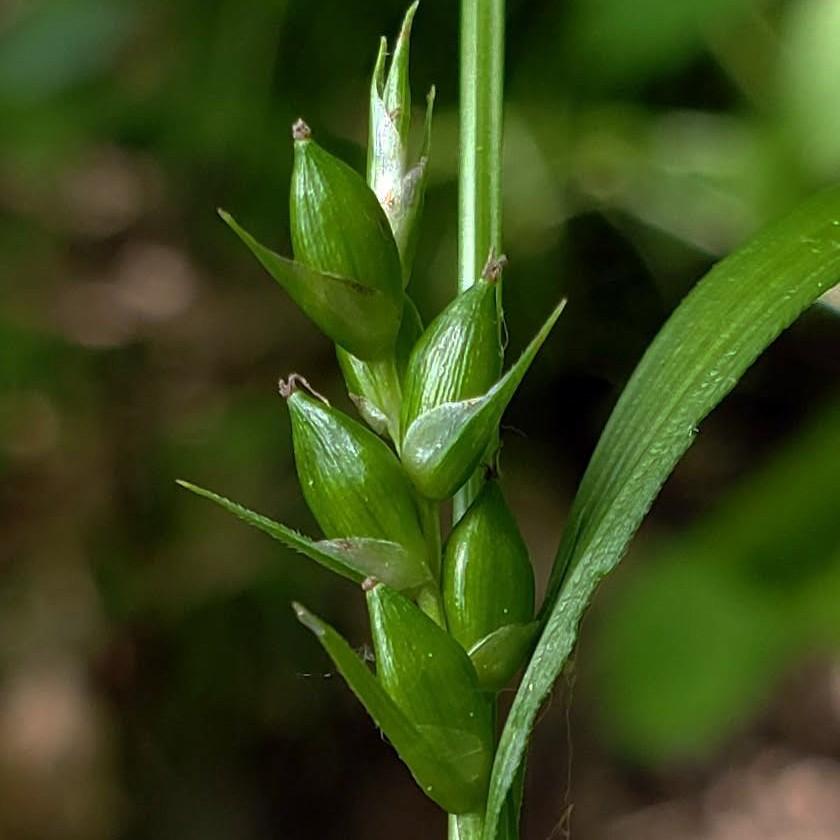
Inflated Narrow Leaf Sedge
Carex vesicaria
Overview
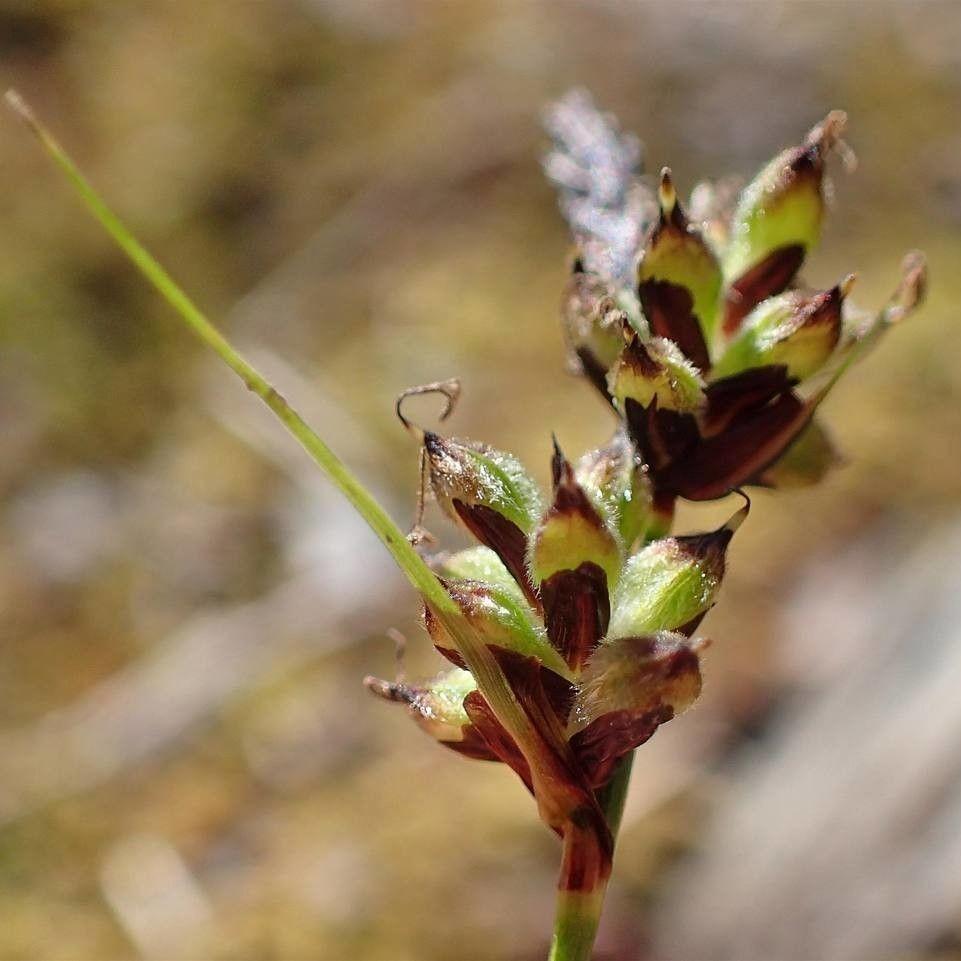
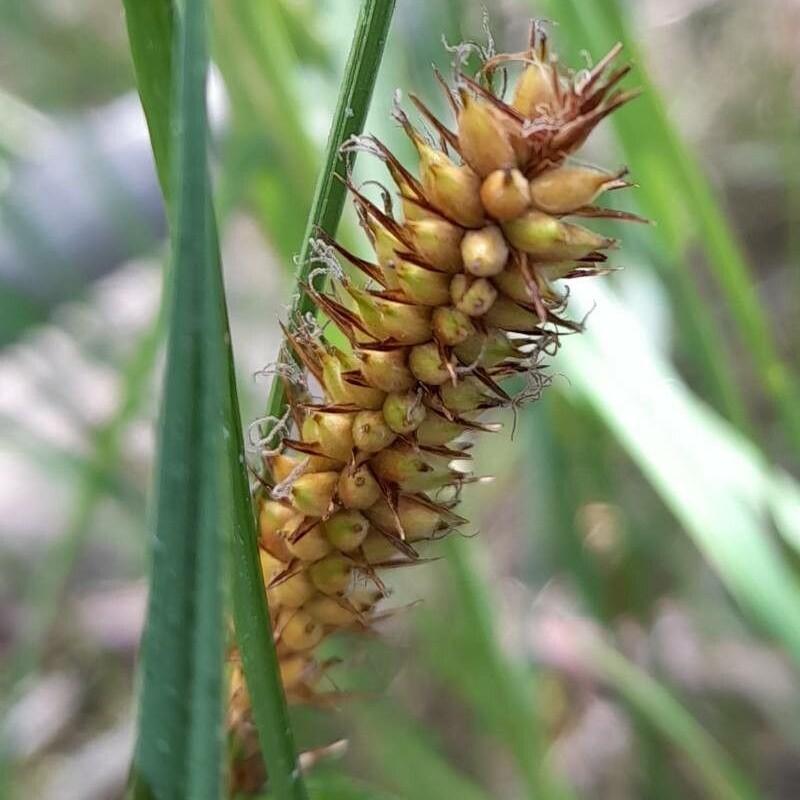
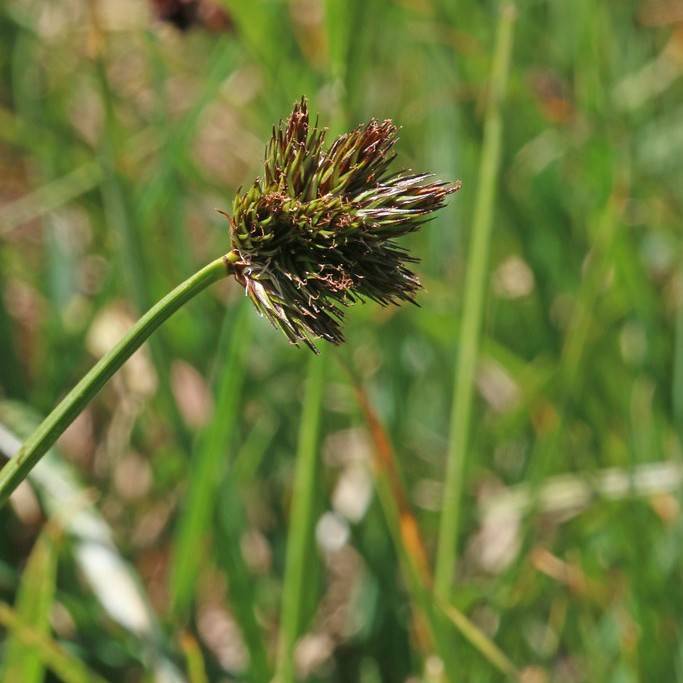
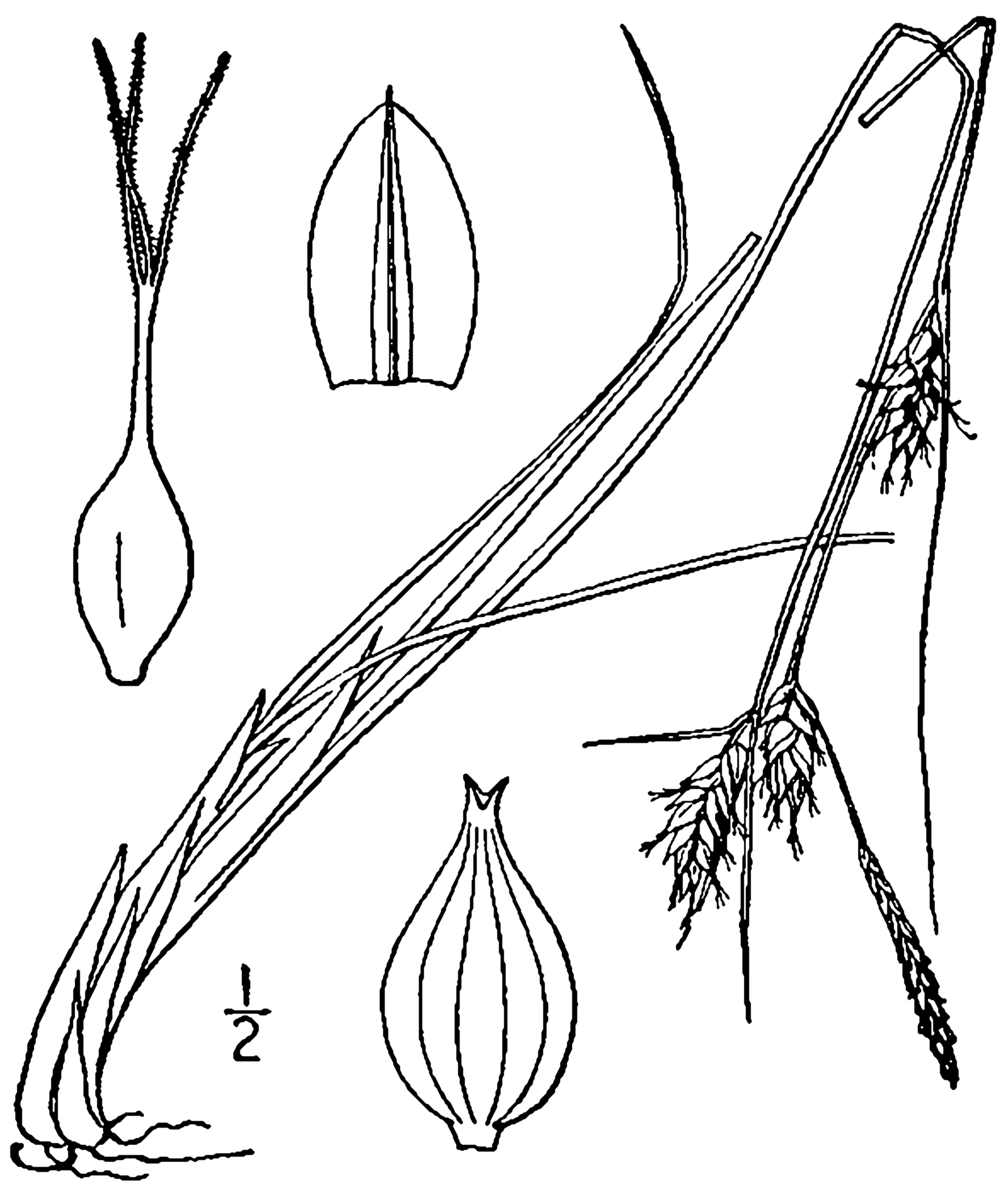
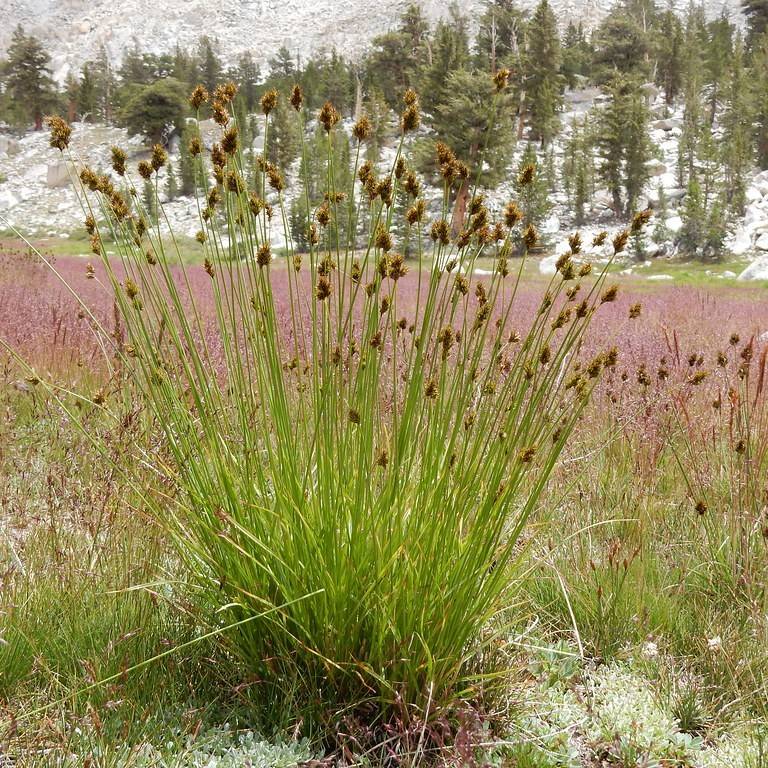
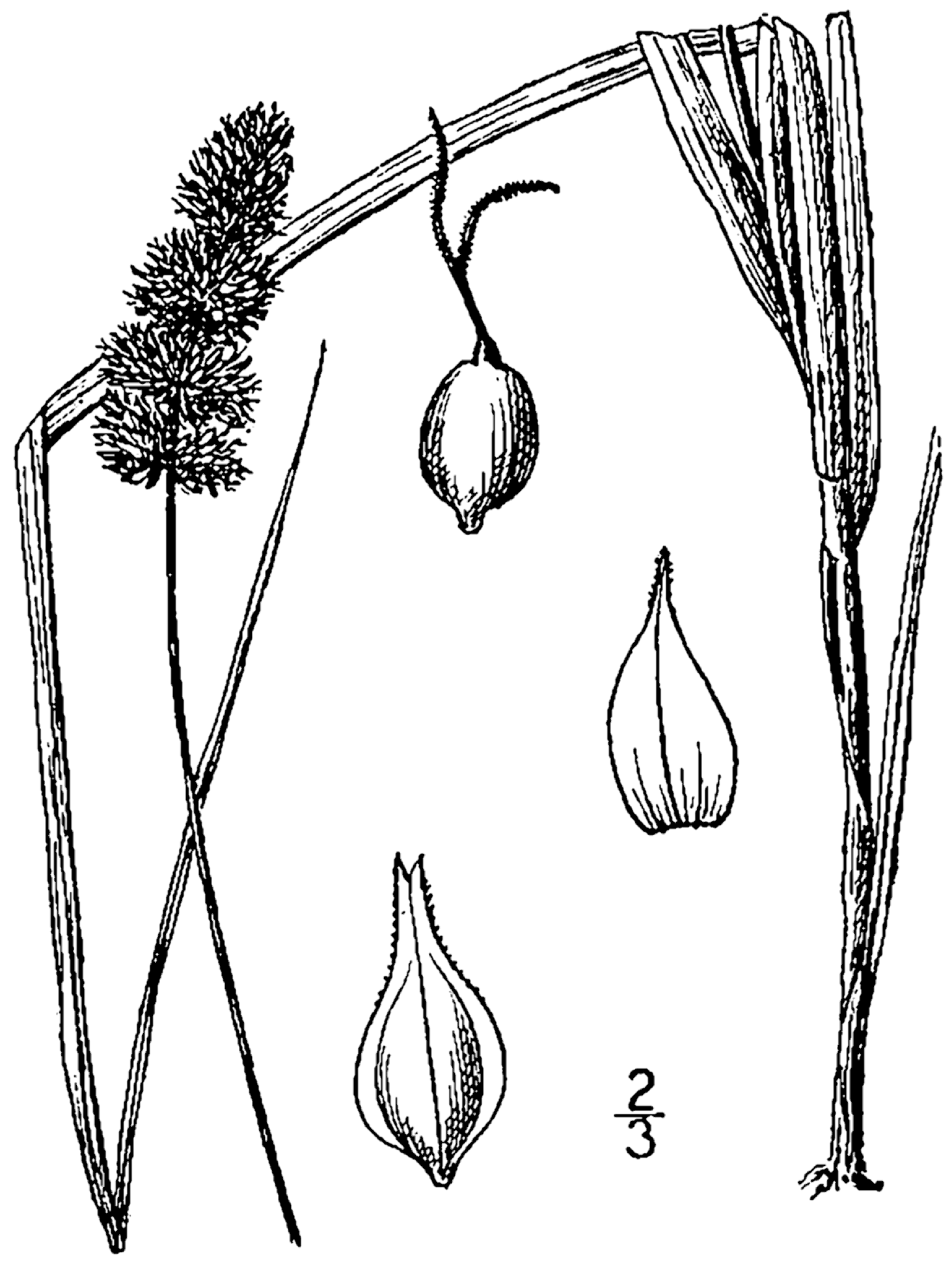
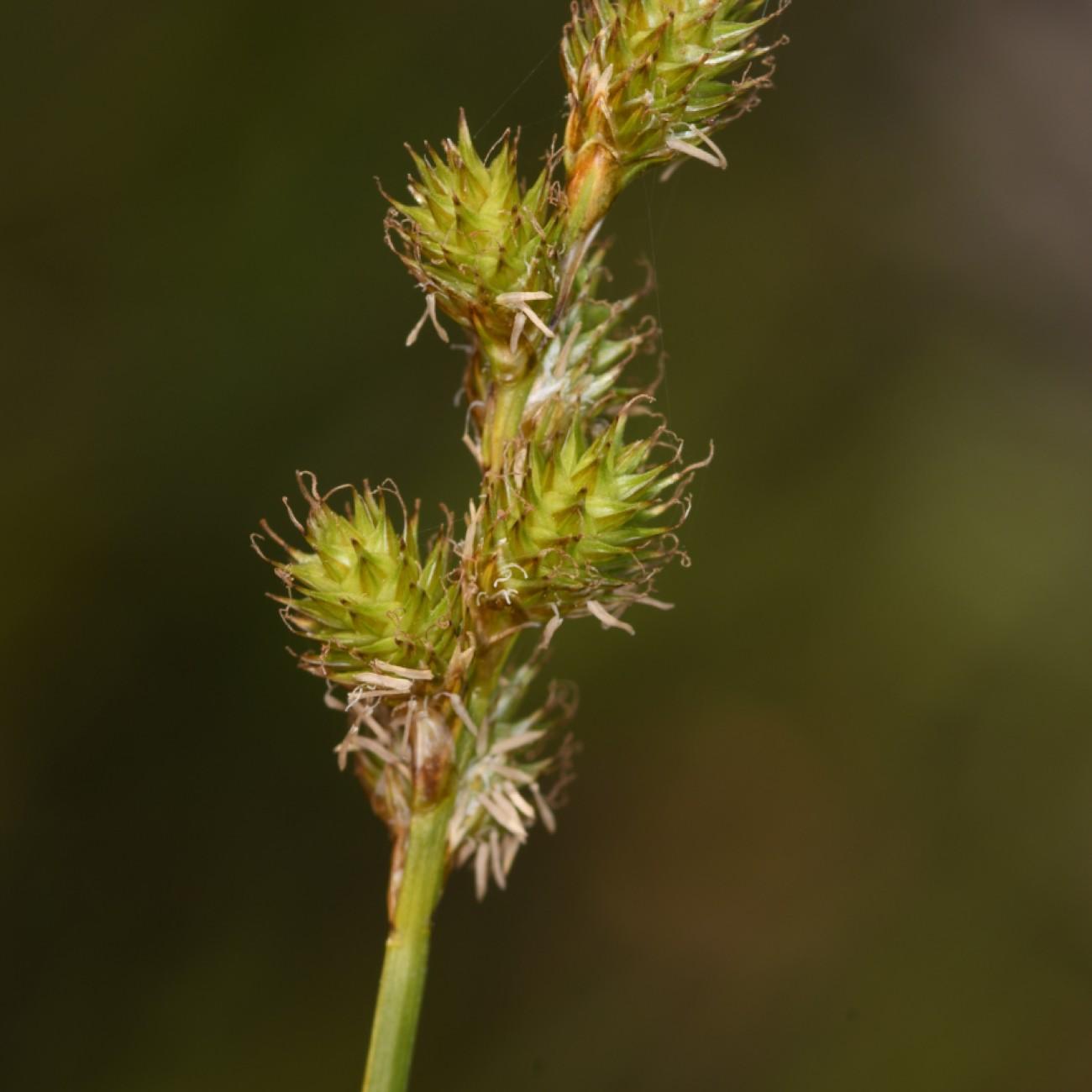
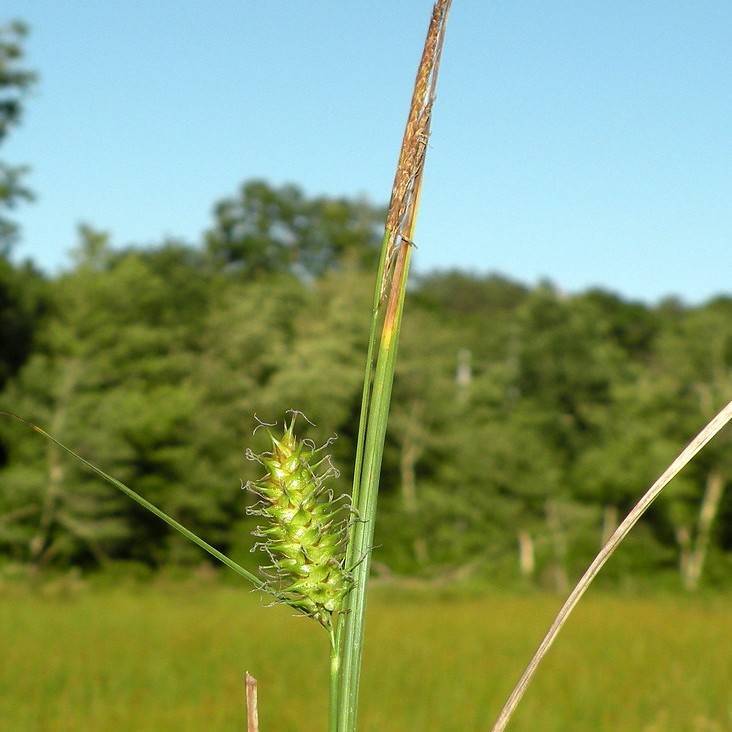
Inflated narrow leaf sedge is a rhizomatous, clump-forming wetland plant distinguished by its fine, linear, bright green foliage that arches gently outward from the base of the tuft. Its most recognizable feature is its fruiting spikes, which hold small, inflated, papery perigynia that give the plant its common name. It is well-adapted to consistently moist or even waterlogged soils, making it a staple of natural and constructed wetland landscapes across its native range.
Care Guide
Watering
This sedge requires consistently moist to wet soil, and can tolerate standing water up to 6 inches deep for extended periods. Do not allow the root zone to dry out completely; water regularly to maintain saturated or very damp conditions, especially if grown in non-wetland garden beds. Potted specimens require frequent watering to prevent the soil from drying out.
Light
It grows best in full sun to partial shade, with full sun exposure encouraging denser foliage and more abundant fruiting spikes. In hotter climates, it benefits from afternoon shade to prevent foliage scorch and reduce moisture loss from the root zone. It can tolerate deeper shade but may produce sparser growth and fewer seed heads.
Soil
Inflated narrow leaf sedge prefers fertile, loamy, neutral to slightly acidic soil with high organic matter content. It thrives in poorly drained, waterlogged soils, including heavy clay substrates that hold moisture consistently. It can tolerate occasional flooding but does not perform well in dry, sandy, or fast-draining soils.
Fertilizer
It rarely requires supplemental fertilizer when grown in its native wetland habitat, as nutrient-rich wet soils provide sufficient sustenance. For garden or potted specimens, apply a balanced, slow-release fertilizer in early spring at half the recommended rate to support new growth. Avoid over-fertilizing, as this can lead to overly lush foliage that is prone to flopping.
Temperature
It is hardy in USDA zones 3 through 8, tolerating winter temperatures as low as -40°F (-40°C) when its root zone is insulated by snow or moist soil. It prefers cool to moderate summer temperatures between 60-80°F (15-27°C), and may go dormant if exposed to prolonged temperatures above 90°F (32°C) combined with dry conditions. Winter dormancy is normal, with foliage dying back completely and regrowing in early spring.
Pruning
Cut back dead, brown foliage to the ground in late winter or early spring before new growth emerges to keep clumps looking tidy and encourage fresh, healthy foliage. Remove any damaged or yellowing leaves throughout the growing season as needed to maintain the plant’s appearance. Thin overcrowded clumps every 3-4 years to improve air circulation and prevent fungal growth.
Propagation
The easiest method of propagation is division of established clumps in early spring just as new growth begins to appear, splitting the root mass into smaller sections each with several growing points and a healthy root system before replanting immediately in moist soil. It can also be grown from seed, which should be sown on the surface of damp, sterile soil in fall or cold-stratified for 60-90 days before spring sowing to break dormancy. Seed-grown plants typically take 2-3 years to reach mature size and produce fruiting spikes.
Humidity
It thrives in high humidity environments typical of wetland habitats, tolerating humidity levels between 60-90% naturally. In drier indoor or garden settings, misting the foliage regularly or placing the pot on a tray of pebbles filled with water can help raise ambient humidity around the plant. It can tolerate average household humidity but may develop brown leaf tips if exposed to very dry air for extended periods.
Repotting
Potted specimens should be repotted every 2-3 years in early spring, moving them to a slightly larger container with fresh, moisture-retentive potting mix amended with compost. Choose a heavy pot to prevent tipping, as mature clumps can become top-heavy, and ensure the container has drainage holes to avoid waterlogging, though the plant tolerates consistent moisture. Trim any damaged or overgrown roots during repotting to encourage healthy new root growth.
Uses & Symbolism
Inflated narrow leaf sedge is widely used in wetland restoration and rain garden plantings to stabilize shorelines, reduce erosion, and filter excess nutrients and pollutants from runoff. It provides valuable cover and food for wetland wildlife, including waterfowl, songbirds, and small mammals that feed on its seeds and use its dense foliage for nesting. It is also grown as an ornamental plant in bog gardens, water features, and moist landscape beds for its fine texture and unique, showy seed heads.
Diseases & Pests
It is relatively pest and disease resistant, though it may be susceptible to fungal leaf spots and rust in conditions of poor air circulation and overly high humidity. Aphids and spider mites may occasionally infest foliage, especially when grown in drier conditions, and can be controlled with insecticidal soap or a strong spray of water. Root rot may occur if the plant is grown in poorly oxygenated stagnant water for extended periods, though it tolerates consistent wet soil.
Related plants
Other plants you might like if you grow Inflated Narrow Leaf Sedge.