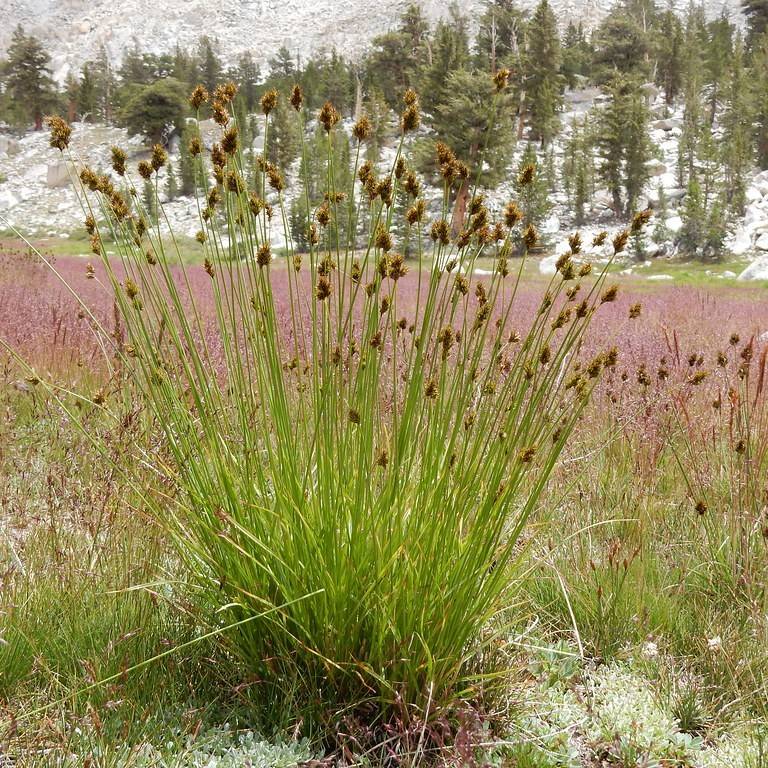
Capitate Sedge
Carex capitata
Overview
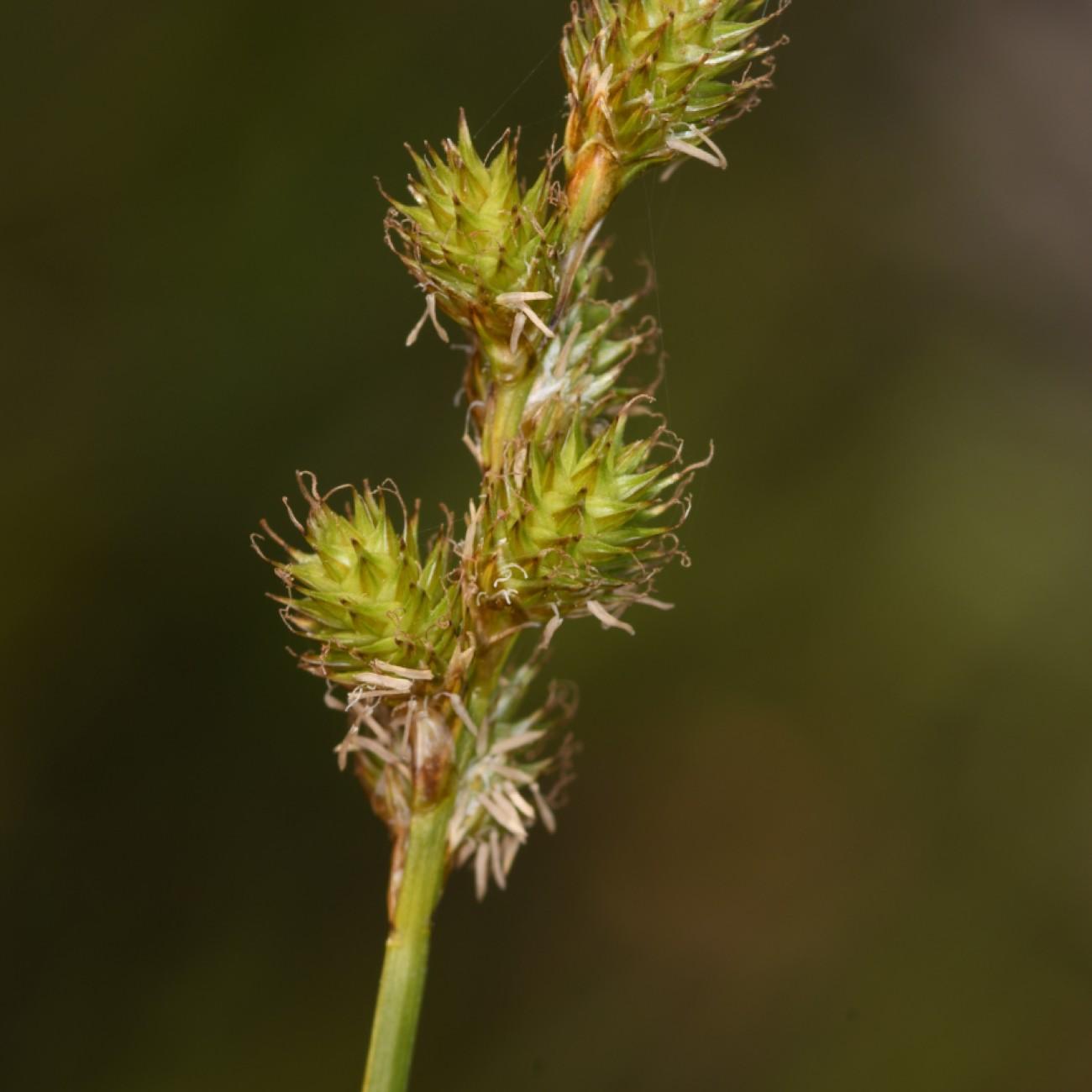
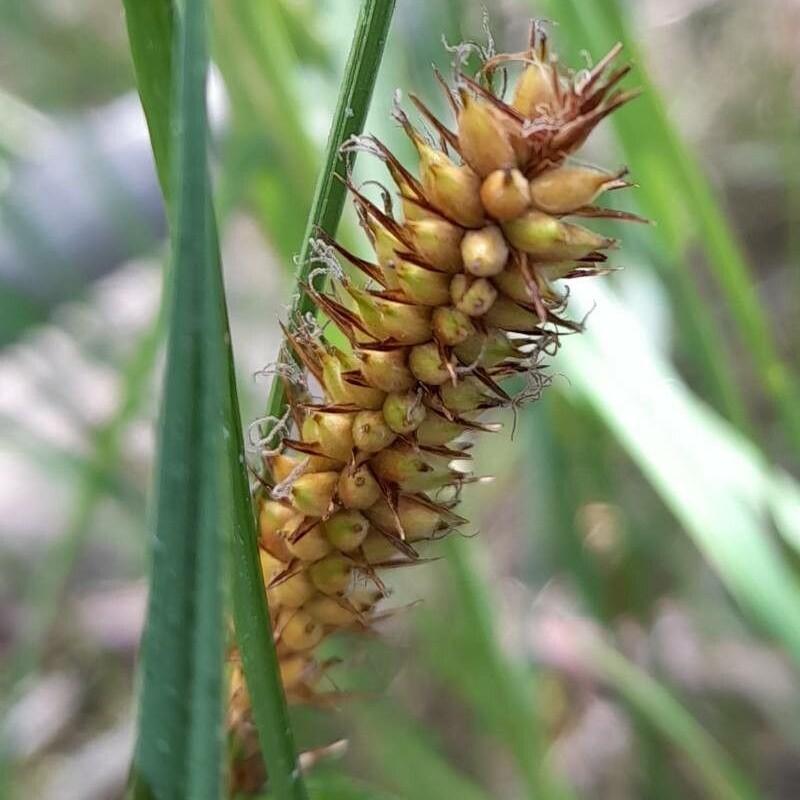
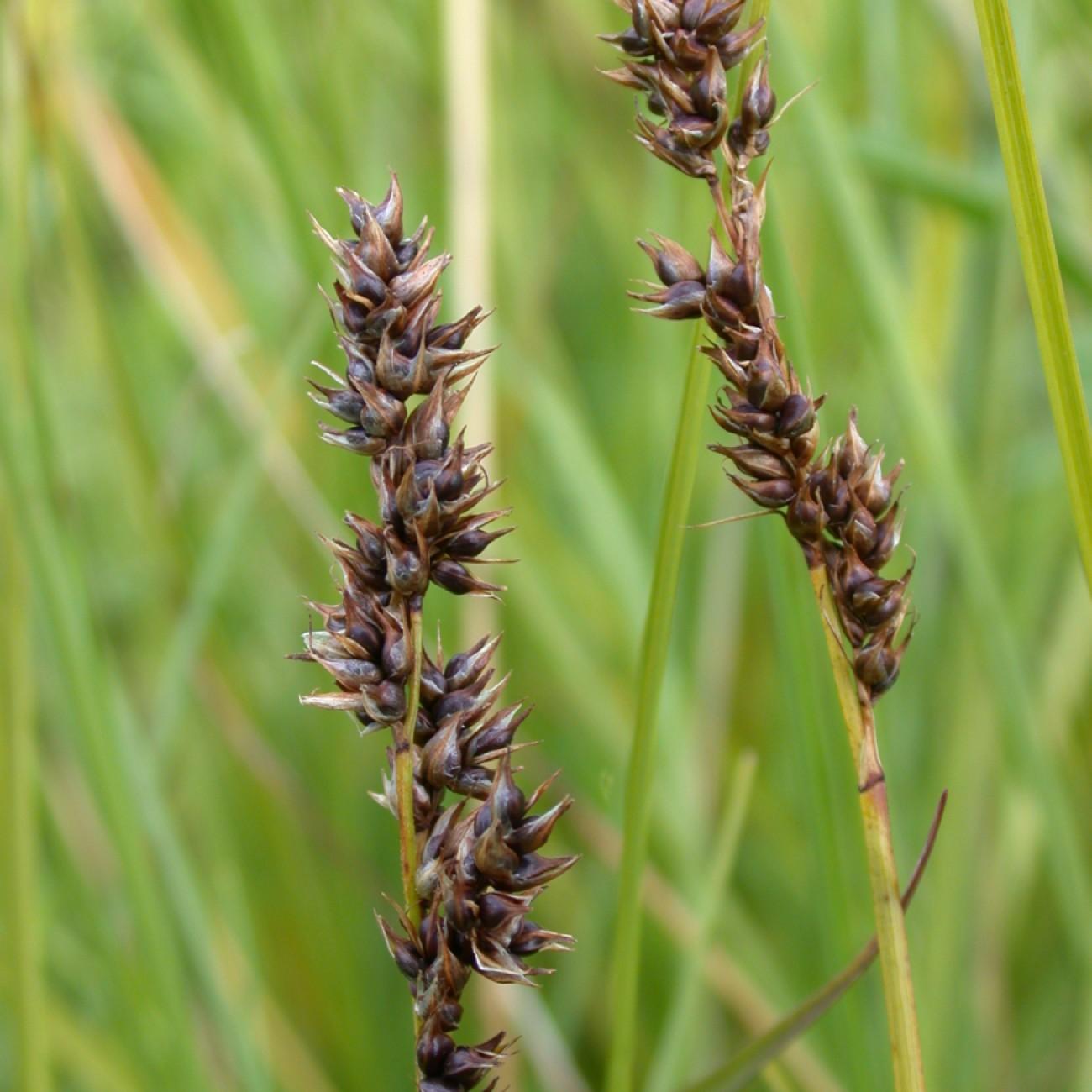
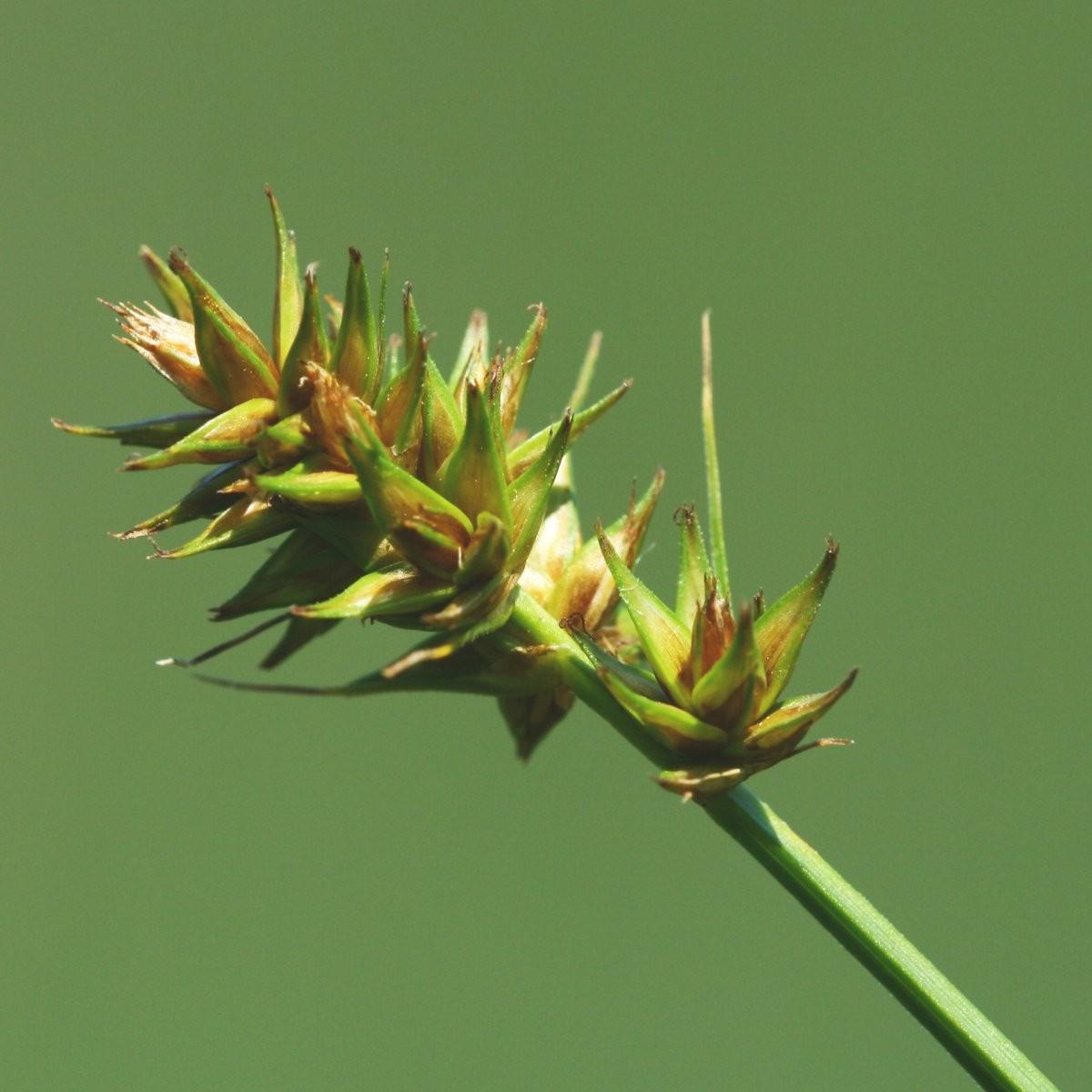
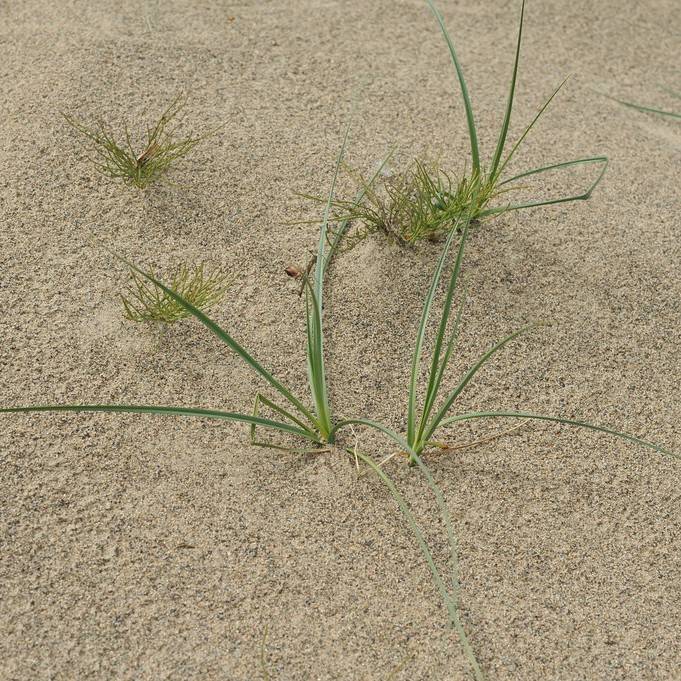
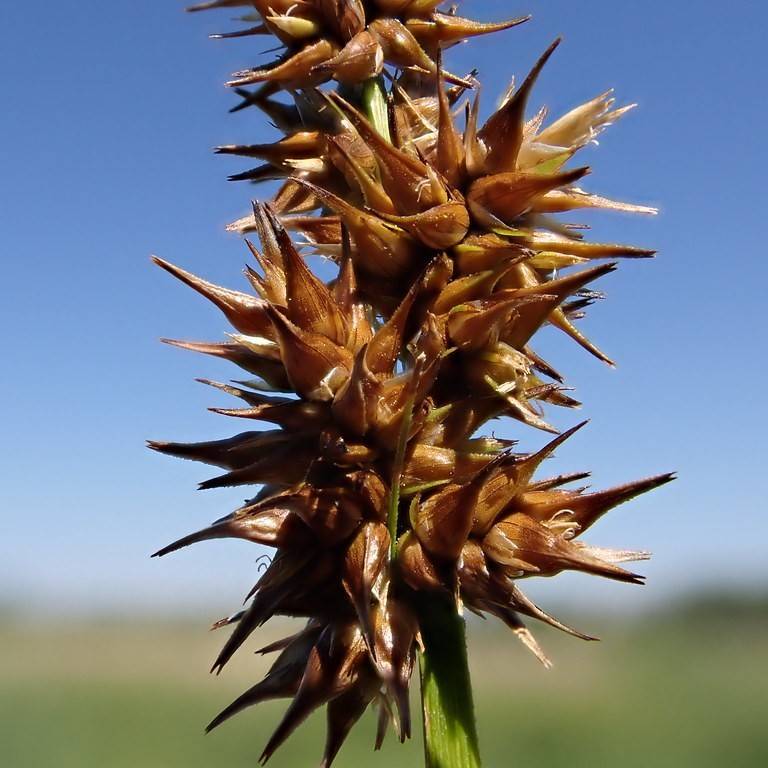
Capitate Sedge is a low-growing, tufted sedge that forms dense clumps of fine, narrow, arching green foliage, thriving in consistently moist, cool soils. It produces distinctive small, dense, rounded brownish seed heads atop slender stems in late spring to early summer, providing subtle textural interest to wetland landscapes. This hardy species is well-adapted to cold climates, tolerating freezing temperatures and short growing seasons common in its native boreal and montane ranges. It spreads slowly via short rhizomes, making it a non-invasive choice for stabilizing moist, sloped sites or filling in gaps in rain gardens.
Care Guide
Watering
Capitate Sedge requires consistently moist to wet soil, never allowing the root zone to dry out completely; it can tolerate shallow, temporary standing water for short periods. In garden settings, water deeply and regularly during dry spells to maintain saturated upper soil layers, reducing watering frequency only during cold winter dormancy. Avoid overwatering in poorly drained, compacted soils to prevent root rot, though this species is far more tolerant of wet conditions than most ornamental grasses.
Light
This species grows best in full sun to partial shade, performing optimally with at least 4 hours of direct sunlight daily in cool northern climates. In warmer southern parts of its cultivated range, provide light afternoon shade to prevent foliage scorching and reduce moisture loss from the soil during hot summer days. It can survive in full shade, but will produce fewer seed heads and have a looser, less dense clumping growth habit.
Soil
Capitate Sedge prefers acidic to neutral, loamy or sandy soils with high organic matter content that retains moisture well. It can tolerate heavy clay soils as long as they stay consistently wet, and even thrives in peaty, boggy substrates common in wetland environments. Avoid extremely alkaline soils, as this can cause nutrient deficiencies and yellowing of the foliage over time.
Fertilizer
This low-maintenance species rarely requires supplemental fertilization, especially when planted in nutrient-rich wetland or rain garden soils. If grown in poor, sandy soils, apply a balanced, slow-release 10-10-10 fertilizer once annually in early spring before new growth emerges, using half the recommended rate to avoid excess nutrient runoff into waterways. Do not fertilize in late summer or fall, as this can stimulate tender new growth that is vulnerable to frost damage.
Temperature
Capitate Sedge is extremely cold-hardy, thriving in USDA hardiness zones 3 through 7, tolerating winter temperatures as low as -40°F (-40°C). It prefers cool growing conditions between 50-75°F (10-24°C), and will go dormant or suffer foliage dieback if exposed to sustained temperatures above 85°F (29°C) for extended periods. In areas with hot summers, plant in shaded, moist sites to minimize heat stress and prevent premature browning of foliage.
Pruning
Prune Capitate Sedge once annually in late winter or early spring, cutting back all dead foliage to 2-3 inches above the soil line to make way for new spring growth. Remove any damaged, yellowed, or diseased foliage throughout the growing season as needed to maintain a neat appearance and improve air circulation within the clump. You can deadhead spent seed heads after flowering if you prefer a tidier look, but leaving them in place provides food for small seed-eating birds and adds winter interest.
Propagation
Capitate Sedge is most easily propagated by division in early spring before new growth begins, or in fall after flowering has finished; dig up mature clumps, split them into smaller sections with healthy roots and foliage, and replant immediately in moist soil. It can also be grown from seed, sown directly outdoors in fall for natural cold stratification, or stratified indoors for 6-8 weeks at 33-40°F (1-4°C) before sowing in spring. Seeds germinate best in consistently moist, cool soil with temperatures between 55-65°F (13-18°C), typically sprouting within 2-4 weeks under ideal conditions.
Humidity
This species naturally grows in high-humidity wetland and riparian environments, preferring ambient humidity levels of 50% or higher for optimal growth. In dry indoor or arid outdoor settings, mist the foliage regularly or place the plant near a water feature to raise local humidity levels and prevent leaf tip browning. It can tolerate average household humidity for short periods, but extended exposure to dry air will cause foliage to yellow and die back prematurely.
Repotting
If grown in containers, repot Capitate Sedge every 2-3 years in early spring, moving it to a slightly larger pot with fresh, moisture-retentive potting mix high in organic matter. Choose a pot with ample drainage holes, and line the bottom with a thin layer of gravel to improve drainage while still retaining consistent moisture. After repotting, water thoroughly to settle the soil around the roots, and keep the plant in partial shade for 1-2 weeks to reduce transplant shock.
Uses & Symbolism
Capitate Sedge is widely used in rain gardens, bioswales, and wetland restoration projects to stabilize soil, reduce erosion, and filter excess nutrients from stormwater runoff. Its compact size and fine texture make it a suitable ground cover for moist, shaded garden areas, pond edges, and rock gardens with consistent moisture, while its seed heads provide food for small songbirds and native pollinators. It is also occasionally grown as a low-maintenance container plant for patios or water gardens, where its tolerance for wet soil makes it a good companion to aquatic and marginal plants.
Diseases & Pests
Capitate Sedge is largely pest and disease resistant, but can occasionally suffer from fungal leaf spots and rust in overly humid, poorly ventilated conditions, which can be managed by improving air circulation between clumps and avoiding overhead watering. Root rot may occur in compacted, poorly drained soils that stay waterlogged for extended periods, especially in warm climates, so amend heavy soils with organic matter to improve structure before planting. Aphids and spider mites may infest stressed plants, particularly in dry conditions, and can be controlled with a strong spray of water or insecticidal soap applications.
Related plants
Other plants you might like if you grow Capitate Sedge.