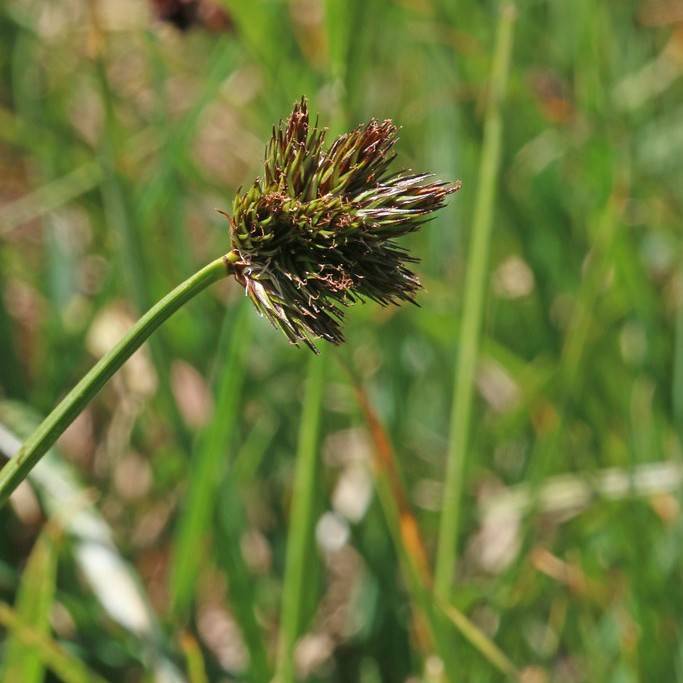
Ebony Sedge
Carex nigra
Overview
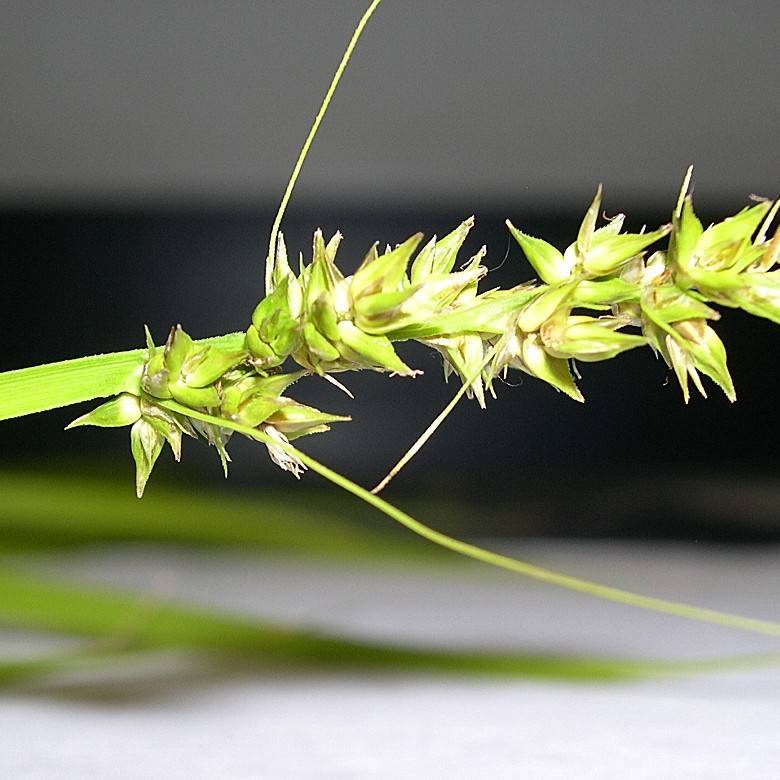
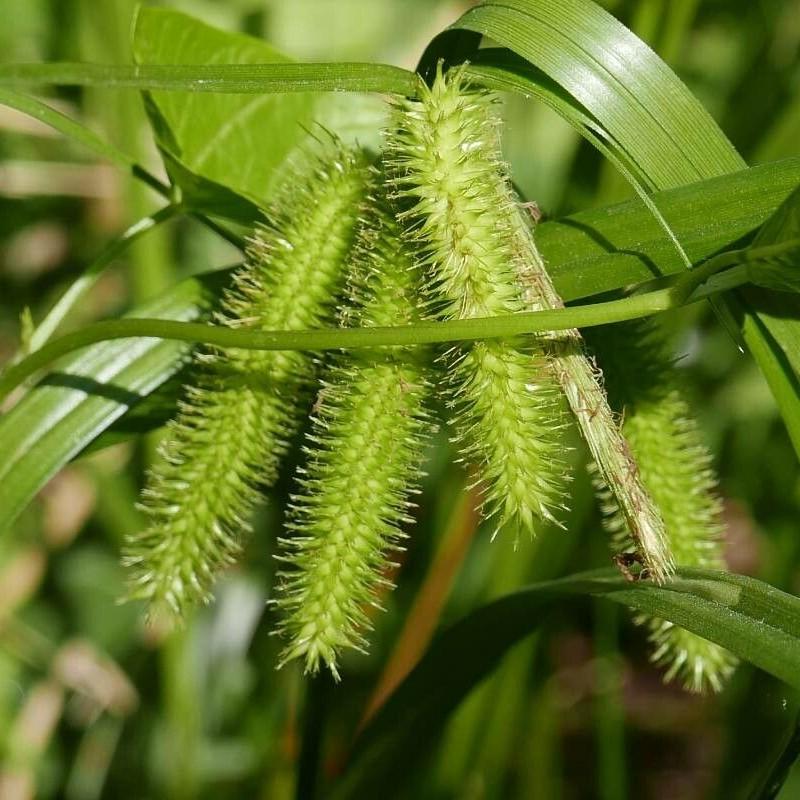
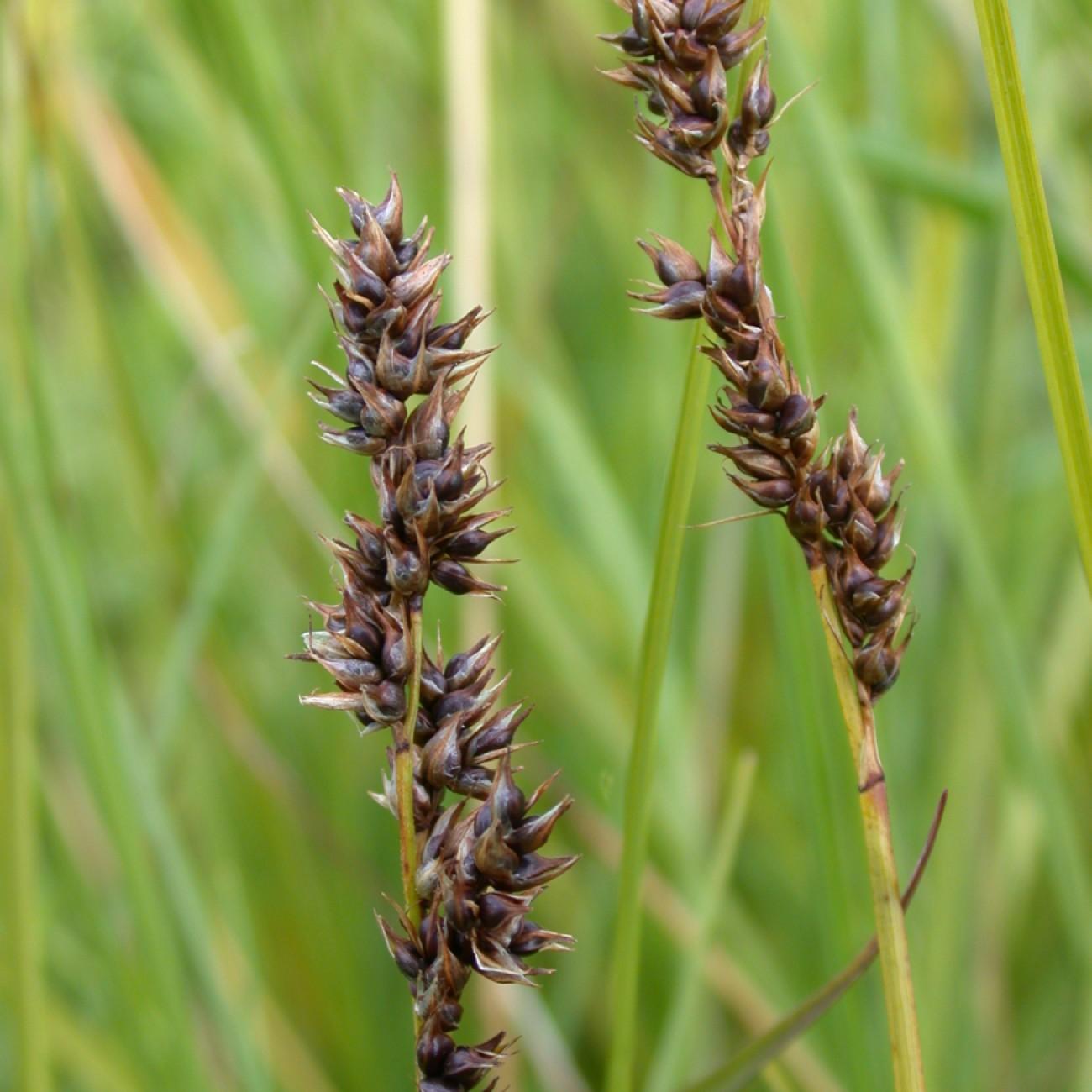
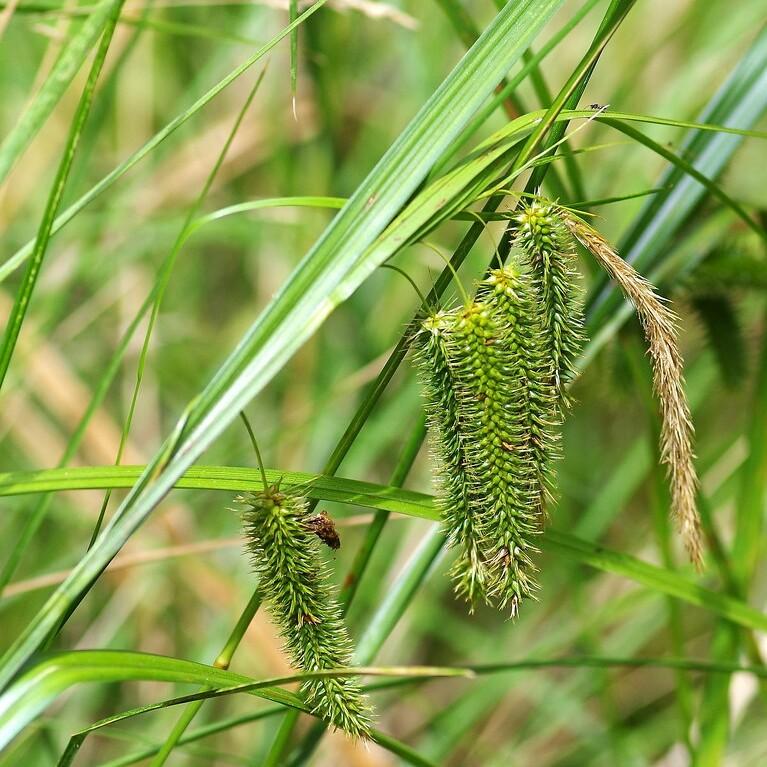
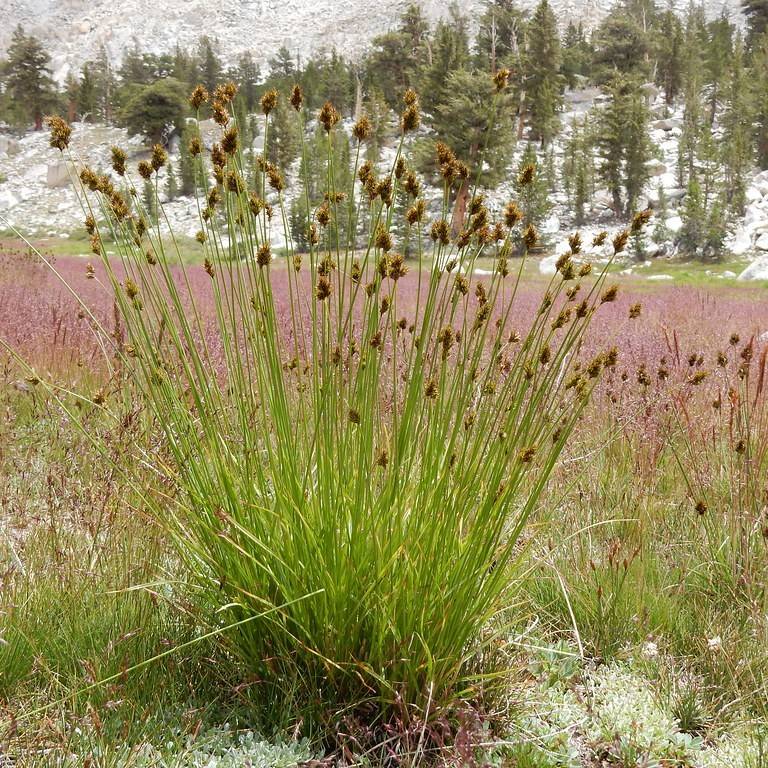
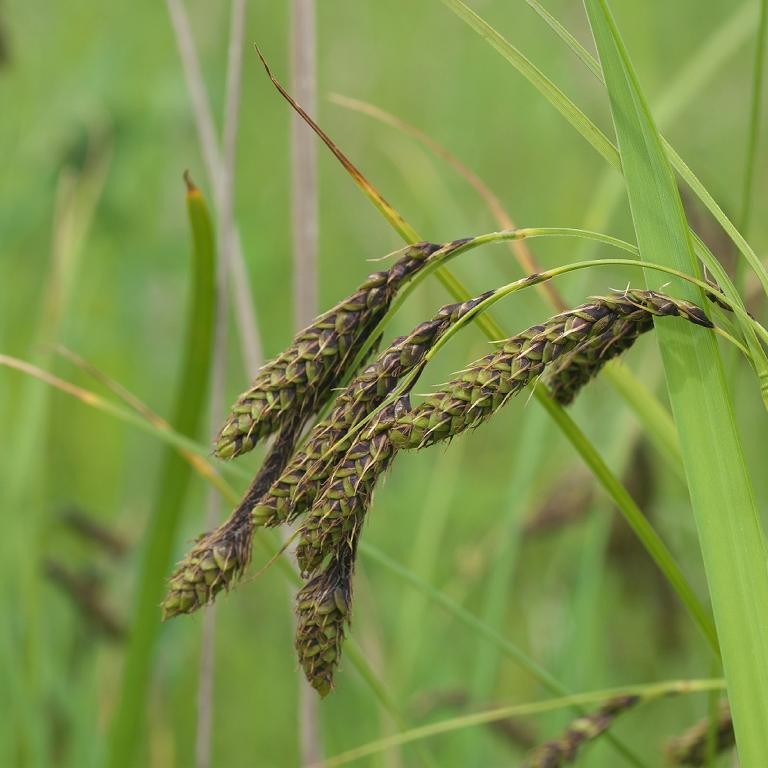
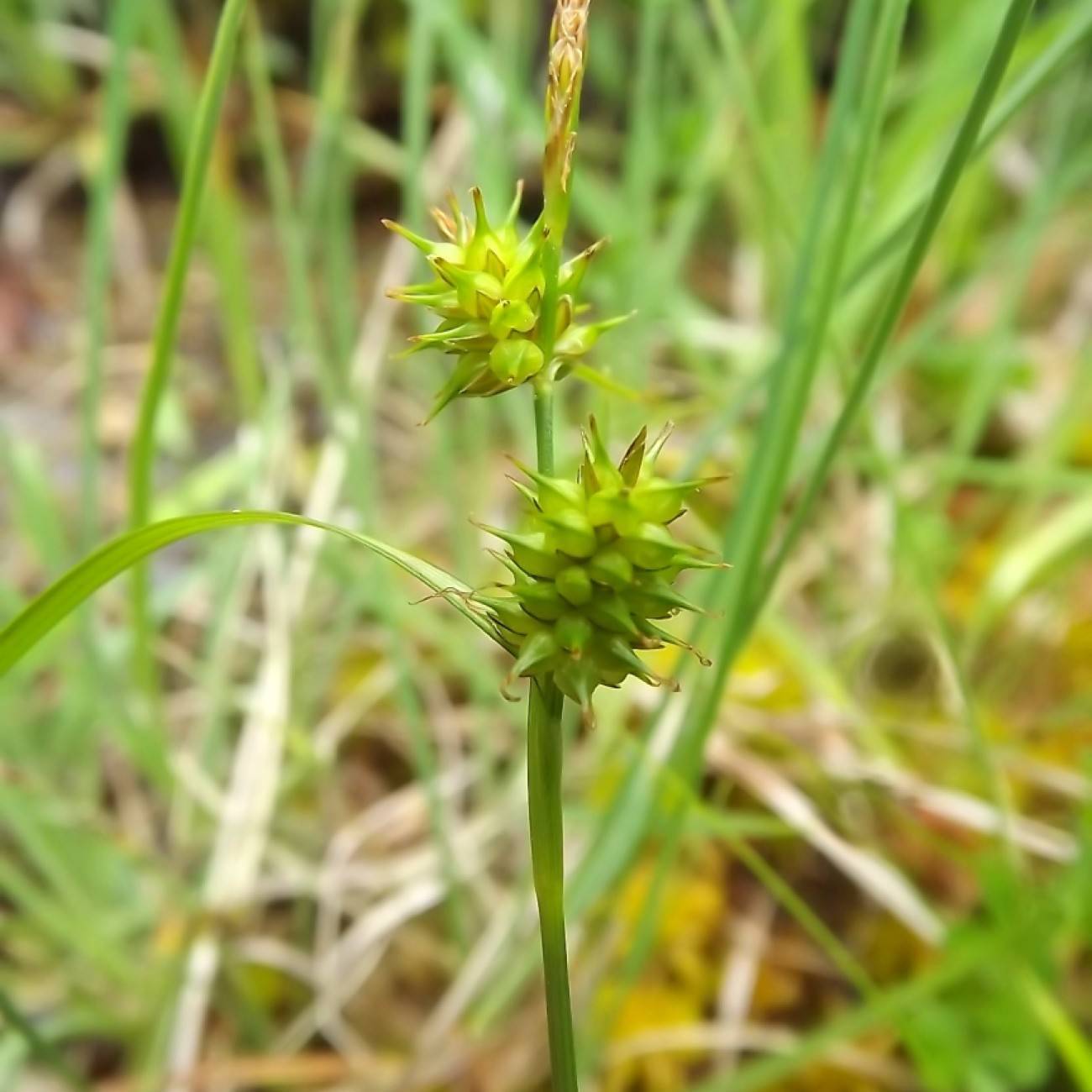
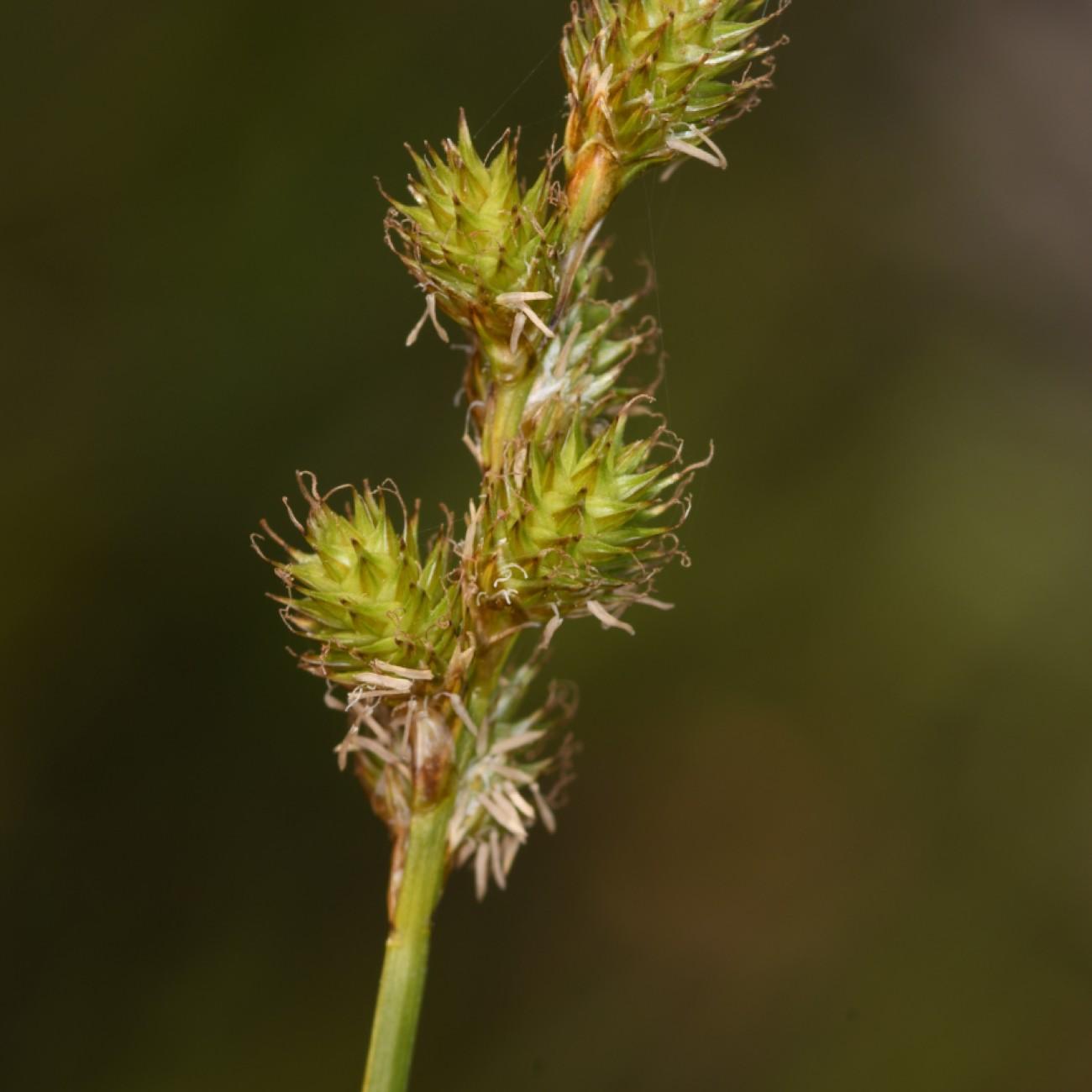
Ebony Sedge forms dense, tufted mounds of fine, arching dark green to nearly black foliage that adds rich, textural contrast to landscape plantings. It thrives in saturated soils, making it a popular choice for rain gardens, pond edges, and boggy areas where many other plants struggle. Unlike true grasses, it produces inconspicuous brown flower spikes in late spring that blend subtly with its dark foliage. It spreads slowly via short rhizomes, forming neat clumps without becoming aggressively invasive in most garden settings.
Care Guide
Watering
Ebony Sedge prefers consistently moist to wet soil and can tolerate periodic submersion in shallow water for short periods. Water regularly to keep the root zone saturated, especially during hot, dry spells, as it will suffer if allowed to dry out completely. It is an ideal choice for areas with poor drainage or frequent standing water.
Light
This sedge grows best in partial to full shade, where its dark foliage retains its deep, saturated color. It can tolerate full sun only if grown in consistently saturated, cool soil; prolonged exposure to hot, direct sunlight without sufficient moisture will cause leaf scorch and stunted growth. In cooler northern climates, it may perform well in full sun with ample water.
Soil
Ebony Sedge adapts to a wide range of soil types, including clay, loam, and sandy soils, as long as they remain consistently moist. It tolerates acidic to slightly alkaline pH levels and thrives in poorly drained, boggy conditions that would cause root rot in most other ornamental plants. It can grow in shallow water up to 2 inches (5 cm) deep for extended periods.
Fertilizer
Ebony Sedge has low nutrient requirements and typically thrives without regular fertilization, especially if grown in nutrient-rich wet soils. If planted in poor, sandy soil, apply a balanced, slow-release fertilizer in early spring at half the recommended rate for ornamental grasses to support healthy new growth. Avoid over-fertilizing, as this can cause floppy, weak foliage and reduce the intensity of its dark leaf color.
Temperature
Ebony Sedge is cold-hardy in USDA zones 4 to 9, tolerating winter temperatures as low as -30°F (-34°C) when dormant. It prefers cool growing conditions between 60-75°F (15-24°C) and may go partially dormant during extended periods of extreme heat above 90°F (32°C) if moisture is limited. Frost will kill back aboveground foliage, which regrows reliably from the root system in early spring.
Pruning
Prune back dead, brown foliage to the ground in late winter or early spring before new growth emerges to keep clumps looking neat and encourage fresh, vibrant leaf production. Remove any damaged or yellowed leaves throughout the growing season as needed to maintain a tidy appearance. Unlike some spreading sedges, it rarely needs division to control spread, but old, overcrowded clumps can be split every 3-4 years if desired.
Propagation
Ebony Sedge is most easily propagated by division in early spring just as new growth begins, or in early fall before the first frost. Dig up mature clumps, split them into smaller sections with a sharp knife, ensuring each section has a healthy portion of roots and foliage, and replant immediately at the same depth as the original plant. It can also be grown from seed sown directly in moist soil in fall or cold-stratified for 6-8 weeks before sowing indoors in spring, though seed-grown plants take longer to reach mature size.
Humidity
Ebony Sedge thrives in moderate to high humidity levels between 50-80%, which are typical of its native wetland and riparian habitats. It tolerates average household humidity if grown indoors as a houseplant, but benefits from occasional misting or placement near a humidifier if the air is excessively dry. Low humidity combined with insufficient moisture will cause leaf tips to turn brown.
Repotting
If grown in containers, repot Ebony Sedge every 2-3 years in early spring, moving it to a slightly larger pot with a loamy, moisture-retentive potting mix. Ensure the container has drainage holes, but water frequently to keep the soil consistently saturated, as potted plants dry out faster than those grown in the ground. When repotting, gently loosen tangled roots to encourage healthy new growth and remove any dead or rotting root material.
Uses & Symbolism
Ebony Sedge is widely used in landscape design as a groundcover for shady, wet areas, as an edging plant for rain gardens and pond margins, and as a textural accent in container plantings for shade. Its dark foliage provides striking contrast when planted alongside light-colored flowering perennials such as hostas, astilbes, and primroses. It is also valued for erosion control on steep, moist slopes and provides shelter and food for native wetland birds and beneficial insects.
Diseases & Pests
Ebony Sedge is relatively pest and disease resistant, with few serious issues when grown in its preferred moist, shady conditions. Overly dry soil or excessive sun can cause leaf scorch, while prolonged standing in deep water may lead to root rot in poorly aerated soils. Occasional infestations of aphids or spider mites may occur, especially on indoor potted plants, which can be treated with insecticidal soap or neem oil.
Related plants
Other plants you might like if you grow Ebony Sedge.