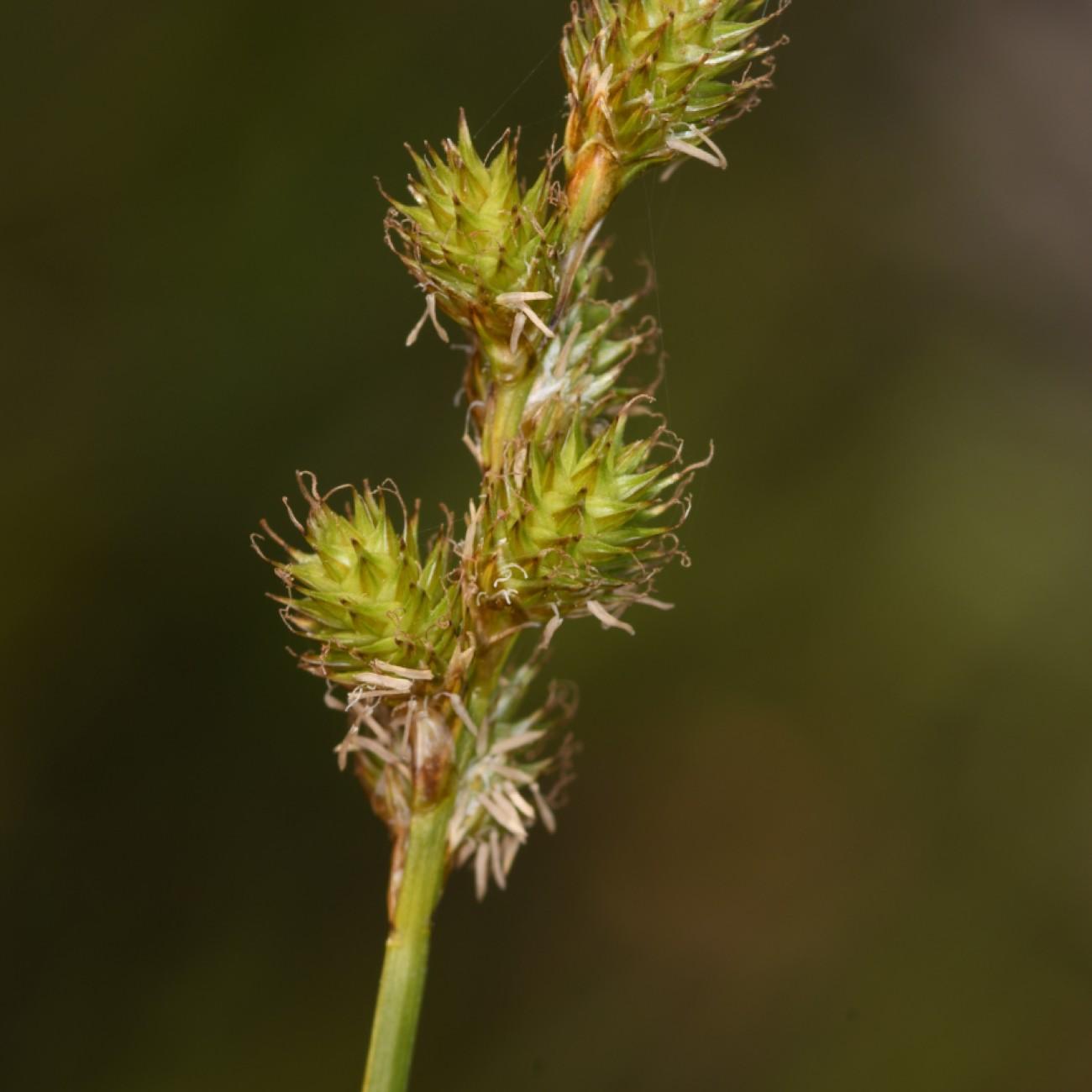
Green Sheathed Sedge
Carex livida
Overview
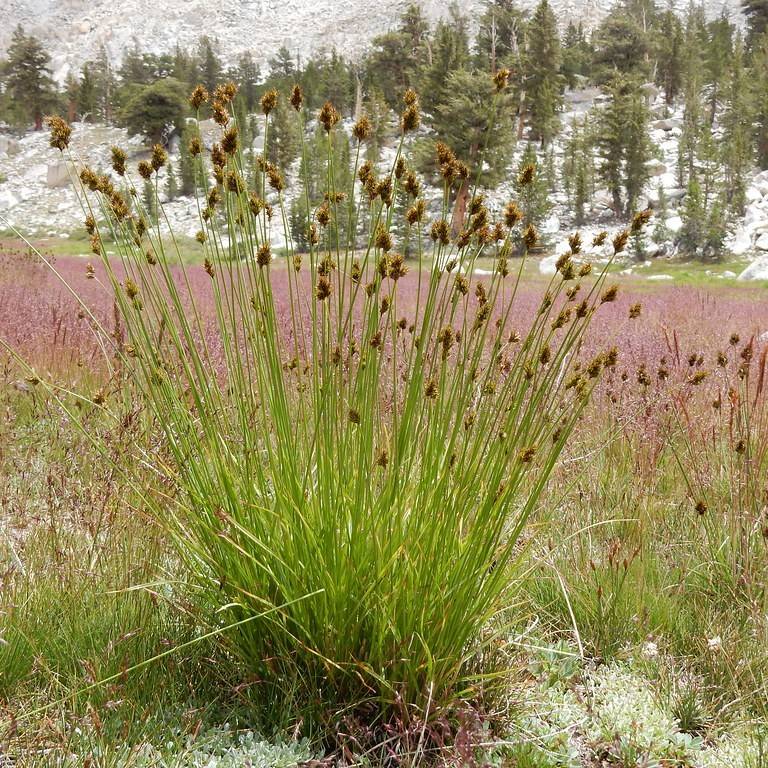
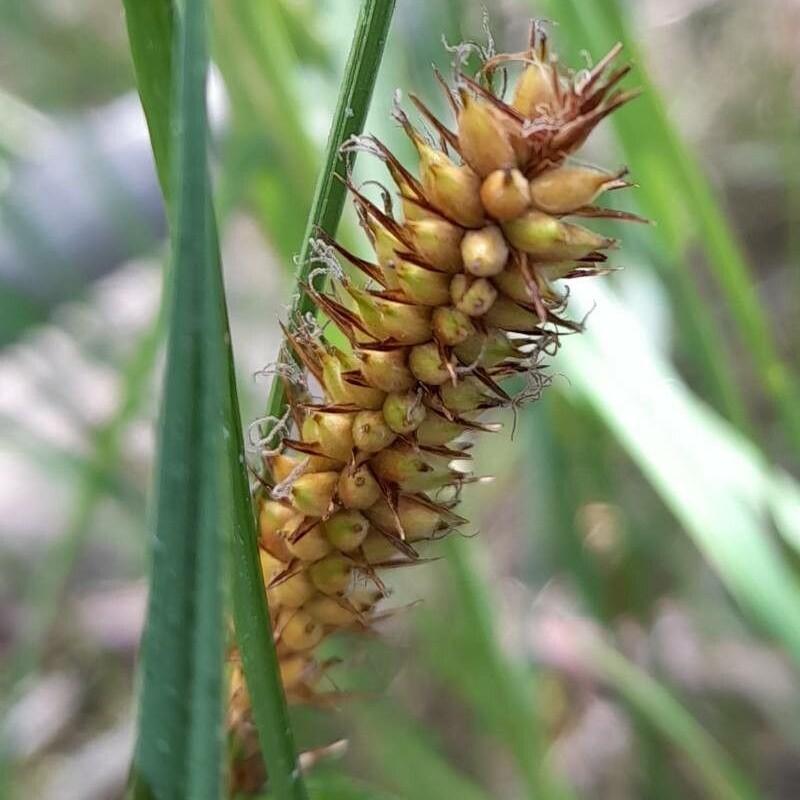
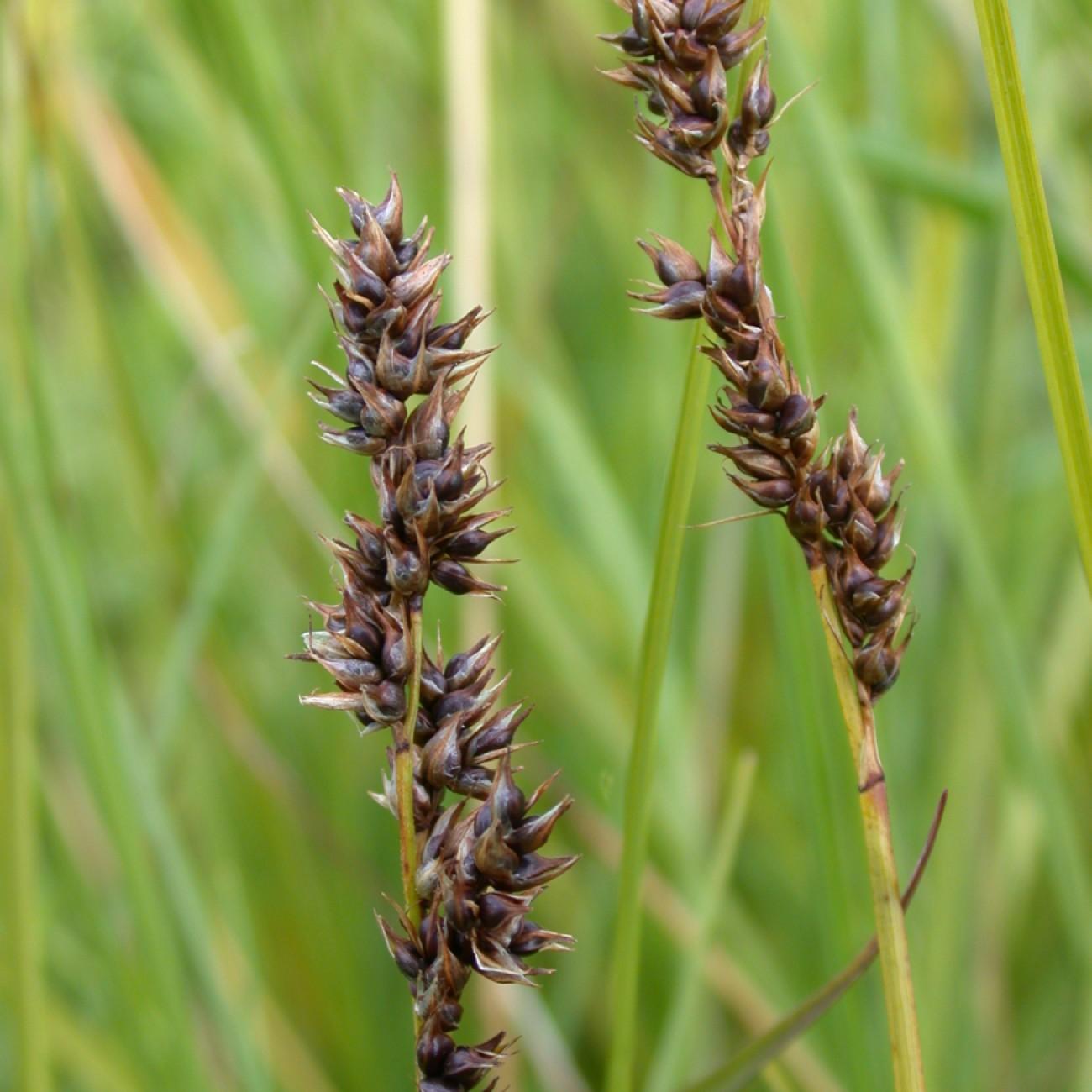
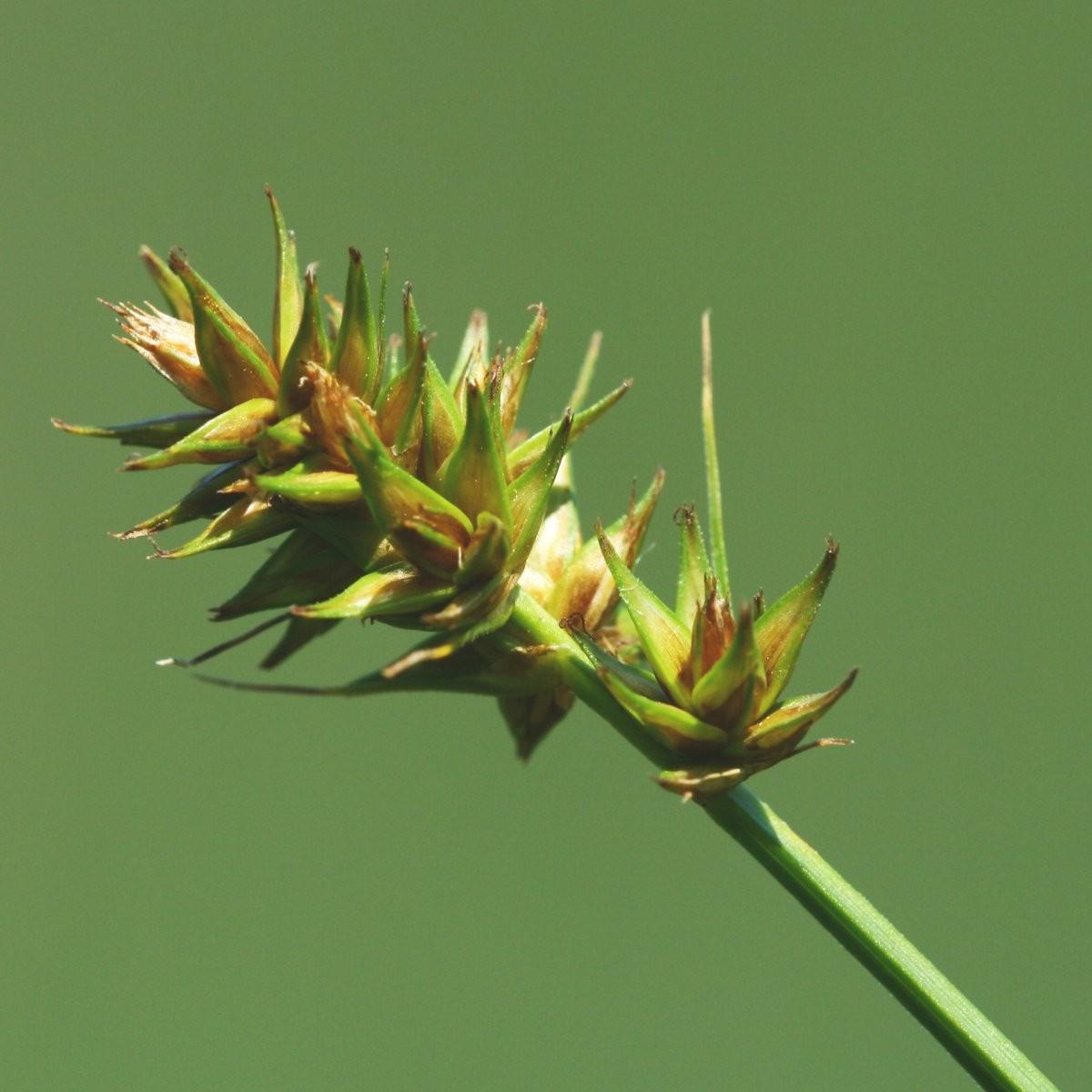
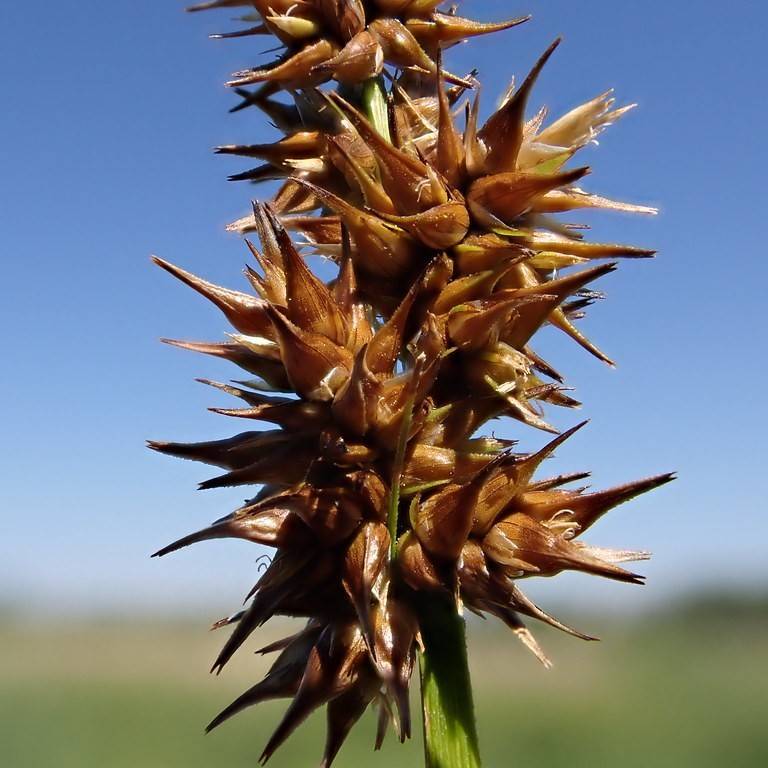
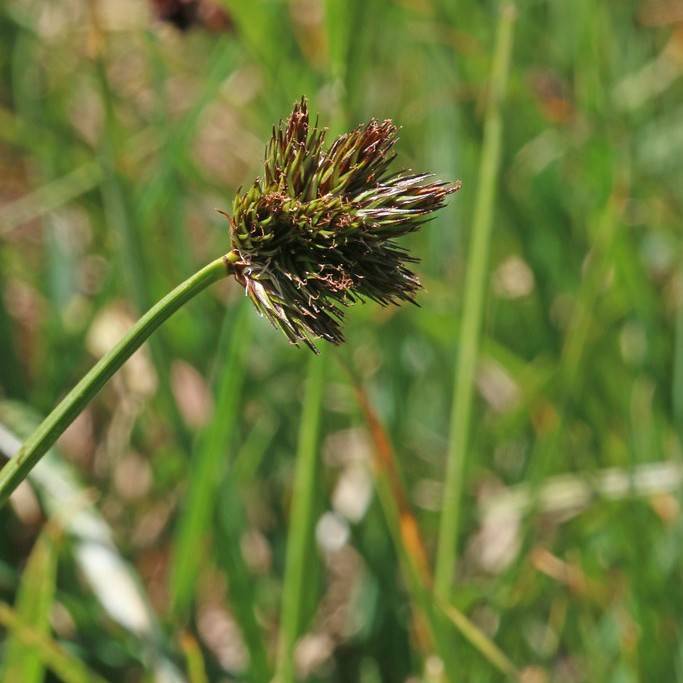
Green Sheathed Sedge is a rhizomatous, clump-forming sedge distinguished by its glaucous, narrow pale green leaves and the characteristic light green, smooth sheaths enclosing the lower portion of its triangular stems. It produces small, inconspicuous brown spikelets in late spring to early summer, with male and female flowers borne on separate spikes within the same clump. Adapted to consistently moist, even waterlogged soils, it thrives in boggy areas, shorelines, and wet meadows, providing valuable erosion control and habitat for wetland wildlife.
Care Guide
Watering
Requires consistently moist to saturated soil, and can tolerate shallow standing water up to 2 inches deep for extended periods. Allow the top 1 to 2 inches of soil to dry slightly only during periods of cooler weather, never letting the root zone dry out completely. For container-grown specimens, water frequently to maintain constant soil moisture, and place pots in saucers of standing water if grown outdoors.
Light
Grows best in full sun to partial shade, with more lush foliage produced in areas that receive dappled afternoon shade in warmer, southern growing zones. In northern boreal regions, it tolerates full, unfiltered sun throughout the growing season without foliar scorch, as long as soil moisture remains adequate. Avoid dense, full shade, which will cause sparse growth and reduced clump vigor over time.
Soil
Prefers acidic, loamy or peaty, nutrient-rich wet soil with a pH between 4.5 and 6.5. It adapts to heavy clay soils as long as drainage is slow to maintain consistent moisture, and can even grow in sandy substrates if regular water is provided. Avoid dry, sandy, or alkaline soils, which will stunt growth and may kill the plant over time.
Fertilizer
Generally requires minimal fertilization, as it thrives in the low to moderate nutrient levels typical of natural wetland habitats. If grown in poor, nutrient-depleted soil, apply a balanced, slow-release 10-10-10 fertilizer in early spring at half the recommended rate to avoid overfeeding. Do not apply high-nitrogen fertilizers, which can encourage excessive, weak foliar growth that is prone to flopping.
Temperature
Thrives in cool to moderate temperatures, with a preferred growing range of 40 to 75°F (4 to 24°C). It is extremely cold hardy, surviving winter temperatures as low as -40°F (-40°C) in USDA hardiness zones 3 through 7, and dies back to the ground in winter to regrow from its rhizomes in early spring. In areas with summer temperatures regularly above 85°F (29°C), provide partial shade and extra moisture to prevent heat stress.
Pruning
Requires very little pruning; simply cut back dead, brown foliage to the ground in late winter or early spring before new growth emerges to keep clumps looking tidy. Remove any damaged or yellowed leaves during the growing season as needed, but avoid cutting back more than one-third of the live foliage at any time. Do not shear the entire clump mid-season, as this can stress the plant and reduce its vigor for the rest of the growing year.
Propagation
Most easily propagated by division in early spring just as new growth begins to emerge, by digging up mature clumps and separating them into smaller sections with healthy rhizomes and roots, then replanting immediately at the same depth as the original plant. It can also be grown from seed sown directly outdoors in late fall, as the seeds require a 3-month cold stratification period to germinate, which is provided naturally by winter temperatures. For indoor sowing, refrigerate seeds in moist peat moss for 90 days before sowing in seed trays kept consistently moist at 60 to 65°F (15 to 18°C).
Humidity
Tolerates a wide range of humidity levels, thriving in the moderate to high humidity (50% to 80%) common in its native wetland and riparian habitats. It can adapt to average indoor humidity levels if grown as a houseplant, as long as soil moisture remains constant and it is not placed near heating or cooling vents that cause dry air. In very dry, arid climates, mist foliage occasionally to raise ambient humidity around the plant, or place it near a water feature to maintain higher moisture levels in the air.
Repotting
Container-grown specimens should be repotted every 2 to 3 years in early spring, before new growth begins, to refresh the soil and prevent root bound conditions. Use a deep pot with drainage holes, filled with a peat-based, acidic potting mix amended with perlite to retain moisture while preventing waterlogging. When repotting, divide overcrowded clumps if desired, and plant at the same depth as the original root ball to avoid rotting the crown of the plant.
Uses & Symbolism
Green Sheathed Sedge is widely planted in rain gardens, bioswales, and shoreline restoration projects to control erosion, filter stormwater runoff, and provide cover and food for wetland birds, pollinators, and small wildlife. It is also used as a low-maintenance ornamental grass alternative in moist landscape beds, bog gardens, and around the edges of ponds or water features, where its pale, glaucous foliage provides a soft contrast to brighter green wetland plants. Indigenous communities have historically used its strong, flexible stems for weaving mats and baskets.
Diseases & Pests
Green Sheathed Sedge is largely pest and disease resistant, with few issues when grown in its preferred moist, well-aerated soil. Overly dry conditions can attract spider mites and aphids, which can be controlled with a strong spray of water or insecticidal soap, while prolonged saturated, stagnant water in warm conditions may lead to fungal root rot or rust spots on foliage. Slugs and snails may occasionally feed on young, tender new growth in spring, which can be deterred with organic slug bait or copper barriers around planting areas.
Related plants
Other plants you might like if you grow Green Sheathed Sedge.