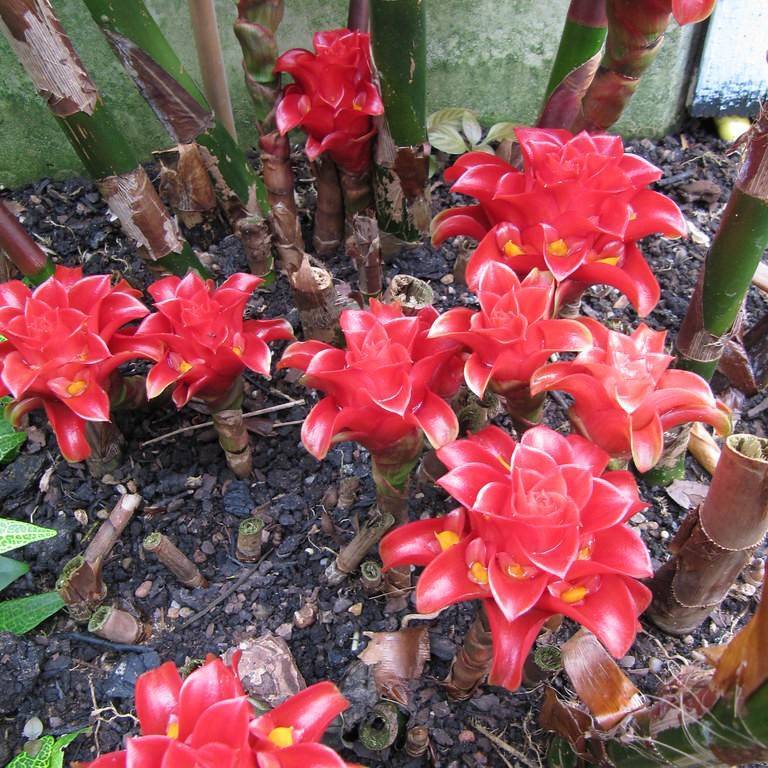
Indonesian Wax Ginger
Tapeinochilos ananassae
Overview
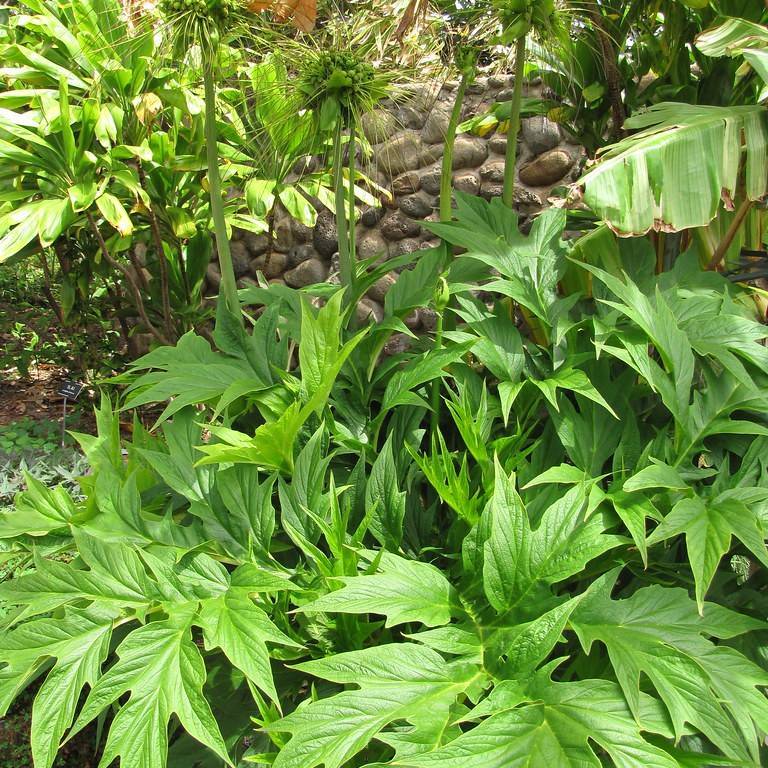
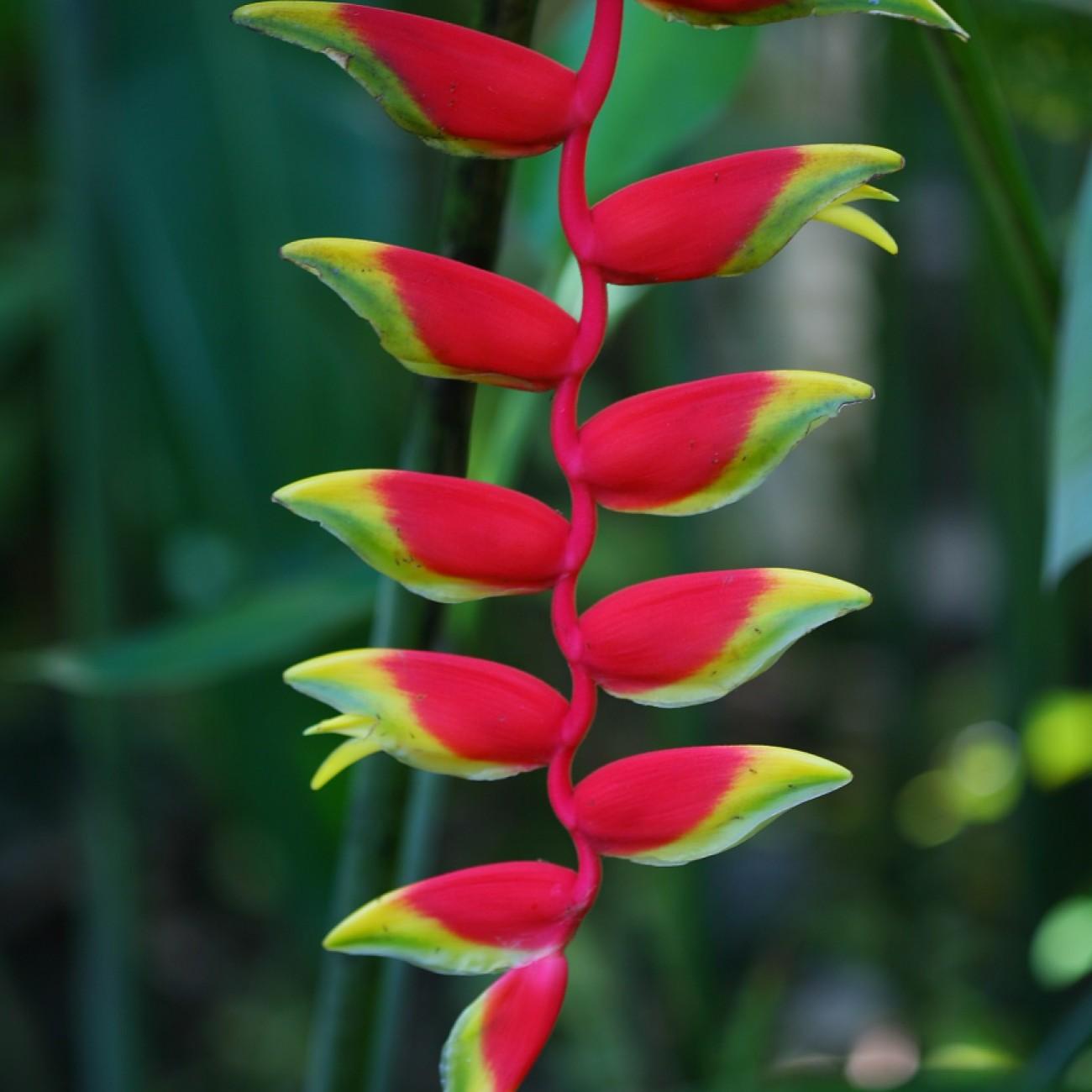
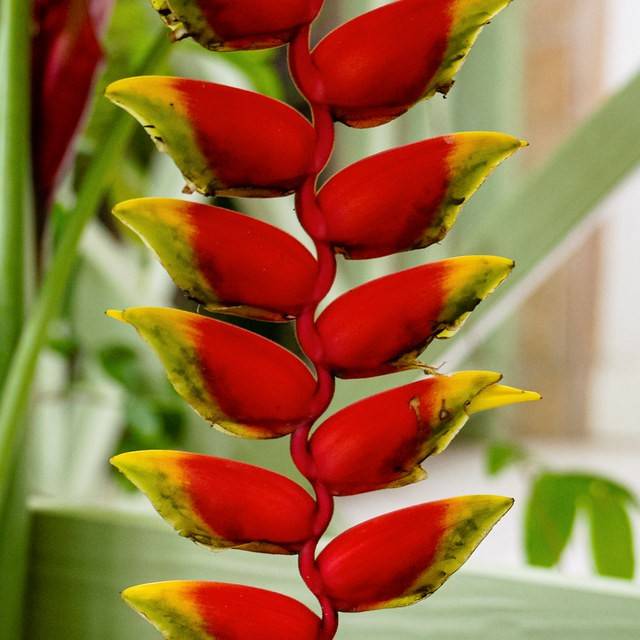
Indonesian wax ginger is a clumping tropical plant distinguished by its stiff, spirally arranged dark green leaves and long-lasting, vivid red waxy bracts that form pinecone-shaped inflorescences rising from the base of the plant. Small, pale yellow tubular flowers emerge from between the bracts over several months, attracting pollinators like hummingbirds and sunbirds in its native range. It is widely cultivated as an ornamental in tropical and subtropical gardens, and as a large houseplant in temperate regions for its dramatic, exotic appearance.
Care Guide
Watering
Keep the soil consistently moist but not waterlogged during the active growing season from spring to fall, watering when the top 1 inch of soil feels dry to the touch. Reduce watering frequency in winter, allowing the top 2 inches of soil to dry out between waterings to prevent root rot while avoiding complete desiccation. Use room-temperature, filtered water to avoid leaf tip burn caused by chlorine or fluoride in tap water.
Light
Thrives in bright, indirect light; dappled sunlight mimicking its native rainforest understory is ideal for healthy growth and consistent flowering. Avoid prolonged direct midday sun, which can scorch the delicate leaves, though 1-2 hours of gentle morning sun is tolerated well. Low light conditions will result in sparse foliage, reduced or absent flowering, and leggy, weak growth.
Soil
Requires a rich, well-draining, loamy soil mix high in organic matter to support its vigorous root system and moisture retention needs. A mix of potting soil, peat moss or coco coir, perlite, and well-rotted compost in equal parts creates the ideal growing medium, with a slightly acidic pH between 5.5 and 6.5. Heavy, compacted soils that hold excess moisture will quickly lead to root rot, so ensure the growing medium and container have adequate drainage.
Fertilizer
Feed with a balanced, water-soluble fertilizer diluted to half strength every 2-3 weeks during the active growing season from spring through late summer to support foliage growth and flower production. Stop fertilizing entirely in fall and winter when the plant enters its dormant growth phase to avoid salt buildup in the soil that can damage roots. For in-ground plants, apply a layer of well-rotted compost around the base of the clump in early spring to provide slow-release nutrients throughout the growing season.
Temperature
Prefers warm, consistent temperatures between 65-85°F (18-29°C) for optimal growth, matching its native tropical habitat. It cannot tolerate temperatures below 55°F (13°C), and exposure to frost will kill the above-ground foliage, though established plants may regrow from rhizomes if protected from deep freezes. For indoor plants, avoid placing near cold drafts from windows, air conditioners, or exterior doors, as sudden temperature drops can cause leaf drop.
Pruning
Prune away yellowed, damaged, or dead leaves at the base of their stems as needed to maintain a tidy appearance and improve air circulation around the plant. After flowering, cut back spent inflorescences to the base of the plant to redirect energy toward new growth and future flower production. Every 2-3 years, thin out overcrowded clumps by removing older, unproductive stems at the base to encourage vigorous new growth.
Propagation
The most reliable method of propagation is division of mature rhizome clumps, done in early spring just before the start of the active growing season. Carefully dig up the clump, separate sections of rhizome with at least 2-3 healthy growth buds and a portion of root system attached, and replant each division in its own pot or garden location at the same depth it was growing previously. Propagation from seed is possible but very slow, requiring fresh, cleaned seed sown in warm, humid seed starting mix, with germination taking 1-3 months and several years of growth before flowering occurs.
Humidity
Requires high humidity levels between 60-80% to thrive, mimicking the moist conditions of its native rainforest habitat. Indoor plants benefit from regular misting with room-temperature water, placement on a pebble tray filled with water, or the use of a humidifier to maintain adequate humidity levels, especially during dry winter months when indoor heating reduces ambient moisture. Low humidity will cause brown leaf tips, stunted growth, and reduced flowering.
Repotting
Repot indoor Indonesian wax ginger every 2-3 years in early spring, moving it to a container 1-2 inches larger in diameter than the current pot to accommodate its spreading rhizome system. Gently loosen the root ball during repotting, trim away any rotten or damaged roots, and refresh the growing medium to replenish nutrients and improve drainage. For mature clumps, repotting is an ideal time to divide the rhizomes to create new plants and prevent overcrowding.
Uses & Symbolism
Indonesian wax ginger is primarily grown as an ornamental plant, prized for its long-lasting, vibrant waxy inflorescences that are used in cut flower arrangements, retaining their shape and color for up to 4 weeks after cutting. It is a popular landscaping plant in tropical and subtropical gardens, where it is used as a focal point, in mass plantings, or as a tall border plant for shaded areas. In its native range, some Indigenous communities use the rhizomes in traditional medicine for treating minor inflammation and digestive ailments, though these uses are not widely documented in modern herbalism.
Diseases & Pests
The most common issue affecting Indonesian wax ginger is root rot, caused by overwatering or poorly draining soil, which presents as yellowing wilting leaves and soft, mushy rhizomes. Fungal leaf spot diseases may occur in conditions of high humidity and poor air circulation, appearing as small brown or black spots on foliage; these can be managed by removing affected leaves and improving airflow around the plant. Common pests include spider mites, aphids, and mealybugs, which suck sap from the leaves, causing yellowing and stunted growth; they can be controlled with regular neem oil applications or insecticidal soap sprays.
Related plants
Other plants you might like if you grow Indonesian Wax Ginger.