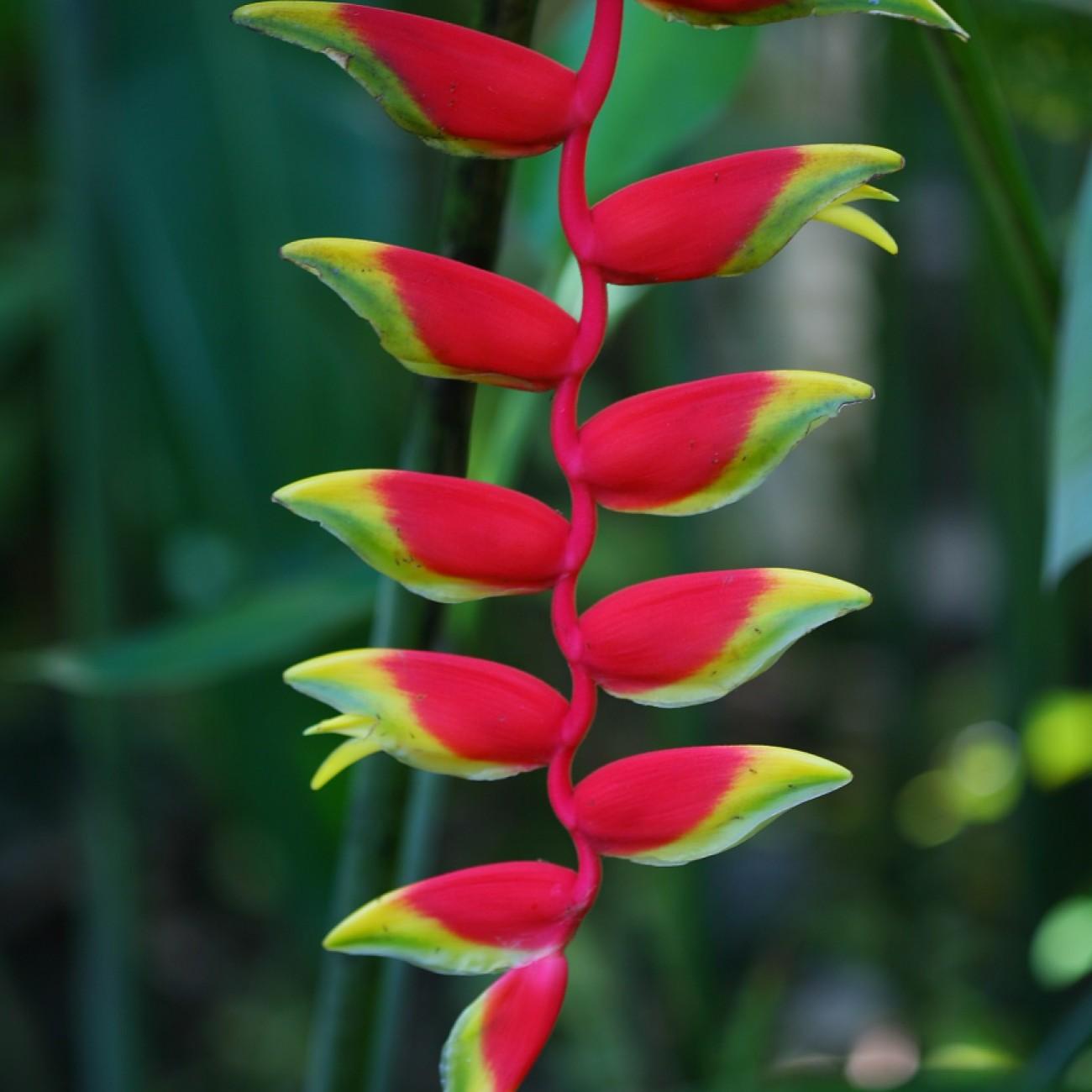
Heliconia
Heliconia spp.
Overview
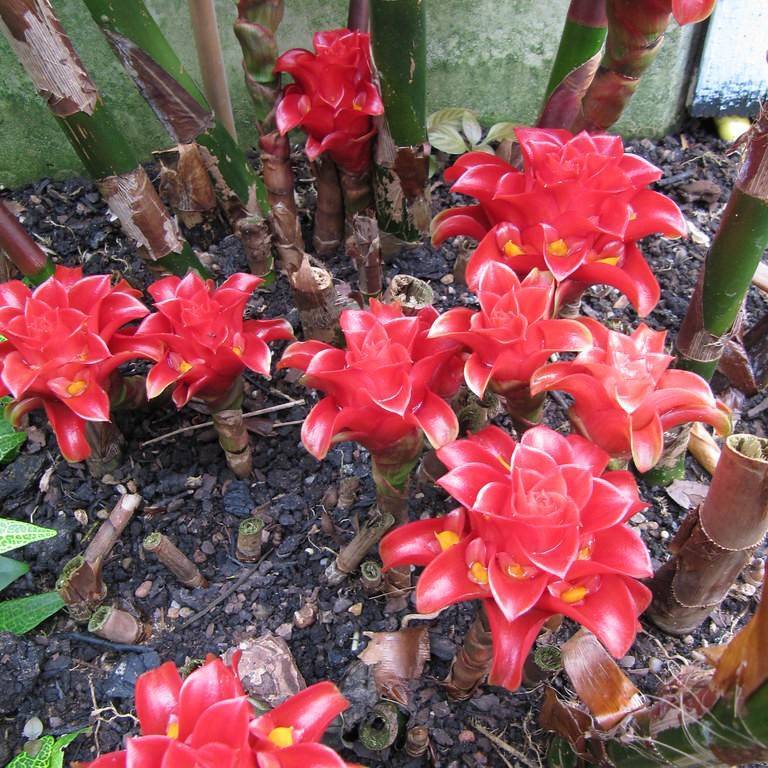
Heliconias, often called lobster claws or false birds of paradise, are renowned for their striking, modified leaf structures called bracts that come in vivid shades of red, orange, yellow, pink, and green, often with contrasting margins. These bracts hold small, inconspicuous true flowers and are long-lasting in cut arrangements, making them a staple of tropical floral design. Native to tropical rainforest understories and edge habitats, they grow from rhizomatous root systems and produce large, paddle-shaped foliage that resembles that of banana plants, creating a lush, tropical aesthetic in gardens or indoor spaces.
Care Guide
Watering
Heliconias require consistently moist, well-drained soil and should be watered regularly to keep the root zone from drying out, especially during active growth periods in warm weather. Reduce watering frequency slightly in cooler months when growth slows, but never allow the soil to become fully saturated for extended periods to avoid rhizome rot. If grown in containers, ensure pots have ample drainage holes to prevent standing water at the root level.
Light
These tropical plants thrive in bright, indirect light or partial shade, mimicking their native rainforest understory habitat where they receive dappled sunlight through the tree canopy. Avoid prolonged exposure to harsh, direct midday sun, which can scorch their large, tender foliage and cause browning along leaf edges. In indoor settings, place them near a south or east-facing window with a sheer curtain to filter intense light, or provide supplemental grow lights if natural light is insufficient.
Soil
Heliconias prefer fertile, loamy, well-draining soil with a slightly acidic to neutral pH between 5.5 and 7.0, rich in organic matter to retain moisture without becoming waterlogged. A high-quality potting mix amended with compost, peat moss, and perlite works well for container-grown specimens, providing both nutrient density and adequate drainage. For outdoor planting, amend heavy clay or sandy soils with well-rotted manure or leaf mold to improve structure and nutrient content before planting rhizomes.
Fertilizer
Feed heliconias every 2 to 4 weeks during the active growing season (spring through early fall) with a balanced, slow-release or liquid fertilizer formulated for tropical flowering plants, diluted to half the recommended strength to avoid burning the root system. Choose a fertilizer with a balanced N-P-K ratio such as 10-10-10 to support both foliage growth and vibrant bract production. Cease fertilization entirely in late fall and winter when growth slows, as the plant will not take up excess nutrients during this dormant period.
Temperature
Heliconias thrive in warm temperatures between 65°F and 85°F (18°C to 29°C) and are highly sensitive to cold, with temperatures below 50°F (10°C) causing foliage damage, stunted growth, or even rhizome death. Most species are only hardy outdoors in USDA zones 10 through 12, so gardeners in cooler climates must grow them in containers that can be moved indoors during cold weather. Avoid placing indoor heliconias near cold drafts from windows, air conditioners, or exterior doors, as sudden temperature drops can stress the plant.
Pruning
Prune heliconias regularly to remove dead, yellowed, or damaged foliage by cutting stems at the base near the soil line to improve air circulation and reduce the risk of fungal disease. After a flowering stem has finished blooming and its bracts have faded, cut the entire stem back to the ground to redirect the plant’s energy into producing new growth and future flower stalks. Avoid removing more than 30% of the plant’s foliage at one time to prevent shocking the root system.
Propagation
Heliconias are most commonly propagated by dividing mature rhizomes in early spring just before the start of the active growing season, when the plant is emerging from winter dormancy. Carefully dig up the entire rhizome clump, use a sharp, sterilized knife to separate sections that each have at least one healthy growing shoot and a portion of the root system, then replant divisions at the same depth they were growing previously. Propagation from seed is possible but much slower, taking up to 2 years for plants to reach flowering size, and seeds require warm, humid conditions and scarification to germinate successfully.
Humidity
As tropical rainforest natives, heliconias require high humidity levels between 60% and 80% to thrive, with dry air leading to browning leaf tips and stunted growth. Indoor plants can be misted regularly with room-temperature distilled water, placed on a pebble tray filled with water, or grown near a humidifier to maintain adequate ambient humidity. Avoid placing heliconias near heating or cooling vents that blow dry air directly onto the foliage.
Repotting
Container-grown heliconias should be repotted every 1 to 2 years in early spring, or when the plant becomes root-bound and roots begin to grow out of the drainage holes of the pot. Choose a pot that is 2 to 3 inches larger in diameter than the current container, with ample drainage holes, and use fresh, nutrient-rich potting mix amended with organic matter when repotting. Handle the rhizome carefully during repotting to avoid damaging the delicate root system, and water thoroughly after repotting to help the plant settle into its new container.
Uses & Symbolism
Heliconias are widely grown as ornamental landscape plants in tropical and subtropical gardens, where their bold foliage and vibrant bracts create a lush, tropical focal point, and they are also popular as large statement houseplants for warm, bright indoor spaces. Their long-lasting, colorful bracts are highly sought after for cut flower arrangements, with some varieties staying fresh for up to 2 weeks in a vase, making them a valuable commercial crop for the floral industry. In their native range, some heliconia species are used in traditional medicine to treat a variety of ailments, and their dense foliage provides shelter and nesting sites for tropical birds, including hummingbirds that pollinate the plants’ small true flowers.
Diseases & Pests
Heliconias are relatively pest-resistant but can be susceptible to common houseplant pests including aphids, spider mites, and mealybugs, which feed on the sap of tender new foliage and can be controlled with insecticidal soap or neem oil applications. Overwatering or poorly draining soil frequently leads to rhizome rot and fungal leaf spot diseases, which can be prevented by allowing the top inch of soil to dry slightly between waterings and ensuring good air circulation around the plant. In very humid conditions, bacterial blight may also occur, causing brown, water-soaked lesions on foliage; affected leaves should be removed immediately and the plant should be treated with a copper-based fungicide to stop spread.
Related plants
Other plants you might like if you grow Heliconia.