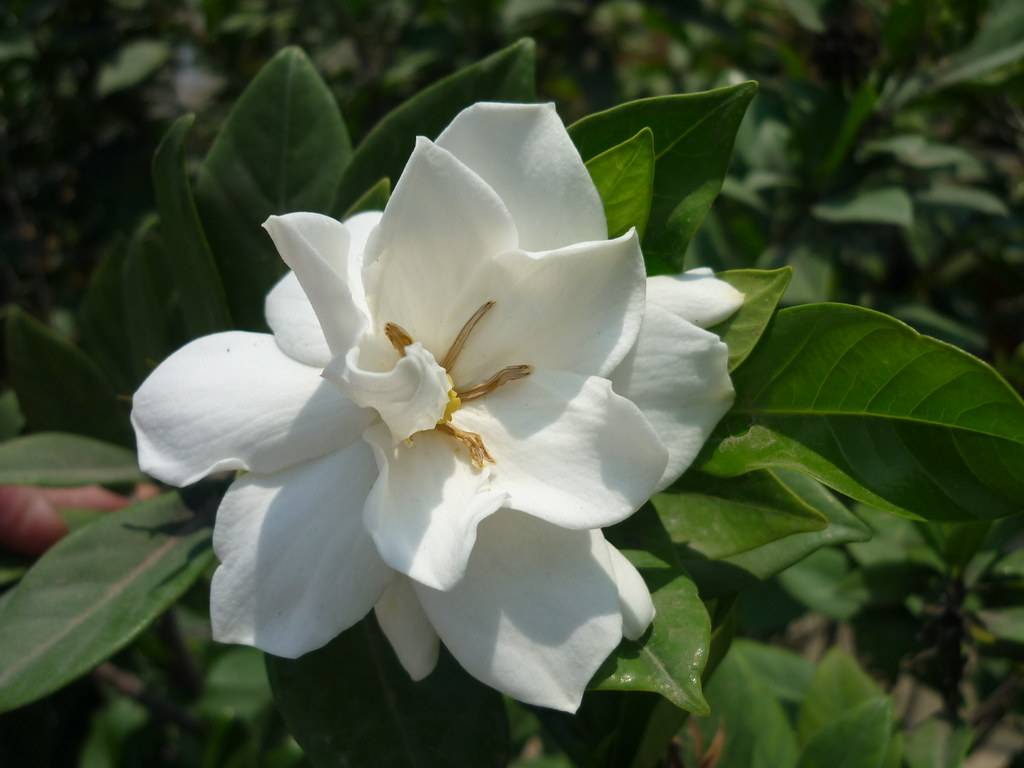
Gardenia
Gardenia jasminoides
Overview
Gardenia jasminoides, also called cape jasmine, is a beloved ornamental evergreen celebrated for its intensely sweet, heady fragrance and waxy, creamy white flowers that fade to soft yellow as they mature. Its deep green, glossy, leathery leaves create a lush, dense foliage backdrop for the showy blooms, which appear in abundance during warm months. Adaptable to both landscape planting in frost-free regions and container cultivation indoors, gardenias are a staple of tropical and subtropical gardens, as well as a popular choice for fragrant houseplant collections.
Care Guide
Watering
Keep soil consistently moist but never waterlogged, as overwatering can lead to root rot and yellowing leaves. Water at the base to avoid splashing foliage, which can cause fungal spots, and reduce watering frequency slightly during the winter dormant period when growth slows. Use rainwater or distilled water if your tap water is high in lime, as alkaline water can raise soil pH and cause nutrient deficiencies.
Light
Gardenias thrive in bright, indirect light, with 4-6 hours of gentle morning sun daily and protection from harsh midday and afternoon sun that can scorch leaves. Outdoor plants perform best in partial shade under dappled tree canopy, while indoor specimens should be placed near a bright east or west-facing window, avoiding direct south-facing sun in summer. Insufficient light will reduce blooming and lead to leggy, sparse growth.
Soil
Requires well-draining, acidic soil with a pH between 5.0 and 6.5 to support healthy nutrient uptake. A high-quality potting mix formulated for acid-loving plants, amended with peat moss or pine bark to lower pH and improve drainage, works well for container-grown gardenias. Outdoor garden beds should be loosened and amended with organic matter prior to planting to improve structure and acidity.
Fertilizer
Feed every 2-4 weeks during the active growing season (spring through summer) with a balanced, water-soluble fertilizer formulated for acid-loving plants such as azaleas or rhododendrons. Avoid fertilizing in fall and winter, as this can stimulate tender new growth that is vulnerable to cold damage and disrupts the plant’s natural dormancy cycle. Over-fertilization can cause salt buildup in the soil, leading to brown leaf tips and root burn.
Temperature
Outdoor gardenias grow best in temperatures between 65-75°F (18-24°C) during the day and 60-65°F (15-18°C) at night, and can only tolerate brief dips down to 20°F (-7°C) in USDA hardiness zones 8-11. Indoor specimens require consistent temperatures within the same range, avoiding drafts from heating vents, air conditioners, or open doors that can cause flower buds to drop abruptly. Cool nighttime temperatures around 60°F (15°C) in late spring and early summer help stimulate bud formation for more abundant blooms.
Pruning
Prune gardenias immediately after flowering finishes in late summer or early fall, before new flower buds begin to form for the next season, to avoid cutting off future blooms. Remove spent flowers, dead or diseased branches, and leggy growth to encourage a compact, bushy shape and improve air circulation through the foliage. Avoid heavy pruning, as this can reduce blooming for 1-2 growing seasons while the plant recovers.
Propagation
The most reliable method for home gardeners is stem cuttings taken in late spring or early summer from healthy, non-flowering new growth, rooted in moist, sterile potting mix under high humidity. Cuttings should be 3-4 inches long, with lower leaves removed, and dipped in rooting hormone to speed up root development, which typically takes 4-6 weeks. Gardenias can also be grown from seed, but seeds take 2-3 years to reach flowering maturity and may not retain the exact characteristics of the parent plant.
Humidity
Gardenias require high humidity between 60-70% to thrive, as dry air causes leaf browning, bud drop, and reduced flowering. Indoor plants benefit from regular misting with room-temperature water, placement on a pebble tray filled with water, or use of a room humidifier, especially during dry winter months when indoor heating lowers ambient humidity. Outdoor plants in dry climates can be grouped with other moisture-loving plants to raise localized humidity levels.
Repotting
Repot container-grown gardenias every 2-3 years in early spring, just before new growth begins, choosing a pot only 1-2 inches larger than the current container to avoid excess soil that holds too much moisture. Gently loosen the root ball before placing in fresh acidic potting mix, and water thoroughly after repotting to settle the soil around the roots. Avoid repotting while the plant is in bloom, as this can cause flower buds to drop prematurely.
Uses & Symbolism
Gardenias are widely grown as ornamental landscape plants in warm climates, used in foundation plantings, hedges, and mixed shrub borders for their year-round glossy foliage and fragrant seasonal blooms. Their intensely fragrant flowers are harvested for use in cut flower arrangements, leis, perfumes, and traditional teas in many East Asian cultures, and they are a popular choice for fragrant indoor houseplant collections. In traditional Chinese medicine, gardenia fruit and flowers are used to treat inflammation, anxiety, and minor skin conditions, though medicinal use should only be done under professional guidance.
Diseases & Pests
Common pests include aphids, whiteflies, spider mites, and scale insects, which feed on sap and cause yellowing leaves, stunted growth, and sooty mold growth on honeydew secretions. Fungal diseases such as powdery mildew, leaf spot, and root rot are prevalent in overly wet conditions, with poor air circulation and overhead watering increasing risk. Chlorosis, or yellowing of leaf tissue while veins remain green, is a common abiotic issue caused by alkaline soil, insufficient iron, or overwatering, which can be corrected by adjusting soil pH and applying chelated iron supplements.
Related plants
Other plants you might like if you grow Gardenia.