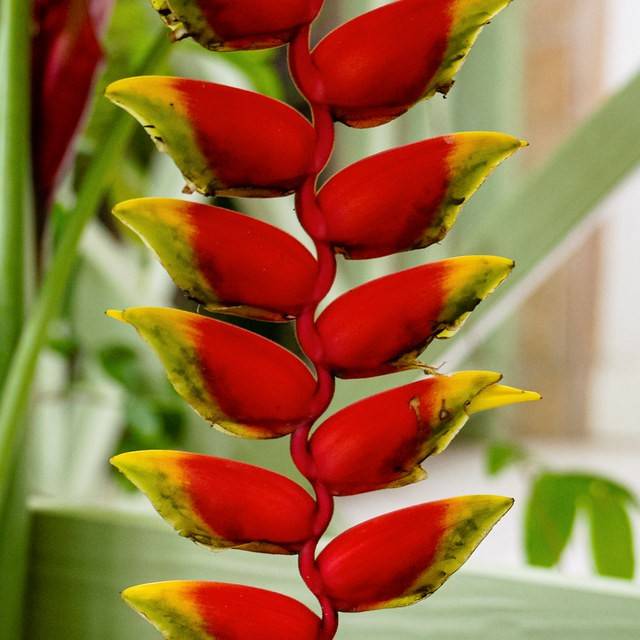
False Bird Of Paradise
Heliconia rostrata
Overview
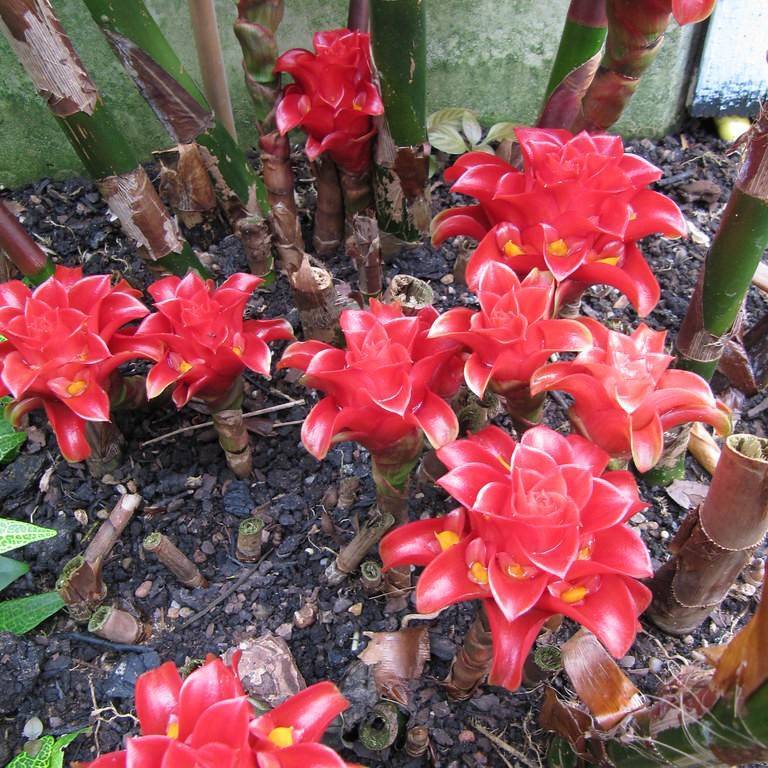
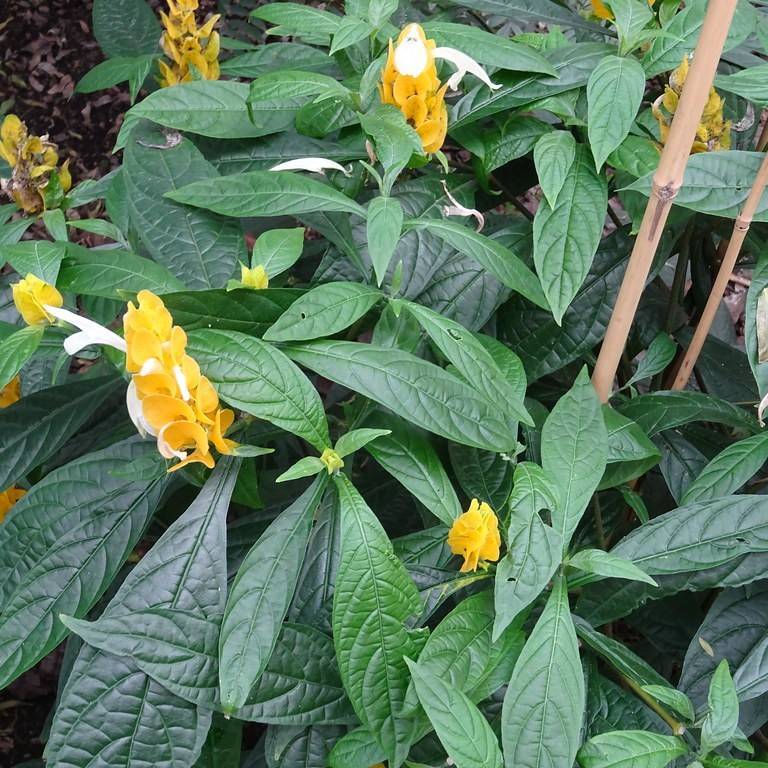
False bird of paradise, also called hanging lobster claw, is distinguished by its pendant clusters of bright red, yellow-tipped bracts that hold small, inconspicuous white flowers inside. It grows in clumps with large, banana-like glossy green leaves that unfurl from upright stems, creating a lush, tropical aesthetic. In its native habitat, it is pollinated by hummingbirds drawn to its brightly colored bracts and rich nectar stores, and it has become a popular ornamental plant in warm, frost-free regions worldwide.
Care Guide
Watering
Water consistently to keep soil evenly moist but not waterlogged throughout the active growing season in spring and summer, reducing frequency in winter when growth slows to prevent root rot. Avoid overwatering by allowing the top 1-2 inches of soil to dry out slightly between waterings, and use room-temperature, non-chlorinated water for best results.
Light
Thrives in bright, indirect light, similar to the dappled sunlight of its native rainforest understory; direct midday sun will scorch its large leaves, so provide filtered light or partial shade outdoors. Indoor plants should be placed near a south or east-facing window with a sheer curtain to diffuse harsh sun, as insufficient light will reduce or prevent flowering.
Soil
Requires a well-draining, nutrient-rich, slightly acidic soil with a pH between 5.5 and 6.5, ideally a mix of potting soil, perlite, orchid bark, and compost to retain moisture while allowing excess water to drain freely. Avoid heavy, compacted clay soils that hold standing water, as these will quickly cause root rot in this species.
Fertilizer
Feed with a balanced, water-soluble 10-10-10 fertilizer diluted to half strength every 2-4 weeks during the active growing season from spring to early fall to support robust foliage and flowering. Do not fertilize in late fall and winter when the plant is dormant, as this can cause salt buildup in the soil and damage delicate root systems.
Temperature
Prefers warm tropical temperatures between 65-85°F (18-29°C), and cannot tolerate temperatures below 50°F (10°C) for extended periods, which will cause leaf yellowing and drop. Outdoor plants in regions with frost must be brought indoors or protected with frost cloth during cold snaps, as freezing temperatures will kill the above-ground growth and may damage the root system.
Pruning
Remove yellowed, browned, or damaged leaves by cutting them at the base of their stem with clean, sharp pruning shears to improve air circulation and maintain a tidy appearance. After flowering, cut back spent flower stalks to the base of the plant to redirect energy toward new growth and future bloom production, and thin out overcrowded clumps every 2-3 years to prevent overgrowth.
Propagation
Most commonly propagated by division of mature clumps in early spring before new growth begins; carefully separate rhizome sections with at least 2-3 healthy growth buds, trim any damaged roots, and replant in fresh, well-draining soil. It can also be grown from fresh seed, but seeds require warm temperatures of 70-85°F (21-29°C), consistent moisture, and partial shade to germinate, a process that can take 2-6 months, and seed-grown plants take 3-4 years to reach flowering maturity.
Humidity
Requires high humidity levels between 60-80% to thrive, mimicking its native rainforest environment; low indoor humidity will cause leaf browning at the edges and reduce flowering potential. Increase humidity for indoor plants by placing the pot on a tray filled with pebbles and water, using a room humidifier, or misting the leaves regularly with room-temperature water, especially during dry winter months.
Repotting
Repot young false bird of paradise plants every 1-2 years in spring, moving up one pot size each time to accommodate their fast-growing root system, ensuring the new pot has ample drainage holes. Mature plants only need repotting every 3-4 years, as they prefer being slightly root-bound, which encourages more prolific flowering; when repotting, refresh the soil mix and trim any dead or rotting rhizomes to keep the plant healthy.
Uses & Symbolism
Widely grown as an ornamental landscape plant in tropical and subtropical gardens for its dramatic, long-lasting flowers and lush foliage, and it is a popular cut flower for floral arrangements due to the bracts retaining their vibrant color for up to 2 weeks after cutting. In its native range, it is sometimes used in traditional medicine to treat minor aches and inflammation, and its large leaves are occasionally used for wrapping food.
Diseases & Pests
Susceptible to common houseplant pests including spider mites, mealybugs, and aphids, which can be controlled with regular neem oil applications, insecticidal soap, or wiping leaves with a damp cloth to remove infestations. Overwatering or poorly draining soil often leads to root rot, the most common fungal issue, which can be prevented by avoiding standing water in the pot or planting bed and allowing the top layer of soil to dry between waterings; leaf spot fungal diseases may also occur in overly humid, poorly ventilated conditions, which can be treated by removing affected foliage and applying a copper-based fungicide.
Guides that mention False Bird Of Paradise
Bird of Paradise Fertilizer and Soil: A Complete Beginner Care Guide
Learn how to pick the right bird of paradise fertilizer and best soil for bird of paradise plants to help your tropical foliage grow lush, full, and healthy.
How to Care for Bird of Paradise: Watering, Propagation, and Beginner-Friendly Growing Tips
Your complete bird of paradise care guide covers watering schedules, propagation steps, and simple tips to keep your tropical plant thriving indoors or out.
Related plants
Other plants you might like if you grow False Bird Of Paradise.