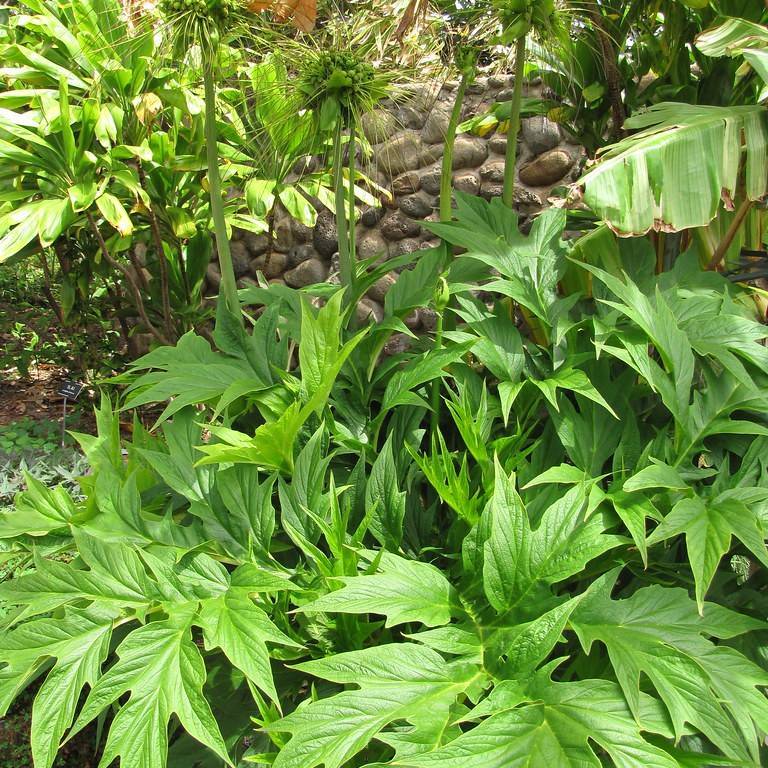
Batflower
Tacca chantrieri
Overview
Batflower, also called black bat flower, is a distinctive tropical plant prized for its highly unusual inflorescence that resembles a bat in flight. Its blooms feature broad, wing-like dark bracts, small clustered true flowers, and thread-like bracteoles that can grow up to 12 inches long, trailing downward from the bloom. In its native habitat, it grows as an understory plant, thriving in warm, humid, shaded conditions. It is most commonly grown as a houseplant in temperate regions or as a outdoor ornamental in frost-free tropical landscapes.
Care Guide
Watering
Batflower prefers consistently moist, well-drained soil that never dries out completely, but avoid soggy conditions that can cause root rot. Water thoroughly when the top 1 inch of soil feels dry to the touch, reducing watering frequency slightly during the cooler winter months when growth slows. Use room-temperature, filtered or rainwater if possible, as the plant can be sensitive to chlorinated tap water.
Light
As an understory rainforest plant, batflower requires bright, indirect light to thrive, with no direct midday sun that can scorch its delicate leaves. Dappled shade or placement near an east-facing window is ideal for indoor specimens; outdoor plants should be positioned in full to partial shade, protected from harsh overhead sunlight. Too little light will result in sparse growth and a lack of blooms, so avoid dim, low-light locations.
Soil
Batflower grows best in a rich, well-aerated, moisture-retentive potting mix with a slightly acidic pH between 5.5 and 6.5. A blend of peat moss, perlite, orchid bark, and compost works well, as it provides good drainage while holding enough moisture to keep the root system hydrated. Avoid heavy, compacted garden soils that hold excess water and can suffocate the plant’s roots.
Fertilizer
Feed batflower every two weeks during the active growing season (spring through summer) with a diluted, balanced liquid fertilizer, such as a 10-10-10 formula, to support healthy foliage and blooming. Reduce fertilization to once a month in the fall, and stop feeding entirely during the winter dormant period to avoid over-fertilizing, which can cause leaf tip burn and stunted growth. Alternatively, you can incorporate a slow-release, balanced fertilizer into the soil at the start of the growing season for lower-maintenance feeding.
Temperature
Batflower thrives in warm tropical temperatures between 65°F and 85°F (18°C to 29°C) and cannot tolerate frost or prolonged cold below 55°F (13°C). Indoor plants should be kept away from cold drafts from windows, doors, or air conditioning units, as sudden temperature drops can cause leaf drop and stress. Outdoor specimens can only be grown year-round in USDA hardiness zones 10 through 12, and must be brought indoors or protected if temperatures dip below the minimum threshold.
Pruning
Prune batflower minimally, only removing yellowed, damaged, or dead leaves and spent flower stalks as needed to keep the plant looking tidy and prevent fungal growth. Cut back flower stems at the base once the bloom has faded to redirect the plant’s energy into new foliage and future flower production. Avoid cutting back healthy green foliage, as this can reduce the plant’s ability to photosynthesize and weaken it over time.
Propagation
Batflower is most commonly propagated by dividing the rhizomes of mature, established plants during the dormant period in late winter or early spring. Carefully dig up the rhizome clump, separate sections with at least one healthy growth bud, and plant each division in its own pot with fresh, well-draining potting mix. It can also be grown from seed, but seeds have a low germination rate and require consistent warm, humid conditions, with plants taking up to 3 years to reach blooming maturity, making division the preferred method for most growers.
Humidity
High humidity between 50% and 70% is essential for healthy batflower growth, mimicking its native rainforest habitat. Indoor plants benefit from regular misting, placement on a pebble tray filled with water, or use of a humidifier, especially during dry winter months or in arid climates. Low humidity will cause brown leaf tips, stunted growth, and a failure to produce blooms, so supplemental humidity is often necessary for indoor cultivation.
Repotting
Repot batflower every 2 to 3 years in the early spring, just before the start of the active growing season, when the plant has outgrown its current container. Choose a pot that is only 1 to 2 inches larger in diameter than the previous one, as batflower blooms best when its roots are slightly pot-bound, and an excessively large pot can hold excess moisture leading to root rot. Gently loosen the root ball when repotting, and refresh the potting mix with a rich, well-draining blend to support new growth.
Uses & Symbolism
Batflower is primarily grown as an ornamental specimen plant, valued for its highly unusual, dramatic blooms that make it a conversation piece in houseplant collections and tropical gardens. Its long-lasting cut flowers are sometimes used in exotic floral arrangements, as the unique blooms retain their shape and color for up to two weeks after being cut. In its native range, some indigenous cultures use parts of the plant for traditional medicinal purposes, though it is not widely used in modern herbalism.
Diseases & Pests
Batflower is susceptible to common houseplant pests including aphids, mealybugs, spider mites, and scale, which can be controlled with regular inspections, neem oil applications, or insecticidal soap treatments. Overwatering and poor drainage often lead to root rot, the most common disease affecting this plant, which presents as yellowing, wilting leaves and a foul smell from the soil. Low humidity can also cause brown leaf tips, while excessive direct sunlight leads to scorched, brown patches on foliage.
Related plants
Other plants you might like if you grow Batflower.
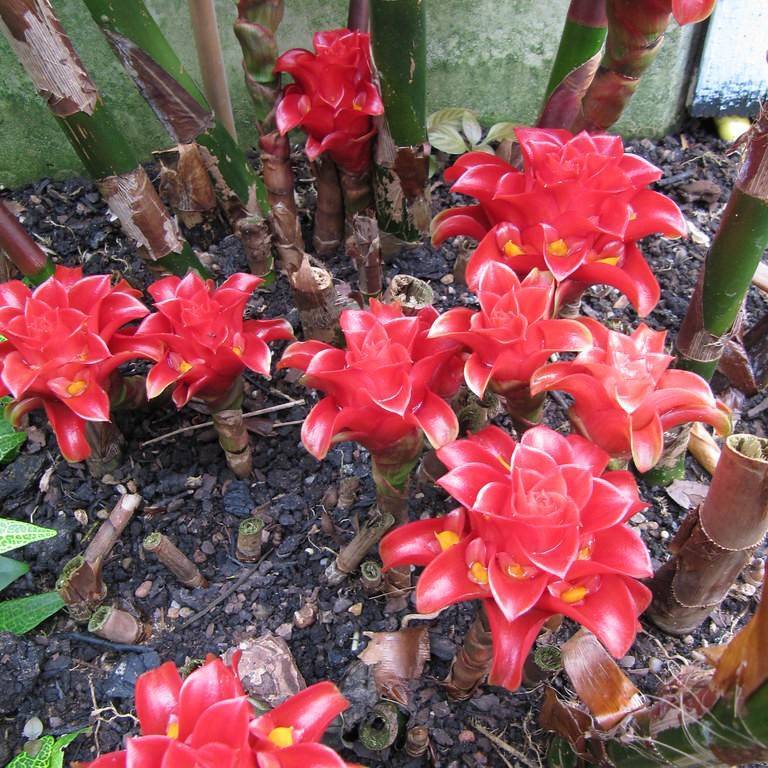
Indonesian Wax Ginger
Tapeinochilos ananassae
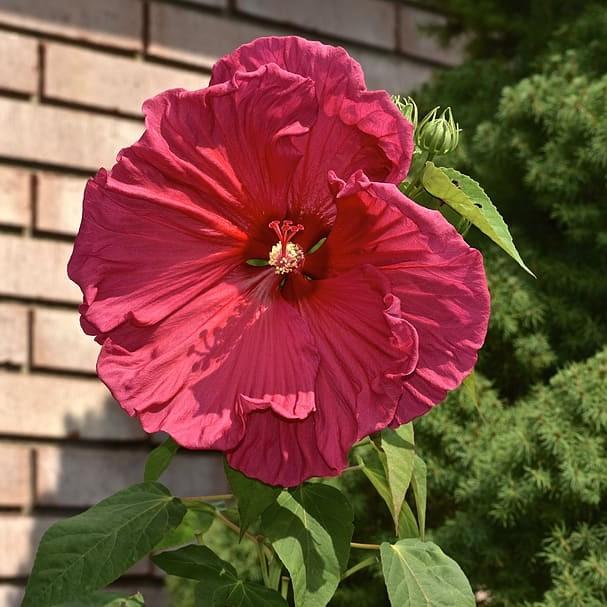
Hibiscus
Hibiscus rosa-sinensis
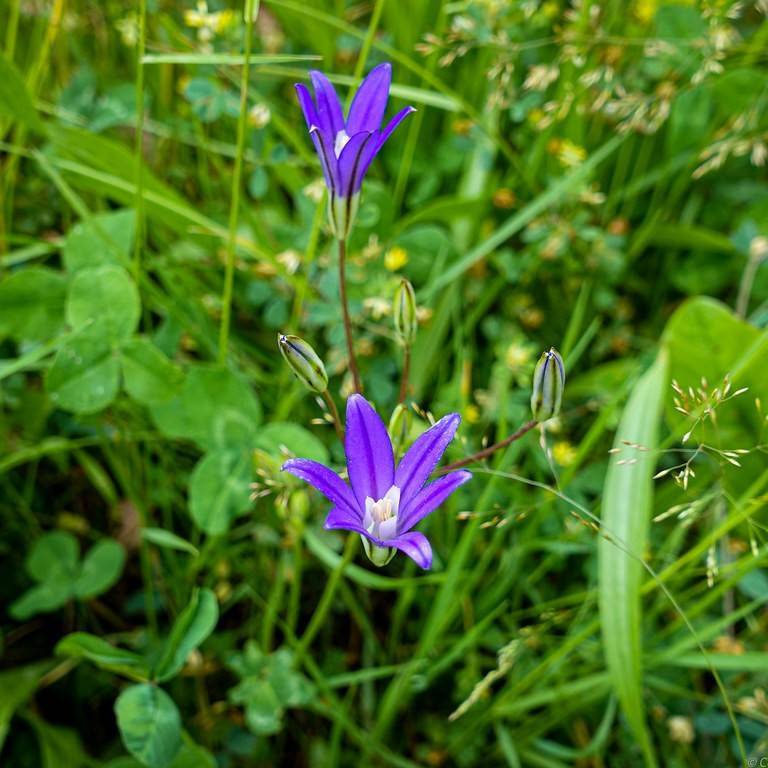
Harvest Firecracker Flower
Crossandra infundibuliformis 'Harvest'
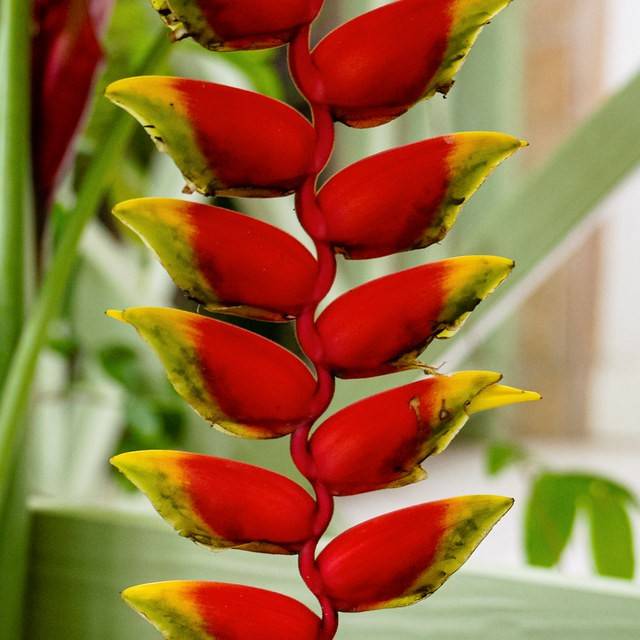
False Bird Of Paradise
Heliconia rostrata
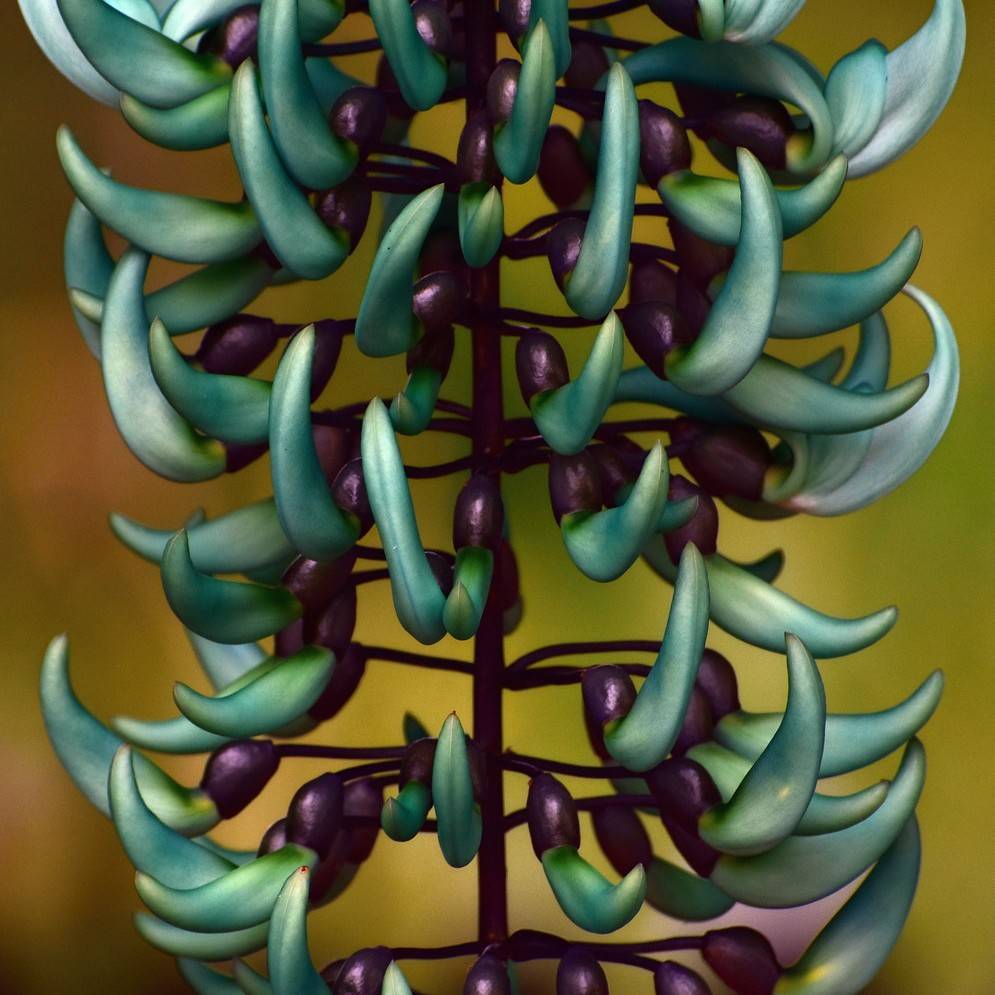
Jade Vine
Strongylodon macrobotrys
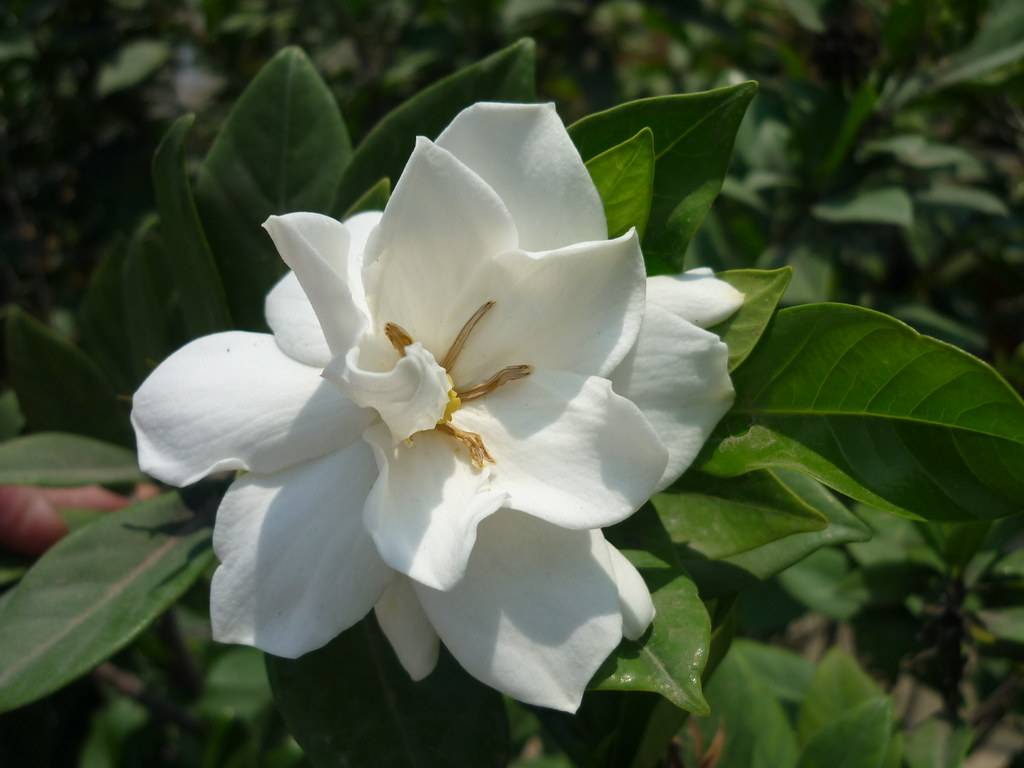
Gardenia
Gardenia jasminoides
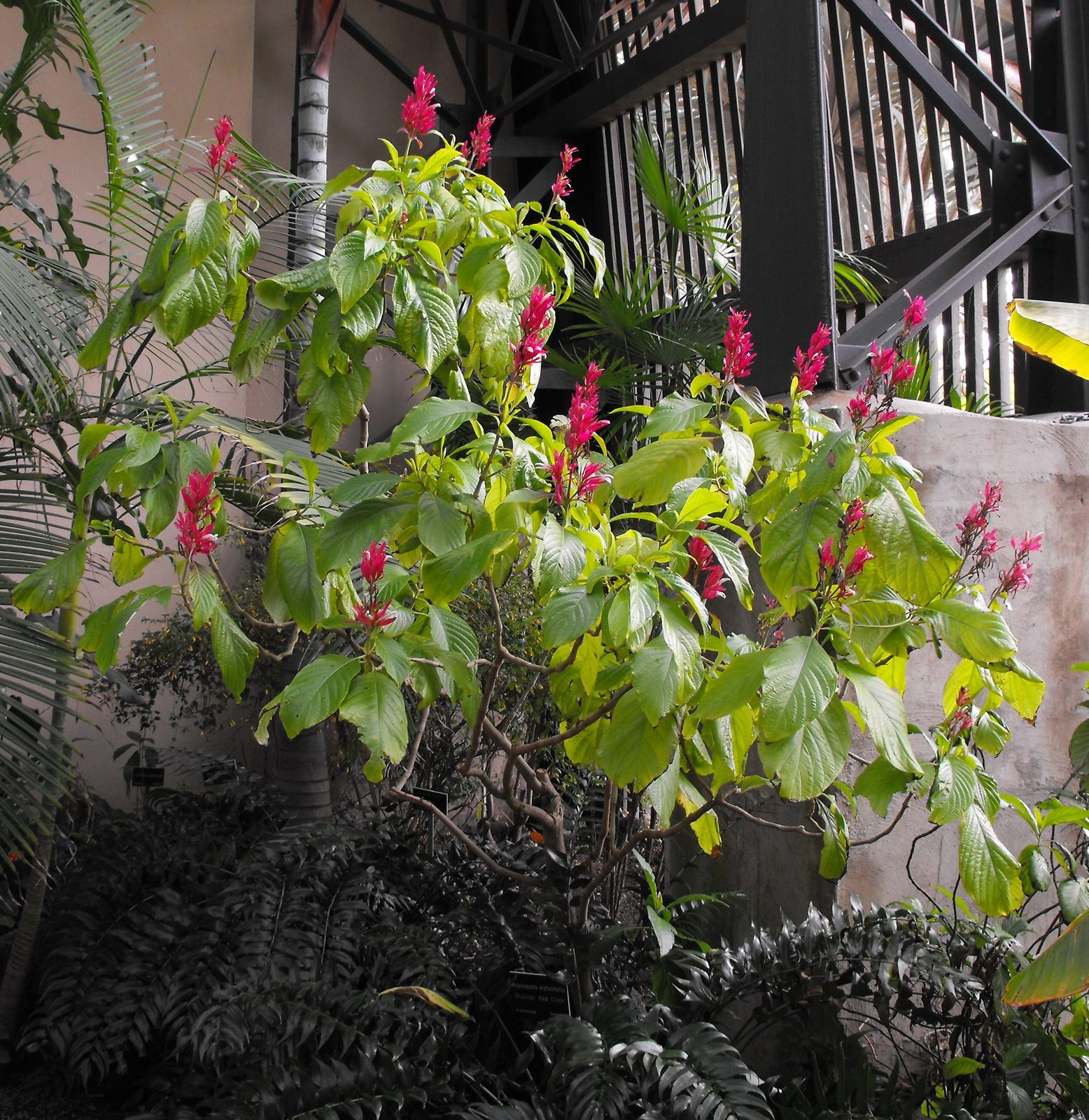
Brazilian Red Cloak
Megaskepasma erythrochlamys
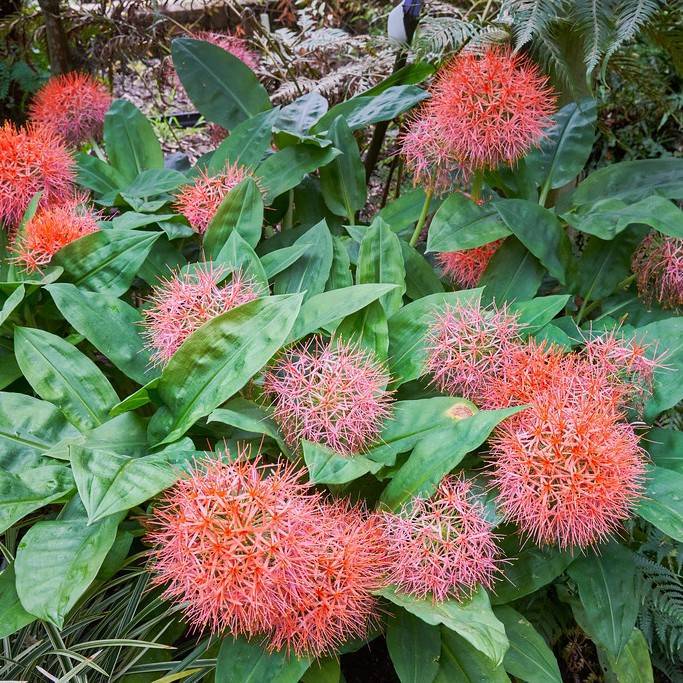
African Blood Lily
Scadoxus multiflorus