Indian Plum
Oemleria cerasiformis
Overview
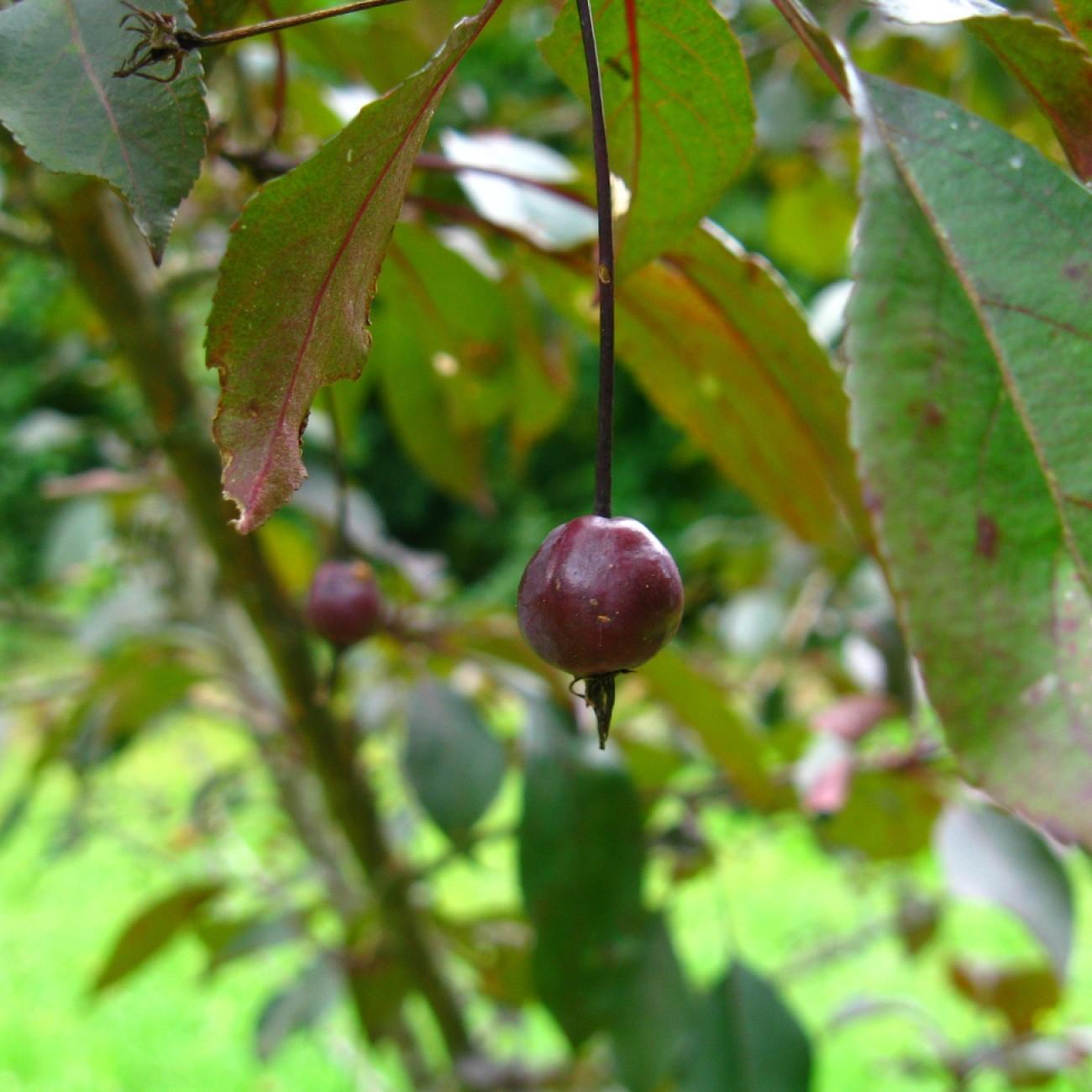
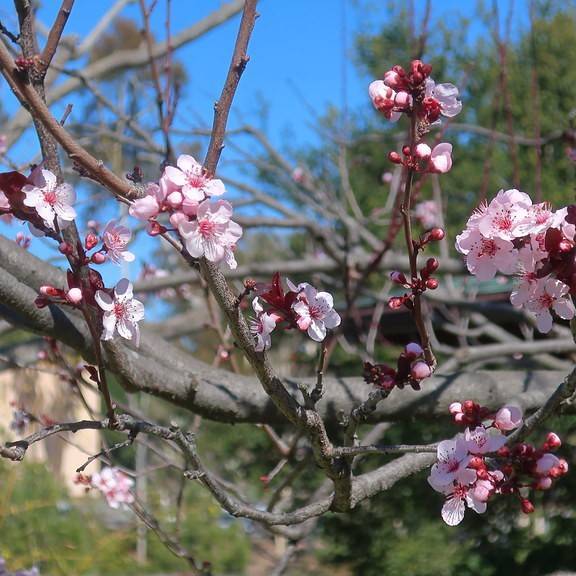
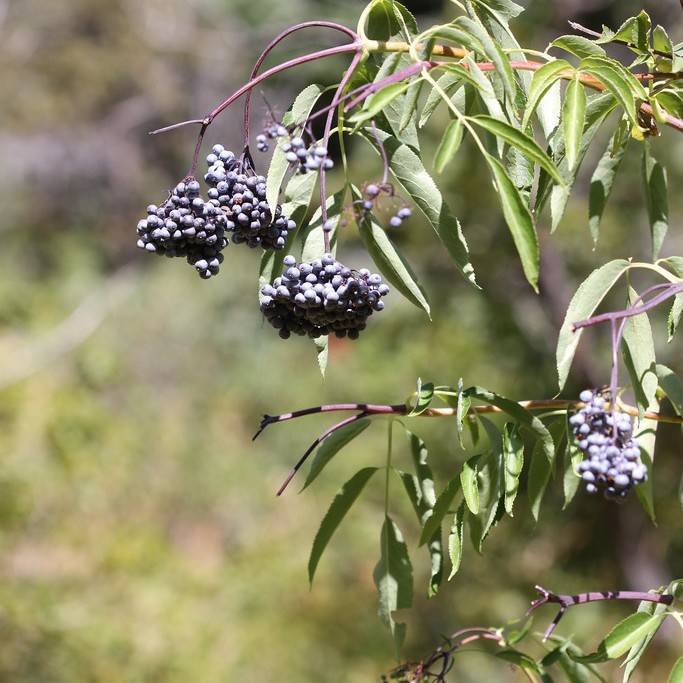
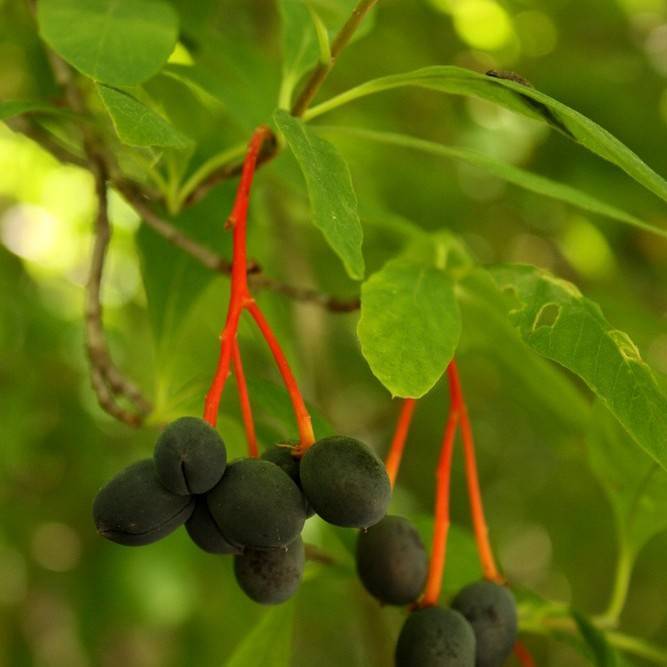
Indian plum is one of the first native shrubs to leaf out and bloom in its native range, bearing drooping clusters of small, white, almond-scented flowers in late winter to early spring before leaves emerge. Female plants produce round, yellow to dark purple drupes that ripen in early summer, with a flavor ranging from bitter to sweet when fully ripe. It forms a multi-stemmed, spreading habit, often growing in open woodlands, stream banks, and disturbed sites across its native range.
Care Guide
Watering
Indian plum is drought-tolerant once established, requiring regular deep watering during its first 1-2 growing seasons to develop a strong root system. Mature plants only need supplemental water during prolonged dry periods, as overwatering can lead to root rot in poorly drained sites. Avoid soggy soil around the root zone, especially during winter dormancy.
Light
This adaptable shrub thrives in full sun to partial shade, producing the most abundant blooms and fruit in locations with at least 6 hours of direct sunlight daily. It tolerates full shade, though flowering and fruiting will be significantly reduced, and growth may become more leggy as the plant stretches toward light.
Soil
Indian plum prefers well-drained, loamy soil with a slightly acidic to neutral pH between 5.5 and 7.0, but it adapts readily to a wide range of soil types including sandy, clay, and rocky soils. It can tolerate occasional seasonal flooding but will not perform well in permanently waterlogged conditions. Amending heavy clay soil with organic matter at planting time improves drainage and supports healthier early growth.
Fertilizer
Indian plum has low nutrient needs and typically thrives without regular fertilization when grown in its native range. An annual application of balanced, slow-release organic fertilizer in early spring can boost growth for young plants or specimens growing in poor, nutrient-depleted soil. Avoid high-nitrogen fertilizers, as they can promote excessive leafy growth at the expense of flower and fruit production.
Temperature
It is hardy to USDA zones 5 through 9, tolerating winter temperatures as low as -20°F (-29°C) without significant damage. It requires a period of winter chill to break dormancy and produce blooms, making it poorly suited to tropical or very mild winter climates. Young plants may benefit from a layer of mulch around the root zone to insulate roots during extreme cold snaps in their first few years.
Pruning
Prune Indian plum immediately after flowering ends to avoid removing next year’s flower buds, which form on old wood. Remove dead, damaged, or crossing branches to improve air circulation and maintain a desired shape, and thin out older stems every 3-4 years to encourage new, productive growth. You can cut back overgrown specimens heavily to within 2-3 feet of the ground for rejuvenation, as the plant resprouts readily from the root crown.
Propagation
Indian plum is most commonly propagated from seed, which requires 3-4 months of cold stratification to break dormancy before sowing in spring. It can also be propagated from softwood cuttings taken in early summer, treated with rooting hormone, and kept in high humidity until roots develop in 6-8 weeks. Suckers that form around the base of mature plants can be dug up and transplanted in late winter while the plant is dormant for an easy, faster propagation method.
Humidity
This shrub tolerates a wide range of humidity levels, thriving in the moderate to high humidity of its native Pacific Northwest habitat and adapting well to drier inland conditions once established. It has no specific humidity requirements when grown in appropriate climate zones, though very low humidity combined with extreme heat may cause leaf scorch if the plant is not watered adequately. No extra humidity measures are needed for outdoor-grown specimens.
Repotting
Indian plum is almost exclusively grown outdoors in landscape settings, so repotting is rarely necessary. If growing in a large container for a short period, repot every 2-3 years in early spring before new growth emerges, using a well-drained potting mix amended with organic matter. Ensure the container has ample drainage holes to prevent waterlogging, and move container-grown plants to a sheltered location during extreme winter cold to protect root systems from freeze damage.
Uses & Symbolism
Indian plum is widely planted in native landscapes, restoration projects, and wildlife gardens to support pollinators early in the season and provide food for birds, squirrels, and other small mammals. The ripe fruits are edible raw when fully dark purple, or cooked into jams, jellies, and pies to mellow their subtle astringency, and have been a traditional food source for Indigenous peoples of the Pacific Northwest. Its early spring blooms and attractive fall foliage (yellow to orange-red) also make it a popular low-maintenance ornamental shrub for informal hedges and woodland borders.
Diseases & Pests
Indian plum is relatively pest and disease resistant, with few serious issues in its native range. It may occasionally be affected by powdery mildew in humid, poorly ventilated conditions, and aphids can cluster on new growth in spring, though these rarely cause significant long-term damage. Root rot can occur in poorly drained, waterlogged soil, so proper site selection with good drainage is critical to avoid this issue.
Related plants
Other plants you might like if you grow Indian Plum.