Chokecherry
Prunus virginiana
Overview
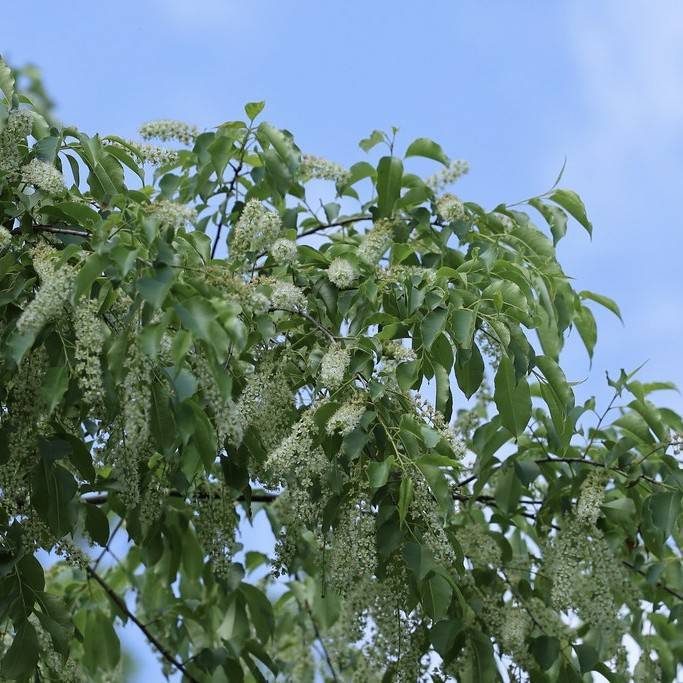
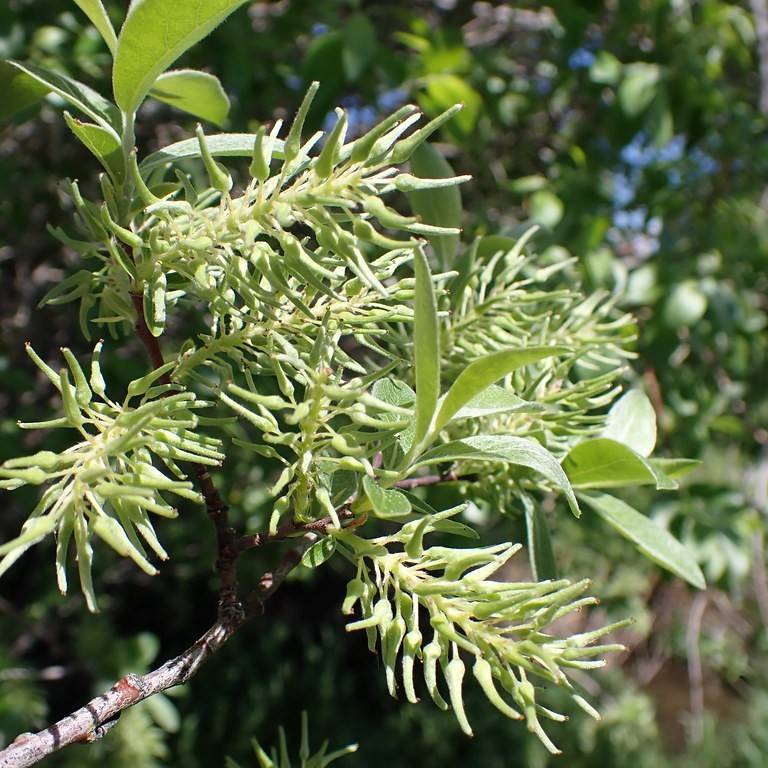
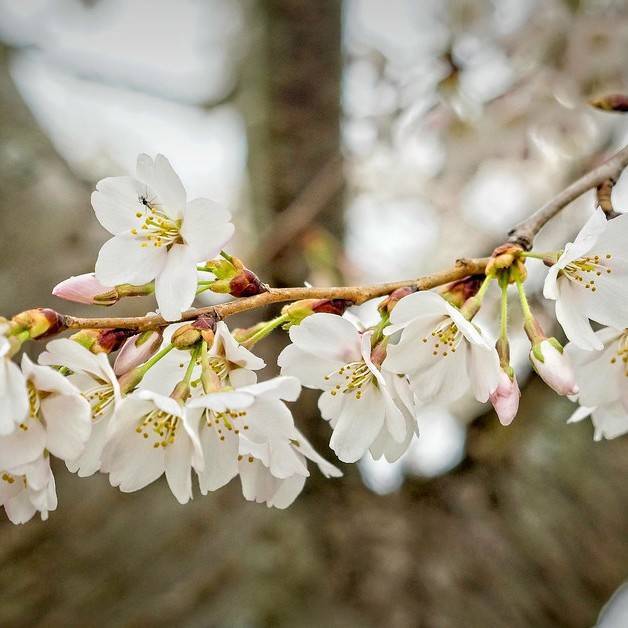
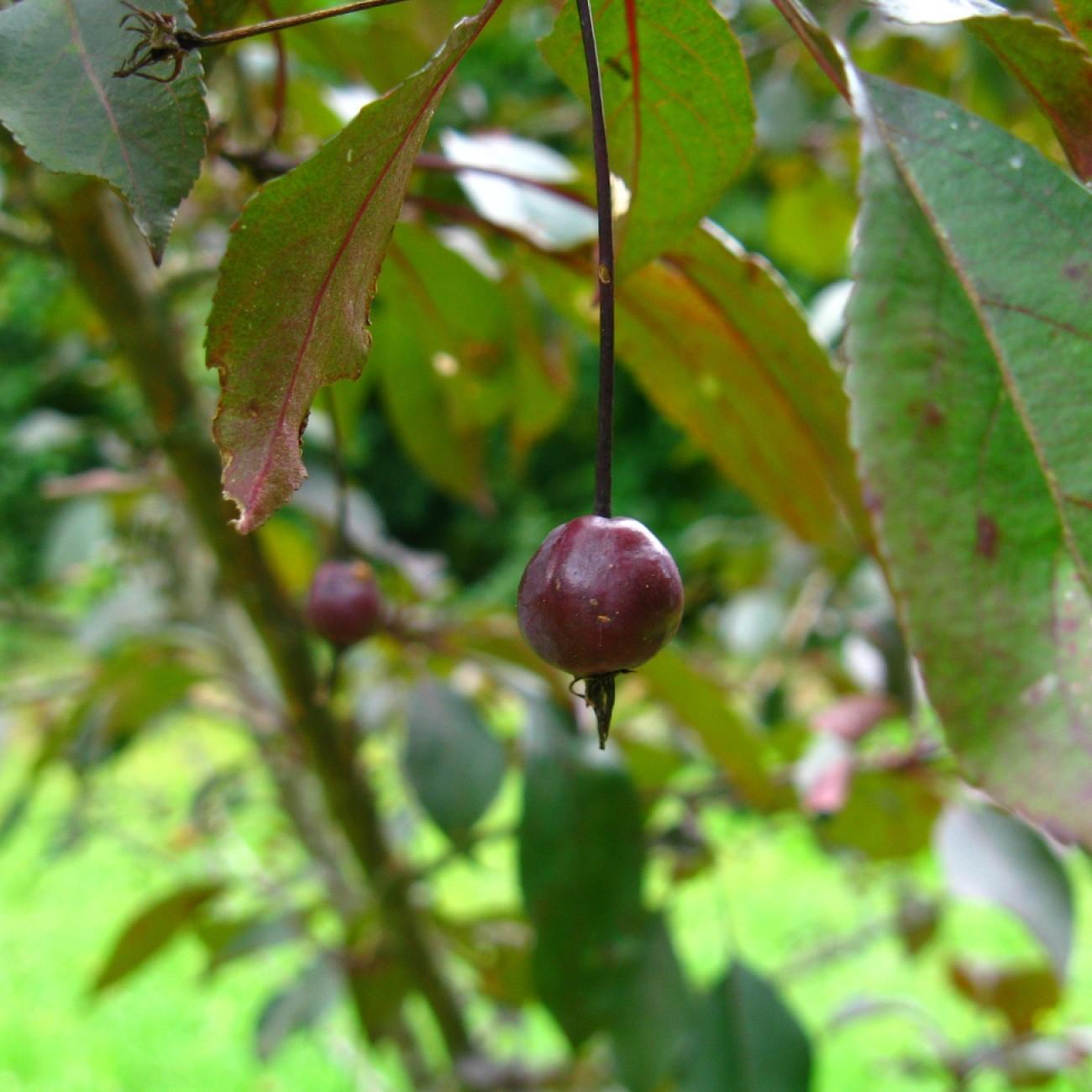
Chokecherry is a hardy, fast-growing woody plant that thrives in a wide range of temperate North American habitats, from woodland edges to riparian zones and disturbed areas. It produces dangling racemes of fragrant white spring flowers that mature into clusters of small, astringent dark purple or black berries in late summer. An ecologically valuable species, it provides food for birds, pollinator support, and erosion control, while its fruit is a traditional staple for many Indigenous communities.
Care Guide
Watering
Chokecherry is drought-tolerant once established, requiring regular deep watering only during extended dry periods in its first 2-3 years of growth to support root development. Avoid overwatering or planting in waterlogged sites, as excess moisture can lead to root rot and fungal diseases. Mature plants may only need supplemental watering during prolonged, severe droughts.
Light
This species grows best in full sun, receiving at least 6 hours of direct sunlight daily, which encourages maximum flower and fruit production. It can tolerate partial shade, though growth will be more sparse, flowering will be reduced, and fruit yields will be significantly lower. Avoid planting in heavily shaded areas, as this can increase susceptibility to fungal diseases and pest infestations.
Soil
Chokecherry adapts to nearly all well-drained soil types, including sandy, loam, clay, and alkaline or acidic soils with a pH range of 5.0 to 8.0. It prefers moderately fertile, loamy soil with good drainage, but will tolerate poor, rocky, or disturbed soils that many other woody species cannot thrive in. Heavy clay soils should be amended with organic matter at planting to improve drainage and prevent root saturation.
Fertilizer
Mature chokecherry plants rarely require fertilizer, as they can extract necessary nutrients from most soil types naturally. Young plants can benefit from a light application of balanced, slow-release 10-10-10 fertilizer in early spring, before new growth emerges, to support healthy establishment. Avoid over-fertilizing, as this can encourage excessive, weak foliage growth that is more susceptible to pest damage and winter injury.
Temperature
Chokecherry is extremely cold-hardy, thriving in USDA hardiness zones 2 through 7, and tolerating winter temperatures as low as -50°F (-45°C). It prefers temperate climates with distinct seasons, requiring a period of cold winter dormancy to produce flowers and fruit the following growing season. It does not perform well in hot, humid subtropical climates, where high heat and moisture increase disease risk and reduce fruiting.
Pruning
Prune chokecherry in late winter, while the plant is dormant, to remove dead, diseased, or crossing branches and maintain a desired shape or size. Thin out dense inner growth to improve air circulation, which reduces the risk of fungal infections like powdery mildew and black knot. Remove any root suckers regularly if you wish to prevent the plant from spreading and forming dense colonial thickets.
Propagation
Chokecherry is most easily propagated from seeds, which require 3-4 months of cold stratification in moist, refrigerated conditions to break dormancy before sowing in spring. It can also be propagated from softwood cuttings taken in early summer, treated with rooting hormone, and kept in consistently moist, well-drained medium until roots form. Root suckers can be dug up and transplanted in late winter or early spring for a fast, genetically identical new plant.
Humidity
Chokecherry tolerates a wide range of humidity levels, from dry continental climates to moderately humid temperate regions, as long as there is adequate air circulation around the foliage. High, prolonged humidity combined with poor air flow increases the risk of fungal leaf spot and powdery mildew, so avoid planting in enclosed, stagnant sites. It does not require supplemental humidity, and will struggle in constantly saturated, high-humidity tropical conditions.
Repotting
Chokecherry is rarely grown in containers long-term, as it develops a deep, extensive root system that quickly outgrows even large pots. If grown temporarily in a container for transplant, repot young plants annually in early spring before new growth emerges, using a well-drained potting mix and a pot 2-3 inches larger than the previous one. Transplant container-grown specimens to a permanent outdoor location as soon as they reach 2-3 feet tall to avoid root binding and stunted growth.
Uses & Symbolism
Fully ripe chokecherry fruit is cooked and used to make jams, jellies, syrups, pies, and traditional Indigenous beverages, as cooking neutralizes trace cyanide compounds and reduces the fruit’s extreme astringency. The dense, strong wood is used for small woodworking projects, arrow shafts, and fuel, while the bark and roots have traditional medicinal uses for some Indigenous groups when prepared carefully. Ecologically, it is planted for erosion control, wildlife habitat, and pollinator gardens, supporting native bees, butterflies, and dozens of bird species that feed on its berries.
Diseases & Pests
Chokecherry is highly susceptible to black knot, a fungal disease that causes swollen, black galls on branches and twigs, which can kill affected growth if left untreated by pruning out infected material. It is also prone to powdery mildew, leaf spot, and rust, particularly in humid, poorly ventilated growing conditions. Common pests include aphids, tent caterpillars, pear slugs, and borers, which can defoliate plants or damage wood if infestations are severe.
Related plants
Other plants you might like if you grow Chokecherry.