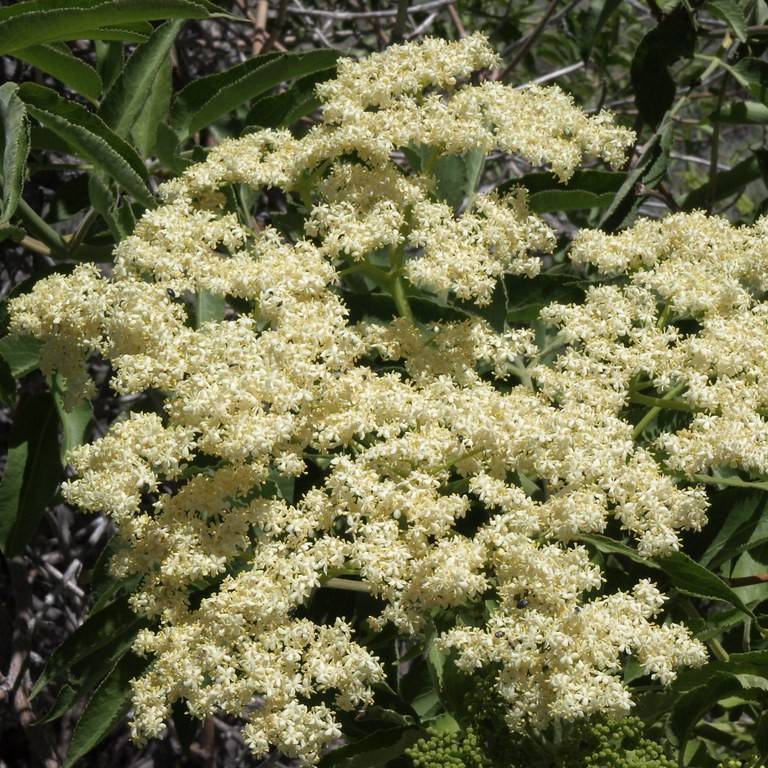
Blue Elder
Sambucus cerulea
Overview
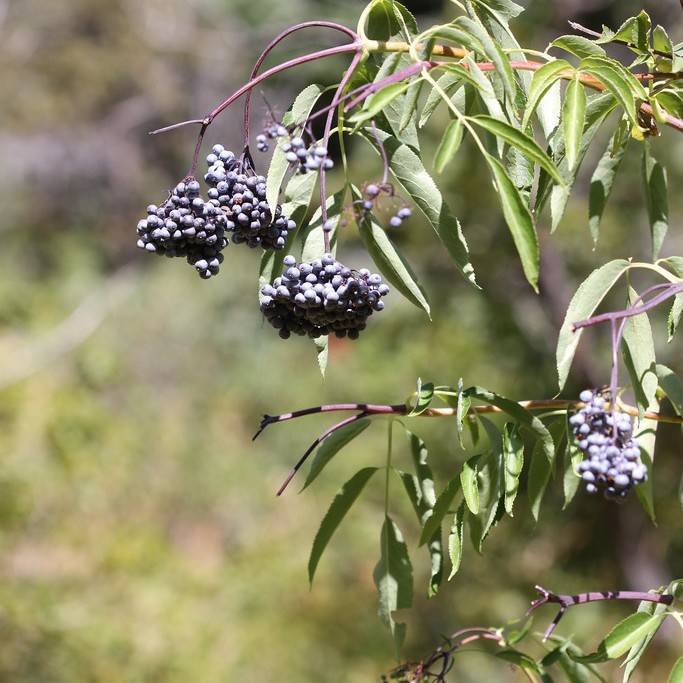
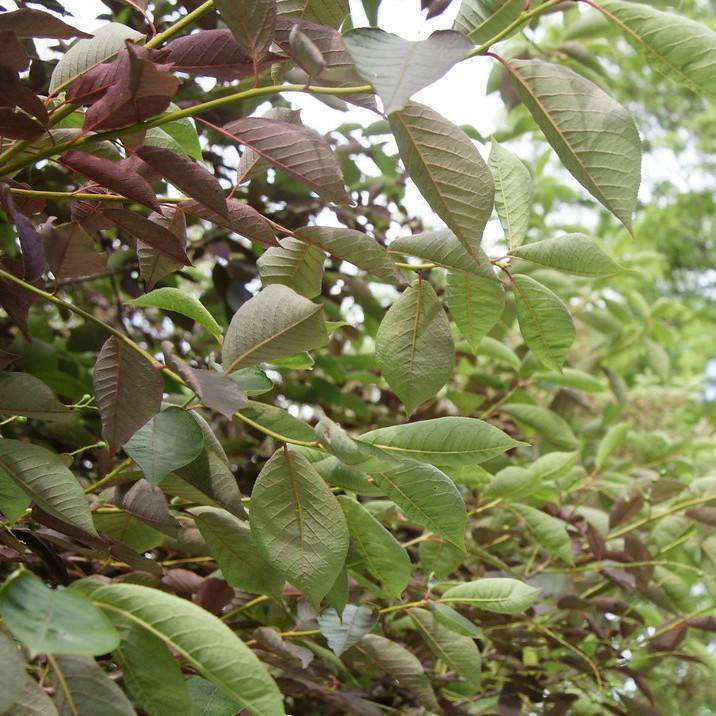
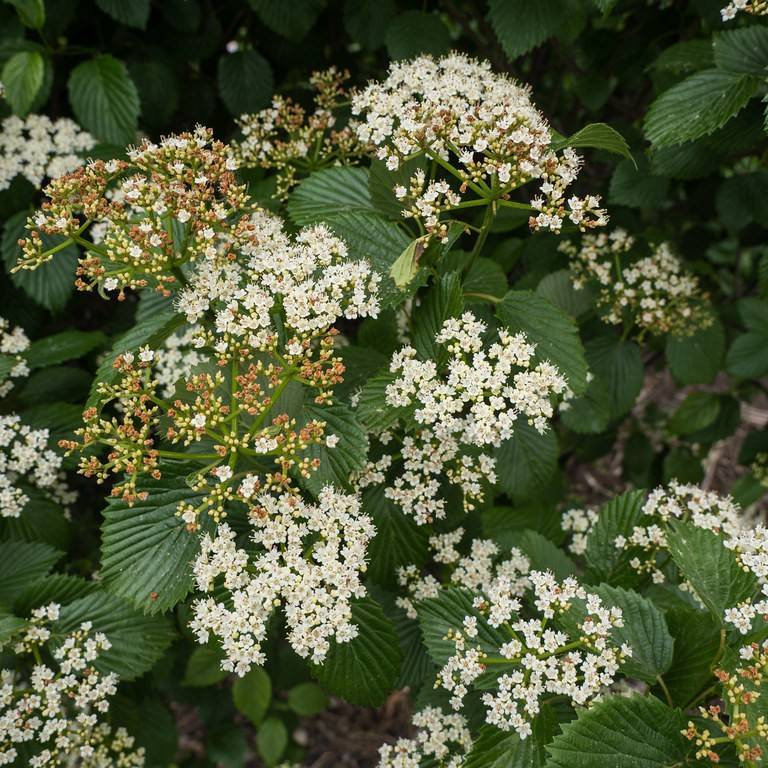
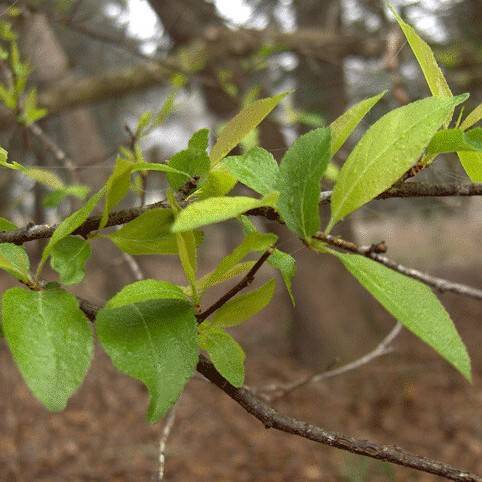
Blue elder, also called blue elderberry, is a hardy deciduous shrub or small tree native to riparian zones, open woodlands, and disturbed areas across western North America. It produces large, flat clusters of creamy white, sweetly scented flowers in late spring, followed by powdery blue, berry-like drupes that ripen in late summer to early fall. The plant has a multi-stemmed, spreading growth habit and compound, pinnate leaves with serrated edges, making it a popular choice for native landscaping and habitat restoration projects.
Care Guide
Watering
Blue elder is drought-tolerant once established, but prefers regular, deep watering during its first 2-3 growing seasons to support root development. Reduce watering frequency in mature plants, providing extra moisture only during extended periods of extreme heat or drought to prevent leaf drop. Avoid overwatering or planting in waterlogged sites, as this can lead to root rot.
Light
This species thrives in full sun, which encourages the most abundant flower and fruit production. It can tolerate partial shade, though growth may become leggy and berry yields will be reduced in low-light conditions. Plant in a location that receives at least 6 hours of direct sunlight daily for best performance.
Soil
Blue elder adapts to a wide range of soil types, including sandy, loam, clay, and even moderately alkaline soils, as long as the site has good drainage. It prefers a soil pH between 5.5 and 8.0, and will tolerate poor, nutrient-deficient soils that many other shrubs cannot. Adding a layer of organic mulch around the base annually helps retain soil moisture and suppress weeds.
Fertilizer
Blue elder generally requires minimal fertilization, as it is adapted to low-nutrient native soils. If growth is stunted or leaves appear pale, apply a balanced, slow-release 10-10-10 fertilizer in early spring before new growth emerges. Avoid over-fertilizing, as this can promote excessive leafy growth at the expense of flower and fruit production.
Temperature
This hardy shrub grows best in USDA hardiness zones 4 through 9, tolerating winter temperatures as low as -30°F (-34°C). It is well-adapted to the wide temperature fluctuations common in its native western North American range, handling both hot summer highs above 100°F (38°C) and cold winter frosts. New spring growth may be damaged by late frosts, but the plant will typically regrow quickly from undamaged stems.
Pruning
Prune blue elder in late winter or early spring while the plant is dormant to maintain its shape, remove dead or damaged branches, and encourage vigorous new growth that produces the most fruit. Older plants can be rejuvenated by cutting back one-third of the oldest stems to the ground each year, as the most productive fruiting wood is 2-3 years old. Remove any suckers growing from the base of the plant if you wish to contain its spread, as it will readily colonize adjacent areas if left unmanaged.
Propagation
Blue elder is most commonly propagated from semi-hardwood cuttings taken in mid to late summer, which root readily when placed in moist, well-draining growing medium under indirect light. It can also be grown from seed, though seeds require 3-4 months of cold stratification to break dormancy and germination rates are often low. Suckers that emerge from the root system of mature plants can be dug up and transplanted in early spring for an easy, fast way to propagate new specimens.
Humidity
Blue elder tolerates a wide range of humidity levels, thriving in the dry climates of the western United States as well as more humid regions of the Pacific Northwest. It does not require supplemental humidity when grown outdoors, though very low humidity combined with extreme heat may cause leaf edges to brown temporarily. When grown as a young potted specimen, average indoor humidity levels of 30-50% are sufficient for healthy growth.
Repotting
Blue elder is rarely grown as a long-term potted plant, as its large size and extensive root system make it better suited to outdoor landscape planting. If grown in a container for the first 1-2 years before transplanting, repot annually in early spring into a container 2-3 inches larger than the current one, using a well-draining general-purpose potting mix. Once the plant reaches 3-4 feet tall, transplant it to a permanent outdoor location for best long-term health.
Uses & Symbolism
Fully ripe, cooked blue elder berries are used to make jams, jellies, pies, syrups, and fermented beverages including wine and cordials, as cooking breaks down the toxic cyanogenic glycosides present in raw fruit. The plant is widely planted in native gardens and habitat restoration projects to support pollinators, including bees and butterflies, as well as birds that feed on the ripe berries. Historically, Indigenous peoples of western North America used the stems to make flutes, pipes, and baskets, and used prepared bark and roots for a variety of medicinal purposes.
Diseases & Pests
Blue elder is relatively resistant to most pests and diseases, though it may occasionally be affected by aphids, spider mites, and elderberry borer beetles, which can be controlled with insecticidal soap or targeted pruning of infested branches. Fungal diseases including powdery mildew, leaf spot, and root rot may occur in overly wet, poorly drained conditions or if the plant is grown in areas with poor air circulation. It is also occasionally susceptible to tomato spotted wilt virus, which causes yellowing and wilting of leaves and can be prevented by controlling thrips populations that spread the pathogen.
Related plants
Other plants you might like if you grow Blue Elder.