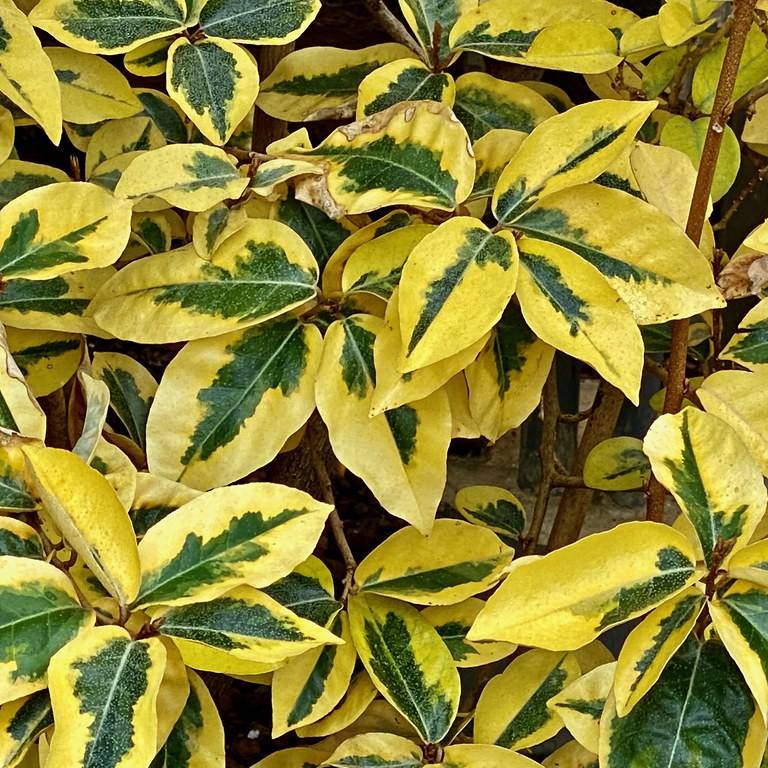
Elaeagnus
Elaeagnus spp.
Overview
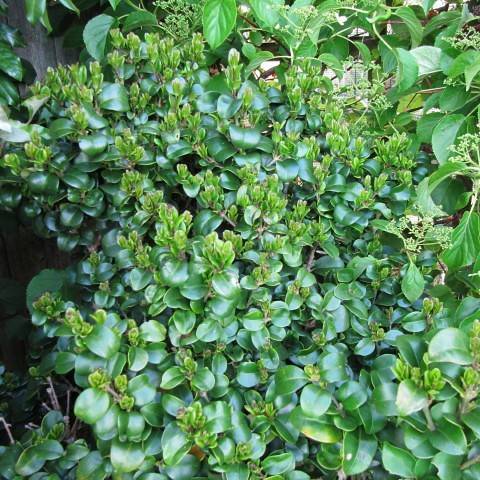
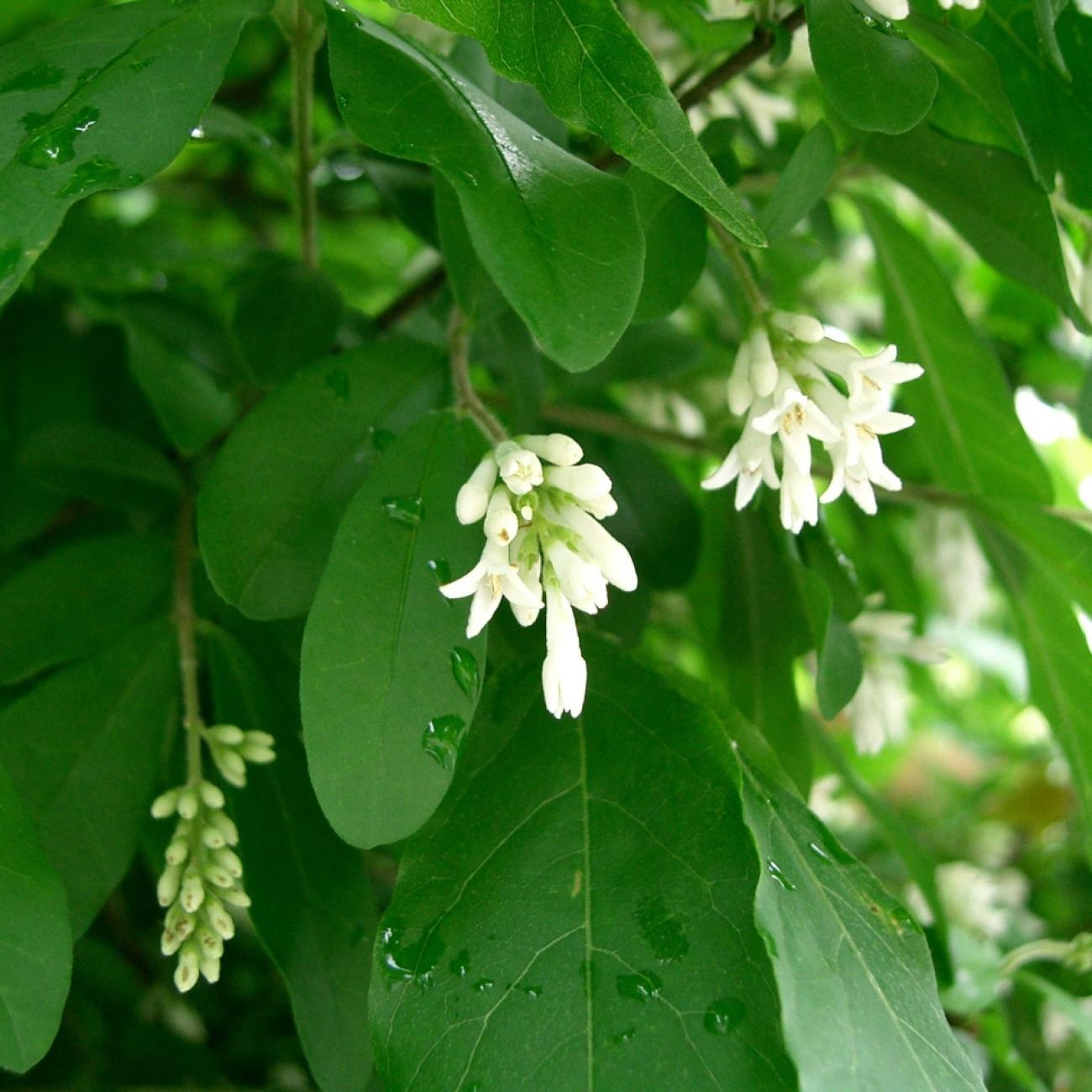
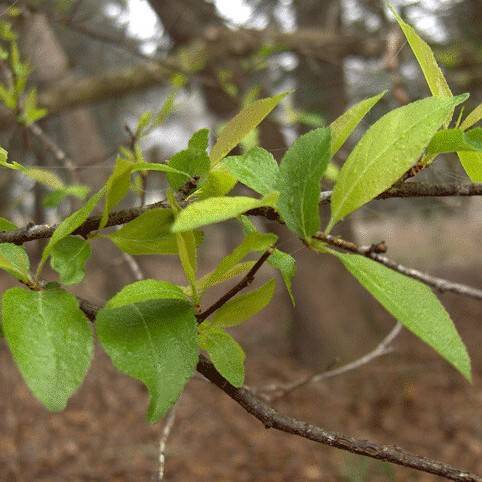
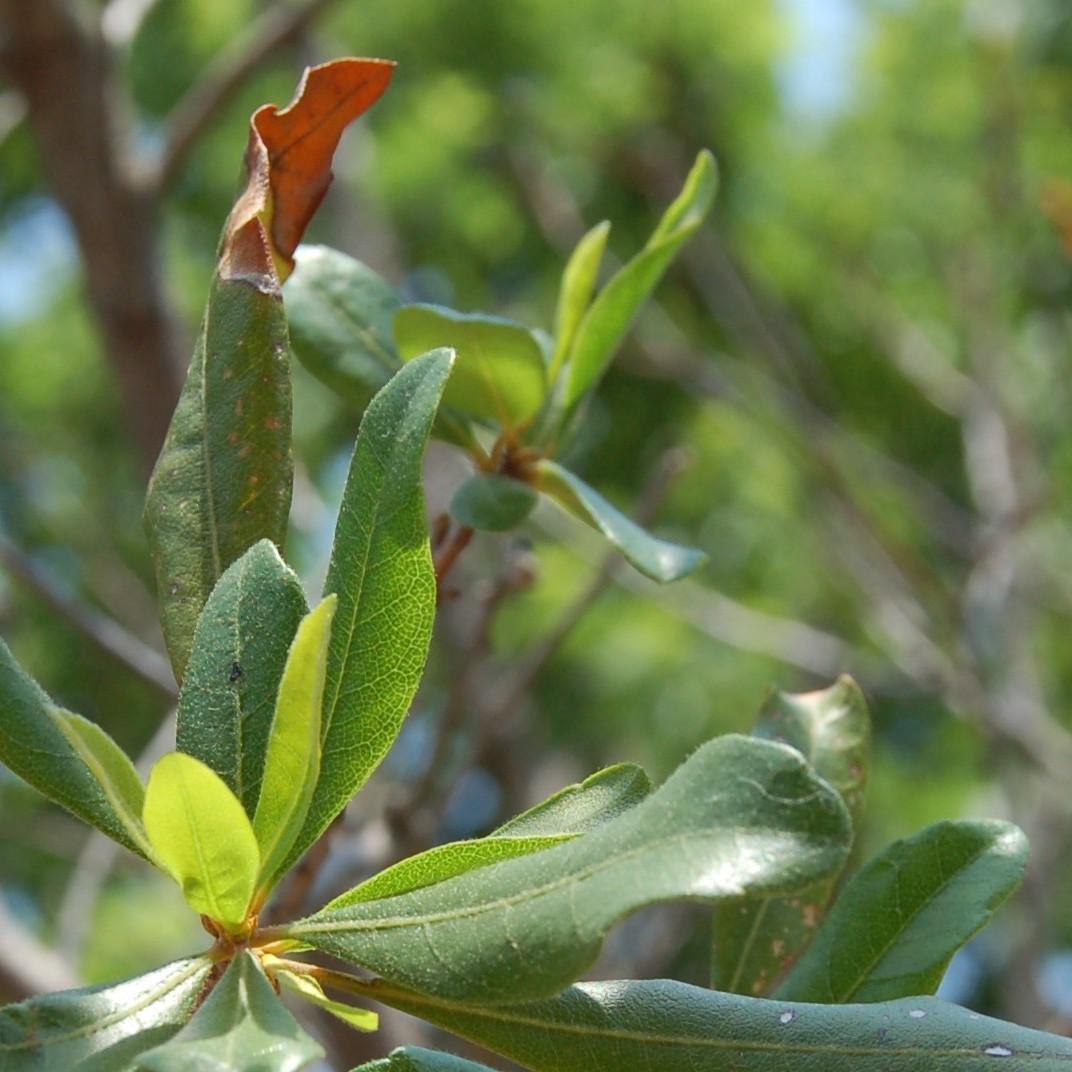
Elaeagnus, also called silverberry or oleaster, is a diverse genus of deciduous and evergreen woody plants distinguished by their scaly, silvery or coppery foliage that lends a soft, reflective quality to landscapes. Many species produce small, intensely fragrant pale yellow or white flowers in fall or spring, followed by tart, nutrient-dense berries enjoyed by wildlife and humans alike. Their ability to fix atmospheric nitrogen makes them adaptable to low-fertility soils, and they are often planted for erosion control, hedging, or as ornamental specimens.
Care Guide
Watering
Elaeagnus is highly drought-tolerant once established, requiring only occasional deep watering during prolonged dry spells; overwatering, especially in poorly drained soil, can cause root rot. Newly planted specimens need regular, consistent moisture for the first 1-2 growing seasons to develop a robust root system, after which they require minimal supplemental irrigation.
Light
This genus thrives in full sun, which encourages dense foliage growth, abundant flowering, and maximum berry production. It can tolerate partial shade, though growth may become sparser and flowering may be reduced in low-light conditions.
Soil
Elaeagnus adapts to a wide range of soil types, including sandy, loamy, clay, and even saline or alkaline soils that are unsuitable for most other ornamental plants. It prefers well-drained soil with a pH between 5.5 and 8.0, and its nitrogen-fixing root nodules allow it to thrive in low-fertility, poor-quality substrates.
Fertilizer
Mature elaeagnus plants rarely require fertilization, as they produce their own nitrogen to support growth. Young specimens can benefit from a light application of balanced, slow-release fertilizer in early spring to support establishment, though excess nitrogen can lead to weak, leggy growth.
Temperature
Most elaeagnus species are cold-hardy in USDA zones 4-9, tolerating winter temperatures as low as -30°F (-34°C) for deciduous varieties and 10°F (-12°C) for evergreen types. They tolerate high heat and humidity well, making them suitable for a wide range of temperate and subtropical climates.
Pruning
Prune elaeagnus in late winter or early spring before new growth emerges to shape the plant, remove dead or damaged branches, and maintain desired size, especially for hedges. Evergreen varieties can also be lightly sheared after flowering to encourage dense, bushy growth; avoid heavy pruning of old wood, as the plant may be slow to regenerate from bare stems.
Propagation
Elaeagnus is most commonly propagated from semi-hardwood cuttings taken in late summer, which root readily when treated with rooting hormone and kept in moist, well-drained medium under indirect light. It can also be grown from seed, though seeds require 3-4 months of cold stratification to germinate, and cultivars may not grow true to type from seed.
Humidity
Elaeagnus tolerates a wide range of humidity levels, from arid continental climates to humid coastal regions, with no specific humidity requirements. Good air circulation around the plant helps prevent foliar fungal diseases in areas with high consistent humidity.
Repotting
Potted elaeagnus specimens should be repotted every 2-3 years in early spring, moving to a container one size larger with fresh, well-drained potting mix. Mature plants can be root-pruned and returned to the same container to limit size, though they generally perform best when planted directly in the ground.
Uses & Symbolism
Elaeagnus is widely planted as an ornamental hedge, screen, or landscape specimen, valued for its year-round foliage interest, fragrant flowers, and tolerance of challenging growing conditions. The tart, vitamin C-rich berries of many species are edible fresh, cooked into jams and jellies, or used in traditional medicine, while the plant’s nitrogen-fixing ability and deep root system make it ideal for erosion control and reclamation of degraded soils.
Diseases & Pests
Elaeagnus is largely pest and disease resistant, though it can occasionally suffer from fungal leaf spots, rust, or powdery mildew in overly wet, poorly ventilated conditions. Aphids, spider mites, and scale insects may infest stressed plants, though these can be controlled with horticultural oil or insecticidal soap if populations become problematic.
Guides that mention Elaeagnus
Related plants
Other plants you might like if you grow Elaeagnus.