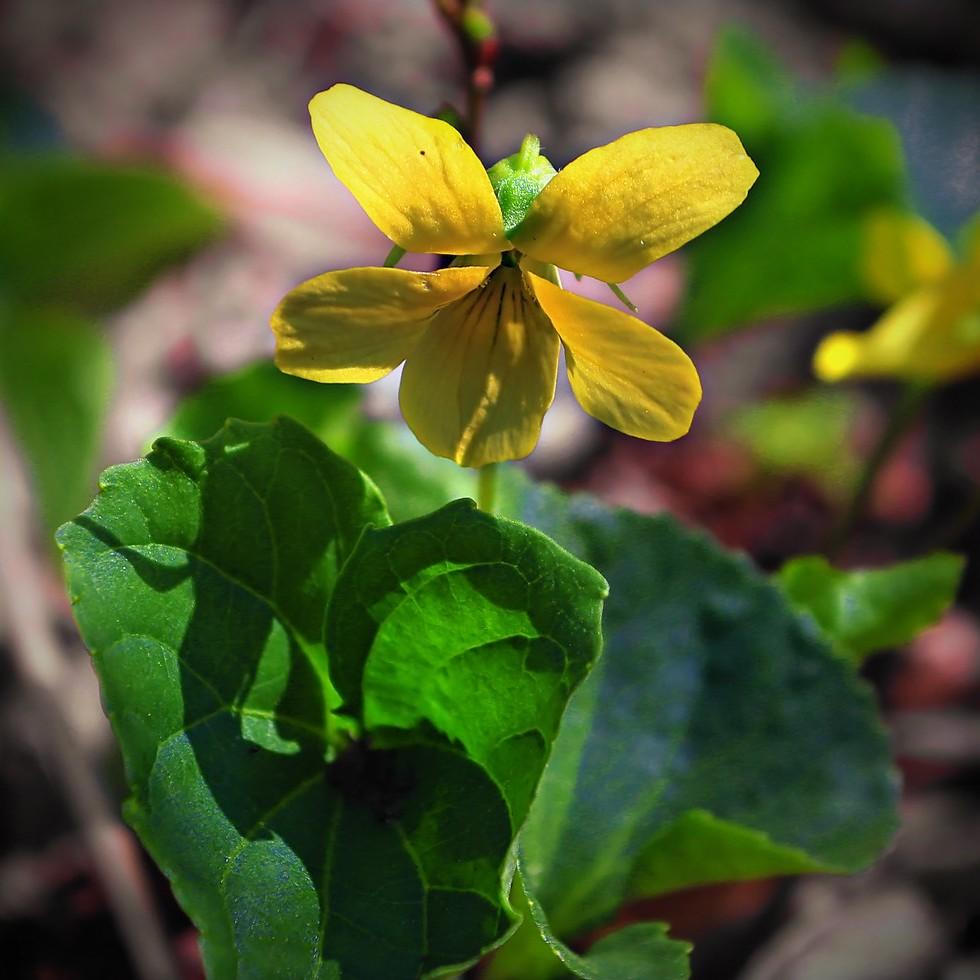
Eastern Round Leaved Violet
Viola rotundifolia
Overview
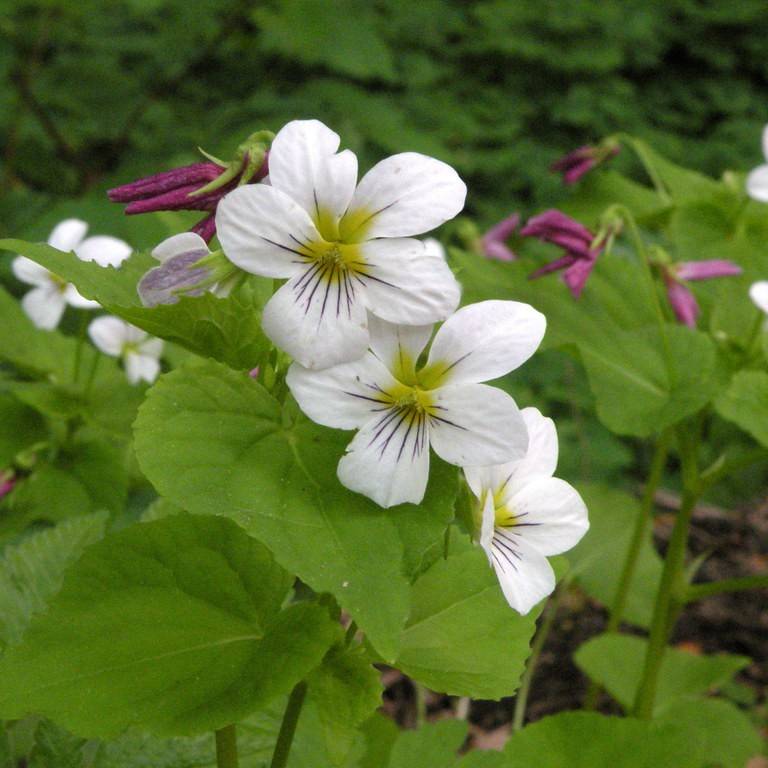
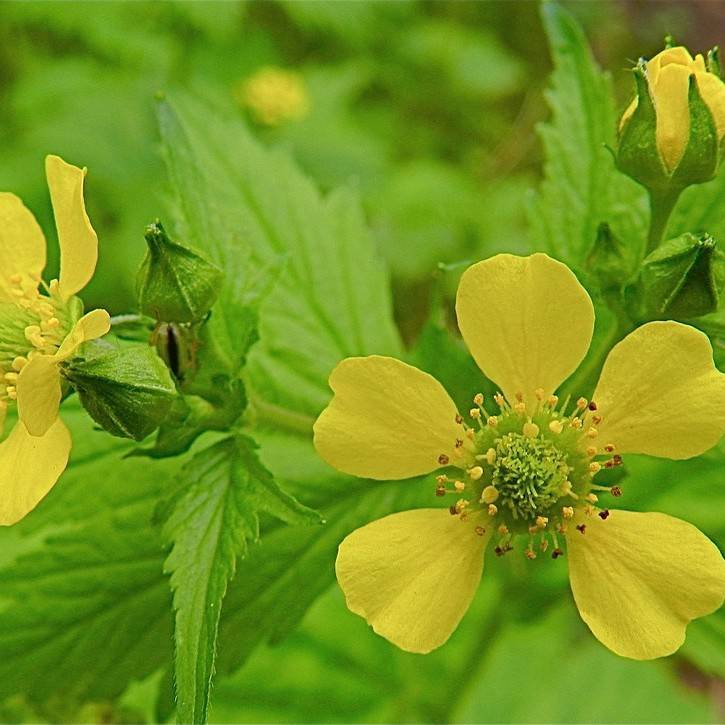
Eastern Round Leaved Violet is a petite, stemless wildflower that thrives in the dappled understory of moist deciduous forests, emerging early in spring before tree canopies fully leaf out. Its bright, five-petaled yellow flowers, often marked with subtle brown veins near the center, sit atop short, slender stalks that rise just above its mat of glossy, rounded foliage. It spreads slowly via shallow rhizomes to form low, non-invasive groundcover that blends seamlessly with other native woodland species.
Care Guide
Watering
Keep soil consistently moist but not waterlogged, mimicking the damp, well-drained conditions of its native woodland habitat; avoid letting the root zone dry out completely, especially during warm summer months. Reduce watering frequency slightly in late fall and winter when the plant goes dormant, only providing moisture if the top 1 inch of soil becomes extremely dry.
Light
Prefers partial to full shade, ideally receiving dappled morning sun and full afternoon shade to replicate the understory light conditions of its native deciduous forest range. Direct midday or afternoon sun can scorch its delicate leaves, so avoid placing it in unfiltered bright light for extended periods.
Soil
Thrives in rich, loamy, slightly acidic soil with a pH between 5.0 and 6.5, amended with plenty of organic matter such as leaf mold, compost, or well-rotted hardwood bark to boost nutrient content and drainage. Heavy clay soils should be amended with coarse sand and organic matter to improve drainage and prevent root rot, while overly sandy soils need additional organic material to retain moisture.
Fertilizer
Fertilize lightly once in early spring just as new growth emerges, using a balanced, slow-release organic fertilizer diluted to half the recommended strength to avoid overfeeding this low-nutrient adapted species. Avoid synthetic high-nitrogen fertilizers, as these can promote excessive foliage growth at the expense of flowering and damage the plant’s delicate root system. No additional fertilization is needed for the remainder of the growing season if the soil is already rich in organic matter.
Temperature
Adaptable to USDA hardiness zones 3 through 8, tolerating winter temperatures as low as -40°F (-40°C) when dormant, and thriving in summer temperatures between 60°F and 75°F (15°C to 24°C). Extended periods of temperatures above 85°F (29°C) can cause foliage to die back prematurely, so provide extra shade and moisture during heatwaves to protect the plant.
Pruning
Remove spent flower stalks after blooming ends if desired to maintain a tidy appearance, though leaving spent flowers intact allows the plant to self-seed and spread naturally in suitable growing conditions. Trim back any yellowed or damaged foliage in late fall after the plant goes dormant, or in early spring before new growth emerges to make way for fresh leaves. No regular heavy pruning is required, as this slow-growing species maintains a compact, low habit naturally.
Propagation
Most easily propagated by division in early fall or early spring, when the plant is either entering or exiting dormancy; carefully dig up clumps and separate rhizome sections, ensuring each division has at least one healthy growing point and a portion of the root system, then replant immediately at the same depth as the original plant. Can also be grown from fresh seed sown directly outdoors in fall, as the seeds require a 60 to 90 day period of cold stratification to germinate; stored seeds should be refrigerated in moist peat moss for 3 months before sowing in spring.
Humidity
Prefers moderate to high humidity levels between 40% and 60%, typical of its native woodland environment, and will struggle in very dry, arid conditions that cause leaf edges to brown and curl. If grown indoors as a potted specimen, increase ambient humidity by placing the pot on a tray filled with pebbles and water, or grouping it with other moisture-loving plants, avoiding placement near heating or cooling vents that produce dry air.
Repotting
Potted specimens only need repotting every 2 to 3 years, or when rhizomes begin to grow out of the drainage holes or the soil becomes depleted of nutrients, ideally doing so in early spring before new growth starts. Use a shallow pot with multiple drainage holes, as this species has a shallow root system, and fill it with a rich, loamy potting mix amended with leaf mold and perlite for drainage. Avoid planting too deeply, as burying the crown of the plant can lead to rot, and water thoroughly immediately after repotting to settle the soil around the roots.
Uses & Symbolism
Eastern Round Leaved Violet is widely used in native woodland gardens, shade rock gardens, and pollinator habitat plantings, providing early spring nectar for native bees, butterflies, and other beneficial insects. Its low, spreading habit makes it an excellent non-invasive groundcover for shaded, moist areas where turf grass struggles to grow, and it pairs well with other native spring ephemerals such as trilliums, bloodroot, and Dutchman’s breeches. Historically, some Indigenous North American communities used parts of the plant topically for minor skin irritations, though it is not commonly used for medicinal purposes today.
Diseases & Pests
Eastern Round Leaved Violet is relatively pest and disease resistant when grown in its preferred conditions, but overwatering or poor drainage can lead to root rot, fungal leaf spots, and powdery mildew, especially in areas with poor air circulation. Common pests include aphids, slugs, and snails, which may feed on young, tender foliage and flowers; these can be controlled with insecticidal soap for aphids, and organic slug baits or hand removal for slugs and snails. Foliage may scorch or die back prematurely in too much direct sun or overly dry soil, but this is rarely fatal and the plant will typically regrow the following spring if growing conditions are corrected.
Related plants
Other plants you might like if you grow Eastern Round Leaved Violet.