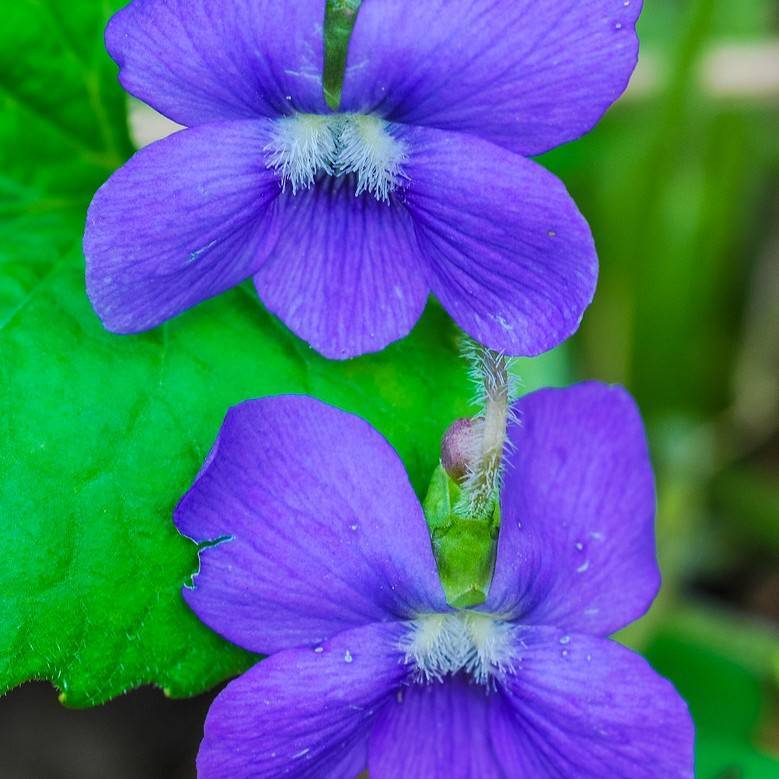
Common Blue Violet
Viola sororia
Overview
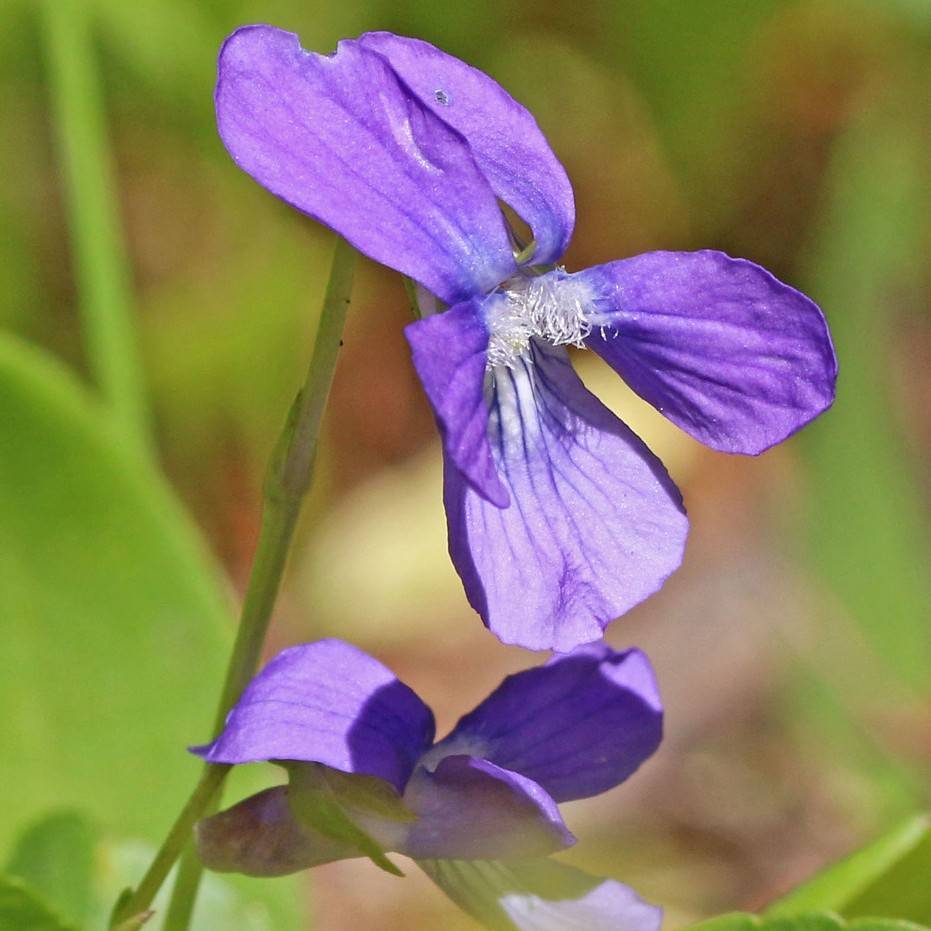
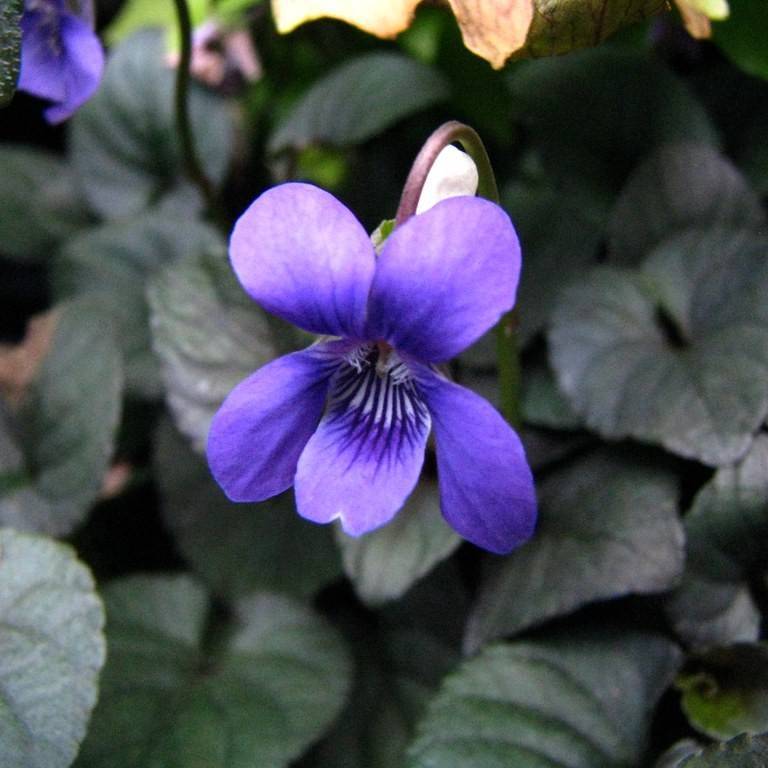
Common blue violet is a herbaceous perennial native to woodland edges, meadows, and lawns across eastern and central North America. It produces soft, heart-shaped leaves and nodding, five-petaled purple-blue flowers from early to mid-spring, with occasional repeat blooms in cool autumn conditions. The plant spreads readily via self-seeding and underground rhizomes, forming dense, low mats that thrive in cool, shaded environments. It is well-adapted to both wild spaces and cultivated garden settings, often naturalizing without becoming aggressively invasive.
Care Guide
Watering
Keep soil consistently moist but not waterlogged, as common blue violet does not tolerate prolonged dry conditions. Water deeply when the top 1 inch of soil feels dry to the touch, reducing frequency in winter when growth slows. Avoid overhead watering to minimize fungal leaf spot risk, directing water to the base of the plant instead.
Light
Grows best in partial to full shade, receiving 2-6 hours of indirect or dappled sunlight per day. It can tolerate short periods of full sun in cool spring conditions, but intense summer sun will scorch leaves and cause wilting. For indoor cultivation, place near a north-facing window or behind a sheer curtain to filter bright light.
Soil
Thrives in rich, well-draining loam or sandy loam soil with a slightly acidic to neutral pH between 6.0 and 7.0. Amend heavy clay soils with compost or leaf mold to improve drainage and add organic matter, as the plant prefers high levels of organic content in its growing medium. Potted specimens do well in a standard potting mix blended with 20% perlite to prevent compaction.
Fertilizer
Fertilize once in early spring just as new growth emerges, using a balanced, slow-release 10-10-10 fertilizer diluted to half the recommended strength. Avoid over-fertilizing, as excess nitrogen will promote leaf growth at the expense of flower production. Do not fertilize in late summer or fall, as this can stimulate tender new growth vulnerable to frost damage.
Temperature
Prefers cool temperatures between 60-75°F (15-24°C) during active growth, and can tolerate light winter frosts down to -30°F (-34°C) when grown outdoors in its hardiness zones (3-9). Indoor specimens should be kept away from hot, dry heating vents in winter to prevent leaf desiccation. Extended temperatures above 85°F (29°C) will cause the plant to go dormant until cooler conditions return.
Pruning
Pruning is minimal for common blue violet; remove spent flower stems to encourage additional blooms and tidy the plant’s appearance. In late fall, cut back yellowed foliage to ground level to reduce overwintering pest and fungal spore habitat. Thin dense clumps every 2-3 years to improve air circulation and prevent overcrowding.
Propagation
Easiest to propagate by division in early spring or fall, separating clumps of rhizomes and replanting them 6 inches apart in prepared soil. It can also be grown from seed sown directly outdoors in fall, as seeds require a 60-90 day cold stratification period to germinate. For indoor propagation, start stratified seeds in seed trays 8-10 weeks before the last expected frost date.
Humidity
Tolerates average outdoor humidity levels between 40-60%, but thrives in higher humidity typical of woodland environments. Indoor specimens benefit from occasional misting or placement on a pebble tray filled with water to boost ambient humidity during dry winter months. Avoid placing plants near drafty windows or air vents, which can cause rapid moisture loss from leaves.
Repotting
Potted common blue violet should be repotted every 1-2 years in early spring, when roots begin to grow through the drainage holes of the current container. Choose a pot only 1-2 inches larger than the root ball to prevent excess soil moisture retention, which can lead to root rot. Refresh the potting mix at repotting time, adding a small amount of compost to provide long-lasting nutrients.
Uses & Symbolism
Common blue violet is widely used as a low-growing ground cover for shaded garden beds, woodland gardens, and lawn alternatives, where it provides early spring color and supports native pollinators including bees and butterflies. Both the flowers and young leaves are edible, with a mild, sweet flavor that makes them popular for garnishing salads, desserts, and drinks, or for infusing into syrups and jellies. Historically, the plant has been used in traditional herbal medicine to treat minor respiratory ailments and skin irritations.
Diseases & Pests
Common blue violet is relatively pest and disease resistant, but can be affected by fungal leaf spot and powdery mildew in conditions of poor air circulation and high humidity. Slugs and snails are occasional pests, feeding on young leaves and flowers in cool, damp conditions; these can be controlled with bait traps or by surrounding plants with diatomaceous earth. Root rot may occur in heavy, waterlogged soil, so proper drainage is critical to prevent this issue.
Related plants
Other plants you might like if you grow Common Blue Violet.