Indian Hawthorn
Rhaphiolepis indica
Overview
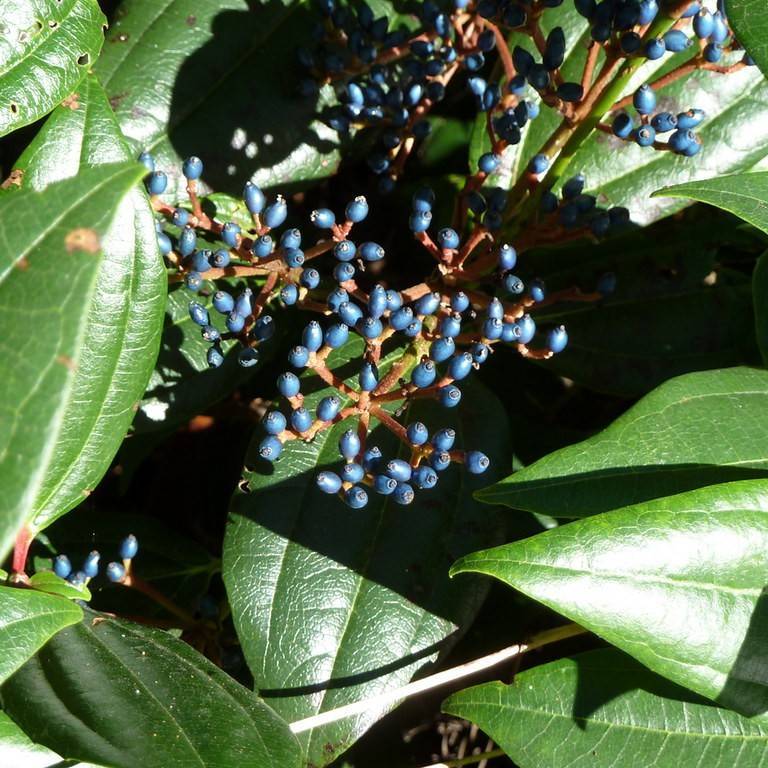
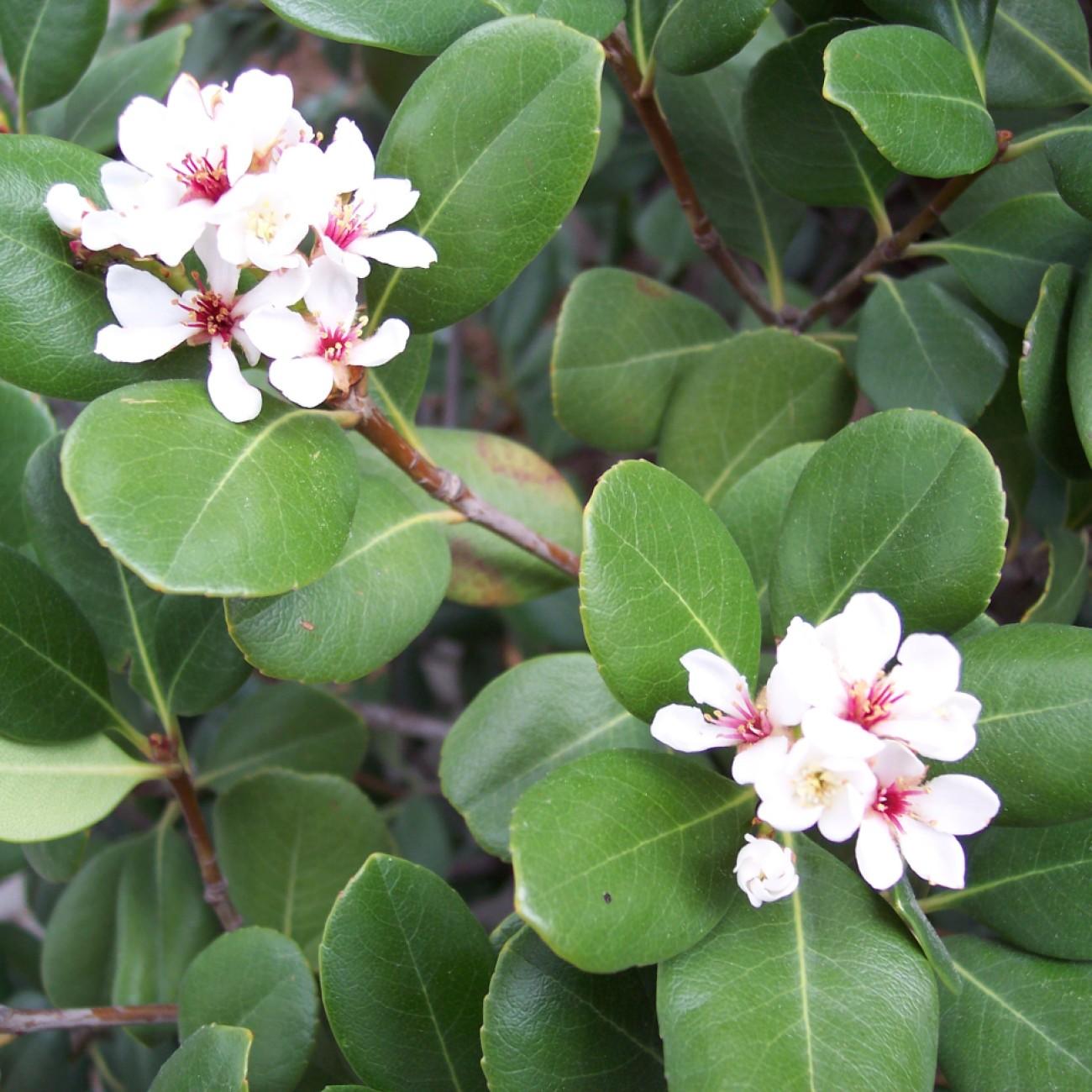
Indian Hawthorn is a dense, rounded evergreen shrub with leathery, dark green leaves that often take on bronze or red tints in cooler weather. In spring, it produces abundant clusters of small, fragrant white or pale pink flowers, followed by dark blue-black berries that persist into winter and attract birds. Widely cultivated in warm temperate regions, it is valued for its low maintenance needs and high tolerance to salt, heat, and occasional drought, making it a popular choice for coastal landscapes and urban plantings.
Care Guide
Watering
Water newly planted Indian Hawthorn regularly, keeping the soil consistently moist but not waterlogged for the first growing season to establish a deep root system. Once established, the shrub is highly drought tolerant, requiring supplemental watering only during extended dry spells, typically every 10 to 14 days in the absence of rain. Avoid overwatering, as soggy soil can lead to root rot and other fungal issues.
Light
Indian Hawthorn thrives in full sun, which encourages the most abundant flowering and dense, compact growth. It can tolerate partial shade, though plants grown in shadier conditions will produce fewer blooms and may develop a more open, leggy habit. For best performance, position the shrub where it receives at least 6 hours of direct sunlight daily.
Soil
This adaptable shrub grows well in a wide range of well-drained soil types, including sandy, loamy, and clay soils, as long as standing water is not present. It prefers a slightly acidic to neutral soil pH between 6.0 and 7.5, though it can tolerate slightly alkaline conditions as well. Amending heavy clay soils with organic matter such as compost or peat moss will improve drainage and support healthier root growth.
Fertilizer
Feed Indian Hawthorn in early spring, just before new growth emerges, using a balanced, slow-release granular fertilizer formulated for shrubs and trees. A second light application can be made in mid-summer if growth appears sparse or foliage is pale, but avoid fertilizing in late fall, as this can stimulate tender new growth that is vulnerable to frost damage. Always follow package dosage instructions to prevent over-fertilization, which can burn roots and reduce flowering.
Temperature
Indian Hawthorn grows best in USDA hardiness zones 8 through 11, preferring average temperatures between 60°F and 85°F (15°C to 29°C) during the growing season. It can tolerate light winter frosts down to 10°F (-12°C) for short periods, though prolonged freezing temperatures may damage foliage and young stems. In cooler zones, it can be grown in containers and overwintered indoors in a bright, cool location.
Pruning
Prune Indian Hawthorn immediately after flowering ends in late spring to maintain its shape and remove any dead, diseased, or crossing branches. Light shearing can be done to create a formal hedge, but avoid heavy pruning, as this can reduce flowering in the following year and leave the shrub vulnerable to disease. Remove any spent flower clusters if desired to improve appearance, though this is not necessary for plant health.
Propagation
Indian Hawthorn is most commonly propagated from semi-hardwood cuttings taken in late summer or early fall, when new growth has begun to harden off. Cuttings should be 4 to 6 inches long, stripped of lower leaves, dipped in rooting hormone, and planted in a well-drained potting mix, kept moist and warm until roots develop in 4 to 8 weeks. It can also be grown from seed, though seeds require cold stratification for 90 to 120 days and may take several years to reach flowering size.
Humidity
This shrub adapts well to a wide range of humidity levels, thriving in the moderate to high humidity of its native range as well as the drier conditions of arid warm regions. It has no special humidity requirements when grown outdoors in suitable climates, though prolonged periods of very high humidity combined with poor air circulation can increase the risk of fungal leaf spot diseases. When grown indoors as a container plant, average household humidity levels are sufficient for healthy growth.
Repotting
Container-grown Indian Hawthorn should be repotted every 2 to 3 years in early spring, before new growth begins, to refresh the soil and prevent root binding. Choose a container that is 2 to 3 inches larger in diameter than the current pot, with adequate drainage holes, and use a well-drained potting mix amended with perlite or coarse sand to improve drainage. After repotting, water thoroughly and keep the plant in a partially shaded location for a week to reduce transplant shock before returning it to full sun.
Uses & Symbolism
Indian Hawthorn is a popular landscape shrub used for low hedges, foundation plantings, mass border plantings, and container displays, valued for its compact size, evergreen foliage, and seasonal blooms. Its salt tolerance makes it an excellent choice for coastal gardens, while its dense growth habit provides effective erosion control on slopes. The persistent berries are a food source for birds, and the plant is often used in pollinator gardens to support bees and other beneficial insects drawn to its fragrant spring flowers.
Diseases & Pests
The most common disease affecting Indian Hawthorn is entomosporium leaf spot, a fungal infection that causes red or purple spots on foliage, leading to leaf drop and defoliation in severe cases, especially in warm, humid conditions with poor air circulation. It may also be susceptible to fire blight, a bacterial disease that causes blackened, wilting shoots, particularly in regions with warm, wet spring weather. Common pests include aphids, scale insects, and spider mites, which can be controlled with horticultural oil or insecticidal soap applied at the first sign of infestation.
Related plants
Other plants you might like if you grow Indian Hawthorn.
%22%2F%3E%0A%20%20%20%20%20%20%3Ccircle%20cx%3D%22920%22%20cy%3D%22180%22%20r%3D%2290%22%20fill%3D%22%23cfe8d5%22%2F%3E%0A%20%20%20%20%20%20%3Cpath%20d%3D%22M600%20590c-90-180-215-255-310-280%200%20165%20118%20296%20270%20296h40z%22%20fill%3D%22%2379b88e%22%2F%3E%0A%20%20%20%20%20%20%3Cpath%20d%3D%22M600%20590c80-150%20198-212%20302-228-8%20142-123%20255-270%20255h-32z%22%20fill%3D%22%235c9f73%22%2F%3E%0A%20%20%20%20%20%20%3Cpath%20d%3D%22M600%20610V360%22%20stroke%3D%22%234f8c64%22%20stroke-width%3D%2218%22%20stroke-linecap%3D%22round%22%2F%3E%0A%20%20%20%20%20%20%3Ctext%20x%3D%22600%22%20y%3D%22700%22%20text-anchor%3D%22middle%22%20font-family%3D%22Arial%2C%20sans-serif%22%20font-size%3D%2244%22%20fill%3D%22%23365c45%22%3E%0A%20%20%20%20%20%20%20%20Plant%20image%20coming%20soon%0A%20%20%20%20%20%20%3C%2Ftext%3E%0A%20%20%20%20%3C%2Fsvg%3E%0A%20%20)