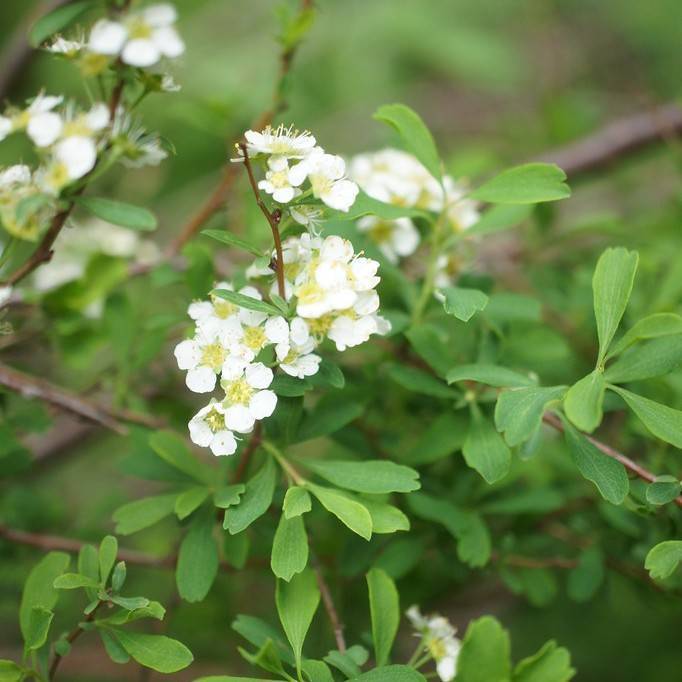
Iberian Spirea
Spiraea hypericifolia
Overview
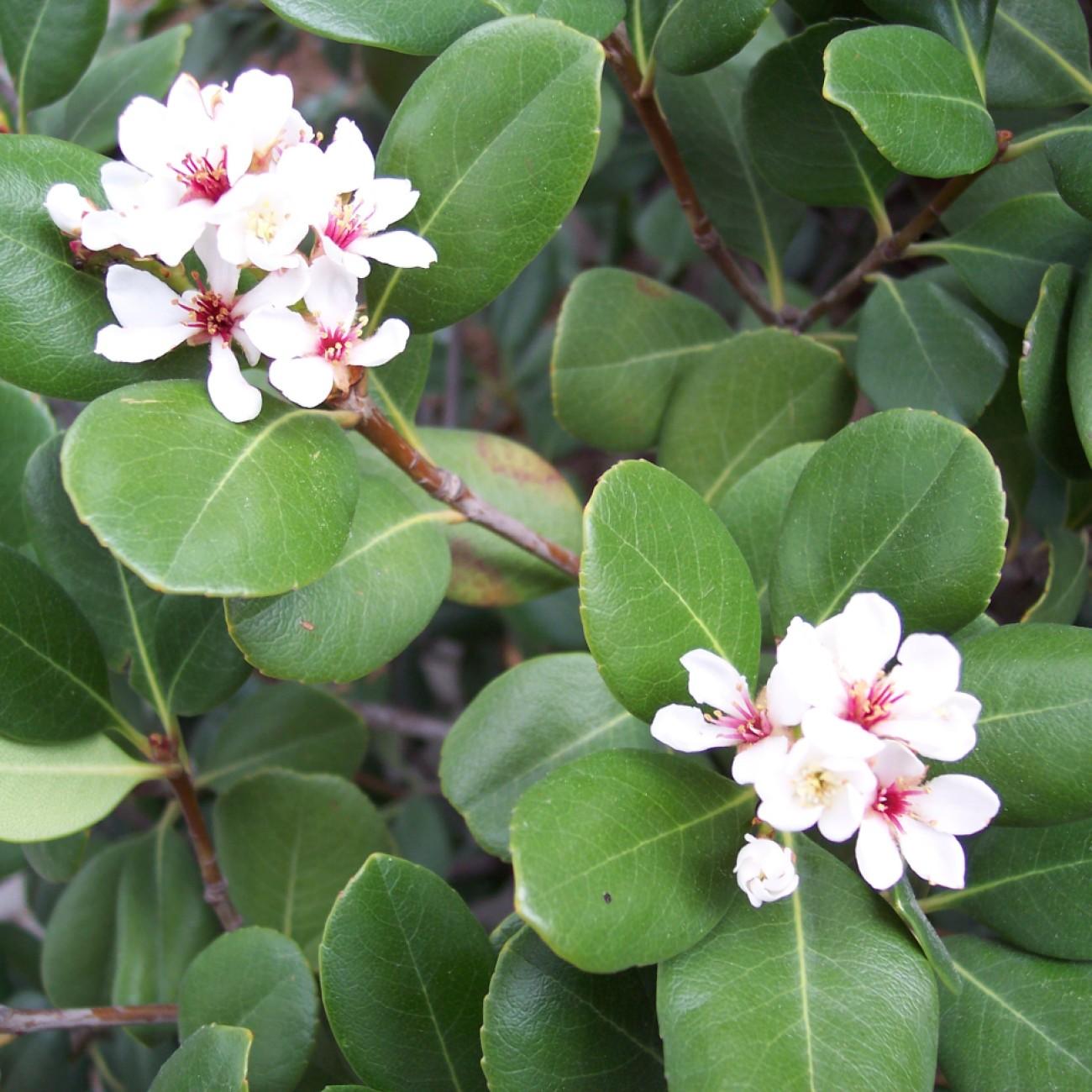
Iberian Spirea is a tough, low-maintenance deciduous shrub named for its native range across the Iberian Peninsula and surrounding Mediterranean regions. It produces masses of tiny, clustered white flowers along its woody, arching stems in mid to late spring, creating a frothy, cascading display. Its small, oblong, gray-green leaves turn a subtle yellow hue in fall before dropping for the winter, and it forms a rounded, dense habit over time.
Care Guide
Watering
Established Iberian Spirea is highly drought tolerant, requiring only occasional deep watering during prolonged dry spells; overwatering can lead to root rot. Newly planted shrubs need regular, light watering for the first 1 to 2 growing seasons to help them develop a strong, deep root system. Reduce watering almost entirely during the dormant winter months to keep the soil slightly dry.
Light
This shrub thrives in full sun, requiring at least 6 hours of direct, unfiltered sunlight daily to produce the most abundant flower display. It can tolerate light partial shade, though flowering may be sparser and growth may become leggy in shadier positions. Avoid planting in heavily shaded areas, as this will increase susceptibility to fungal diseases.
Soil
Iberian Spirea adapts well to a wide range of soil types, including poor, rocky, or sandy soils that are well-draining. It prefers a neutral to slightly alkaline soil pH, but can tolerate mildly acidic conditions as long as drainage is excellent. Heavy, waterlogged clay soils should be amended with sand or gravel to improve drainage before planting.
Fertilizer
This low-demand shrub rarely needs fertilization, especially when grown in average to poor soils. If growth is very stunted, apply a balanced, slow-release general fertilizer once annually in early spring just before new growth emerges. Avoid over-fertilizing, as this will lead to excessive leafy growth at the expense of flower production.
Temperature
Iberian Spirea is cold hardy to USDA zones 4 through 8, tolerating winter temperatures as low as -30°F (-34°C) once established. It thrives in warm, dry summer conditions typical of its native Mediterranean range, and tolerates high heat and low humidity very well. Late spring frosts can damage emerging new growth, so plant in a sheltered spot if late cold snaps are common in your area.
Pruning
Prune immediately after flowering finishes in late spring to maintain the shrub’s shape and encourage vigorous new growth for the next year’s blooms. Remove up to one-third of the oldest, woodiest stems at ground level every 2 to 3 years to rejuvenate the plant and improve air circulation through its canopy. Trim back any dead, damaged, or crossing stems at any time of year to keep the plant healthy.
Propagation
The easiest method of propagation is from softwood cuttings taken in early summer, just after flowering has finished. Dip cut ends in rooting hormone, plant in a well-draining sandy medium, and keep consistently moist until roots develop, which typically takes 4 to 6 weeks. It can also be grown from seed sown in fall, though seed-grown plants may take 2 to 3 years to reach flowering maturity.
Humidity
Iberian Spirea prefers low to moderate humidity levels, matching the dry Mediterranean climate it evolved in. It tolerates average household humidity well if grown as a patio or container plant, but will struggle in consistently high-humidity environments. Good air circulation around the foliage is critical to prevent fungal leaf spots in more humid regions.
Repotting
If grown in a container, repot every 2 to 3 years in early spring before new growth begins, using a coarse, well-draining potting mix amended with sand or perlite. Choose a pot with multiple drainage holes to prevent water buildup, and only size up by 1 to 2 inches in diameter each time to avoid excess soil moisture around the roots. Mature container-grown plants can be root-pruned every 4 to 5 years to keep their size manageable without repotting into a larger container.
Uses & Symbolism
Iberian Spirea is widely used in xeriscaping and low-water landscape designs as a low hedge, border planting, or mass groundcover on slopes for erosion control. Its dense, arching habit and spring flower display make it a popular ornamental for rock gardens, Mediterranean-themed landscapes, and wildlife gardens, where it attracts pollinators including bees and butterflies. Historically, some Mediterranean cultures used its flexible stems for basket weaving, and extracts of its leaves were used in traditional folk medicine as an astringent.
Diseases & Pests
Iberian Spirea is largely pest and disease resistant, though it can develop fungal leaf spot or powdery mildew in conditions of poor air circulation or prolonged high humidity. Aphids and spider mites may occasionally infest new growth, especially on plants stressed by drought or excessive shade; these can be treated with insecticidal soap or a strong blast of water to dislodge the pests. Root rot is the most serious common issue, occurring when the plant is grown in heavy, poorly draining soil or overwatered consistently.
Related plants
Other plants you might like if you grow Iberian Spirea.