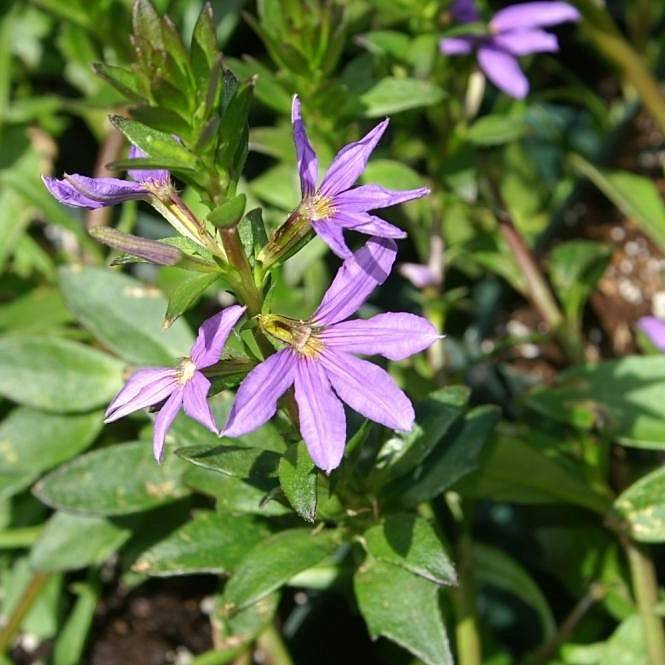
Fan Flower
Scaevola aemula
Overview
Fan Flower is a mat-forming, trailing plant distinguished by its asymmetrical, fan-shaped flowers that bloom continuously from spring through fall. Native to Australia’s coastal areas, it is highly tolerant of salt, wind, and drought, making it a popular choice for coastal landscapes, container gardens, and hanging baskets. Though it is a short-lived perennial in warm climates, it is often grown as an annual in regions with freezing winter temperatures.
Care Guide
Watering
Allow the top 1 to 2 inches of soil to dry out between waterings, as fan flower is highly drought-tolerant and prone to root rot if kept consistently soggy. Reduce watering frequency in winter when the plant’s growth slows, and avoid overwatering potted specimens by ensuring containers have ample drainage holes.
Light
Fan flower thrives in full sun, requiring a minimum of 6 hours of direct sunlight daily to produce abundant blooms. It can tolerate partial shade, but flowering will be reduced, and the plant may develop a lanky, sparse growth habit in low-light conditions.
Soil
Plant fan flower in well-draining, sandy or loamy soil with a slightly acidic to neutral pH between 5.5 and 7.0. Heavy, clay-rich soils that retain moisture should be amended with compost or perlite to improve drainage and prevent root rot.
Fertilizer
Feed fan flower lightly with a balanced, slow-release fertilizer at the start of the growing season, or apply a diluted liquid fertilizer every 4 to 6 weeks during active growth. Avoid over-fertilizing, as this can lead to excessive foliage growth at the expense of blooms.
Temperature
Fan flower grows best in temperatures between 60°F and 85°F (15°C to 29°C), and can tolerate short periods of heat up to 100°F (38°C) if watered appropriately. It is only hardy in USDA zones 10 to 11, and will be killed by temperatures below 32°F (0°C), so it should be brought indoors or treated as an annual in cooler regions.
Pruning
Pinch back young fan flower stems periodically to encourage bushier, more compact growth and increased branching. Deadhead spent flowers throughout the blooming season to promote continuous flowering, and cut back leggy growth by up to one-third in mid-summer to refresh the plant.
Propagation
Fan flower is most commonly propagated from softwood stem cuttings taken in spring or early summer, which root readily in moist, well-draining potting mix within 2 to 3 weeks. It can also be grown from seed sown indoors 8 to 10 weeks before the last expected frost, though seed-grown plants may take longer to bloom than cutting-grown specimens.
Humidity
Fan flower adapts well to average outdoor humidity levels between 40% and 60%, and is tolerant of dry, arid conditions common in coastal and inland warm regions. Avoid placing indoor-grown fan flower in overly humid, poorly ventilated spaces, as this can increase the risk of fungal disease.
Repotting
Potted fan flower should be repotted every 1 to 2 years in spring, just before the start of the active growing season, using a fresh, well-draining potting mix. Choose a container only one size larger than the current pot to prevent excess soil moisture retention, and ensure the pot has multiple drainage holes.
Uses & Symbolism
Fan flower is widely used as a trailing spiller in hanging baskets, window boxes, and container gardens, and as a low-growing ground cover in rock gardens, coastal landscapes, and border edges. Its salt tolerance makes it an excellent choice for landscaping near beaches or roads treated with de-icing salt, and its long bloom period provides consistent nectar for pollinators including bees and butterflies. In regions with mild winters, it can be grown as a permanent evergreen ground cover, while in cooler areas it is a popular seasonal ornamental for summer displays.
Diseases & Pests
Fan flower is relatively pest and disease resistant, but overwatering or poor drainage can lead to root rot, powdery mildew, and fungal leaf spots. Common pests include aphids, whiteflies, and spider mites, which can be controlled with insecticidal soap or neem oil applications, especially on indoor or densely planted specimens. Prolonged periods of high humidity combined with poor air circulation can increase the risk of fungal issues, so spacing plants adequately and avoiding overhead watering helps prevent these problems.
Related plants
Other plants you might like if you grow Fan Flower.
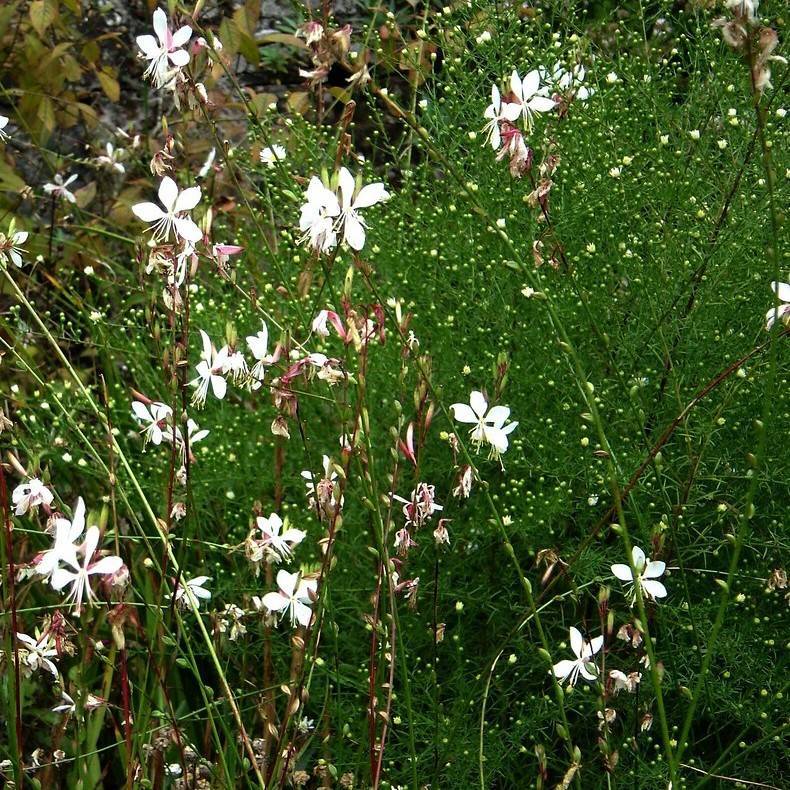
Gaura
Oenothera lindheimeri
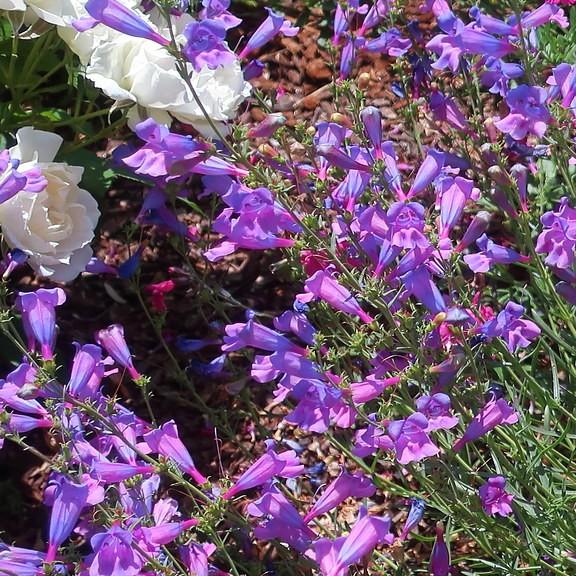
Foothill Penstemon
Penstemon heterophyllus
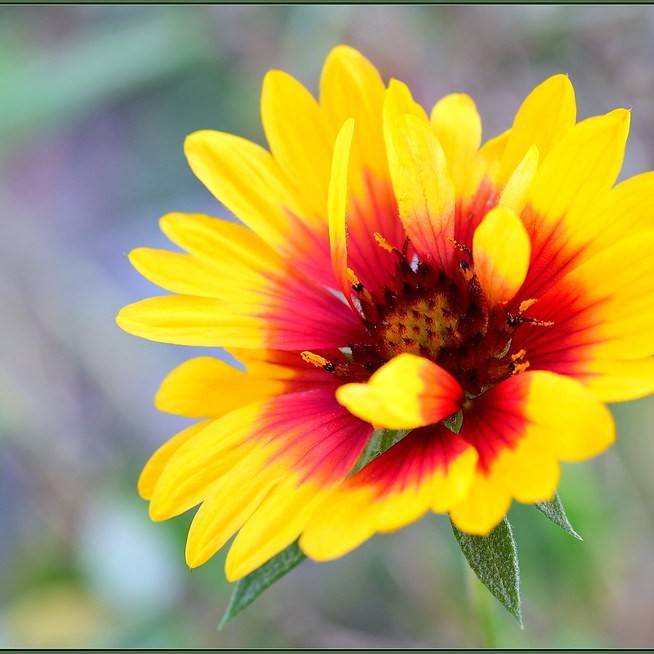
Blanket Flower
Gaillardia aristata
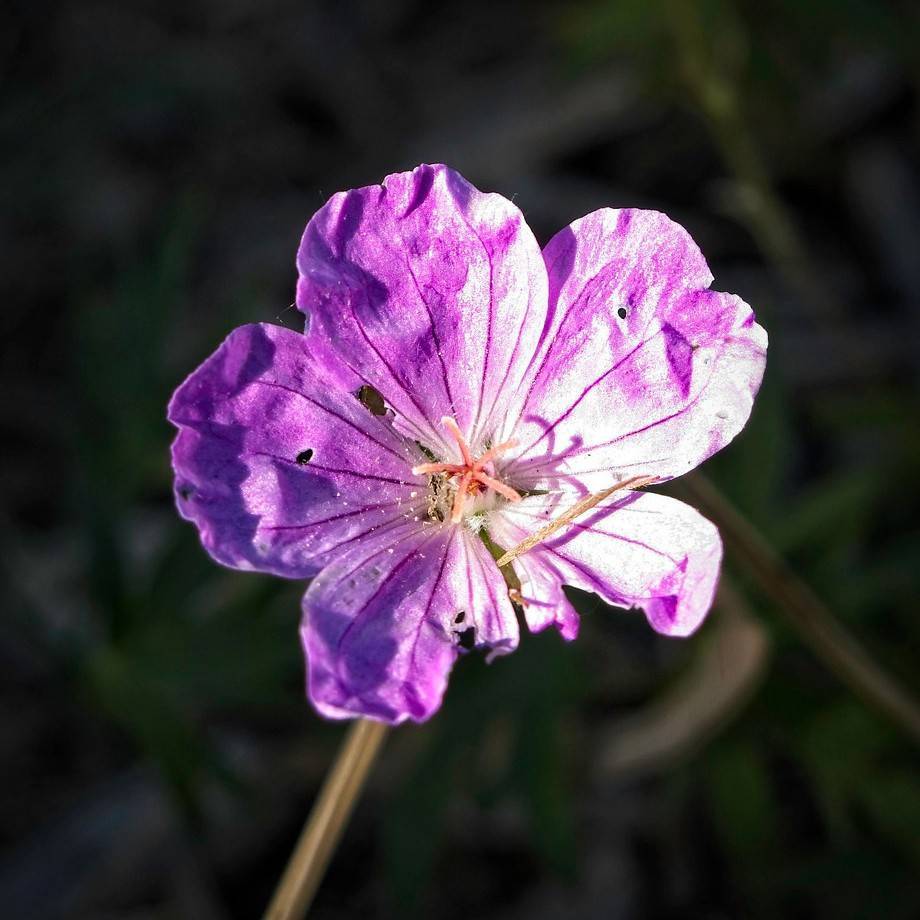
Bloody Cranesbill
Geranium sanguineum

Bellflower Beardtongue
Penstemon campanulatus
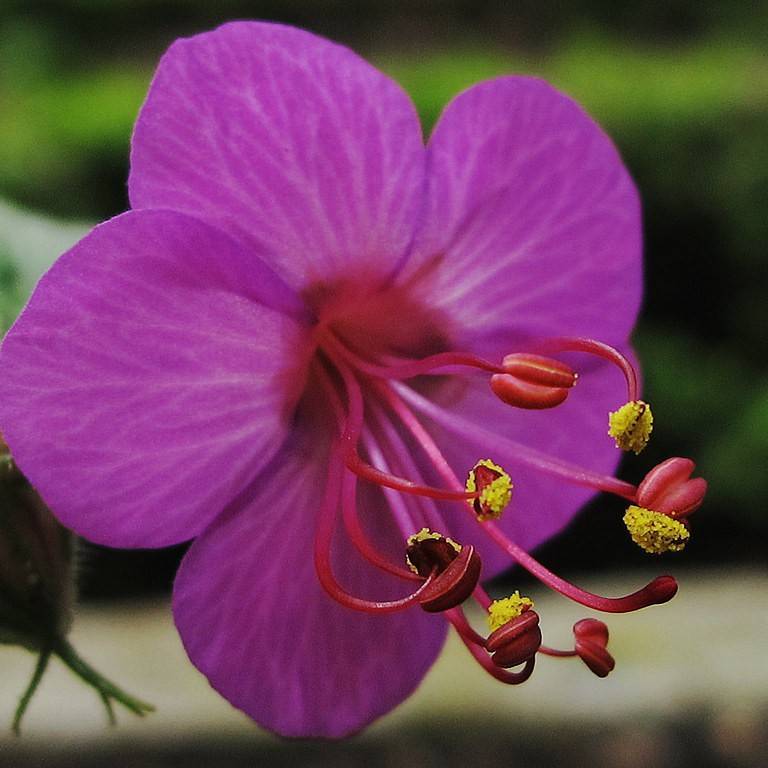
Bigroot Geranium
Geranium macrorrhizum
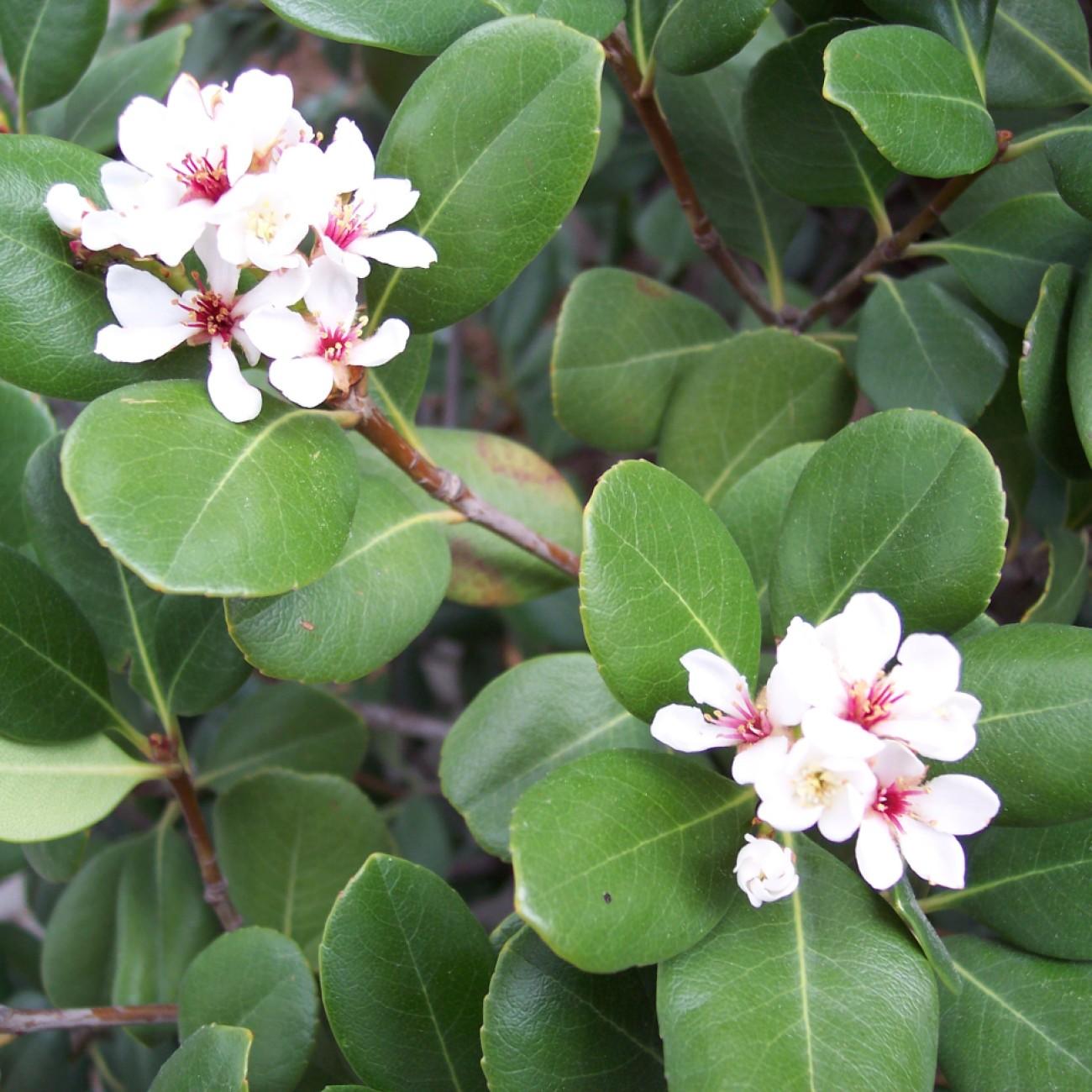
Indian Hawthorn
Rhaphiolepis indica
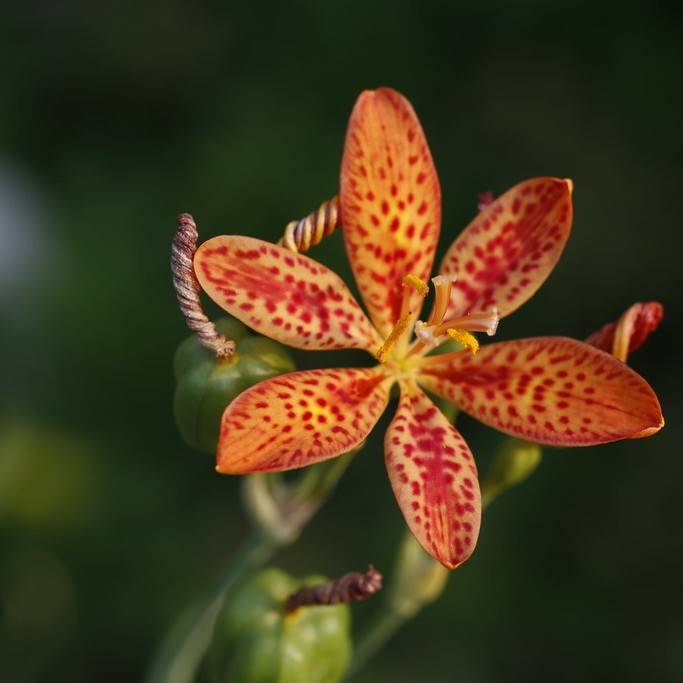
Blackberry Lily
Iris domestica (syn. Belamcanda chinensis)