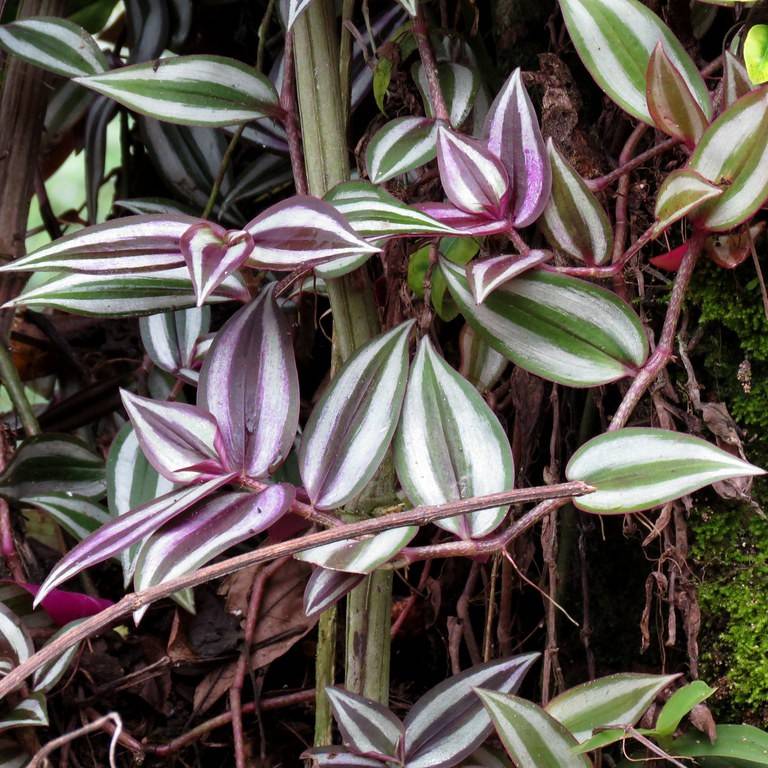
Inch Plant
Tradescantia zebrina
Overview
Inch plant, also called wandering jew or zebra tradescantia, gets its common name from its rapid growth rate, producing up to an inch of new stem per week during active growing seasons. Its distinctive oval leaves feature a shimmering silver-green upper surface with dark green stripes and a rich purple underside, creating a vibrant layered display. Hardy only in USDA zones 9 through 12, it is most often grown as a hanging houseplant in cooler regions, where its cascading stems create a lush, trailing effect.
Care Guide
Watering
Water inch plant when the top 1-2 inches of soil feels dry to the touch, reducing frequency in winter when growth slows to prevent root rot. Avoid overwatering, as soggy soil can cause stem and root decay, but do not let the plant dry out completely for extended periods, as this will lead to wilting and leaf drop.
Light
Bright, indirect light is ideal for inch plant, as it encourages vibrant foliage color and compact growth; direct midday sun can scorch leaves, while too little light will cause fading of the purple and silver markings and leggy, sparse growth. It can tolerate low light conditions for short periods, but supplemental grow lights will help maintain its appearance in dim indoor spaces.
Soil
Inch plant thrives in well-draining, loamy potting mix with a slightly acidic to neutral pH between 6.0 and 7.0; a standard houseplant mix amended with perlite or coarse sand to improve drainage works well. Avoid heavy, clay-heavy soils that retain excess moisture, as these increase the risk of root rot.
Fertilizer
Feed inch plant once a month during spring and summer with a balanced, water-soluble houseplant fertilizer diluted to half strength, to support steady growth and vibrant foliage. Do not fertilize in fall and winter, when the plant enters a dormant period, as excess nutrients can build up in the soil and damage roots.
Temperature
Inch plant prefers average room temperatures between 60-80°F (15-27°C), and will suffer damage if exposed to temperatures below 50°F (10°C) for extended periods. Keep it away from cold drafts, air conditioning vents, and direct heat sources like radiators, as sudden temperature fluctuations can cause leaf drop.
Pruning
Prune inch plant regularly in spring and summer to encourage bushier growth, pinching or cutting back leggy stems just above a leaf node to stimulate new side shoots. Remove any yellowed, damaged, or diseased leaves and stems as needed to keep the plant looking tidy and prevent the spread of pests or decay.
Propagation
Inch plant is extremely easy to propagate via stem cuttings; snip a 3-4 inch section of healthy stem with at least 2-3 leaf nodes, remove the lower leaves, and place the cutting in water or moist potting mix, where roots will form in 1-2 weeks. Cuttings root reliably year-round, though propagation is fastest during the active growing season in spring and summer.
Humidity
Inch plant adapts well to average household humidity levels between 40-60%, but will appreciate occasional misting or a pebble tray filled with water if indoor air is especially dry during winter months. Excessively high humidity combined with poor air circulation can increase the risk of fungal leaf spots, so ensure the plant has adequate ventilation.
Repotting
Repot inch plant every 1-2 years in spring, or when roots begin to grow out of the drainage holes of its current pot, moving it to a container only 1-2 inches larger than the previous one to avoid overwatering issues. Use fresh potting mix when repotting, and gently loosen tangled roots to encourage healthy new growth.
Uses & Symbolism
Inch plant is primarily grown as an ornamental houseplant, particularly in hanging baskets where its trailing stems can cascade freely, or as a ground cover in warm, frost-free climates where it spreads quickly to form a dense, colorful mat. It is also used in outdoor container gardens and mixed planters as a trailing filler plant, and is sometimes included in indoor air-purifying plant collections for its ability to filter volatile organic compounds from the air.
Diseases & Pests
Inch plant is relatively pest-resistant, but may attract common houseplant pests like aphids, spider mites, and mealybugs, which can be controlled with insecticidal soap or neem oil sprays. Overwatering and poor drainage are the most common causes of health issues, leading to root rot, stem rot, and fungal leaf spots; these can be prevented by allowing the top layer of soil to dry between waterings and ensuring the plant has adequate air circulation.
Related plants
Other plants you might like if you grow Inch Plant.
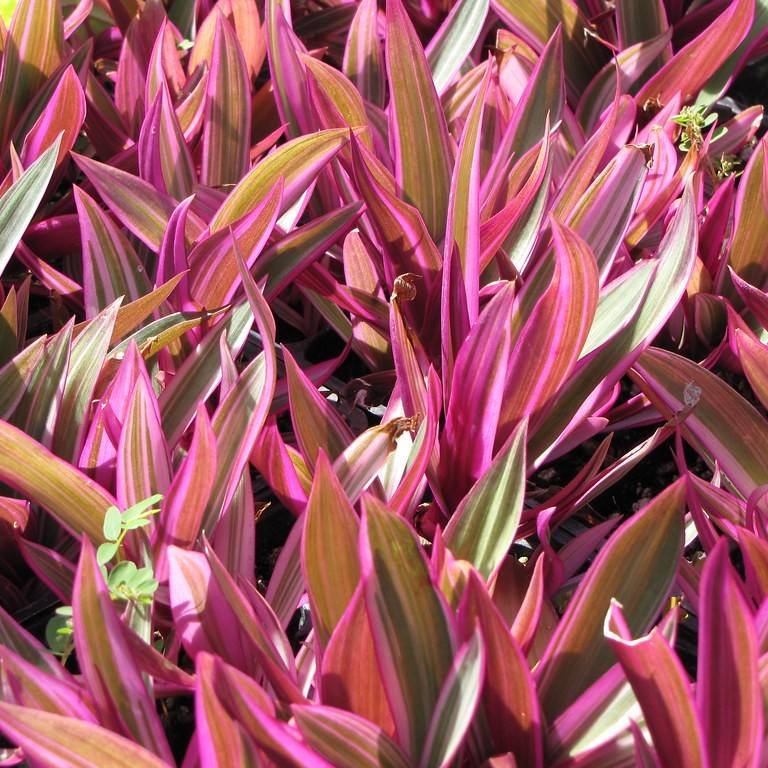
Boat Lily
Tradescantia spathacea
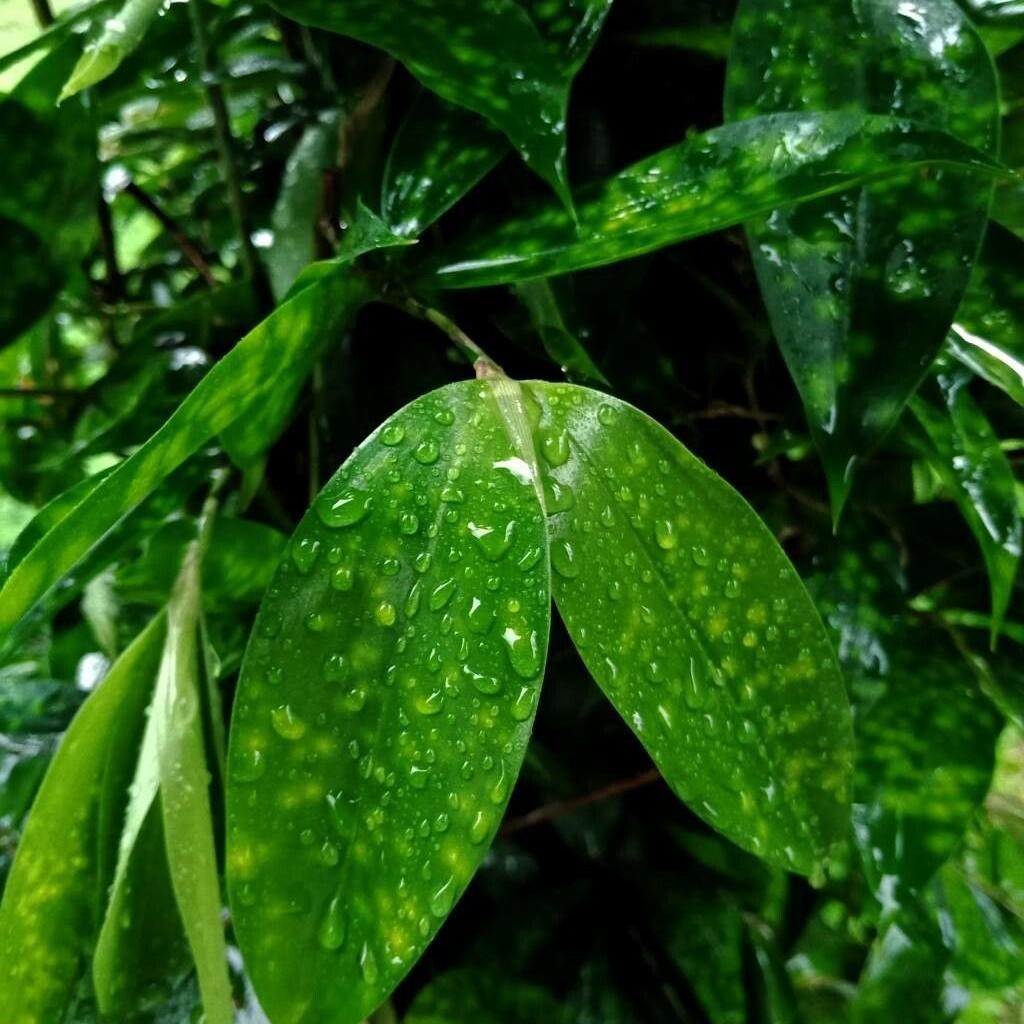
Gold Dust Dracaena
Dracaena surculosa 'Florida Beauty'
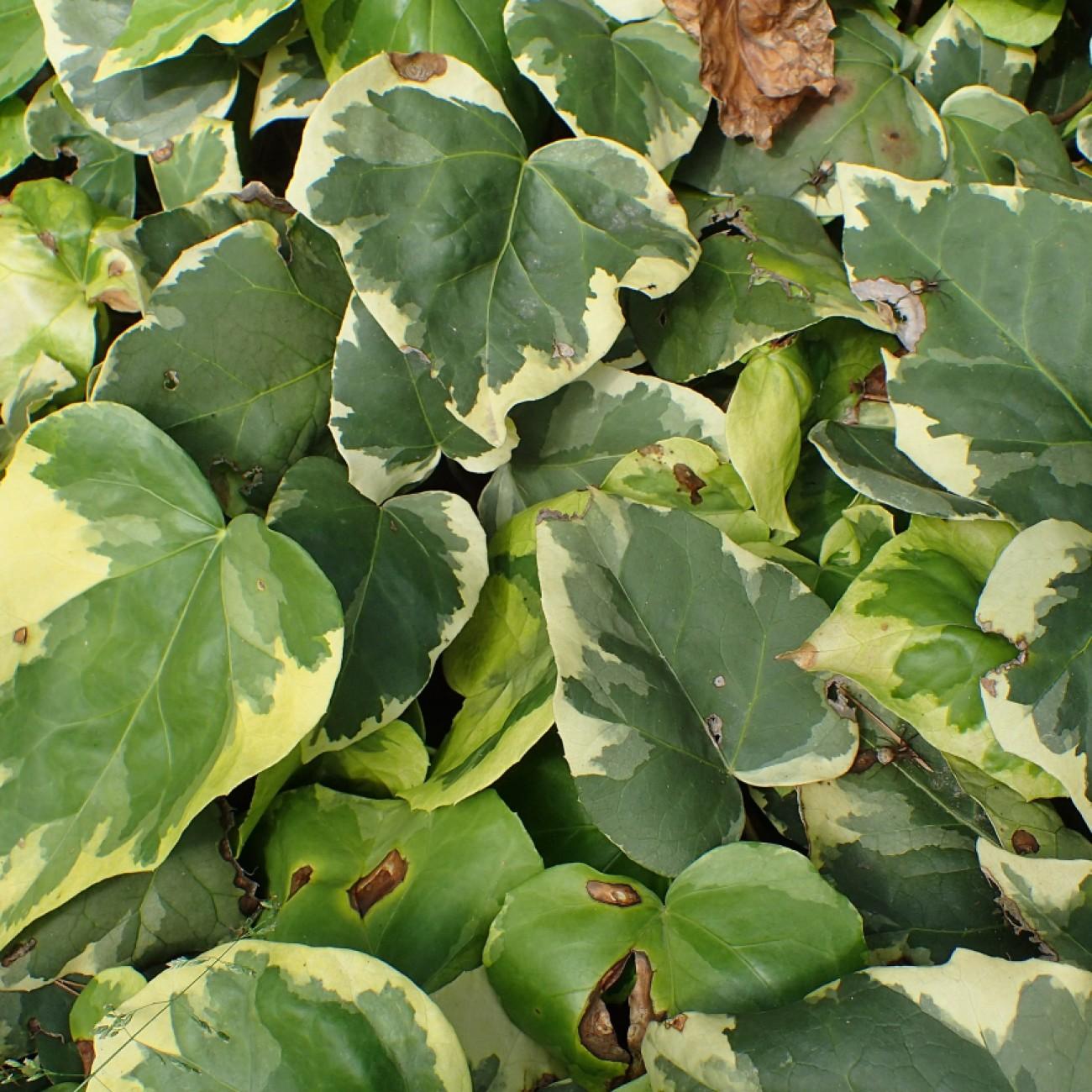
Bullock's Heart Ivy
Hedera helix 'Bullata'
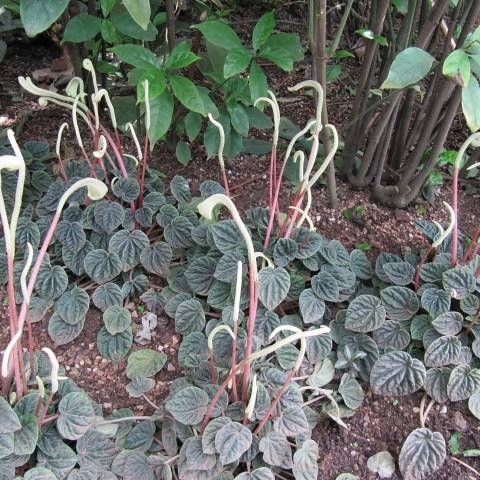
Emerald Ripple Pepper
Peperomia caperata 'Emerald Ripple'
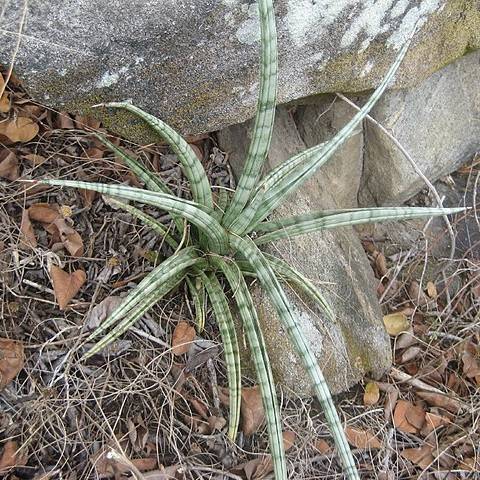
Bowstring Hemp
Sansevieria trifasciata (now reclassified as Dracaena trifasciata)
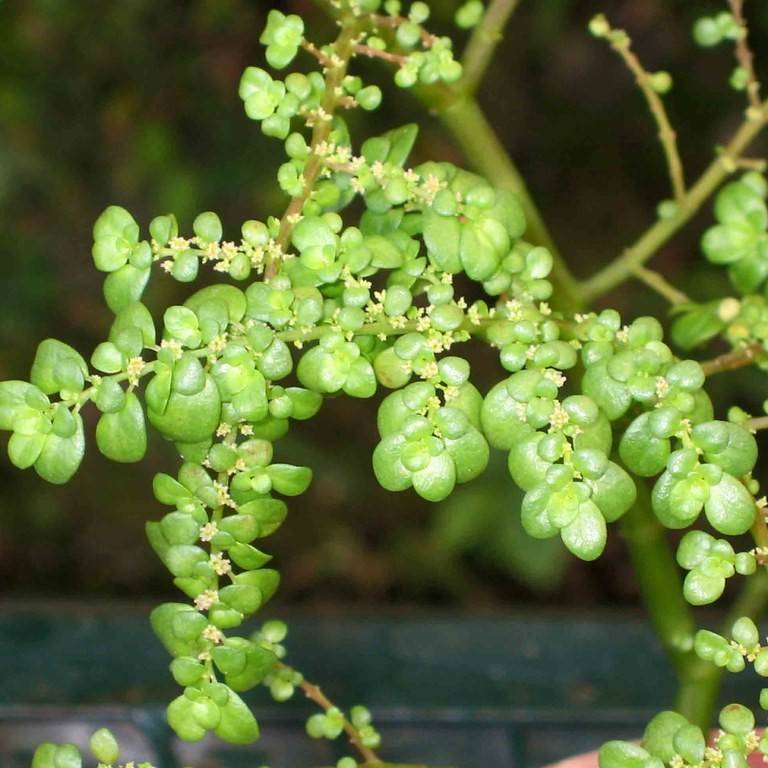
Artillery Plant
Pilea microphylla
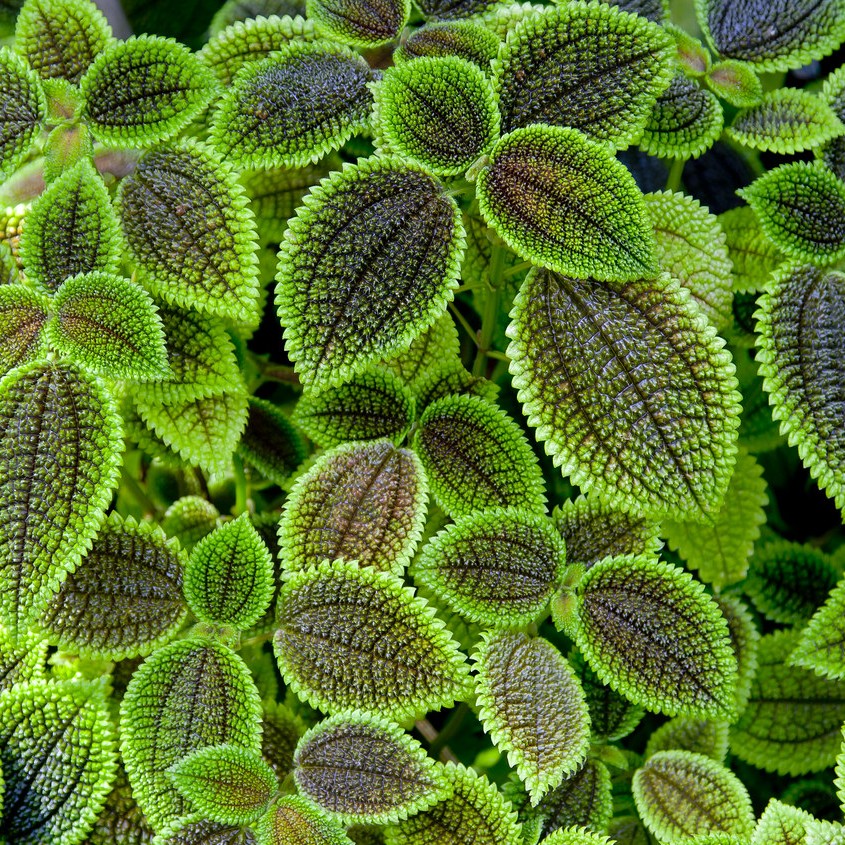
Friendship Plant
Pilea involucrata
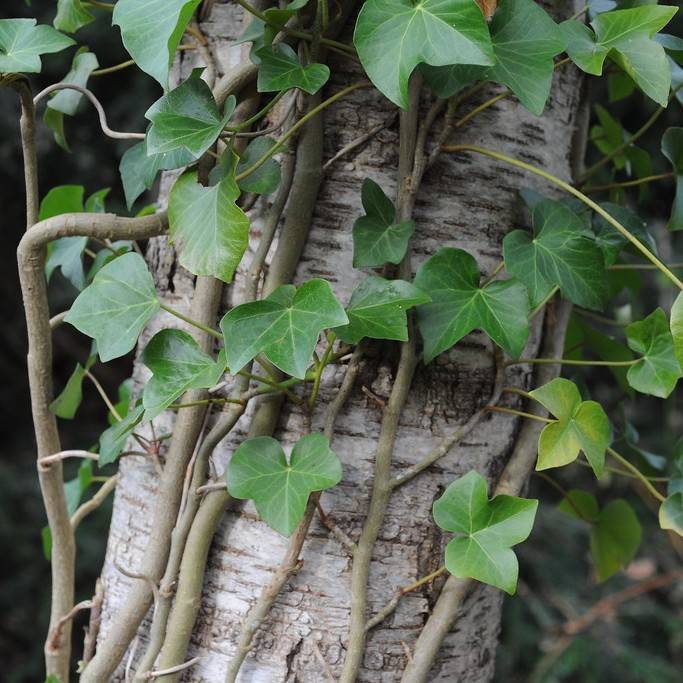
English Ivy
Hedera helix